
Food & Nutrition Guides
Nepali New Year Foods: Celebrating Naya Barsha
Naya Barsha, the Nepali New Year, is a quieter festival than Dashain or Tihar, but the table still tells the whole story: sel roti, beaten rice, a good achar and whatever meat the family can gather. Here is what those dishes are, why they show up every year, and where to find the real ingredients in Canada.
By Bishnu Koirala · Founder & CEO
Published
On this page
What Naya Barsha Actually Marks
Naya Barsha falls in mid-April, on the first day of Baisakh, and it marks the start of a new year in the Bikram Sambat calendar, the one Nepal officially runs on. It is nowhere near as loud as Dashain or Tihar. No fifteen days off work, no kite season, no rows of diyo. It is one day, usually a public holiday, and for most families it means a slightly nicer breakfast, a phone call to relatives, and if you are near Bhaktapur, the chariot-pulling chaos of Bisket Jatra.
What does not change is the instinct to mark the day with food. Even a low-key new year in a Nepali household means someone is soaking chiura, someone is frying sel roti, and someone is arguing about whether the achar needs more khursani. That is the real thread connecting Naya Barsha to every other Nepali festival: the food is how the day gets remembered.
The Sel Roti and Chiura Spread
If one dish says 'Nepali festival' more than any other, it is sel roti, that ring-shaped, slightly sweet, deep-fried rice bread that shows up at Tihar, weddings, and yes, Naya Barsha too. It is made from a rice flour batter, sometimes with a bit of banana or milk worked in, piped into rings and fried until the outside turns a deep amber. We have a full sel roti recipe and a breakdown of exactly which ingredients you need for sel roti, starting with a decent rice flour.
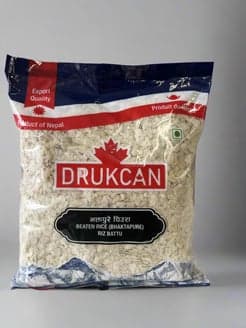
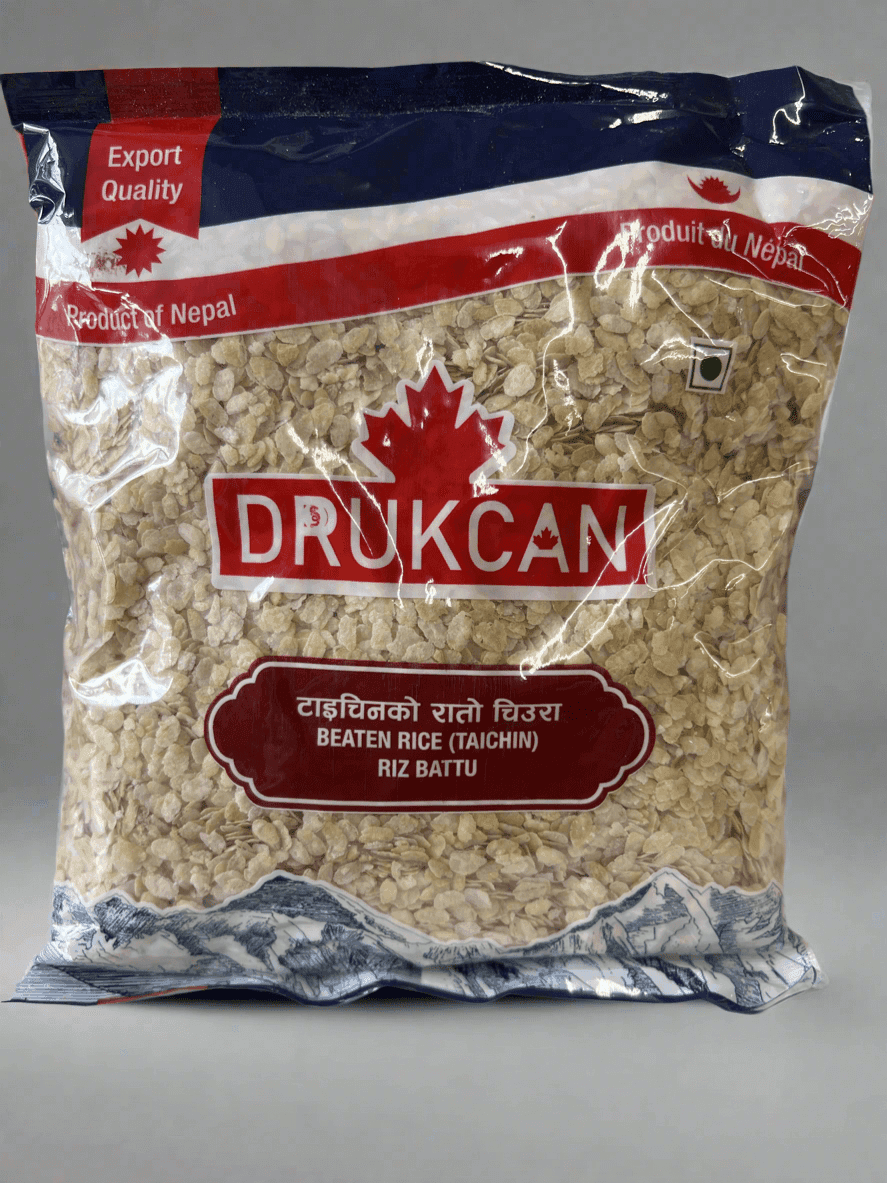
Alongside the sel roti, chiura (beaten rice) is doing quiet, unglamorous work as the base of the whole meal. It comes in two main styles: seto chiura, the plain white flattened rice, and rato chiura, made from a reddish paddy with more bite and a nuttier flavour. We keep both, Seto Chiura and Rato Chiura, and if you want the full comparison of when to use which, our rato vs seto chiura guide covers it properly. On New Year morning, chiura gets piled onto a plate with curd, a fried egg or some meat, and whatever achar is open in the fridge, no cooking required, which is exactly why it survives as a festival staple.
Meat, Achar and the Bhoj Table
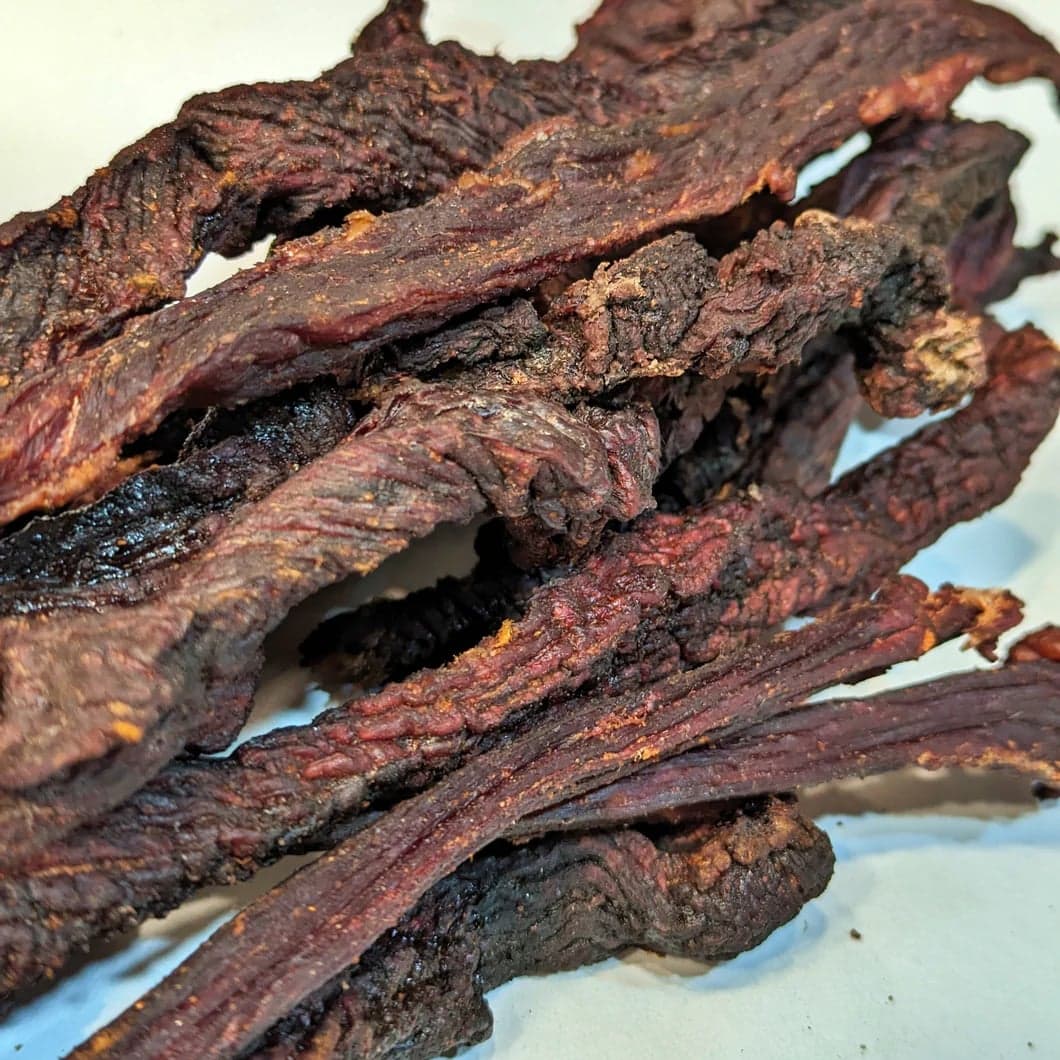
Naya Barsha is not a vegetarian occasion for most Nepali households. If the family can afford it, meat shows up somewhere on the table, whether that is a fresh curry cooked that morning or something already preserved like sukuti, Nepal's air-dried, smoke-touched jerky. We stock Buff Sukuti, and our sukuti guide goes into how it is made and how to rehydrate it for a proper sukuti sadeko rather than eating it straight from the bag.
No Nepali plate feels complete without achar, and Naya Barsha is not the day to cut corners on it. The classic choice is something built around akabare khursani, the small, round, ferociously hot cherry pepper that gives Nepali pickles their kick. Our Akabare Khursani Achar is the shortcut version; for the full story on the pepper itself, see our akabare khursani guide. If you are cooking the whole bhoj rather than assembling it, our Nepali and Indian achar guide breaks down which pickle pairs with which dish, and khokana mustard oil is the fat most of these curries and achars actually start with, which our mustard oil guide explains in more detail than most recipes bother to.
Sweet Endings: Titaura, Curd and Simple Desserts
New Year sweets in Nepal tend to be simple rather than elaborate. Curd (dahi) is the most common one, spooned over chiura or eaten on its own as a mark of auspiciousness at the start of anything new, a habit that carries into weddings and Dashain tika as well. If you want something with more chew and tang, titaura, the dried, spiced fruit candy made from lapsi or other tart fruits, is the thing kids actually fight over. Our Titaura is the same sweet-sour-spicy candy sold at Nepali sweet stalls, and our titaura and paun guide covers the different styles.
Some families go further and make kheer for the occasion, the rice pudding that shows up whenever Nepalis want to signal a special day without much fuss. Our kheer rice guide walks through the basics if you have never made it, and it is a good use for extra basmati sitting in the pantry from the New Year shop.
Cooking the Naya Barsha Table in Canada
The hardest part of celebrating Naya Barsha outside Nepal is not the cooking, it is finding the actual ingredients: real chiura, a mustard oil that tastes like the one back home, akabare khursani that has heat rather than just colour. That is the entire reason Danphe Stores exists. We ship rice, rice & flour staples, pickles and achar, sukuti and cooking oils to all ten provinces and three territories, five to ten business days for standard delivery, faster and free over $35 within central Metro Vancouver.
If you are in Metro Vancouver, our shop at 3634 East Hastings St also does same-day delivery if you call ahead, which is handy when you realize the morning of Naya Barsha that nobody bought sel roti flour. For everyone else, order a few days early: chiura, sukuti and a jar of achar keep well, so there is no harm stocking up before the fourteenth of April rather than scrambling on the day itself.
Frequently asked questions
When is Nepali New Year celebrated?
Naya Barsha falls on the first day of Baisakh in the Bikram Sambat calendar, which lands in mid-April on the Gregorian calendar, usually around April 13 or 14. The exact date shifts slightly year to year because the two calendars do not align perfectly.
What is traditionally eaten on Nepali New Year?
The core spread is chiura (beaten rice) with curd, achar and meat if the family has it, plus sel roti as the festive bread. It is a simpler table than Dashain or Tihar, but the same building blocks show up: rice in some form, a good pickle, and something preserved like sukuti.
Is Nepali New Year the same as Losar?
No. Naya Barsha follows the Bikram Sambat calendar and falls in mid-April, while Losar is the new year celebrated by Sherpa, Tamang and other Himalayan Buddhist communities, usually in February. They are separate calendars with separate foods. See our Losar foods guide for how that table differs.
Do Newar communities celebrate the New Year differently?
Yes. Newars mark their own calendar, Nepal Sambat, around the same time as Tihar with Mha Puja, a self-worship ritual tied to a much larger festive platter. If you want to see that tradition on its own terms, our samay baji guide and Newari cuisine guide cover it in depth.
Can I get sel roti and chiura ingredients delivered in Canada?
Yes. We carry rice flour, both seto and rato chiura, mustard oil, sukuti and achar, and we ship them across Canada, standard delivery in five to ten business days, free over $35 within central Metro Vancouver, with same-day delivery available locally by phone.
What is a simple Naya Barsha menu for a small gathering?
Chiura with curd and achar for the light option, a meat curry or sukuti sadeko if you want something more substantial, sel roti as the centrepiece bread, and kheer or titaura to finish. It scales up or down easily depending on how many people are coming.
Shop the pantry
Authentic Himalayan staples, delivered anywhere in Canada.
Keep reading
Nepali & Indian Grocery Delivery Across Canada
One Vancouver shop, one nationwide delivery run: real Nepali and Indian groceries shipped coast to coast.
Read the guideSel Roti Recipe: Sweet Rice-Flour Ring
Crispy outside, soft and springy inside: the sel roti ring that shows up at every Nepali Tihar table, made right in your own kitchen.
Read the recipeSel Roti at Home: Rice Flour, Ghee & the Ring
The whole secret to a good sel roti lives in the batter's texture, not a long ingredient list.
Read the guideChiura (Beaten Rice): Rato vs Seto & How to Use
Rato or seto? Here's how Nepal's two beaten rices differ and what to do with a bag of either.
Read the guide