
Food & Nutrition Guides
Tihar (Deepawali) Foods: Sel Roti, Sweets & Sagun
Tihar is five days long and every single one of them tastes like something. This guide walks through the food, the light, and the small rituals of sagun, plus where to find the real ingredients (rice flour, diyo, marigold, puja thali) without leaving Canada.
By Bishnu Koirala · Founder & CEO
Published
On this page
Five Days, Five Moods, One Kitchen Working Overtime
Tihar (also called Deepawali or Nepali Diwali) is really five separate festivals stacked back to back: Kaag Tihar for the crows, Kukur Tihar for dogs, Gai Tihar for cows (and Laxmi Puja the same evening), Govardhan Puja and Mha Puja, then Bhai Tika on the last day for brothers and sisters. Every single one has its own small offering, and almost all of them run through the kitchen.
If you grew up with this festival, you already know the smell that hangs over a Tihar house: mustard oil heating up for sel roti, incense drifting from the puja room, and someone shouting that the diyo oil is running low again. If this is your first Tihar away from Nepal, this guide is the shortcut version of what your family would be doing right now.
For the general pantry side of things (rice, lentils, spices you'll need across all five days) our Nepali & Indian grocery delivery page covers the basics that ship anywhere in the country.
Sel Roti: The Food Tihar Is Actually Remembered For
Ask any Nepali what food means Tihar and the answer is instant: sel roti. It's a sweet, ring-shaped rice bread, deep fried until the outside is a deep amber and the inside stays soft and slightly chewy, and it's the one dish nobody skips no matter how far from home they are.
The batter is simple in theory: soaked and ground rice (or rice flour if you're skipping the soak-and-grind step), a little sugar, ghee, milk, banana, and warm spices like cardamom. The hard part is the ring itself, pouring a thin stream of batter into hot oil in one continuous loop without it breaking apart. Everyone's grandmother has a technique and everyone's grandmother insists hers is the only correct one.
We've written a full breakdown of the batter ratios and frying temperature in our sel roti recipe, and a separate ingredient-focused guide on sel roti at home if you want to understand what each ingredient is doing before you start pouring. Either way, start with good rice flour. A gritty or old batch will crack in the oil instead of holding its ring.
Sagun: The Plate That Says 'You Matter to Me'
Sagun is the small ceremonial plate given on auspicious occasions, and Tihar (especially Bhai Tika) is peak sagun season. A proper sagun plate usually has a boiled egg, a piece of dried fish or meat, fruit, sel roti, and something sweet, arranged with a tika and a few strands of marigold.
The sweets side of sagun is where a lot of Nepali-Canadian households improvise, and that's fine. Traditional Nepali sweet shops aren't on every corner here, so many families lean on Indian mithai instead: barfi, laddu, and rasgulla all show up on Tihar tables now. If you want a primer on what's actually available and how to serve it, our rasgulla and Indian sweets guide covers the common options.
Dried meat is the other sagun staple that travels surprisingly well. A little sukuti on the plate is a nod to the dried buff or mutton that would traditionally sit next to the egg, and it keeps for weeks in the fridge, which matters when you're prepping five days of food.
Laxmi Puja: Light, Flowers, and the Goddess of Wealth
The third day of Tihar is Laxmi Puja, when homes are cleaned top to bottom, doors are propped open, and a trail of diyo (small oil lamps) leads from the street to the front door so Goddess Laxmi finds her way in. This is the night Nepali neighbourhoods actually glow.
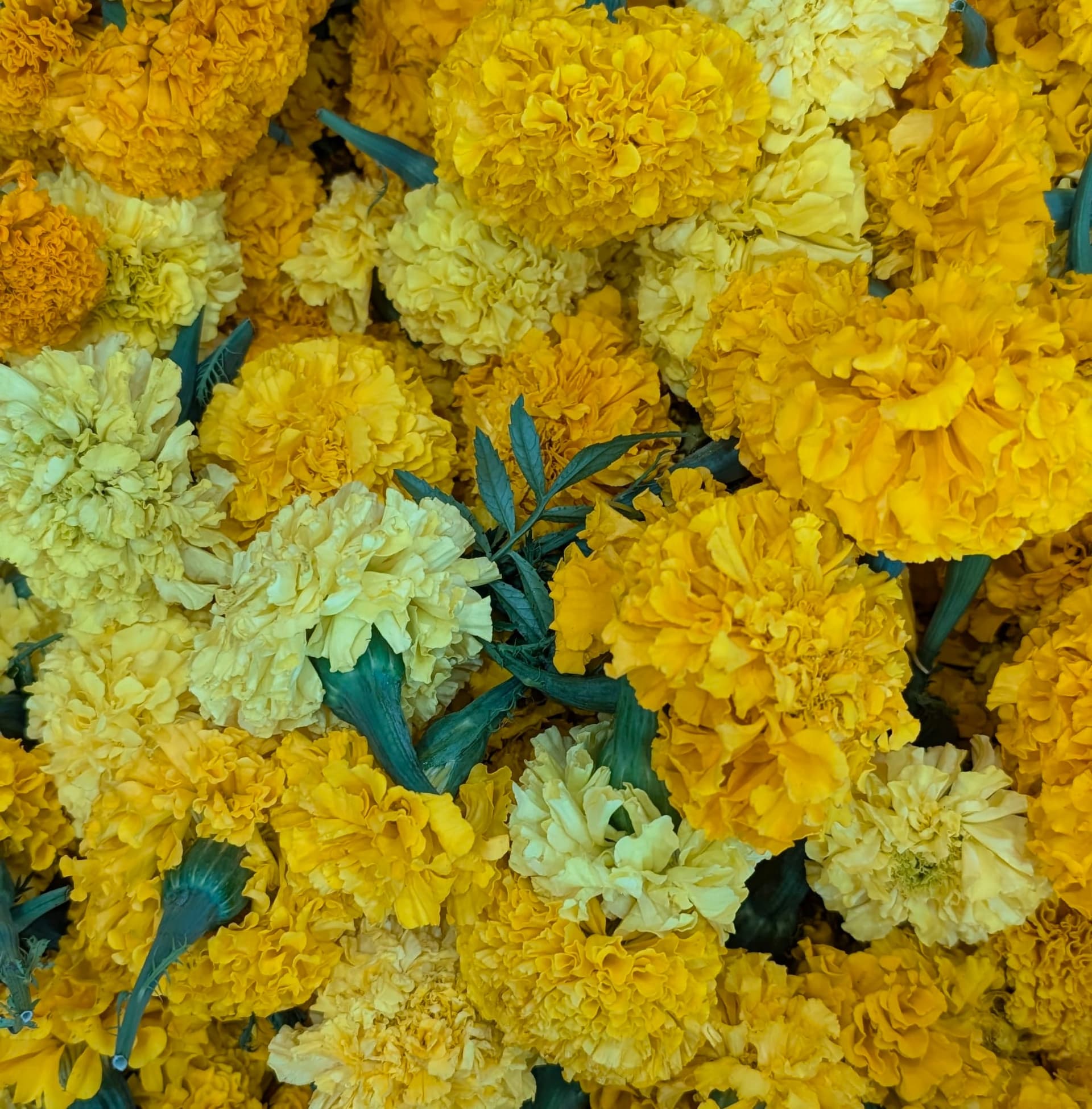
A proper diyo set matters here more than people expect, since cheap ones tip over or burn unevenly. A diyo set with enough weight to sit steady on a windowsill or doorstep makes the whole evening easier, and if you're doing a bigger spread, garlands of sayapatri (marigold) around the door and window frames are the other half of the look.
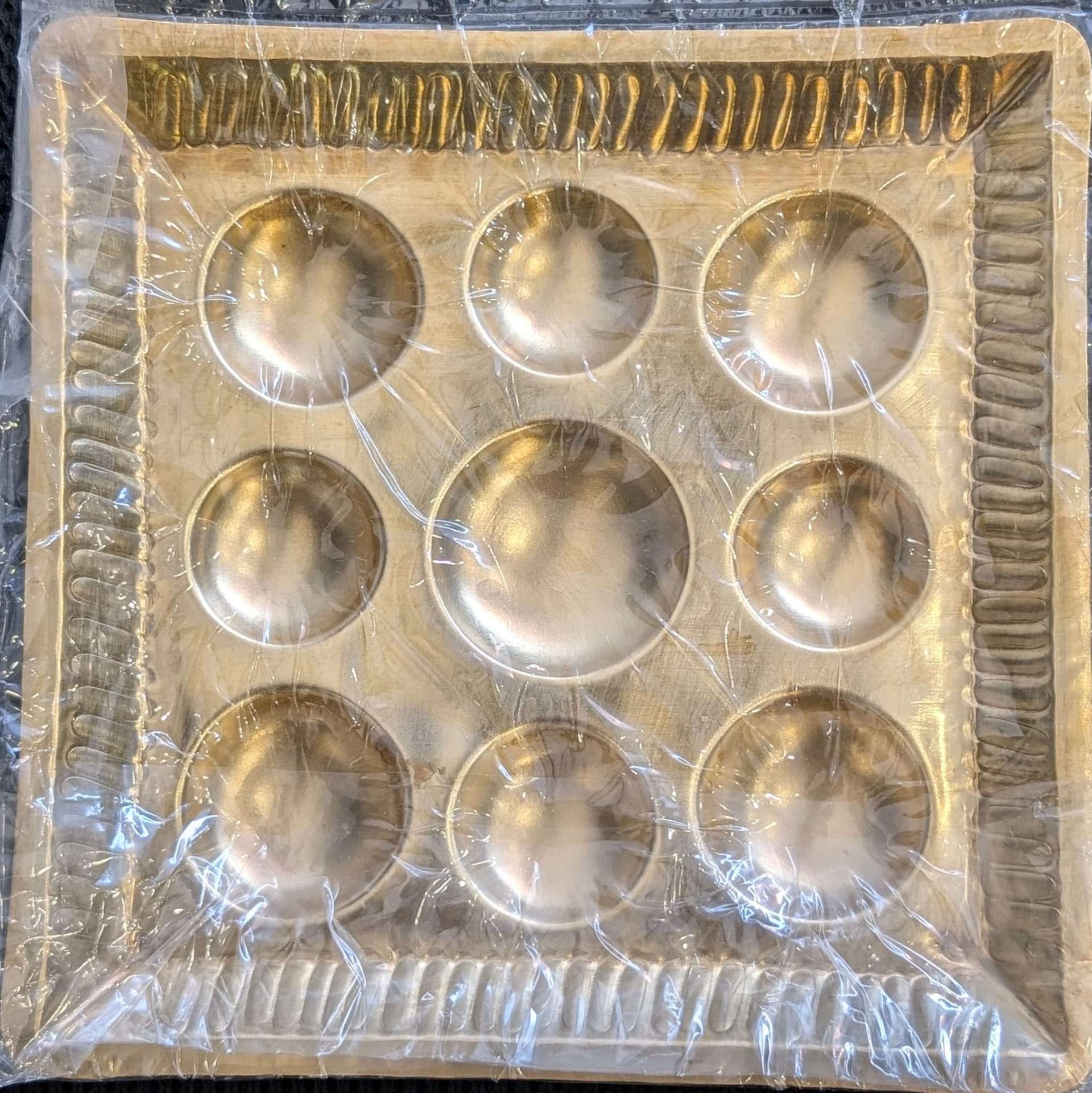
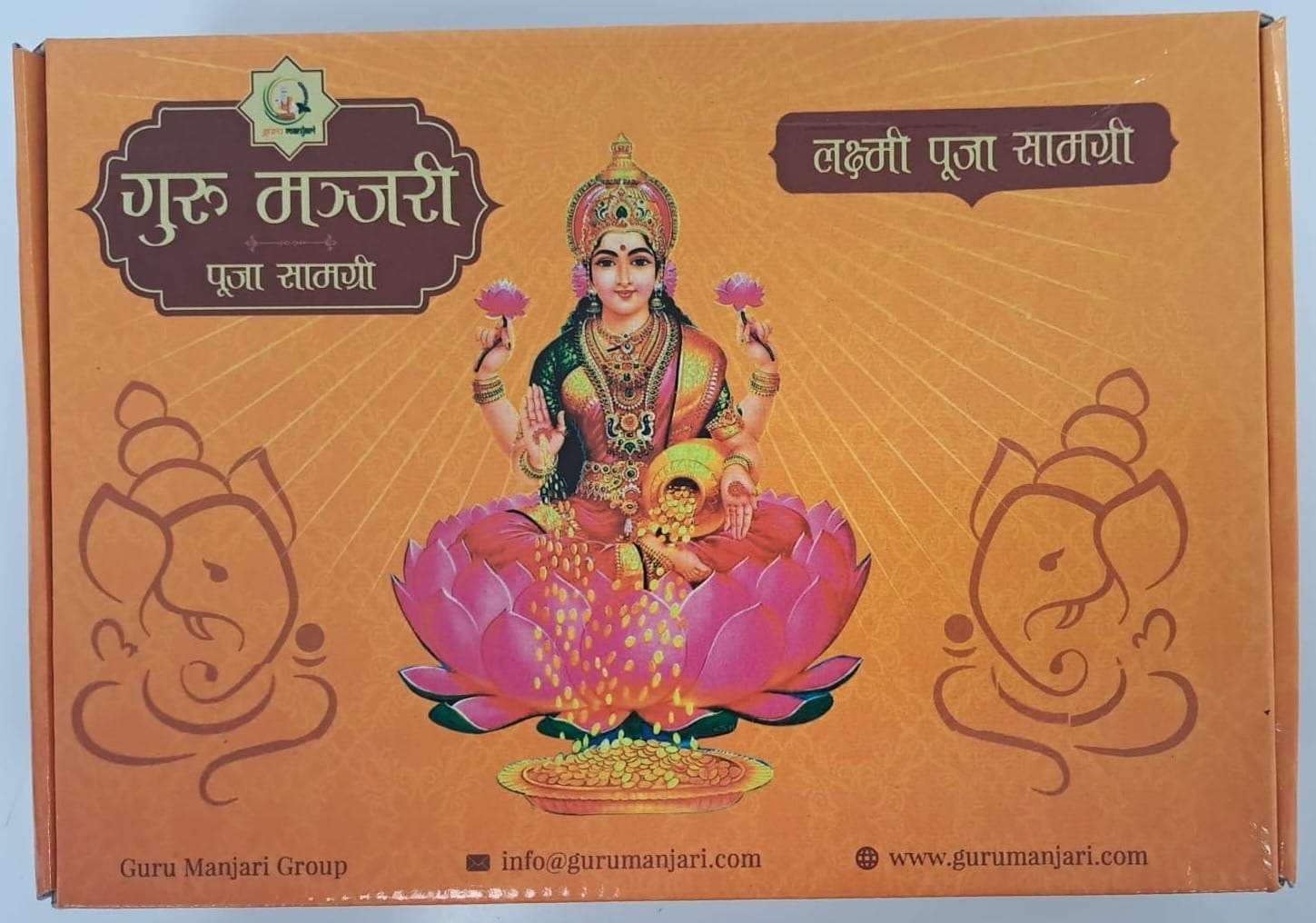
For the actual puja, most families use a proper thali to hold the tika, rice, flowers and offerings. A brass puja thali is the standard, and pairing it with a ready-made Laxmi puja samagri set saves you from realizing halfway through the ritual that you're missing three ingredients. Light a stick of dhoop alongside it and the room starts to smell exactly like it should.
Bhai Tika and the Foods That Close Out the Festival
The final day, Bhai Tika, is sisters blessing brothers with a seven-colour tika and a garland, in exchange for gifts and a promise of protection. It's also, unsurprisingly, another full feast: sel roti again, fruit, sweets, and often a full meal afterward that looks a lot like the everyday dal bhat most households eat, just with more dishes on the table.
By this point in the week most kitchens are running low on the basics too. If your rice, ghee, or spice stock got wiped out over five days of cooking, it's worth restocking your rice & flour shelf and your spices & masala before the next festival hits, since Nepal's calendar doesn't leave much of a gap between celebrations.
Getting Tihar Supplies Anywhere in Canada
Not every city has a Nepali grocery store, and even fewer have one that stocks diyo, sayapatri, and puja samagri sets in the same aisle as rice flour. Danphe Stores ships all of it out of our shop at 3634 East Hastings St in Vancouver, with standard delivery of $5 to $10 landing in 5 to 10 business days across all 10 provinces and 3 territories, and free shipping once your order passes $35 within central Metro Vancouver.
If you're local, same-day delivery in Metro Vancouver is available by calling 236-471-5891, which is genuinely useful the night before Laxmi Puja when you realize you're one diyo short. Everyone else, order early. Tihar has a fixed date and the postal system doesn't care that Laxmi is coming on Thursday.
Frequently asked questions
What is the most important food for Tihar?
Sel roti, without question. It's the one item that appears across almost all five days of the festival, served plain, with sagun, or alongside Bhai Tika sweets. If you're making it for the first time, start with a solid sel roti recipe and don't rush the frying oil temperature.
What goes on a sagun plate for Bhai Tika?
A traditional sagun plate has a boiled egg, dried meat or fish, fruit, sel roti, and something sweet, arranged around a tika. Many Nepali-Canadian families now include Indian rasgulla or barfi alongside sel roti since Nepali sweet shops aren't always nearby.
How many diyo do I need for Laxmi Puja?
It depends on your entryway, but most homes use a line of small diyo from the gate or front step up to the door, plus a few larger ones near the puja altar. A heavier diyo set burns more evenly outdoors than lightweight ones, which tip in the wind.
Can I get puja samagri shipped instead of assembling it myself?
Yes. A Laxmi puja samagri set bundles the 41 items a proper Laxmi Puja calls for, which is far easier than sourcing each one separately, especially if you're outside a major city.
Does Danphe Stores ship Tihar items across Canada?
Yes. Rice flour, diyo, sayapatri, puja thali and dhoop all ship from our Vancouver shop to all 10 provinces and 3 territories, usually in 5 to 10 business days. See our full Nepali & Indian grocery delivery page for shipping details by region.
What can I use instead of fresh marigold for Tihar decorations?
Dried or packaged sayapatri flower works well when fresh marigold isn't available locally, and it holds its colour and shape long enough to last through all five days of the festival.
Shop the pantry
Authentic Himalayan staples, delivered anywhere in Canada.
Keep reading
Nepali & Indian Grocery Delivery Across Canada
One Vancouver shop, one nationwide delivery run: real Nepali and Indian groceries shipped coast to coast.
Read the guideSel Roti Recipe: Sweet Rice-Flour Ring
Crispy outside, soft and springy inside: the sel roti ring that shows up at every Nepali Tihar table, made right in your own kitchen.
Read the recipeSel Roti at Home: Rice Flour, Ghee & the Ring
The whole secret to a good sel roti lives in the batter's texture, not a long ingredient list.
Read the guideDashain Foods: What Nepalis Cook for the Great Festival
Meat, sel roti, kheer and sukuti: the four dishes that make a Dashain table feel like home.
Read the guide