
Food & Nutrition Guides
Titaura & Paun: Nepal's Tangy Fruit Candy
If you grew up in Nepal, the words titaura and paun probably bring back a very specific memory: a crumpled foil packet, sticky orange fingers, and a sourness that made your whole face scrunch up. This guide breaks down what these fruit candies actually are, how they differ, and how to get them delivered anywhere in Canada.
By Bishnu Koirala · Founder & CEO
Published

On this page
What Exactly Are Titaura and Paun?
Titaura is Nepal's classic tangy-sweet-salty fruit candy, usually made from pulped fruit (most often lapsi, Nepal's hog plum) that's been cooked down with salt, sugar, and a hit of chili or timur before being dried or rolled into chewy discs, strips, or little balls.
Paun is a close cousin, and honestly the line between the two gets blurry depending on which region of Nepal you ask. Both are built on the same idea: intensely sour fruit, balanced with sweetness and salt, sometimes with a spicy edge from khursani or timur.
In Canada, you'll usually find the two sold together in one package, like the DRUKCAN Paun/Titaura, which packs both textures and flavours into a single 70gm pouch. That's the easiest way to try both at once and figure out which one you actually grew up eating.
The Lapsi Connection
Almost all titaura traces back to lapsi, the sour Himalayan hog plum that Nepalis turn into everything from achar to candy to powder. If you want the full backstory on the fruit itself, our lapsi guide covers where it grows and why Nepalis are so obsessed with its sourness.
Lapsi's natural tartness is exactly why it works so well as candy. It doesn't need artificial sour powder the way some Western candies do. The fruit itself is puckering, so the sugar and salt are there to round it out, not mask it.
If you'd rather cook with lapsi than snack on it, Lapsi Powder and Annapurna Lapsi Powder give you that same sour punch to stir into achar, chutneys, or even a quick homemade titaura paste if you're feeling ambitious.
Why Nepalis Are So Loyal to This Candy
Ask any Nepali abroad what they miss most and titaura comes up shockingly often, right alongside momo and chiya. It's tied to specific memories: school tiffin breaks, long bus rides, and that one aunty at the local pasal who always had a jar of it on the counter.
It's also a go-to for pregnancy cravings (the sour hits differently), for settling a slightly upset stomach, and for curbing motion sickness on winding mountain roads. None of that is medical advice, just decades of Nepali household wisdom.
The flavour profile also lines up with a lot of Nepali cooking generally: sour, salty, a little heat. If you're curious how that thread runs through the wider cuisine, our piece on Nepali cuisine's Indian and Tibetan influences is a good next read.
Titaura vs Rasilo vs Other Nepali Candies
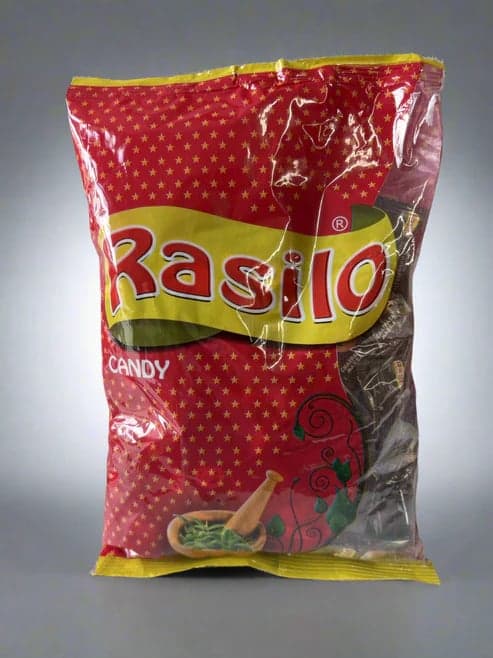
Titaura and paun aren't the only fruit candies on Nepali shelves. Rasilo Candy is another popular one, made in a similar sour-sweet style but with its own distinct chew and shape, and it's sold both as a small Rasilo Candy 6-pack for trying it out and a bulk Rasilo Candy 120-pack if you know you'll go through it fast (and you probably will).
The easiest way to think about it: titaura and paun lean more traditional, often homemade-style or from smaller Himalayan producers, while Rasilo has more of a packaged-candy bite. Both scratch the same itch if you're craving that sour-salty-sweet combination.
For a wider lineup of Nepali packaged snacks worth pairing with your candy stash, browse the candy and snacks categories, or read up on dalmoth and furandana if you want something savoury to balance out the sweetness.
How to Eat Titaura and Paun
There's no real technique required here. Most people just tear open the packet and eat it straight, letting the sourness hit first and the salt and sugar settle in after.
Some people like to pair it with chiya (Nepali milk tea), letting the sour candy cut through the sweetness of the tea. Others eat it as a palate cleanser after a heavy dal bhat meal.
It also shows up around Tihar and other festival gatherings as a nostalgic treat passed around alongside sel roti and other sweets. If you're planning a festival spread, our Tihar foods guide has more on what typically makes the table.
Getting Titaura and Paun in Canada
Titaura isn't something you stumble across at a regular Canadian grocery store. It usually has to come from a store that actually stocks Himalayan and Nepali brands, which is a smaller list than you'd think even in a city like Vancouver.
We carry titaura, paun, and lapsi products at our shop on East Hastings in Vancouver, and we ship them out across all 10 provinces and 3 territories, so whether you're in Surrey or Winnipeg or St. John's, a jar of titaura is a few days away.
For everything else on the sour-tangy Nepali achar shelf, from lapsi to akabare khursani, our Nepali and Indian grocery delivery across Canada hub is the best starting point to see what's currently in stock and shippable to your door.
Frequently asked questions
What's the actual difference between titaura and paun?
They're both sour-sweet-salty fruit candies, usually lapsi-based, and the terms overlap a lot depending on region and brand. Many Canadian packages, like the DRUKCAN Paun/Titaura, simply sell them together as one product with mixed pieces of both styles.
Is titaura spicy?
Some batches have a mild chili or timur kick, but most of the sensation is sourness and salt rather than heat. If you want the true fiery version of Nepali flavour, that's more the territory of akabare khursani than titaura.
Can I make something like titaura at home?
You can get close using Lapsi Powder or Annapurna Lapsi Powder mixed with a bit of sugar, salt, and chili, though the texture won't fully match commercially rolled candy. For an easier shortcut, DRUKCAN Sweet Lapsi Achar gives you that same lapsi sweetness in spoonable form.
Is titaura vegetarian and vegan?
Yes, titaura and paun are fruit-based candies with no animal ingredients, making them safe for vegetarian and vegan diets. Always check the specific product label for your brand, since additives can vary.
How should I store titaura once it's opened?
Keep it in a sealed container or resealed pouch at room temperature, away from humidity. It's shelf-stable for a good while thanks to the sugar and salt content, but it can dry out or harden if left open too long.
Do you ship titaura outside British Columbia?
Yes. We ship titaura, paun, and other Nepali candy nationwide to all 10 provinces and 3 territories, usually within 5-10 business days, with free shipping in central Metro Vancouver on orders over $35. Same-day delivery is available in Metro Vancouver by calling the store directly.
Shop the pantry
Authentic Himalayan staples, delivered anywhere in Canada.
Keep reading
Nepali & Indian Grocery Delivery Across Canada
One Vancouver shop, one nationwide delivery run: real Nepali and Indian groceries shipped coast to coast.
Read the guideLapsi (Nepali Hog Plum): Achar, Candy & Powder
Nepal's favourite sour-tangy fruit, sold as achar, candy and powder, shipped anywhere in Canada.
Read the guideAkabare Khursani: Nepal's Fiery Cherry Pepper
Small, round, and shockingly hot: akabare khursani is the cherry-shaped chilli that gives Nepali achar its kick.
Read the guideDalmoth & Furandana: Nepali Namkeen Explained
Dalmoth and furandana are the two namkeen every Nepali household keeps in a tin, and here is exactly what makes them different.
Read the guide