
Recipes
Sel Roti Recipe: Sweet Rice-Flour Ring
Sel roti is the sweet, ring-shaped rice bread that lands on every Nepali table during Tihar and Dashain. It looks like it needs a wood-fired kitchen and a grandmother's hands, but with the right rice flour and a steady oil temperature, you can fry a batch tonight.
By Bishnu Koirala · Founder & CEO
Published
On this page
What Sel Roti Actually Is
Sel roti is a slightly sweet, deep-fried rice bread shaped like a thick ring, somewhere between a doughnut and a rice pancake. The outside turns golden brown and a little crisp, the inside stays soft, springy, and faintly chewy from the rice flour batter.
It is the signature food of Tihar, Nepal's festival of lights, though families make it for Dashain foods and weddings too. If you have read our sel roti ingredients guide, you already know rice flour is non-negotiable here: wheat flour will not give you that texture.
For newcomers to Nepali cooking, sel roti sits alongside dishes like dal bhat as one of the dishes every household makes slightly differently. There is no single “correct” recipe, just a correct texture to aim for.
Ingredients
The base is simple: rice flour soaked or mixed into a batter, sweetened with sugar, and fried in hot oil until it puffs and browns. Everything else is seasoning and texture.
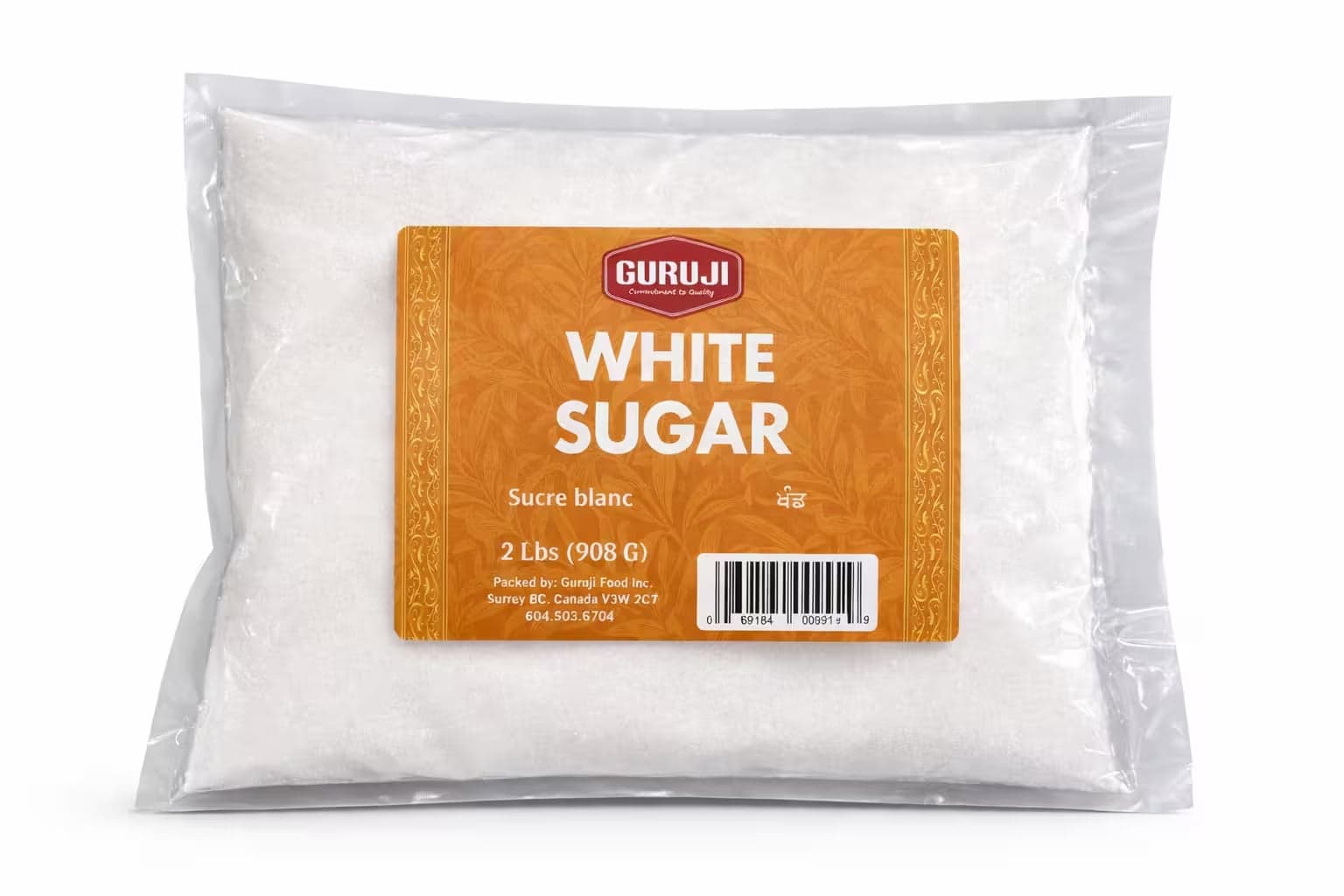
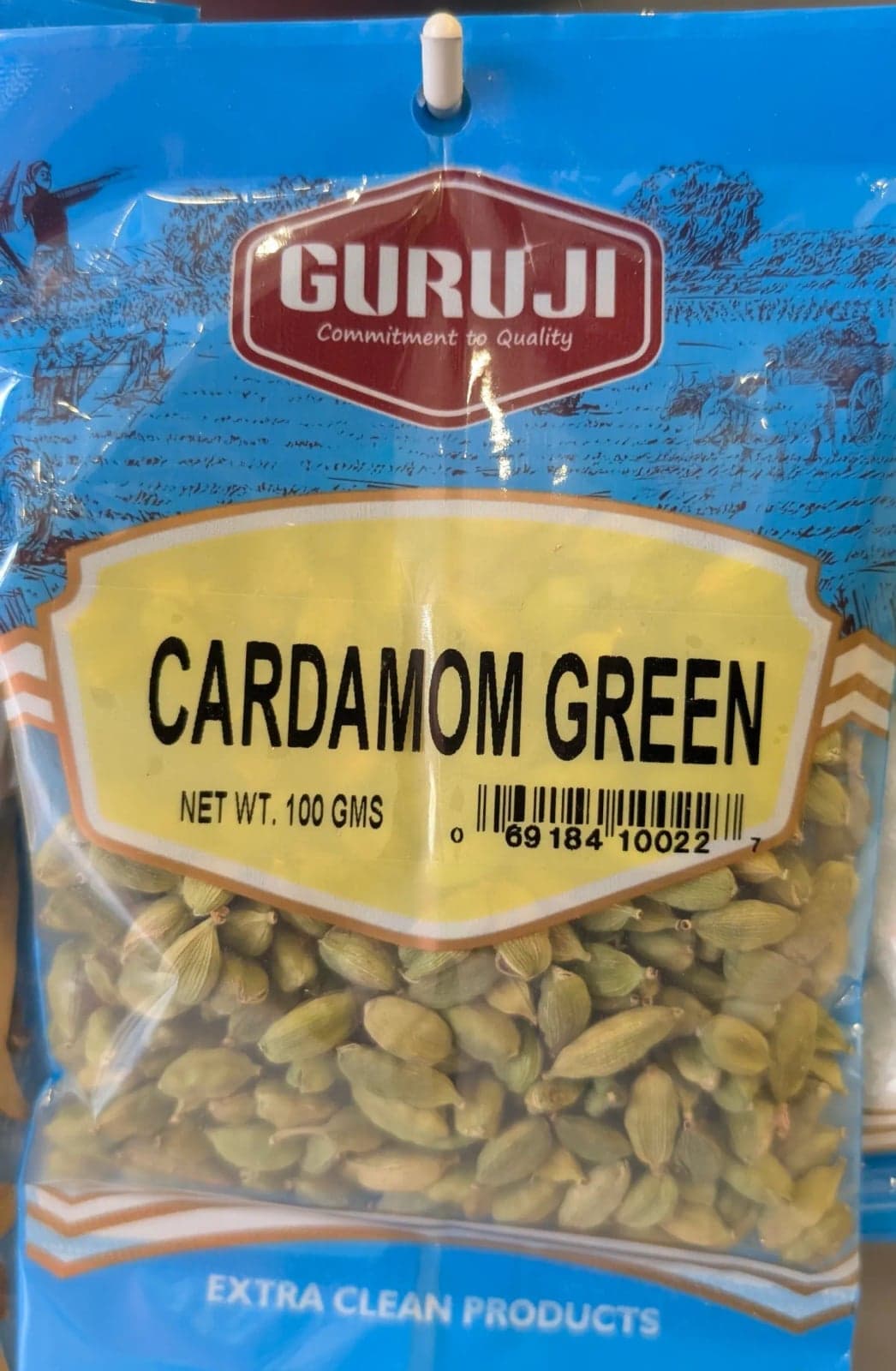
You will need: 2 cups rice flour, 3⁄4 cup white sugar (adjust to taste), 1 ripe banana (mashed, for softness and lift), 1⁄2 cup milk, 1⁄2 cup water (approximately, added gradually), 1⁄2 tsp ground green cardamom, a pinch of salt, and oil for deep frying.
A small handful of sooji (semolina) mixed into the batter is an old trick some households use for a slightly firmer ring that holds its shape better in hot oil. It is optional, but worth trying on your second batch once you have the basic method down.
For the cardamom, we always reach for whole green cardamom and grind it fresh just before mixing. The flavour fades fast once cardamom is pre-ground, and sel roti has so few ingredients that every one of them needs to pull its weight.
For frying, a neutral oil with a high smoke point works best. We use sunflower oil at home because it holds steady heat without smoking or adding its own flavour to the ring. If you want the flavour some grandmothers swear by, a splash of khokana mustard oil blended into the frying oil brings a background nuttiness, though it is not traditional in every household.
Method: Step by Step
1. Mash the banana thoroughly in a large bowl until no lumps remain. This is what gives sel roti its lift and softness, so do not skip it or rush it.
2. Whisk in the sugar, cardamom, and a pinch of salt until the banana loosens into a wet paste.
3. Add the rice flour gradually, alternating with milk and water, whisking as you go. You are aiming for a batter thicker than pancake batter but thin enough to pour in a steady ribbon, roughly the consistency of a thick crepe batter.
4. Cover the batter and rest it for at least 30 minutes (some cooks rest it overnight in the fridge). This lets the rice flour hydrate fully, which is the difference between a sel roti that is soft all the way through and one that is gritty in the middle.
5. Heat oil in a wide, deep pan or wok to medium heat, around 325–350°F. Test with a drop of batter: it should sizzle gently and rise within a few seconds, not violently and not slowly.
6. Pour the batter into the oil in a ring, either free-hand from a height using your fingers to control the stream, or through a squeeze bottle or funnel with your thumb over the opening. Traditionally this is done by hand, and it takes a few tries to get a clean ring.
7. Fry until the underside turns golden brown, then carefully flip once and fry the second side. Total frying time is usually 2–3 minutes per ring depending on thickness.
8. Lift out with a slotted spoon and drain on a rack or paper towel. Let the rings cool slightly before stacking, they firm up as they cool.
Getting the Texture Right
The most common sel roti mistakes are batter that is too thin (rings spread out flat and turn greasy) or oil that is too hot (the outside burns before the inside cooks). Both are fixable by slowing down: rest the batter longer, and drop the oil temperature a notch if your rings are browning in under a minute.
If your rings come out dense rather than airy, your batter may be too thick, or the rice flour did not rest long enough to hydrate. Compare notes with our besan vs maida vs rice flour guide if you are unsure which flour you actually have in the pantry, since the wrong bag will never fry up right no matter how careful your technique is.
Some households add a spoon of chiura (beaten rice) soaked and blended into the batter for extra chew. It is a regional variation, not a requirement, but worth trying if you want a denser, more rustic sel roti.
Serving and Storing
Sel roti is best eaten the day it is fried, still faintly warm, alongside aloo ko achar or a bowl of tarkari. During Tihar it is also part of the sagun plate along with sweets, as covered in our Tihar foods guide.
It keeps well at room temperature in an airtight container for 2–3 days, and freezes nicely for up to a month. Reheat briefly in a dry pan or toaster oven to bring back some of the crisp edge, rather than the microwave, which softens it too much.
If you are shipping ingredients in rather than shopping in person, everything above ships from our nepali and Indian grocery delivery across Canada, so you can have rice flour, sugar, and cardamom on your counter within the week no matter which province you are cooking in.

Frequently asked questions
Can I make sel roti without a banana?
Yes, some recipes skip it entirely and rely on rice flour, sugar, and a longer batter rest for structure. The banana adds natural sweetness and a softer crumb, but if you are out of one or avoiding it, just add a touch more sugar and rest the batter a bit longer to compensate.
Why did my sel roti turn out flat instead of ring-shaped?
Your batter is almost certainly too thin. It should coat the back of a spoon in a thick ribbon. Thin batter spreads out in the hot oil before it has a chance to set into a ring, so add a little more rice flour and re-test with a small spoonful before frying the rest.
What rice flour should I use for sel roti?
A fine, plain rice flour made specifically for baking and batters works best, not the coarser flour sometimes used for savoury dishes. Check our best basmati rice guide if you are also stocking up on rice for dal bhat while you are at it, since the two products are easy to mix up on a grocery run.
Is sel roti the same as a doughnut?
Not quite. Both are fried, ring-shaped, and lightly sweet, but sel roti is made from a rice flour batter rather than a yeasted wheat dough, so it is naturally gluten-free and has a denser, chewier bite than a Western doughnut.
Can I ship rice flour and cardamom to other provinces in Canada?
Yes. Danphe Stores ships nationwide to all 10 provinces and 3 territories, typically 5–10 business days, with free delivery on orders over $35 in central Metro Vancouver. Order rice flour, sugar, and cardamom together and they will arrive as one shipment.
What do I eat sel roti with?
Traditionally it is paired with a spicy potato salad like aloo ko achar, meat curry, or simply on its own with tea. It also shows up on festive platters next to items covered in our Newari cuisine guide.
Shop the pantry
Authentic Himalayan staples, delivered anywhere in Canada.
Keep reading
Nepali & Indian Grocery Delivery Across Canada
One Vancouver shop, one nationwide delivery run: real Nepali and Indian groceries shipped coast to coast.
Read the guideSel Roti at Home: Rice Flour, Ghee & the Ring
The whole secret to a good sel roti lives in the batter's texture, not a long ingredient list.
Read the guideTihar (Deepawali) Foods: Sel Roti, Sweets & Sagun
From the first oil-soaked ring of sel roti to the last lit diyo on Laxmi Puja night, here is everything Tihar asks of a Nepali kitchen, shipped anywhere in Canada.
Read the guideDashain Foods: What Nepalis Cook for the Great Festival
Meat, sel roti, kheer and sukuti: the four dishes that make a Dashain table feel like home.
Read the guide