
Recipes
Samay Baji: The Newari Festive Platter
Samay baji is the Kathmandu Valley's most iconic ceremonial plate, built around beaten rice, spiced meat and a scatter of small bites that all hit the table at once. Here's how a Newari household assembles it, and where to find every ingredient in Canada.
By Bishnu Koirala · Founder & CEO
Published
On this page
What Is Samay Baji?
Samay baji is a Newari ceremonial plate from the Kathmandu Valley, and calling it just a snack undersells it badly. It's closer to a ritual meal: flattened rice as the base, a fistful of spiced meat, a boiled egg, roasted soybean, potato achar and a shot of aila (rice liquor) if the occasion calls for it.
You'll see samay baji at weddings, bratabandha ceremonies, Newari feasts (bhoj) and pretty much any gathering where a family wants to honor a guest properly. It's less a recipe with fixed proportions and more a template: everyone's plate gets built from the same handful of components, arranged however the cook likes.
If you want the wider picture of where this dish sits in Newari food culture, our guide to Newari cuisine, unlike any other walks through the other staples of the Kathmandu Valley table.
Ingredients You'll Need
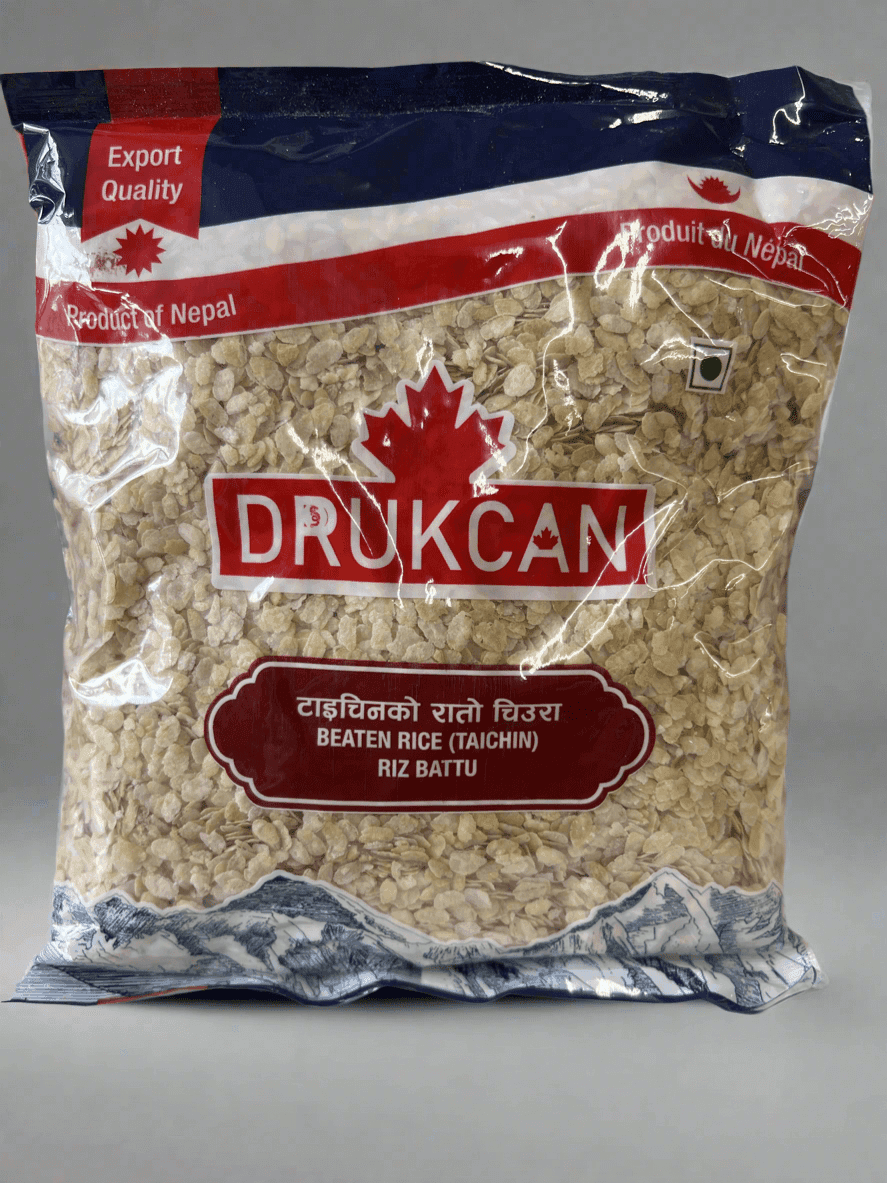
The base is beaten rice, called chiura, and you have a choice between two colors. Rato Chiura is the reddish, unpolished version made from parboiled rice, with a chewier bite and more flavor. Seto Chiura is the white, softer version that most households actually keep on hand day to day.
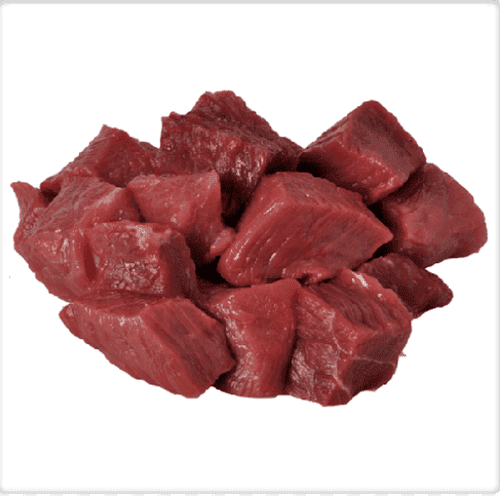
For the choila (the spiced grilled meat), buffalo is the traditional Newari choice. Buffalo Stew Cube Meat grills up well once you flatten and char it, then toss it in mustard oil, chili and timur. Speaking of which, don't skip Timur (Sichuan Pepper): that tingly, citrusy numbness is what makes choila taste like choila and nothing else.
For the fat, use Roasted Mustard Oil. It's already toasted to remove the raw pungency, so it goes straight into the marinade without a separate smoking step.
For the soybean side, you can go two ways. Soak and boil Black Soybean yourself and season it at home, or keep a bag of Roasted Spicy Bhatmas around for a shortcut that's honestly just as good on a busy weeknight.
You'll also want a boiled egg per plate, potato achar, and a small pile of gundruk or a fermented nugget or two if you're going deep on tradition. Our Maas ko Masyaura guide covers those fermented black gram nuggets if you haven't cooked with them before.
How to Assemble Samay Baji
1. Toast the chiura. Dry-roast a cup or two of chiura in a pan for a minute or two until it smells nutty. This isn't strictly required but it wakes the rice flakes up.
2. Grill and season the choila. Cube the buffalo meat, char it over high heat (a cast-iron pan works fine indoors), then chop it small and toss with mustard oil, garlic, ginger, chili powder, timur and chopped green onion. Let it sit for at least 20 minutes so the flavors settle in.
3. Boil the eggs and soybean. Hard-boil one egg per plate. Soak black soybean overnight, then boil until tender and season with a little salt, chili and mustard oil, or just open a bag of roasted bhatmas if you're short on time.
4. Make or open your achar. A quick potato achar (aloo ko achar) with mustard oil, sesame and lemon is the classic side. If you want the full method, our aloo ko achar recipe has the exact steps.
5. Plate it all together. Mound the chiura in the center, then arrange choila, egg (halved), soybean, achar and any pickles around it in small piles. Nothing gets mixed together; each bite is its own combination.
The Chiura Base: Rato vs Seto
Newar households genuinely argue about which chiura belongs on a proper samay baji plate. Rato chiura, the reddish parboiled version, is the more traditional and more flavorful pick for a festive spread, with a slightly firmer chew that holds its own next to the meat and achar.
Seto chiura is milder and softer, and it's what a lot of families use for everyday meals or when serving kids. Neither is wrong. If you're cooking for a proper bhoj or festival, lean rato; if it's a casual family dinner, seto works fine.
We wrote a full breakdown of the two, including how to cook with each, in Chiura: Rato vs Seto.
Choila: The Protein Centerpiece
Choila is arguably the reason people show up for samay baji. It's grilled or smoked meat, traditionally buffalo, hand-chopped and tossed in a hot mustard-oil marinade loaded with garlic, ginger, chili and timur.
The key is charring the meat first, not boiling it. You want smoky edges before the spices go on. If you want the exact marinade ratios and grilling method, our choila recipe walks through it step by step.
Some households swap in dried meat instead of fresh, especially outside Nepal where fresh buffalo can be harder to plan around. If that's you, our sukuti (Nepali dried meat) guide explains how to rehydrate and season it so it still reads as choila.
When Newars Serve Samay Baji
Samay baji shows up constantly through the Newari festival calendar. It's a fixture at Dashain gatherings, appears again around Tihar, and is essentially mandatory at Newari weddings and bhoj, where it's often the very first plate served to guests as a welcome.
It also turns up at bratabandha (the boys' coming-of-age ceremony), ihi (a Newari girls' ritual), and Yomari Punhi. In each case, the components stay roughly the same; only the scale changes, from a small plate for one guest to trays feeding a hundred people at a feast hall.
Frequently asked questions
What does samay baji actually mean?
Samay baji translates roughly to “refreshment baji,” with baji meaning beaten rice in Newari. In practice it refers to the whole ceremonial platter, not just the rice.
Can I make samay baji vegetarian?
Yes. Drop the choila and egg, and lean harder on soybean, potato achar, gundruk and fried items. Roasted black soybean alone carries a lot of the protein and flavor weight when meat isn't on the plate.
What can I use instead of buffalo meat for choila?
Goat, chicken or even mushroom all work as substitutes, though buffalo is the traditional choice. The marinade of mustard oil, garlic, ginger, chili and timur is what carries the choila flavor regardless of the protein.
Is chiura the same as poha or flattened rice?
It's the same category of flattened rice, but Nepali chiura is typically a coarser, thicker flake than Indian poha, and it's eaten raw or lightly toasted rather than cooked into a dish.
Do I need aila (rice liquor) to serve samay baji properly?
No, it's traditional at adult gatherings but entirely optional. Plenty of households serve samay baji with tea or nothing at all, especially for family meals.
Can I order everything for samay baji online in Canada?
Yes. Danphe Stores ships chiura, soybean, mustard oil, timur and meat across all of Canada, so you can put together a full samay baji plate wherever you live. See our Nepali & Indian grocery delivery across Canada guide for delivery details by province.
Shop the pantry
Authentic Himalayan staples, delivered anywhere in Canada.
Keep reading
Newari Cuisine: The Most Fascinating Food Tradition You’ve Never Heard Of
Samay baji, kachila, sapu mhicha, yomari — the food of the Kathmandu Valley’s Newar people is unlike any other cuisine on earth. A non-Newar’s honest fascination with it.
Read the guideChoila Recipe: Newari Spiced Grilled Meat
Smoky grilled meat, a sizzling mustard oil tarka and the tingle of timur: this is choila the way Newari kitchens actually make it.
Read the recipeChiura (Beaten Rice): Rato vs Seto & How to Use
Rato or seto? Here's how Nepal's two beaten rices differ and what to do with a bag of either.
Read the guideBhatmas Sadeko Recipe: Spiced Soybean Snack
Crunchy roasted black soybean tossed with onion, timur and mustard oil, Nepal's favourite tea-time nibble made in twenty minutes.
Read the recipe