
Food & Nutrition Guides
Chiura (Beaten Rice): Rato vs Seto & How to Use
Chiura, flattened rice you never have to cook, sits in nearly every Nepali pantry in Canada. This guide breaks down rato (red) versus seto (white) chiura, how each is made, and the dozen simple ways Nepalis actually eat it.
By Bishnu Koirala · Founder & CEO
Published
On this page
| Rato Chiura (Red) | Seto Chiura (White) | |
|---|---|---|
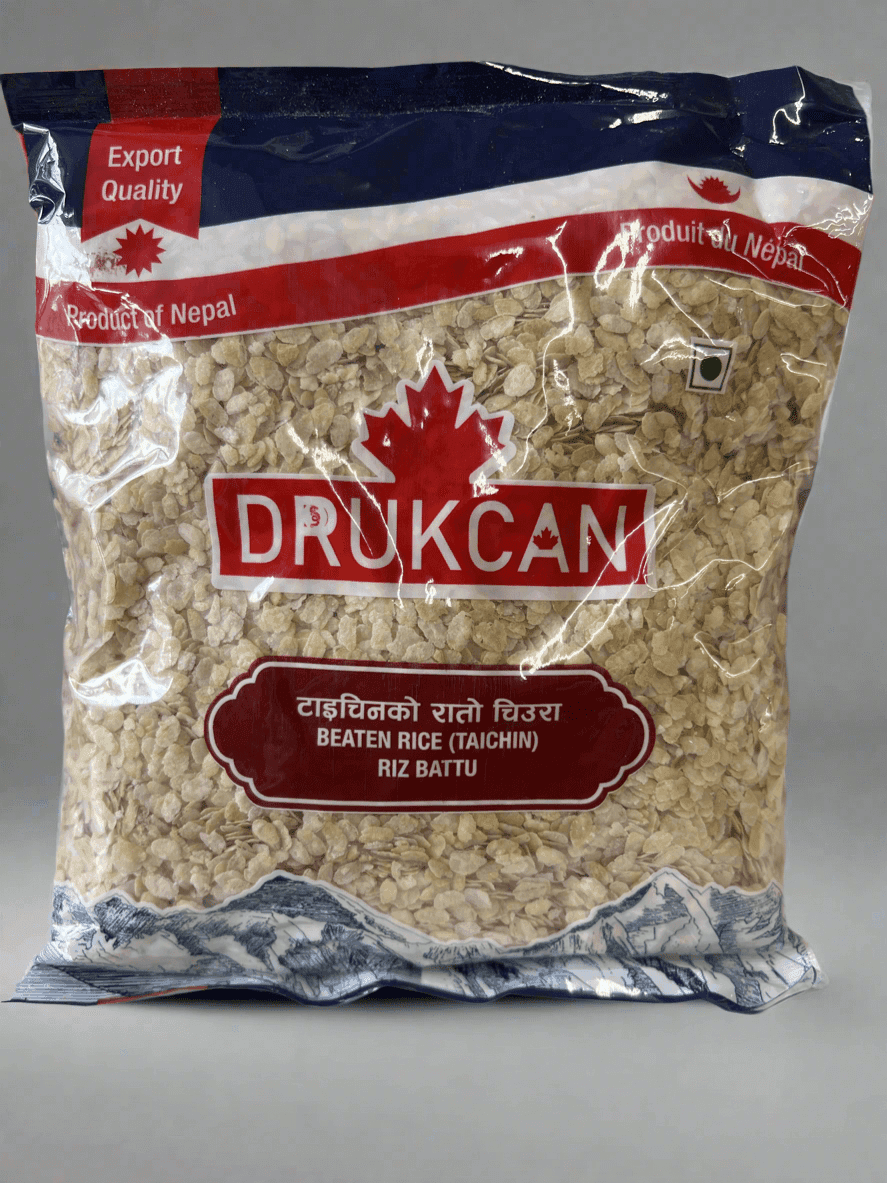
| Rice used | Made from red (unpolished) paddy, often a Taichin-style variety | Made from white, polished rice like standard Bhaktapur-style paddy |
| Colour & look | Dusty pink-brown flakes, slightly coarser | Pale cream flakes, softer and more uniform |
| Texture when soaked | A touch chewier, holds its bite a little longer | Softens faster, almost melts once wet |
| Flavour | Earthier, nuttier, closer to brown rice | Milder and slightly sweeter |
| Classic pairing | Sukuti sadeko, achar, tea with milk (chiya) | Dahi (yogurt), sugar, ghee, or a simple bhuja mix |
| Where it's loved | Common across the hills and among Newar households | Everyday choice in Kathmandu Valley kitchens and Tarai homes |
| Nutrition note | Less processed, a bit more fibre since the bran stays on | Lighter on the stomach, easier for kids and elders to digest |
What Chiura Actually Is
Chiura is rice that has been parboiled, then pounded or rolled flat and dried, so the grain turns into a thin flake instead of a round kernel. In English it is usually called beaten rice or flattened rice, and if you have shopped at an Indian store you may know a cousin of it as poha.
The whole point of chiura is that it needs no stove. Soak it in water, milk, or tea for a minute or two and it is ready to eat, which is exactly why it became the go-to travel food, festival snack, and quick breakfast across Nepal.
Almost every bag on the shelf falls into one of two camps: rato (red) or seto (white). The name refers to the rice it started as, not any dye or added colour.
Rato Chiura: The Red One
Rato chiura is beaten from red, less-polished paddy, so the bran stays closer to the grain and gives the flakes their dusty pink-brown tint and a slightly nuttier taste. Our Taichin Rato Chiura is the version most Nepali-Canadian kitchens reach for first.
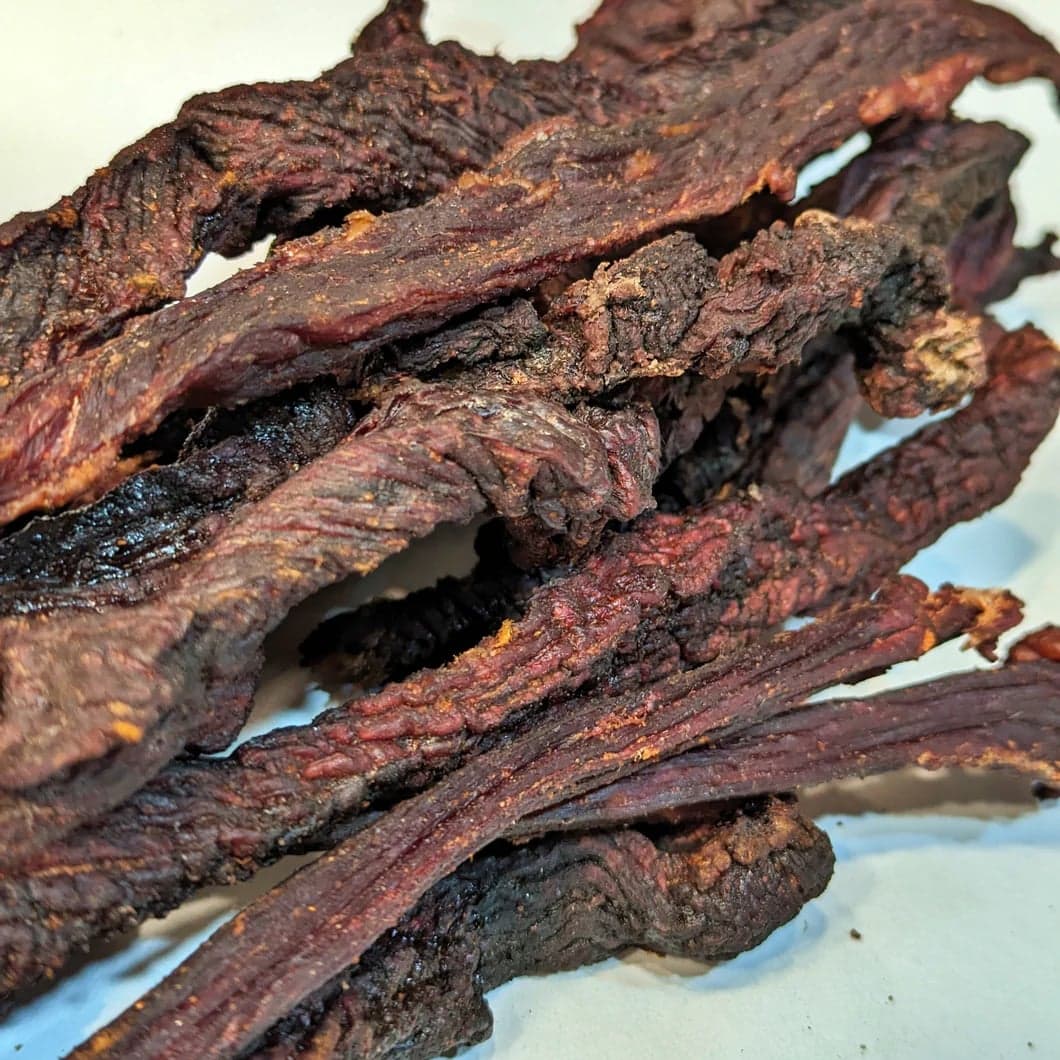
It holds its shape a bit longer once soaked, which is why it is the traditional partner for sukuti sadeko made with buff sukuti: the chewiness of the chiura balances the spicy, dried-meat salad instead of turning to mush next to it.
Rato chiura also shows up heavily during Dashain, where a plate of chiura, sukuti, and achar is practically a national snack in its own right.
Seto Chiura: The White One
Seto chiura comes from white, polished rice, so it is lighter in colour, softer in texture, and a little sweeter on its own. Our Bhaktapure Seto Chiura is the everyday, family-friendly bag.
Because it softens so quickly, seto chiura is the one people mix with dahi (yogurt), warm milk, or a spoon of brown sugar for a five-minute breakfast that even small kids and older parents can manage easily.
During Tihar, seto chiura often appears on the sagun plate alongside sweets, since its plain, gentle flavour plays well with anything sugary sitting next to it.
How to Use Either One
The base method never changes: put a handful of chiura in a bowl, cover it with water, milk, or hot Tokla Gold Tea, and let it sit two to three minutes until it turns soft. Drain any extra liquid and it is ready.
For a savoury snack, top soaked or even dry chiura with Ranga ko Achar, a chopped onion, a green chili, and a squeeze of lemon. This is the classic street-style chiura ra achar you will see at almost any Nepali gathering.
For something sweeter, soak seto chiura in warm milk with a spoon of sugar and a pinch of cardamom, closer to a lighter, faster cousin of kheer. It also travels well dry, which is why it has always been the snack Nepalis pack for long bus rides and treks.
Buying and Storing Chiura in Canada
Both chiuras keep for months in a sealed bag as long as they stay dry, so it is worth grabbing one of each rather than debating which to buy. Store it away from moisture and it will not clump or go stale quickly.
If you are new to the wider Nepali-Indian rice & flour aisle, our guide to Nepali vs Indian groceries is a useful starting point for telling similar-looking staples apart.
We ship both rato and seto chiura, along with sukuti, achar, and tea, from our Vancouver shop to every province and territory in Canada. See the full picture of how that works in our guide to Nepali & Indian grocery delivery across Canada.
Frequently asked questions
Is chiura the same as poha?
They are close cousins. Poha, common in Indian cooking, is also flattened rice, but Nepali chiura is typically eaten raw or lightly soaked rather than tempered and fried the way poha usually is.
Which is healthier, rato or seto chiura?
Rato chiura keeps a bit more of the bran, so it carries slightly more fibre and a nuttier nutritional profile, similar to how brown rice compares to white. Seto chiura is lighter and easier to digest, which is why it is often given to kids or elders.
Do I need to cook chiura?
No. That is the entire appeal. Just soak it briefly in water, milk, or tea until it softens, then drain and eat. It is one of the fastest foods in Nepali cooking.
What do Nepalis usually eat chiura with?
The two most common combinations are chiura with sukuti and achar for a savoury snack, or chiura with dahi and sugar for a quick sweet breakfast. Both pairings show up constantly at festivals like Dashain and Tihar.
Can I buy chiura outside Vancouver in Canada?
Yes. We ship both the Taichin rato chiura and the Bhaktapure seto chiura from our Hastings Street shop to all 10 provinces and 3 territories, usually within 5 to 10 business days, with same-day options for Metro Vancouver.
How long does chiura last once opened?
Kept sealed and dry, an opened bag stays good for a few months. Moisture is the only real enemy, so reseal it tightly after each use.
Shop the pantry
Authentic Himalayan staples, delivered anywhere in Canada.
Keep reading
Nepali & Indian Grocery Delivery Across Canada
One Vancouver shop, one nationwide delivery run: real Nepali and Indian groceries shipped coast to coast.
Read the guideSukuti (Nepali Dried Meat): Buff & Mutton Jerky
Sukuti is Nepal's smoky, sun-dried answer to jerky, and once you know buff from mutton, you will never look at a snack aisle the same way again.
Read the guideBuff vs Mutton Sukuti: Which Jerky to Choose
Buff sukuti is earthy and lean, mutton sukuti is richer and pricier: here's how to pick the right jerky for your next batch of sadeko.
Read the guideSukuti Sadeko Recipe: Spicy Dried-Meat Salad
Smoky buff sukuti tossed with mustard oil, timur and green chili: the tangy Nepali bar snack that turns any evening into a gathering.
Read the recipe