
Food & Nutrition Guides
Kheer Rice: Making Nepali & Indian Rice Pudding
Kheer is the rice pudding that shows up at every Nepali and Indian celebration, from Dashain to a wedding bhoj. The secret is not a fancy technique, it is starting with the right rice. Here is how we make it at home, and where to get every ingredient shipped across Canada.
By Bishnu Koirala · Founder & CEO
Published
On this page
What Is Kheer Rice, Exactly?
Kheer rice is a short-grain, starchy rice bred to do one job well: break down slowly in simmering milk until it thickens the whole pot into a soft, creamy pudding. It is not the same rice you would cook alongside a curry for an everyday meal.
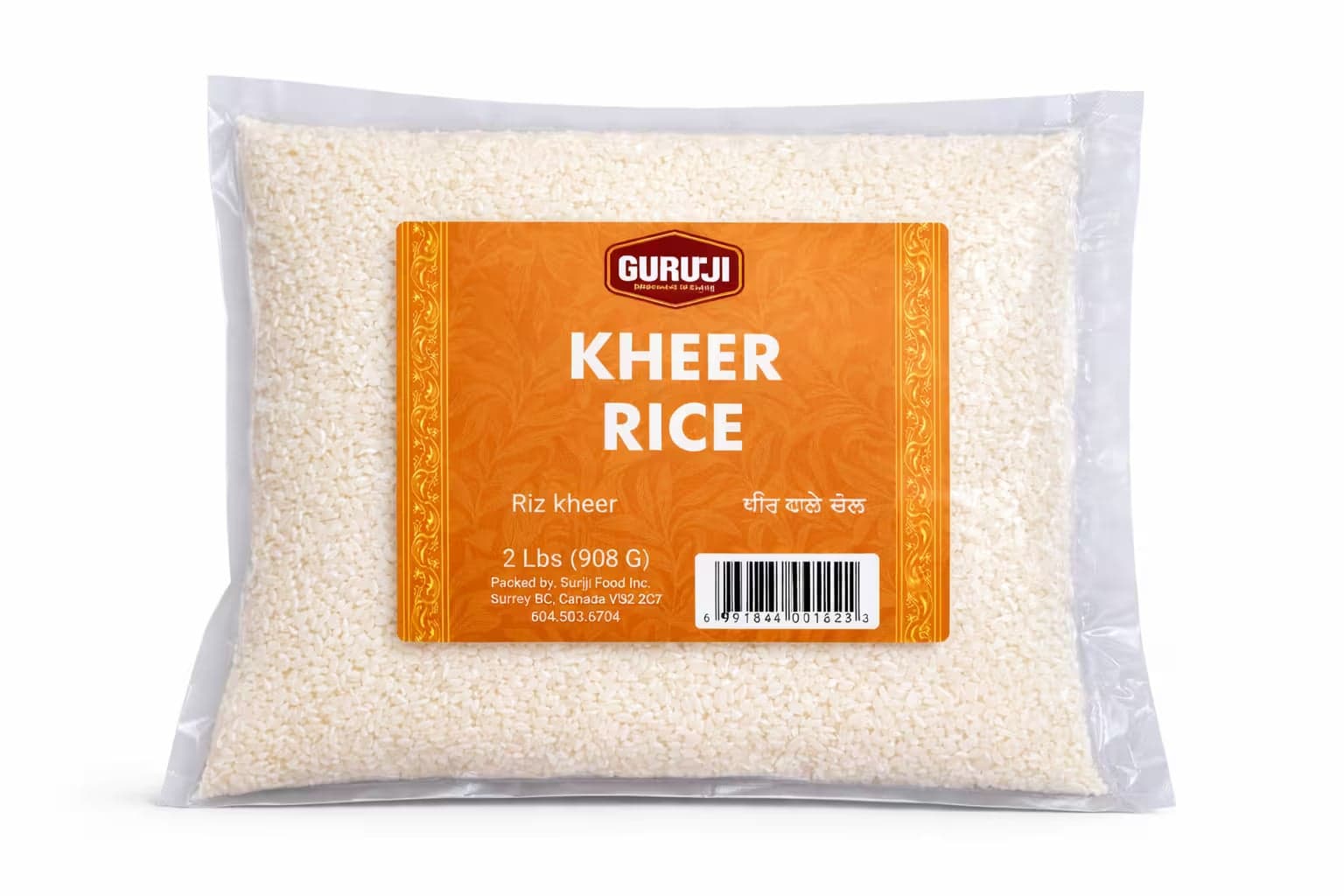
Regular long-grain rice stays separate and firm no matter how long you cook it, which is exactly wrong for kheer. Our Kheer Rice - 2lbs is milled specifically to release starch as it cooks, so the milk goes velvety on its own without needing cornstarch or condensed milk as a crutch.
If you have only ever cooked with basmati rice, kheer rice will feel different in your hand: shorter grains, slightly chalky, almost like a mini Arborio. That texture is the whole point.
Kheer Rice vs Basmati: Which Should You Use?
You can technically make kheer with basmati, and plenty of families do, especially with aged rice that has a lower moisture content. The result is fragrant but a bit looser, with grains that stay more distinct.
For the classic thick, spoon-coats-the-back texture you get from a Nepali or Punjabi household, dedicated kheer rice wins. If you want to understand why aged, low-starch grains behave so differently in a pot, our notes on how to cook basmati rice explain the science.
Our advice: keep a bag of proper kheer rice in the pantry next to your everyday basmati. They are not interchangeable, they are two different tools.
The Classic Method, Step by Step
Rinse half a cup of kheer rice until the water runs mostly clear, then let it soak for 15 to 20 minutes. This softens the grain so it breaks down faster once it hits the milk.
Bring a litre of whole milk to a gentle boil in a heavy-bottomed pot, then drop the heat low. Add the drained rice and let it simmer, stirring often so nothing catches on the bottom, for 30 to 40 minutes until the mixture has reduced and thickened noticeably.
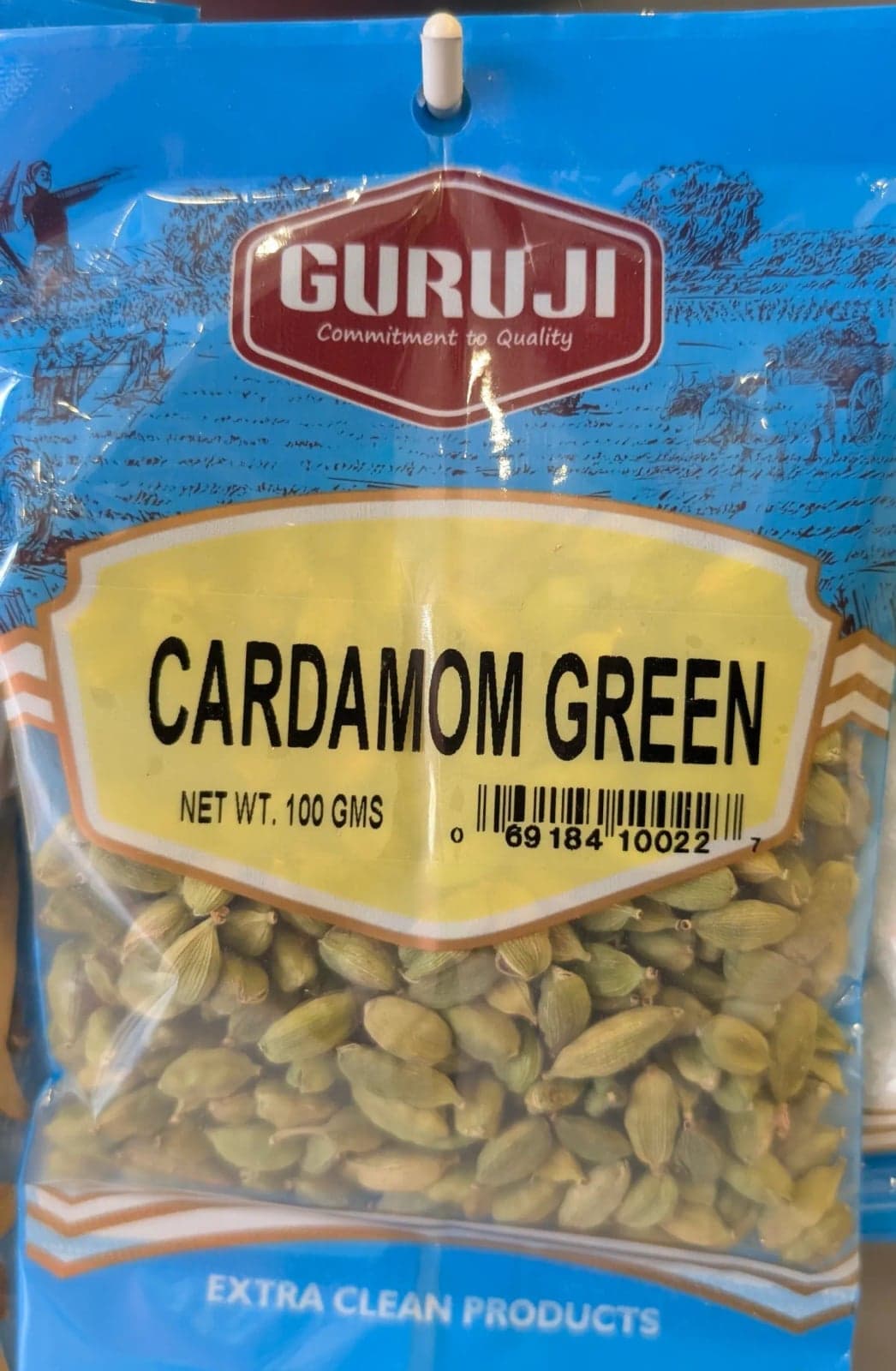
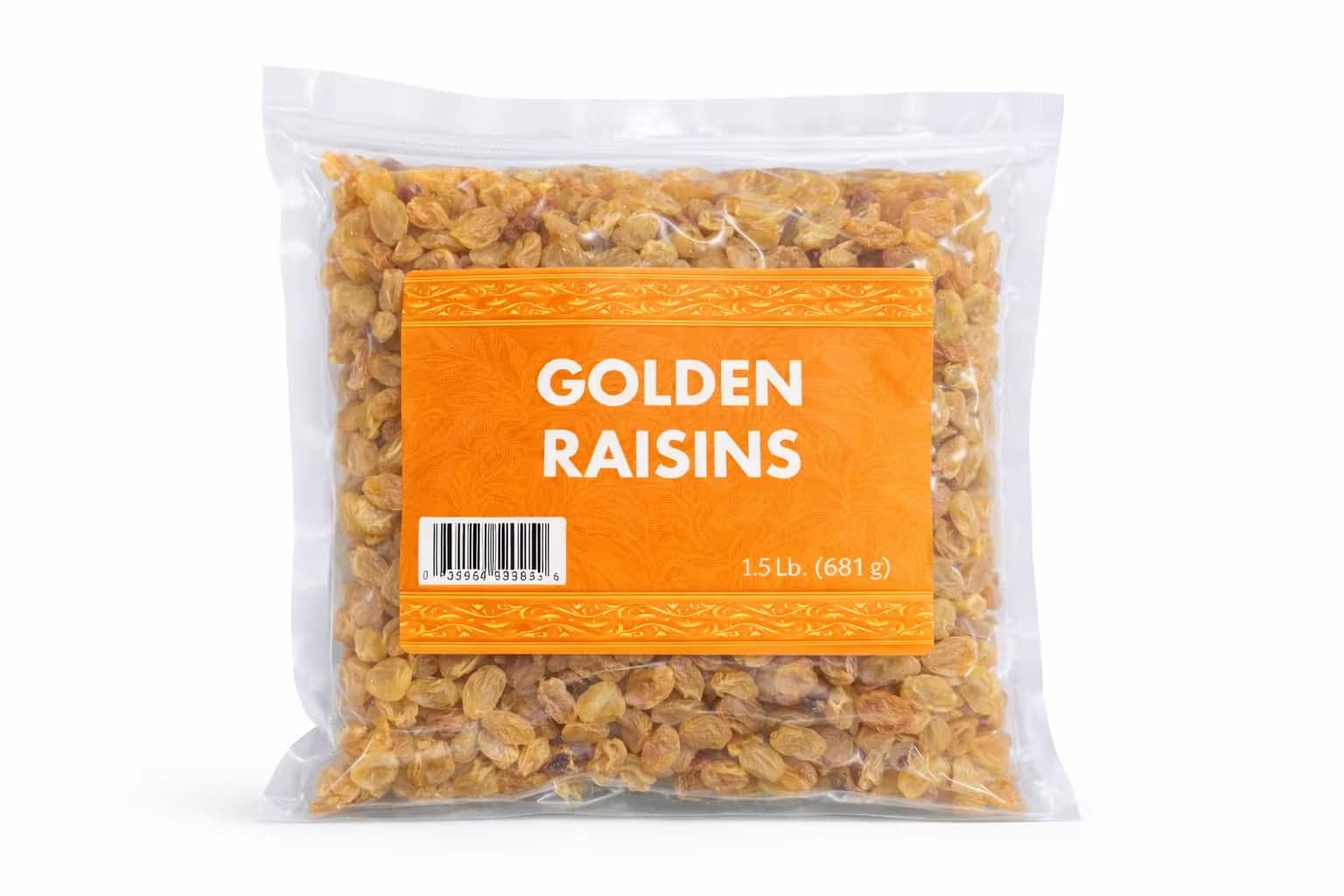
Crush three or four pods of green cardamom and stir them in along with sugar to taste; we usually reach for white sugar for a clean sweetness. Finish with a handful of golden raisins and chopped pistachios, simmered for another five minutes so the raisins plump up.
Serve warm on a cold night, or chilled after a big meal. Kheer thickens further as it cools, so if you are making it ahead, loosen it with a splash of warm milk before serving.
Kheer for Every Festival
There is barely a Nepali festival that does not end with a bowl of kheer. It is one of the standard sweets on the Dashain table, and it appears again during Tihar alongside sel roti, right through Maghe Sankranti and Nepali New Year gatherings.
It also shows up at almost every Newari wedding feast, usually served last, as the sweet note that closes the meal.
Because kheer is simple to scale up, it is also the dish people make in the biggest batches when hosting. A single bag of kheer rice goes a long way when you are feeding a room full of relatives.
Kheer Variations Worth Trying
Chiura kheer swaps some or all of the rice for beaten rice, giving a softer, almost mashed texture that cooks faster. If you want to compare the two main types of beaten rice before you try it, our chiura guide covers the difference between rato and seto chiura.
Makhana kheer is another favourite, especially during fasting periods, where roasted phool makhana is simmered in sweetened milk instead of rice. It has a lighter, puffier bite than a classic rice-based kheer.
Some households also stir in a spoon of ghee at the very end, or a pinch of saffron for colour. Kheer is forgiving that way: the base method barely changes, only the garnish does.
Shopping the Ingredients, Delivered Across Canada
Every ingredient in this guide, the kheer rice, the cardamom, the raisins, the pistachios, is in stock at Danphe Stores and ships from our shop at 3634 East Hastings St in Vancouver to all ten provinces and three territories.
Browse the full rice & flour section for other grains, and check dried fruits for more nuts to toss into kheer, phirni, or sel roti dough.
If you are new to shopping with us, our overview of Nepali and Indian grocery delivery across Canada explains shipping zones, timelines, and how same-day delivery works for Metro Vancouver.
Frequently asked questions
What rice is best for making kheer?
A short-grain, starchy rice made specifically for pudding, like our Kheer Rice - 2lbs, gives the thickest, creamiest result. Long-grain rice like basmati works but produces a looser, less rich texture.
Can I use basmati rice instead of kheer rice?
Yes, and many families do, especially with a well-aged basmati. It will taste fine but stay more separated in the milk.
How long does homemade kheer keep in the fridge?
Kheer keeps well for 3 to 4 days refrigerated in a sealed container. It thickens as it chills, so stir in a little warm milk when reheating or before serving cold.
Is kheer the same thing as phirni?
They are close cousins. Kheer is usually made with whole rice grains simmered in milk, while phirni uses coarsely ground rice and is traditionally set in small clay bowls for a smoother, firmer pudding.
Can kheer be made without dairy milk?
Yes, oat milk or full-fat coconut milk both work, though the pudding will taste noticeably different and may need extra simmering time to thicken. Cardamom, raisins, and pistachios still finish the dish nicely either way.
Do you ship kheer rice outside British Columbia?
Yes. Danphe Stores ships kheer rice and every ingredient in this guide to all 10 Canadian provinces and 3 territories, with free delivery on orders over $35 within central Metro Vancouver.
Shop the pantry
Authentic Himalayan staples, delivered anywhere in Canada.
Keep reading
Nepali & Indian Grocery Delivery Across Canada
One Vancouver shop, one nationwide delivery run: real Nepali and Indian groceries shipped coast to coast.
Read the guideBest Basmati Rice to Buy Online in Canada
Qilla, Tiger XXXL, Guruji, Hello Ji or Golden Sella: here's how the top basmati bags actually compare, and which one belongs in your kitchen.
Read the guideSella Rice vs Basmati Rice: What “Sella” Means and Which Is Healthier
“Sella” simply means parboiled — and per 100g, Golden Sella basmati carries more protein and fibre, and a lower glycemic index, than regular white basmati. What sella means, how it differs, and the honest, label-based comparison.
Read the guideHow to Cook Perfect Basmati Rice
Soak it, measure it right, and stop stirring: here's how to get fluffy, separate basmati every single time.
Read the recipe