
Food & Nutrition Guides
Sel Roti at Home: Rice Flour, Ghee & the Ring
Sel roti looks like a doughnut and tastes like a memory of Tihar mornings. Underneath the golden ring is a short list of honest ingredients: rice flour, sugar, a little fat, and a batter that has to be exactly right. Here is what actually goes into it, and how to get the ring to hold.
By Bishnu Koirala · Founder & CEO
Published
On this page
What Is Sel Roti, Really?
Sel roti is a sweet, ring-shaped rice bread, deep-fried until the outside turns a deep amber and the inside stays soft and slightly chewy. It is not cake, and it is not quite a doughnut, though people reach for that comparison because of the shape.
In Nepal it shows up most at Tihar, stacked in tall piles on a plate next to sel roti's sweeter cousins, but plenty of families make a batch for Dashain or just a Sunday when someone is craving it.
If you have only ever eaten sel roti from a store, homemade is a different food. The batter rests, the ring is shaped by hand over hot oil, and the whole kitchen smells like cardamom and frying rice flour. It is worth the mess.
The Ingredients You Actually Need
The base is rice flour, soaked rice ground fine, or the pre-ground kind most people in Canada actually use because grinding your own is a whole extra project. Either works, but the flour needs to be fine and fresh, not clumpy.
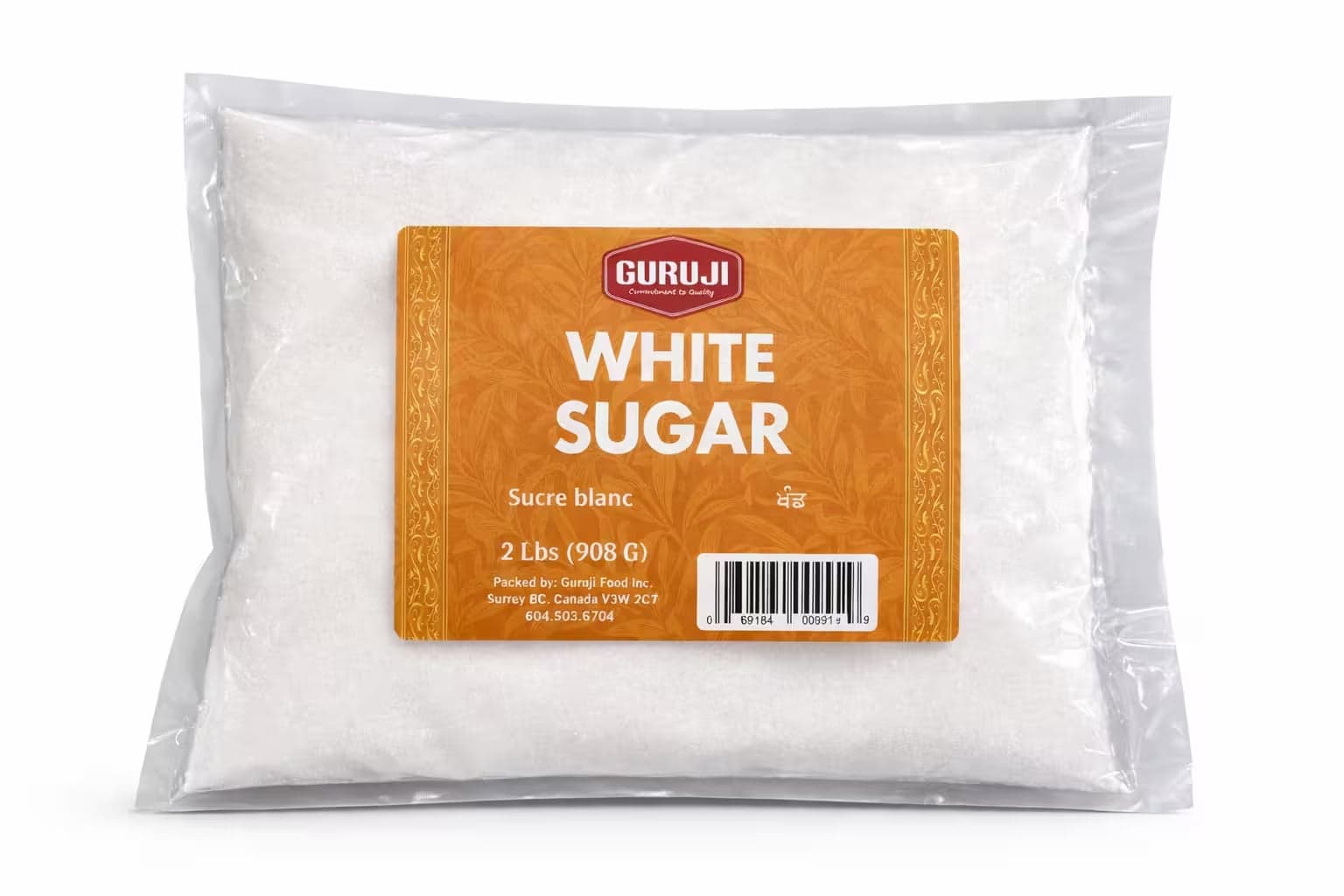
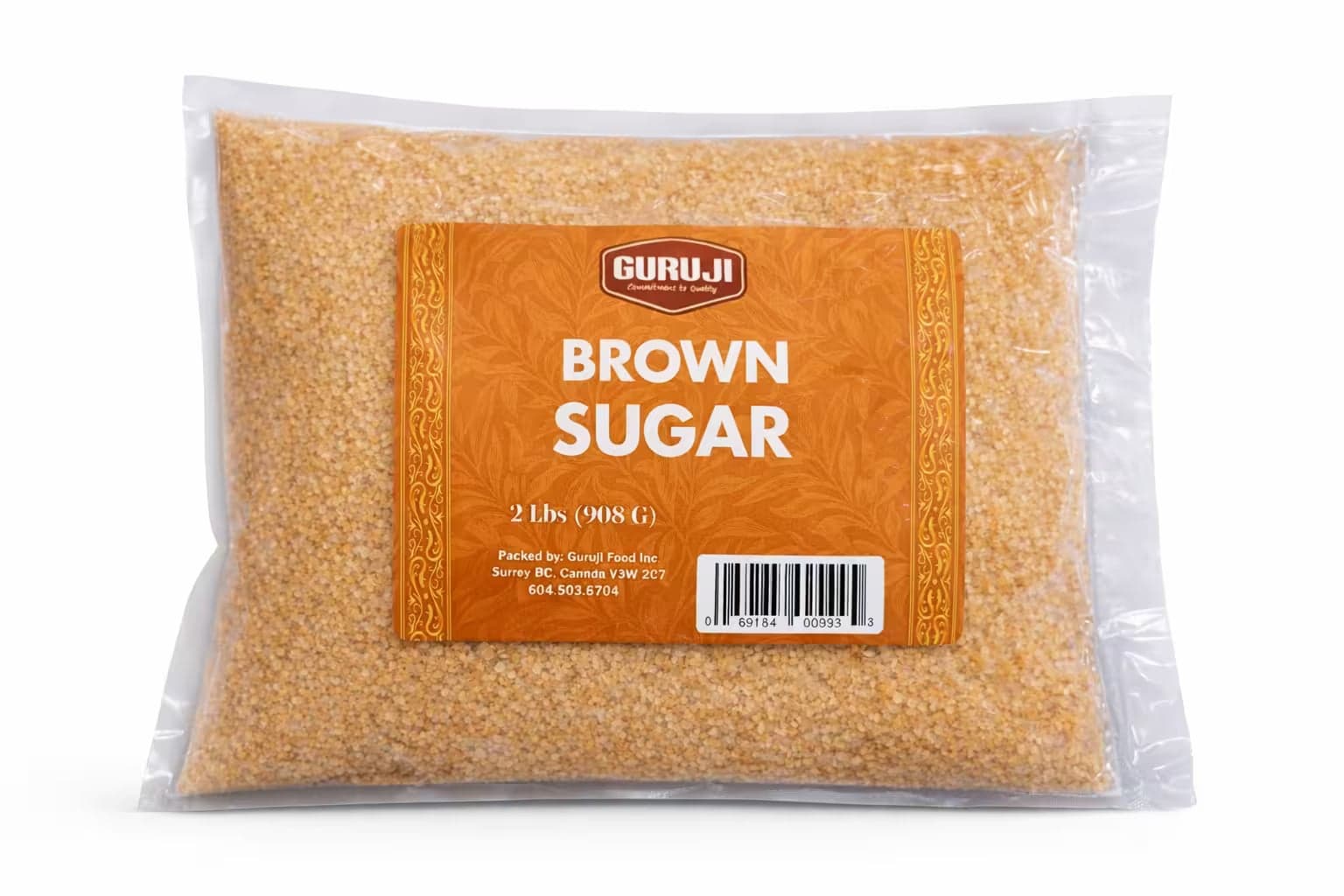
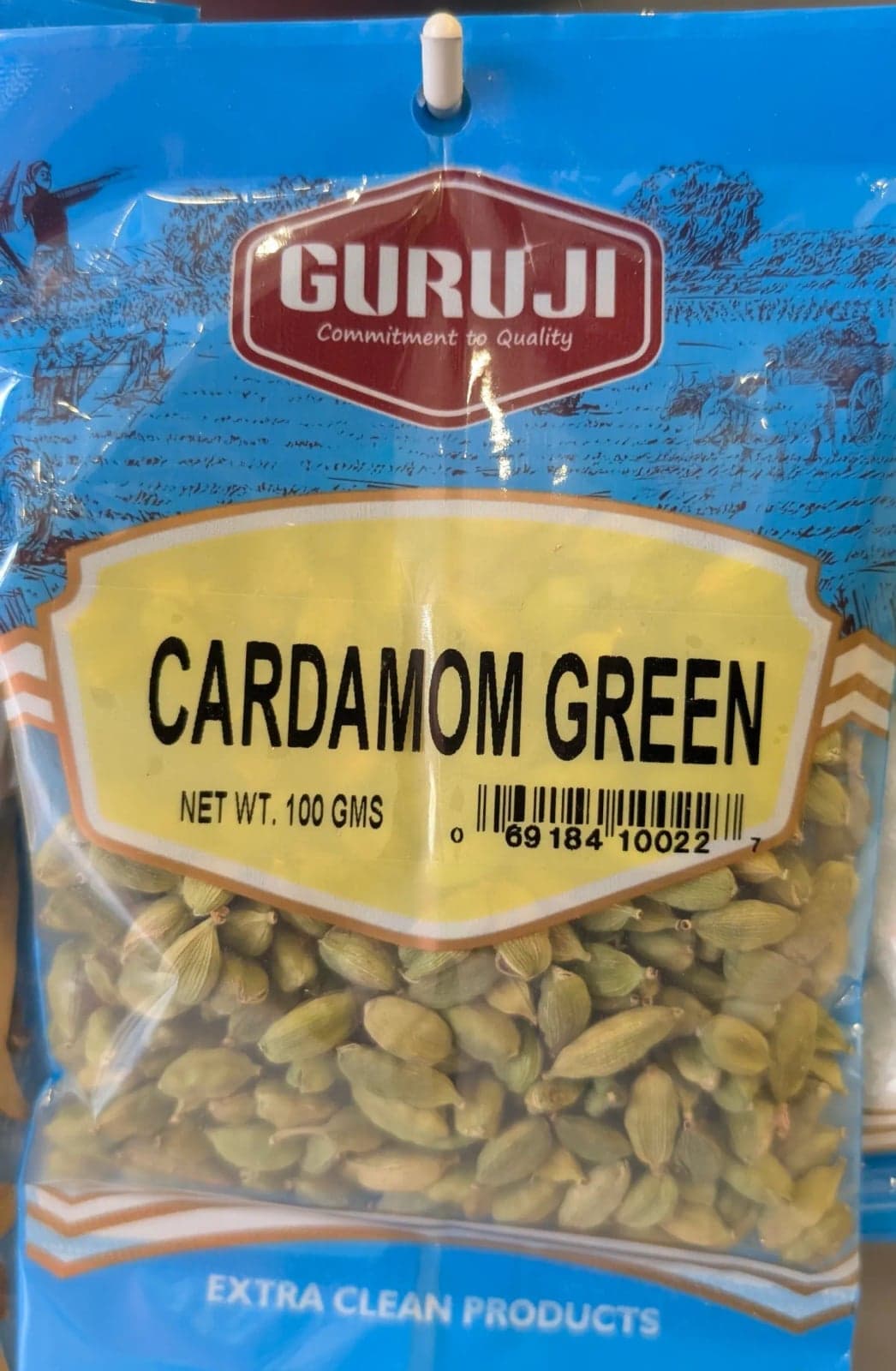
Beyond the flour, you need something to sweeten it (usually white sugar, sometimes swapped for brown sugar for a deeper, almost caramel note), a ripe mashed banana for body and binding, a splash of milk or yogurt to loosen the batter, and warm ground green cardamom for the smell that makes people follow their nose into the kitchen.
That is genuinely most of it. No yeast, no baking powder in the traditional version, just rice flour, sweetener, banana, milk, and cardamom, whisked into a batter that has to be the right thickness before it ever meets the oil.
Rice Flour: Store-Bought vs Homemade
Traditionally, families soak raw rice overnight and grind it wet, which gives a slightly coarser, more textured sel roti. It is the version grandmothers swear by, and it does make a difference you can taste.
But soaking and grinding rice at home is a real time commitment, and most people shipping ingredients into a Canadian kitchen reach for packaged rice flour instead. It works fine as long as you sift it and don't over-thin the batter.
If you're curious how rice flour stacks up against besan and maida for other Nepali and Indian baking, our besan vs maida vs rice flour comparison breaks down which flour to reach for and when. Rice flour also lives in the same aisle as everything else you'll want for rice & flour staples.
Ghee, Oil & Frying the Ring
Sel roti is deep-fried, not baked, and the oil matters almost as much as the flour. A neutral oil with a high smoke point works best because you want the fat to crisp the outside without fighting the cardamom and banana for flavour. Sunflower oil is the go-to for most home cooks for exactly that reason.
Some families finish the pan with a spoonful of ghee stirred into the frying oil near the end for richness, though plenty of good sel roti is made with oil alone. If you want the full rundown on which fat suits which Nepali dish, our mustard oil vs sunflower vs canola comparison is a useful reference before you fill the pan.
Whatever you choose, keep the oil at a steady medium heat. Too hot and the ring browns before the inside cooks through; too cool and it soaks up oil and turns greasy instead of crisp.
Shaping the Ring: Step by Step
The batter should coat the back of a spoon and drip slowly, thick enough to hold a shape but thin enough to pour. Too thick and the ring turns dense; too thin and it won't hold together in the oil.
Traditionally, cooks pour the batter through their fist, letting it stream out in a controlled ring directly over the hot oil. It takes a few tries to get the motion right, so don't be discouraged if your first two or three look more like a figure eight than a circle.
If squeezing batter through your hand feels like too much for a first attempt, pour it into a piping bag or a squeeze bottle with the tip cut wide and pipe the ring straight into the oil instead. Nobody at the table will know the difference once it's fried and dusted with sugar.
Serving Sel Roti
Sel roti is best eaten the same day, still faintly warm, with a cup of milk tea or alongside a Tihar spread of curry and yogurt. It keeps for a couple of days at room temperature in a sealed container, though the texture firms up as it sits.
If you want the exact measurements and timing rather than just the ingredient logic, our full sel roti recipe walks through quantities and frying time step by step.
Everything here (the rice flour, the sugar, the cardamom, the oil) ships from our Nepali and Indian grocery delivery across Canada, so a Tihar craving in Calgary or Halifax doesn't have to wait for a trip to Vancouver.
Frequently asked questions
What is sel roti actually made of?
The core ingredients are rice flour, sugar, mashed ripe banana, milk or yogurt, and ground cardamom, fried in oil until golden. We keep rice flour and green cardamom in stock for exactly this.
Can I use regular flour instead of rice flour?
You can, but it changes the texture noticeably, sel roti made with rice flour has that slightly grainy, tender bite that all-purpose flour or besan doesn't replicate. See our besan vs maida vs rice flour guide if you want to understand the difference before you substitute.
What oil is best for frying sel roti?
A neutral, high-smoke-point oil like sunflower oil is the standard choice. Some cooks add a spoonful of ghee to the pan for extra richness. Our mustard oil vs sunflower vs canola guide covers the tradeoffs in more detail.
Why does my sel roti keep breaking apart in the oil?
Usually the batter is either too thin (it won't hold a ring shape) or the oil isn't hot enough when the ring first hits it. Test with a small drop of batter first: it should sizzle and rise within a couple of seconds.
Is sel roti only made during Tihar?
Tihar is when it's most iconic, but families make sel roti for Dashain too, or just as a weekend treat. It's less a festival-only food and more a special-occasion habit that happens to peak around Tihar.
Where can I buy rice flour, sugar and cardamom in Canada?
All of it ships from Danphe Stores. Our physical shop is on East Hastings in Vancouver, but our Nepali and Indian grocery delivery reaches every province and territory, with free delivery over $35 in central Metro Vancouver.
Shop the pantry
Authentic Himalayan staples, delivered anywhere in Canada.
Keep reading
Nepali & Indian Grocery Delivery Across Canada
One Vancouver shop, one nationwide delivery run: real Nepali and Indian groceries shipped coast to coast.
Read the guideSel Roti Recipe: Sweet Rice-Flour Ring
Crispy outside, soft and springy inside: the sel roti ring that shows up at every Nepali Tihar table, made right in your own kitchen.
Read the recipeTihar (Deepawali) Foods: Sel Roti, Sweets & Sagun
From the first oil-soaked ring of sel roti to the last lit diyo on Laxmi Puja night, here is everything Tihar asks of a Nepali kitchen, shipped anywhere in Canada.
Read the guideDashain Foods: What Nepalis Cook for the Great Festival
Meat, sel roti, kheer and sukuti: the four dishes that make a Dashain table feel like home.
Read the guide