
Food & Nutrition Guides
Losar Foods: The Himalayan New Year Table
Losar, the Himalayan New Year, brings Tibetan, Sherpa and Tamang families together over a table that smells like cardamom, mustard oil and simmering broth. Here is what actually gets cooked, why it matters, and where to find it in Canada.
By Bishnu Koirala · Founder & CEO
Published
On this page
What Losar Actually Is
Losar means "new year" in Tibetan, and it is celebrated by Tibetan, Sherpa, Tamang and other Himalayan communities across Nepal, Tibet and the diaspora, including here in Canada. The date shifts with the lunar calendar, usually falling in February or March, though Sherpa and Tamang communities sometimes mark it on slightly different days depending on regional custom.
Unlike Dashain or Tihar, which are Hindu festivals rooted in the lowlands and mid-hills, Losar carries a distinctly Himalayan and Buddhist character. Monasteries fill with incense, families visit relatives with khada (ceremonial scarves), and the kitchen becomes the center of the house for days. If you want the wider picture of how these food traditions overlap, our guide to Nepali cuisine's Indian and Tibetan influences lays out where Losar cooking sits next to the rest of the country's festival calendar.
Momo: The Centerpiece
No Losar table is complete without momo. Families gather days ahead to fold hundreds of them, filled with minced buff (water buffalo), chicken or vegetables, then steamed in tiered baskets until the wrappers turn translucent.
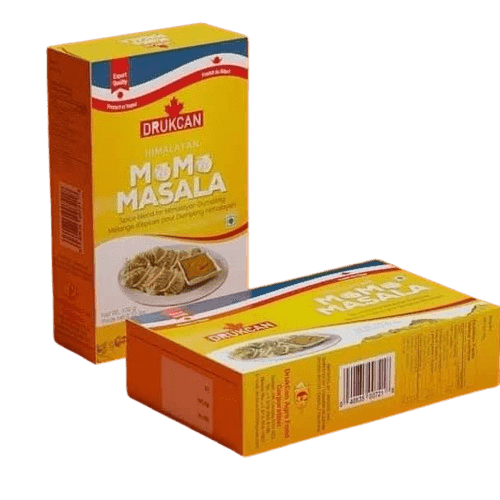
The seasoning inside the filling is where most people cut corners, and where they shouldn't. A good pinch of Momo Masala does the work of a dozen individually measured spices, giving the filling that warm, slightly smoky depth without turning it muddy. If you've never made a batch from scratch, our step-by-step how to make momo walks through the dough, the fold and the timing, and the dedicated momo masala guide goes deeper on what's actually in the spice blend and how much to use per kilo of filling.
Thukpa and the Warming Broths
Himalayan winters are cold, and Losar sits right in the thick of it, so brothy noodle soups do a lot of heavy lifting. Thukpa, a hearty noodle soup built on bone broth, vegetables and often the same spiced meat used in momo, shows up at breakfast and again at dinner during the festival.
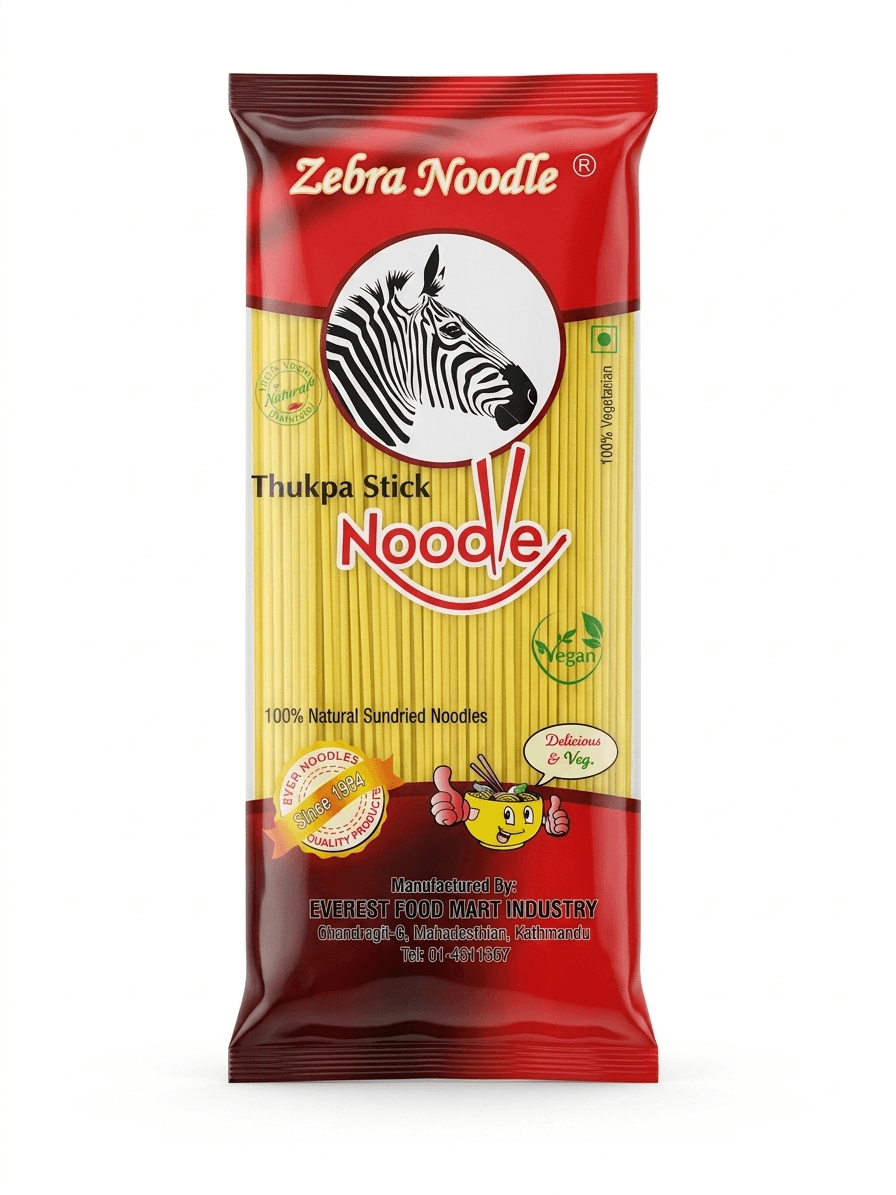
Thukpa Noodles are flat and slightly chewy, made to hold up in a simmering pot without turning to mush, which is exactly what you want when the soup sits on the stove for hours while guests come and go. For the full method, our thukpa recipe covers the broth base and how to layer in vegetables so it doesn't taste like plain noodle water.
Timur, Sukuti and the Meat Dishes
Sherpa and Tamang kitchens lean heavily on dried and cured meat, partly out of necessity (fresh meat doesn't keep well at altitude) and partly because the flavor of properly dried sukuti is worth the wait. During Losar, Buff Sukuti gets pan-fried with onion, tomato and green chili into a sadeko-style salad, or simmered into a rich curry.
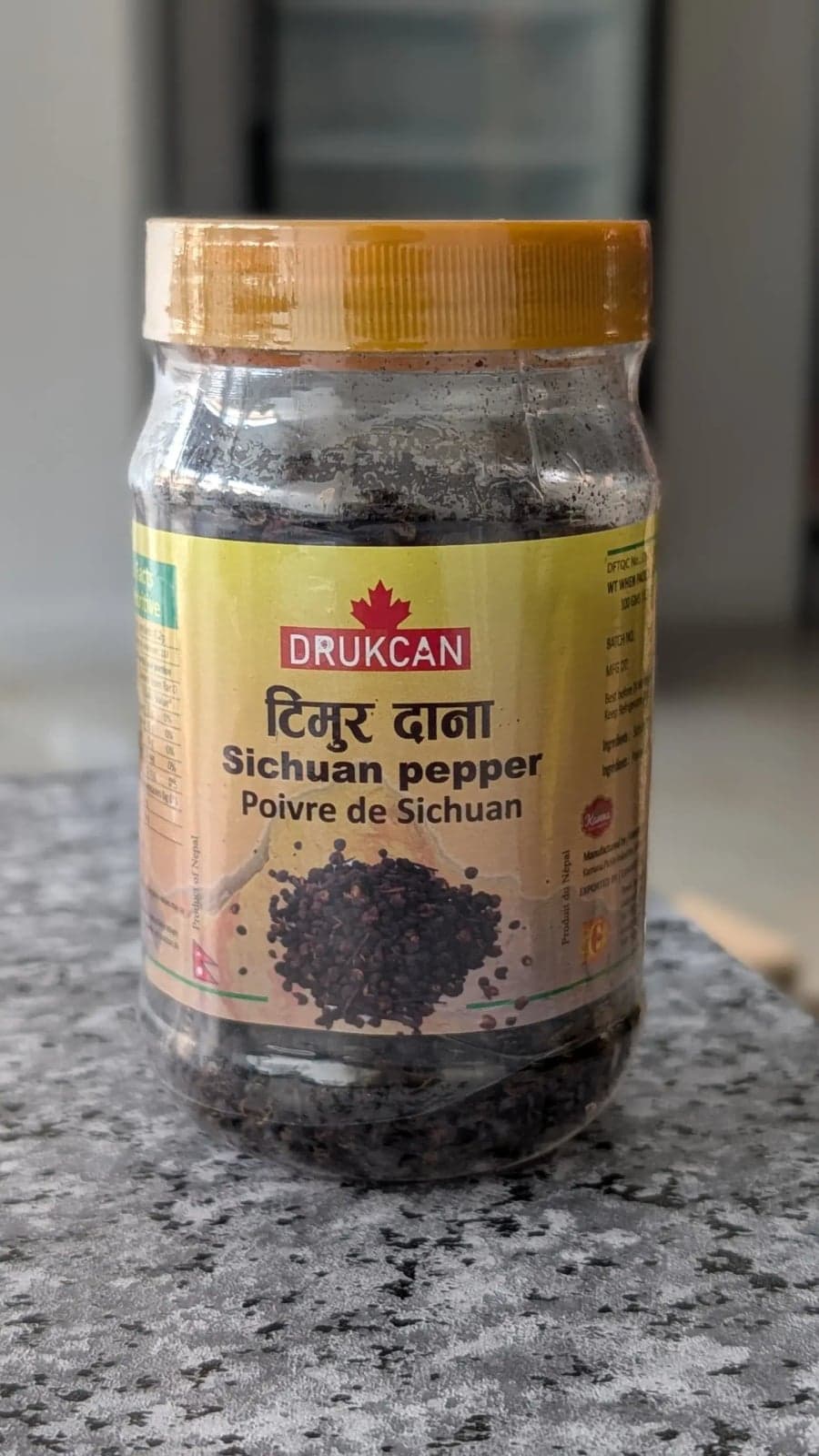
The other unmistakable flavor at a Himalayan table is timur, the tingly, citrusy Sichuan pepper that numbs the tongue just enough to make you reach for a second bite. Timur (Sichuan Pepper) goes into meat marinades, achar and the pickle that sits beside almost every plate. Our timur guide explains how to toast and grind it properly so it doesn't turn bitter, and if you're comparing cuts, the buff vs mutton sukuti comparison helps you pick the right one for a curry versus a quick sadeko.
Butter Tea, Gundruk and the Side Dishes
Traditional Losar tables in Tibet feature butter tea (po cha), churned with yak butter and salt rather than sugar. That exact style is hard to source outside specialty importers, but a strong, malty base like Tokla Gold Tea gets you close when you add a knob of butter and a pinch of salt at home, and it's the same leaf many families in Nepal drink daily regardless of festival. Read more in our Tokla Himalayan tea guide.
On the side, fermented and pickled greens cut through all the rich meat and broth. Dried Gundruk, rehydrated and cooked into a tangy jhol, is a staple that predates refrigeration and still shows up on hill-country tables today. Our gundruk buying and cooking guide covers how to rehydrate it properly so it isn't tough. Everything gets cooked in Khokana Mustard Oil, the roasted, pungent oil that Himalayan and hill kitchens reach for before anything neutral; our mustard oil health facts page explains why it's used the way it is.
Bringing Losar Home in Canada
Building a Losar table in Vancouver, Calgary, Toronto or anywhere else in Canada mostly comes down to sourcing the right dried, cured and packaged staples ahead of time, since fresh yak butter or altitude-dried meat aren't exactly around the corner. Momo masala, timur, sukuti and mustard oil all keep well, so it's worth stocking up a week or two before the date so nothing is scrambled at the last minute.
Danphe Stores carries the full spread from our shop on East Hastings in Vancouver, and we ship nationwide to all ten provinces and three territories, so a Losar table in Whitehorse or Halifax is just as reachable as one in Burnaby. Browse the spices & masala shelf for the seasoning blends, sukuti for the dried meats, and check our Nepali and Indian grocery delivery across Canada hub for shipping timelines and delivery zones before you order.
Frequently asked questions
What is Losar and when is it celebrated?
Losar is the Himalayan New Year, celebrated by Tibetan, Sherpa and Tamang communities in Nepal, Tibet and around the world. It follows the lunar calendar and typically falls in February or March, though the exact date can vary slightly by community and region.
What food is traditionally eaten during Losar?
A Losar table usually centers on momo (steamed dumplings), thukpa (noodle soup), dried and cured meats like sukuti, butter tea, and pickled sides like gundruk. Sweet fried biscuits and dried fruit also make an appearance in many Tibetan households. See our how to make momo guide to start with the centerpiece dish.
Is Losar the same as Dashain or Tihar?
No. Losar is a Himalayan Buddhist new year celebrated by Tibetan, Sherpa and Tamang communities, while Dashain and Tihar are Hindu festivals celebrated more broadly across Nepal. The food traditions overlap in places (rice, lentils, meat dishes) but the core dishes and rituals differ. Our Nepali cuisine's Indian and Tibetan influences guide breaks down how these traditions sit alongside each other.
Can I make an authentic Losar meal in Canada?
Yes. The staples that make Losar cooking distinct, like momo masala, timur (Sichuan pepper), sukuti and mustard oil, all ship well and are available through Danphe Stores, which delivers to all ten provinces and three territories from our Vancouver shop.
What can I use instead of yak butter tea?
Traditional Tibetan po cha is churned with yak butter and salt, which is hard to find outside specialty importers in Canada. A strong black tea like Tokla Gold Tea, simmered with a bit of butter and a pinch of salt, gets you a reasonably close everyday version.
Why is dried meat like sukuti common in Himalayan cooking?
At higher altitudes, fresh meat doesn't keep, so drying and curing became the practical way to preserve it through the winter. The result is a concentrated, chewy, deeply flavored meat that Sherpa and Tamang households still prize today, well beyond just necessity. Our buff vs mutton sukuti guide compares the two most common cuts.
Shop the pantry
Authentic Himalayan staples, delivered anywhere in Canada.
Keep reading
Nepali & Indian Grocery Delivery Across Canada
One Vancouver shop, one nationwide delivery run: real Nepali and Indian groceries shipped coast to coast.
Read the guideHow to Make Nepali Momo (Chicken & Veg), Step by Step
Dough, filling, pleats, steam, and the fiery tomato-sesame achar — how to make momo at home the Nepali way.
Read the recipeMomo Masala: The Secret to Nepali Dumplings
One spoon of the right masala is the difference between a good momo and a forgettable one.
Read the guideThukpa Recipe: Himalayan Noodle Soup
A steaming bowl of thukpa is the fastest way to warm up on a rainy Vancouver evening, and it only takes one pot.
Read the recipe