
Food & Nutrition Guides
Indian Dal & Lentils: Toor, Moong, Chana, Rajma, Masoor
Walk into any Indian kitchen and the dal drawer tells you everything about how that family cooks. Toor, moong, chana, rajma and masoor each behave differently in the pot, and picking the right one saves you a soggy or undercooked dinner. Here's a straight answer on which dal to buy for which dish, plus real cooking times.
By Bishnu Koirala · Founder & CEO
Published
On this page
The five dals every Indian pantry needs
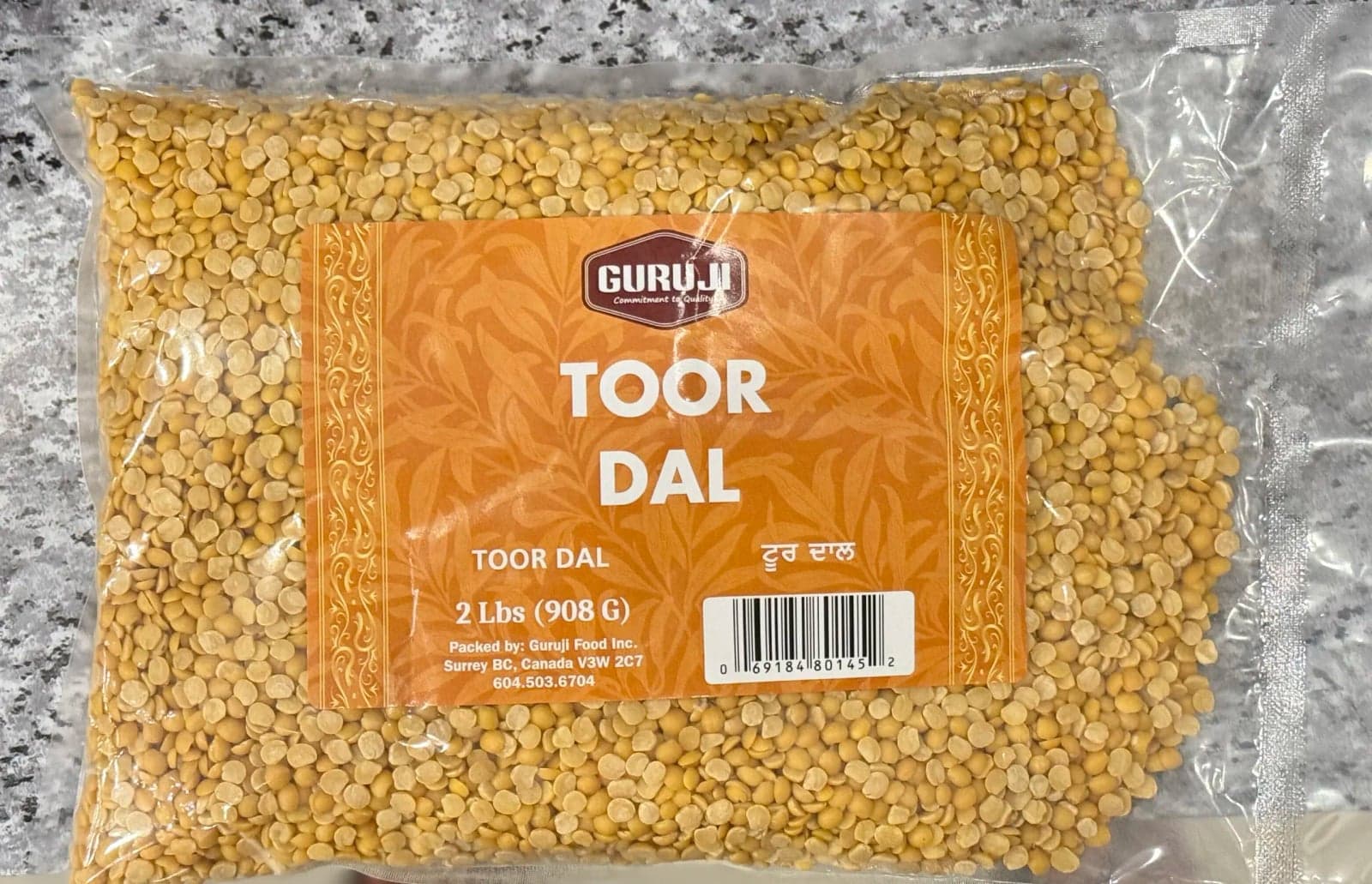
If you only keep five lentils in the house, make them these. Toor dal, also called arhar, is the base of everyday South Indian sambar and the plain yellow dal most north Indian households cook two or three times a week. It's oily-skinned, cooks down soft, and has that slightly nutty, mellow flavour that plays well with tamarind and tomato.
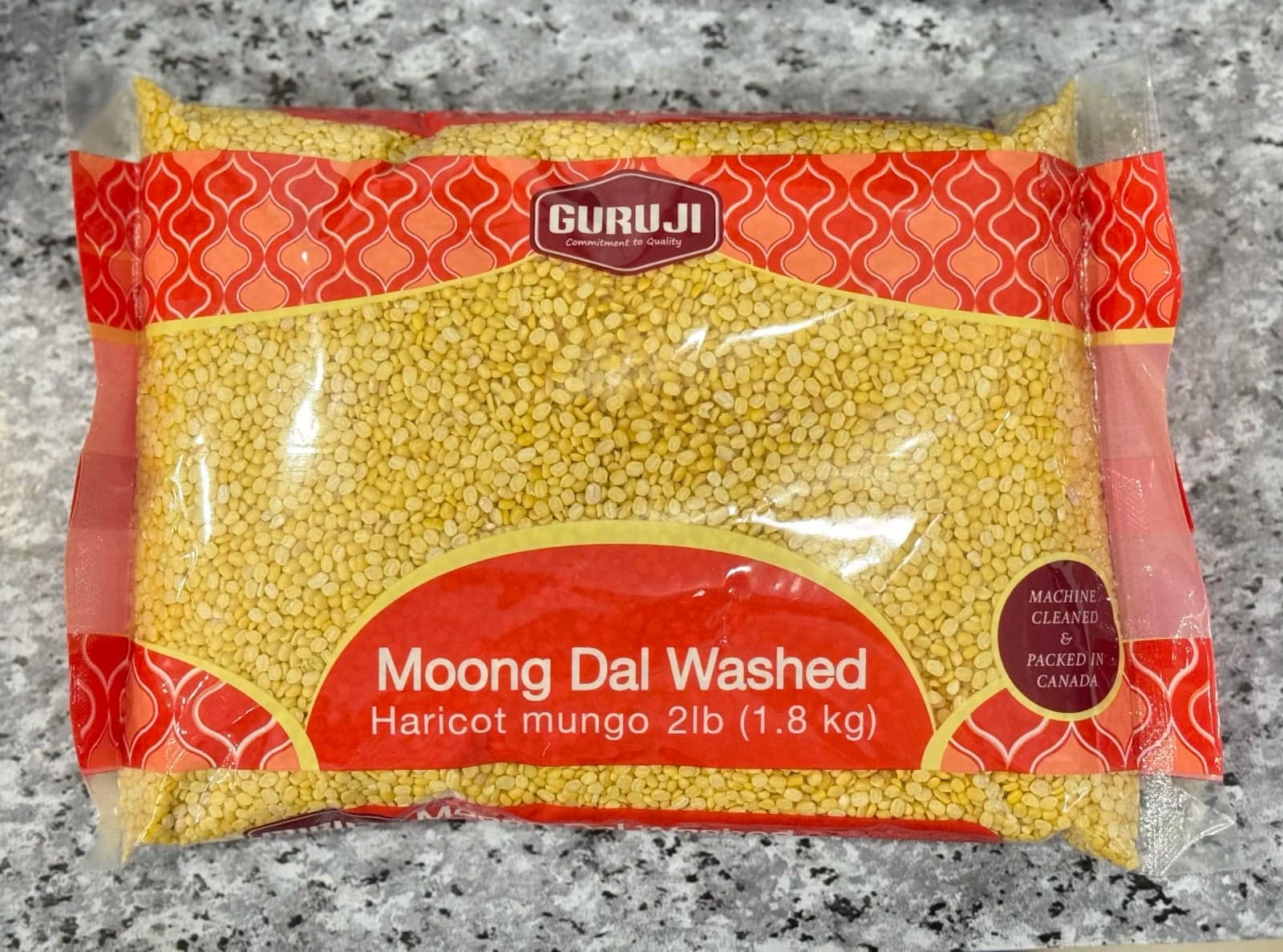
Moong dal comes in two forms: split yellow (dhuli moong) and whole green (sabut moong). The yellow split version is the fastest-cooking lentil in this list and the one doctors and grandmothers both reach for when someone's stomach needs a break. It turns to near-porridge in twenty minutes flat.
Chana dal is the split, skinned version of the brown chickpea and cooks up firm and slightly sweet. It holds its shape better than toor or moong, which is why it shows up in dal makhani-style thick gravies and in stuffed parathas.
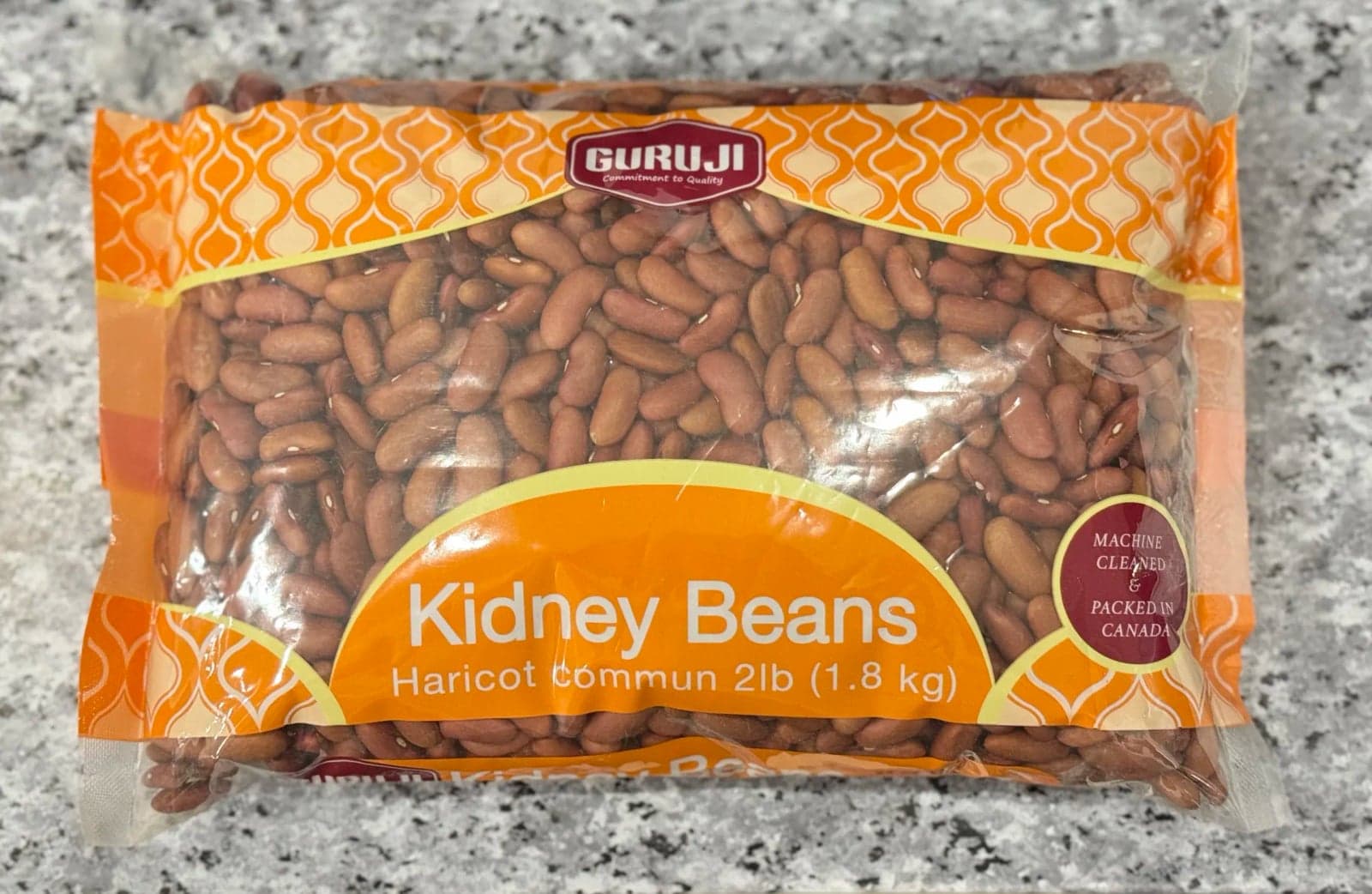
Rajma is technically a bean, not a lentil, but no Punjabi kitchen would forgive us for leaving it out. Kidney-shaped, dark red, and the whole reason rajma chawal exists as a Sunday tradition across North India and now across Canadian apartments too.
Masoor dal (red split lentils, raato daal) is the weeknight hero. It needs no soaking, cooks in fifteen minutes, and turns a soft golden colour once boiled, even though it looks salmon-pink dry. If you're short on time after work, this is the dal you grab.
Which dal for which dish
Match the lentil to the meal and you'll notice the difference immediately. Sambar and Gujarati-style dal fada want toor dal because its texture holds a thin, tangy broth without turning to mush. Plain comfort-food dal tadka on a weeknight is also usually toor, sometimes cut with a spoon of masoor for extra creaminess.
Khichdi, the rice-lentil porridge everyone in South Asia turns to when they're unwell or just want something gentle, is built on split yellow moong. It's also the lentil to reach for in a moong dal cheela (savoury pancake) or a light moong soup for babies and elders.
Chana dal is your pick for dal makhani-style thick dals, for stuffing in puran poli, and for grinding into besan once roasted and milled, though the flour itself is a separate product. It's also the dal to simmer alongside pumpkin (lauki chana dal) since it stays firm against soft vegetables.
Rajma has exactly one iconic job: rajma chawal, kidney beans in a thick tomato-onion gravy over steamed rice. We've written out the full rajma chawal recipe if you want measurements, and a deeper dive on the bean itself in our rajma guide.
Masoor dal is the everyday dal for busy households: a quick red lentil soup, a simple tadka dal with garlic and cumin, or blended into a base for other curries when you want body without a long cook. It's forgiving, which makes it the dal to hand a beginner cook.
Cooking times and soaking, dal by dal
Toor dal benefits from a 30-minute soak before pressure cooking; expect 3-4 whistles (about 12-15 minutes at pressure) for soft, spreadable lentils. Skip the soak if you're short on time and just add 5 extra minutes at pressure.
Moong dal (split yellow) needs no soaking at all. Two whistles, roughly 8-10 minutes, and it's done. Whole green moong is a different story: soak it for at least 4 hours or overnight, then expect 15-20 minutes at pressure since the hull is intact.
Chana dal wants a proper soak, ideally 1-2 hours minimum, longer if you have time. It holds firm even after 5-6 whistles (20+ minutes), which is exactly why it doesn't dissolve into other dals when you cook it alongside them.
Rajma is the one that truly needs planning: soak overnight (8-12 hours) in plenty of water, then pressure cook for 20-25 minutes until the beans are soft enough to mash between two fingers. Skipping the soak means a much longer cook and beans that never quite get creamy.
Masoor dal, like moong, needs zero soaking. It's ready in 10-12 minutes at pressure and will thicken further as it sits, so go a little looser with water than you think you need.
Which dal has more protein
All five are solid plant protein, but they're not identical. Rajma and chana dal tend to sit highest in protein density among the common dals, which is part of why rajma chawal and chana-based dishes are go-to post-workout meals in a lot of South Asian households.
Toor and masoor sit in the middle and cook faster, which is a fair trade for slightly less density. Moong dal, especially the split yellow form, is lighter and easier to digest, which is exactly why it's the dal given to people recovering from illness or feeding small kids, even if it's not the single highest in protein per cup.
We go into the full breakdown, including how dal stacks up against meat and other legumes, in our separate dal and lentils protein guide. If you want a side-by-side on cooking behaviour rather than nutrition, our dal varieties compared piece covers that ground too.
Storage and buying tips
Dry lentils keep well for 6-12 months in a sealed container away from light and moisture; a glass jar or the original resealable bag works fine as long as it's airtight. Buying in the 2 lb bag size (what most of our dal comes in) is the sweet spot for a household that cooks dal a few times a week without the lentils sitting around long enough to go stale.
Look for lentils that are uniform in colour with minimal broken pieces or dust at the bottom of the bag; that's usually a sign of good turnover and proper storage upstream. If you're building out a fuller lentils shelf at home, pair your dal with the right spices & masala since a good tadka of cumin, garlic and dried red chili is half of what makes any dal taste like home.
For readers newer to the pantry, we've put together a wider primer on what an Indian grocery store online in Canada should stock beyond just dal, from rice to pickles to snacks, so you know what to add to the same order.
Kala chana and the other lentils worth knowing
Beyond the core five, kala chana (black chickpeas) deserves a mention. It's the whole, dark-skinned chickpea used in chana chaat, Navratri fasting dishes, and a heartier version of chole. It needs an overnight soak like rajma and takes about 20 minutes at pressure once soaked.
If you're cooking Nepali-style dal rather than Indian, the everyday lentil is usually masoor or a rahar (toor) base too, just tempered differently with jimbu instead of hing. Our Nepali dal recipe and the classic dal bhat recipe both show how the same lentils shift character with a different spice hand.
Frequently asked questions
What's the difference between toor dal and masoor dal?
Toor dal (arhar) is a split pigeon pea, yellow, oily-skinned, and slightly nutty; it's the base of sambar and everyday north Indian dal. Masoor dal is a split red lentil that cooks even faster (no soaking, ready in about 12 minutes) and has a milder, slightly earthy taste. If you're new to cooking dal, masoor is the more forgiving starting point.
Do I need to soak rajma before cooking?
Yes, and it matters more with rajma than with any other lentil on this list. Soak rajma for at least 8 hours, ideally overnight, in plenty of water. Skipping the soak means a much longer pressure-cook time and beans that stay firmer than the soft, creamy texture rajma chawal is known for.
Which dal is best for weight loss or a high-protein diet?
Rajma and chana dal tend to be denser in protein among common dals, which is why they're popular in high-protein South Asian meal plans. That said, moong dal is often recommended in cutting or digestion-focused diets because it's lighter and easier on the stomach. See our full dal and lentils protein guide for the detailed comparison.
Can I substitute one dal for another in a recipe?
Somewhat. Toor and masoor are close enough in cooking behaviour that you can often swap them in a simple tadka dal, adjusting cooking time slightly. Chana dal and rajma hold their shape and generally shouldn't be swapped for toor, moong, or masoor since the dish depends on that firmer bite. When in doubt, check our dal varieties compared guide before swapping.
Do you ship dal and lentils across Canada?
Yes. Danphe Stores ships toor, moong, chana, rajma, masoor and more from our Vancouver shop to all 10 provinces and 3 territories, usually within 5-10 business days. Orders over $35 to central Metro Vancouver ship free, and same-day delivery is available locally by phone at 236-471-5891.
What's the shelf life of dry lentils?
Stored in a sealed, dry container away from direct light, most dal keeps well for 6-12 months without losing much quality. They won't spoil the way fresh food does, but older lentils do take a bit longer to cook, so buy what you'll realistically use in a few months rather than stockpiling years' worth.
Shop the pantry
Authentic Himalayan staples, delivered anywhere in Canada.
Keep reading
The Best Indian Grocery Store Online in Canada
Basmati, dal, garam masala, Haldiram’s, Britannia, Wagh Bakri, rasgulla, Dabur — the Indian pantry, delivered anywhere in Canada.
Read the guideToor Dal (Arhar): Uses & Cooking Guide
The everyday yellow lentil behind sambar and dal fry, and exactly how to cook it right.
Read the guideMoong Dal: Yellow & Whole, Recipes & Benefits
Yellow, whole, split or sprouted: moong dal is the gentlest, fastest-cooking lentil in the Nepali and Indian kitchen, and here is exactly how to use it.
Read the guideChana & Kala Chana: The Chickpea Guide
Kala chana, chana dal, besan, chana masala: one small bean, four different kitchen staples explained.
Read the guide