
Recipes
Rajma Chawal Recipe: Kidney Bean Curry & Rice
Rajma chawal is the dish every North Indian household argues about (soaking time, whose masala is best) and every household agrees on eating twice a week. This recipe walks through soaking, simmering and building a gravy that actually clings to the beans, plus the basmati technique that keeps the chawal side fluffy instead of mushy.
By Bishnu Koirala · Founder & CEO
Published
On this page
What Makes Rajma Chawal Special
Rajma chawal is two simple things done right: dark red kidney beans cooked down until they're soft enough to half-mash against the roof of your mouth, sitting in a thick onion-tomato gravy, next to a mound of plain steamed rice. That's it. No fancy technique, just time and the right spices.
It's the Sunday lunch of Punjabi households and it has been fully adopted across Nepali and North Indian kitchens in Canada too, mostly because it freezes well, reheats better than it started, and needs almost no last-minute attention once the beans are soaking. If you want the full background on the bean itself, our rajma (kidney beans) guide covers varieties and where the name comes from.
This isn't a 30-minute weeknight recipe. Budget a soak the night before and about an hour of mostly hands-off simmering. The payoff is a gravy with real body, not a thin bean soup.
Ingredients You'll Need
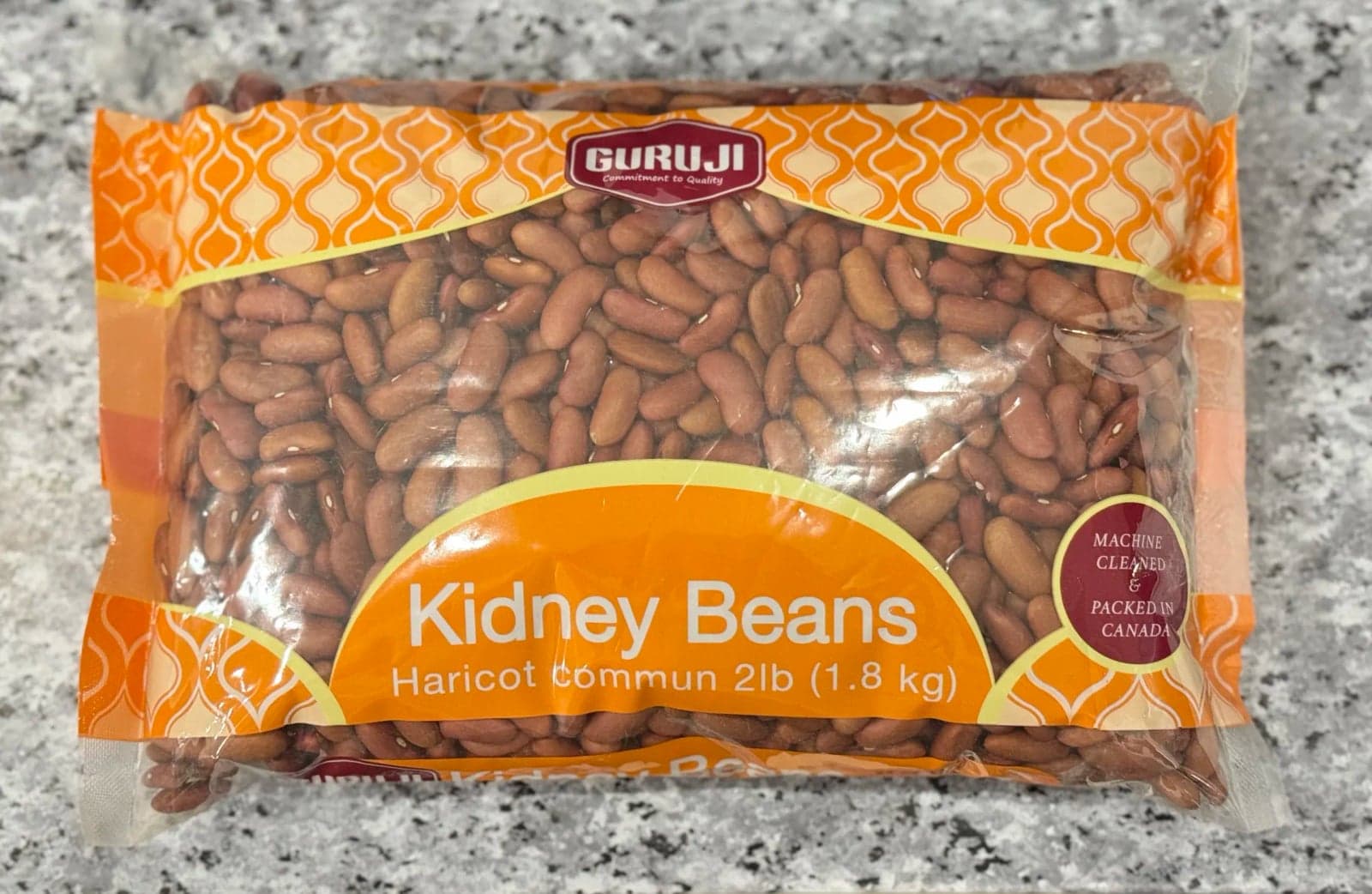
For the rajma: 1 cup dried Kidney Beans (Rajma), soaked overnight in plenty of water. Old rajma takes longer to soften, so don't skip the soak even if you're impatient.
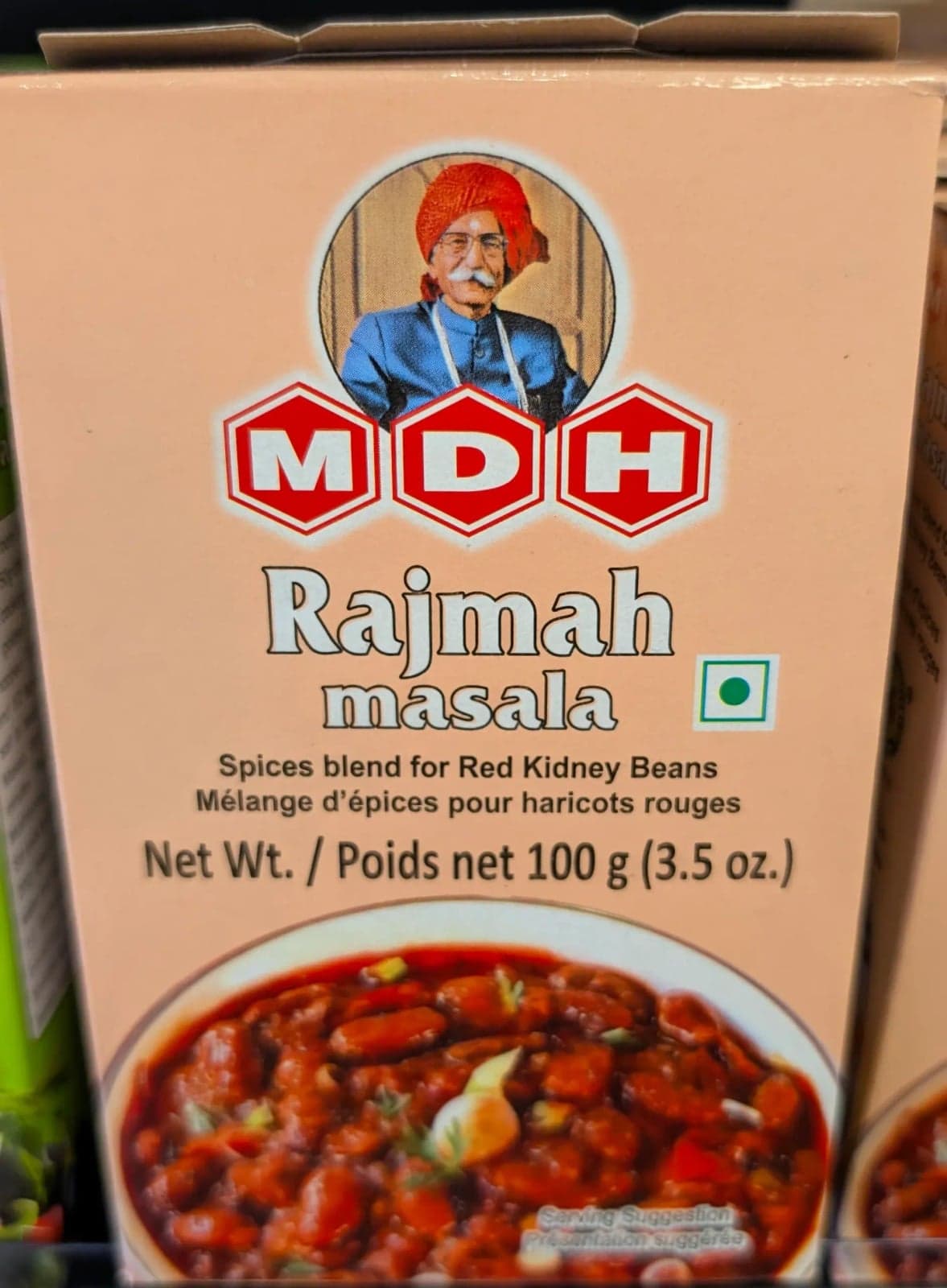
For the gravy: 2 medium onions, finely chopped; 2 tomatoes, pureed (or a spoon of tomato paste if that's what's on hand); 1 tablespoon Garlic Puree; 1 tablespoon Minced Ginger; 2-3 green chilies, slit; 1 teaspoon Cumin Seeds; ½ teaspoon Turmeric Powder; 2 teaspoons MDH Rajmah Masala (this one blend saves you from measuring six different spices); ½ teaspoon Garam Masala for finishing; oil or ghee; salt to taste.
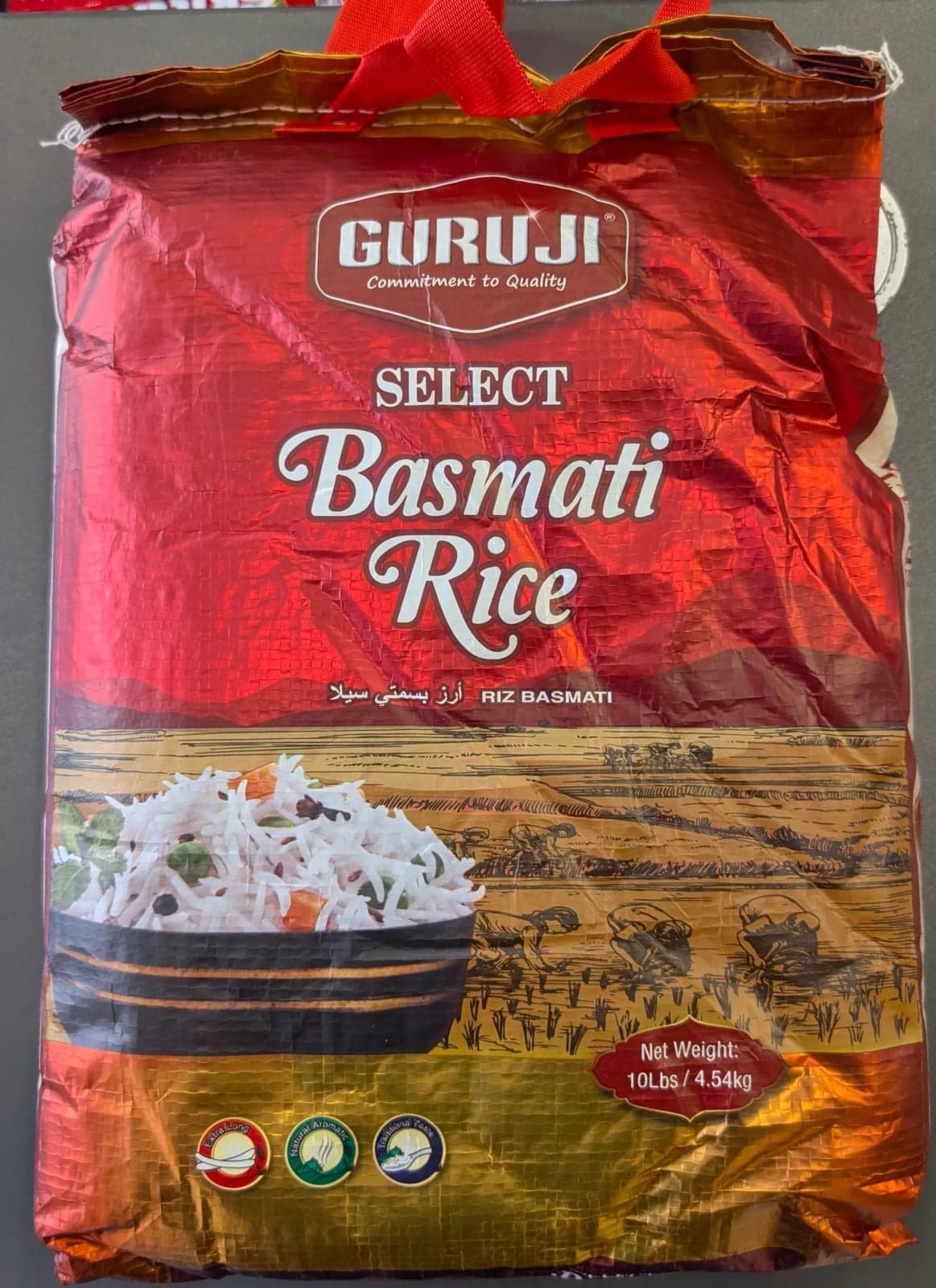
For the chawal: 2 cups Guruji Basmati Rice, rinsed until the water runs mostly clear. If you buy rice in bulk, our best basmati rice in Canada guide compares which bags actually hold up for everyday cooking versus biryani.
You can browse the full spice wall in our spices & masala section, or start from rice & flour if you're stocking a kitchen from scratch.
Method: Cooking the Rajma
1. Drain the soaked rajma and rinse once. Add to a pressure cooker or Instant Pot with fresh water (about 3 cups per cup of beans), a pinch of salt, and a bay leaf if you have one. Pressure cook 6-8 whistles or about 20 minutes on high pressure. Beans should be soft enough to squish easily between two fingers, not just tender. Undercooked rajma never tastes right no matter how good the gravy is.
2. While the beans cook, heat oil or ghee in a heavy pot. Add cumin seeds and let them sizzle for a few seconds until fragrant.
3. Add chopped onions and cook, stirring occasionally, until they turn a deep golden brown. This takes longer than people expect, 10-12 minutes on medium heat. Rushing this step is the single biggest reason home rajma tastes flat.
4. Stir in ginger and garlic puree, cook another minute until the raw smell is gone, then add the pureed tomatoes, turmeric, and rajmah masala. Cook this masala base until the oil starts to separate at the edges, about 8-10 minutes. Splash in water if it's sticking.
5. Add the cooked rajma along with its cooking liquid (this liquid has flavour, don't drain it away). Simmer uncovered for 20-25 minutes, mashing a few beans against the side of the pot with your spoon to naturally thicken the gravy. Finish with garam masala and adjust salt.
For a side-by-side with the everyday lentil version of this same comfort-food logic, see our Nepali dal recipe or the more general Indian dal & lentils guide.
Method: Cooking the Chawal
1. Rinse the basmati rice 3-4 times until the water is nearly clear, then soak for 20-30 minutes. This isn't optional if you want separate, fluffy grains instead of clumpy rice.
2. Bring water to a boil (roughly 1.5 cups water per cup of rice for absorption method, or plenty of water if you prefer the draining method). Add a pinch of salt.
3. Add the drained rice, bring back to a boil, then cover and reduce to the lowest simmer for 10-12 minutes. Turn off the heat and let it rest, covered, for another 5-10 minutes before fluffing with a fork.
We've written a full step-by-step on this because it trips up more people than the curry does: see how to cook perfect basmati rice for ratios, soaking times, and what to do if it comes out sticky.
Serving and Pairing Ideas
Serve the rajma hot, ladled generously over a bed of the basmati chawal, with a squeeze of lime and raw sliced onion on the side. A dollop of plain yogurt cools it down if your rajmah masala runs spicy.
Leftover rajma actually improves overnight in the fridge as the beans keep absorbing the gravy. It freezes cleanly for up to two months, which makes it a good make-ahead dish for a busy week.
If you're building out a full Indian pantry beyond this one dish, our Indian grocery store online in Canada hub rounds up staples by category, and for dal lovers who want to keep the bean theme going, the chana & kala chana guide is a natural next stop.
Frequently asked questions
Do I really need to soak the rajma overnight?
Yes. Dried kidney beans are dense and soaking for 8-12 hours cuts cooking time significantly and helps them cook evenly all the way through. Skipping the soak often leaves beans that are soft outside but still firm at the core, even after extra time in the pressure cooker.
Can I use canned kidney beans instead?
You can, and it's a fine shortcut on a weeknight, but the gravy won't have the same body since canned beans don't release starch the way beans cooked from dried do. If you go this route, simmer the canned beans in the gravy for at least 15-20 minutes so they can absorb the spices.
Why is my rajma gravy thin instead of thick?
Two common reasons: the onion-tomato masala wasn't cooked long enough before adding the beans, or the gravy wasn't simmered uncovered long enough afterward. Mashing a few beans against the pot as it simmers is the easiest fix; the starch they release thickens everything naturally.
What's the difference between garam masala and rajmah masala?
Garam masala is a general warming spice blend used across many Indian dishes, usually added at the end to finish a curry. Rajmah masala like the MDH Rajmah Masala is a blend specifically tuned for kidney bean curry, built around the base spices plus extras that complement rajma's earthiness, so you use it earlier, during the main cooking, rather than just as a finishing touch.
Which basmati rice is best for rajma chawal?
Any good aged basmati works well here since you want separate, fluffy grains rather than the stickier texture used for kheer or risotto-style dishes. See our basmati rice brands compared guide if you're deciding between Qilla, Tiger, Guruji, or Hello Ji.
Do you ship rajma and Indian spices across Canada?
Yes. Danphe Stores ships rajma, rajmah masala, basmati rice, and the rest of the spice pantry to all 10 provinces and 3 territories, with standard delivery running 5-10 business days ($5-10, free over $35 in central Metro Vancouver) and same-day delivery available by phone within Metro Vancouver.
Shop the pantry
Authentic Himalayan staples, delivered anywhere in Canada.
Keep reading
The Best Indian Grocery Store Online in Canada
Basmati, dal, garam masala, Haldiram’s, Britannia, Wagh Bakri, rasgulla, Dabur — the Indian pantry, delivered anywhere in Canada.
Read the guideRajma (Kidney Beans): The Complete Guide
Dark red, creamy, and made for a big pot of chawal: here is everything worth knowing about rajma.
Read the guideIndian Dal & Lentils: Toor, Moong, Chana, Rajma, Masoor
Toor for the everyday pot, moong for khichdi, chana for a thick gravy, rajma for Sunday chawal, masoor for a quick weeknight dal: here's which is which.
Read the guideHow to Cook Perfect Basmati Rice
Soak it, measure it right, and stop stirring: here's how to get fluffy, separate basmati every single time.
Read the recipe