
Recipes
Dal Bhat Recipe: Nepal's Everyday Meal
Dal bhat isn't a dish, it's a whole plate: steamed rice, a simmered lentil soup, a seasonal vegetable tarkari and a small mound of achar to wake it all up. This is the recipe my family cooks on a completely ordinary Tuesday, and it's the one I'd hand any Canadian kitchen trying dal bhat for the first time.
By Bishnu Koirala · Founder & CEO
Published

On this page
What Is Dal Bhat, Really?
Dal bhat is the meal Nepal eats twice a day, every day: dal (lentil soup), bhat (rice) and whatever tarkari (vegetable curry) is in season, finished with a spoon of achar on the side. There's a saying back home, "dal bhat power, 24 hour," and it's only half a joke. This plate is what gets porters up the trail and what gets everyone else through a workday in Vancouver just the same.
It isn't fancy and it isn't supposed to be. It's the kind of cooking you learn by watching your aunt, not from a cookbook, which is exactly why so many people ask us for a straight, no-nonsense version of it. This is the plate that shaped a whole cuisine, and it travels just as well from a Vancouver kitchen as it does from one in Kathmandu.
The Four Parts of the Plate
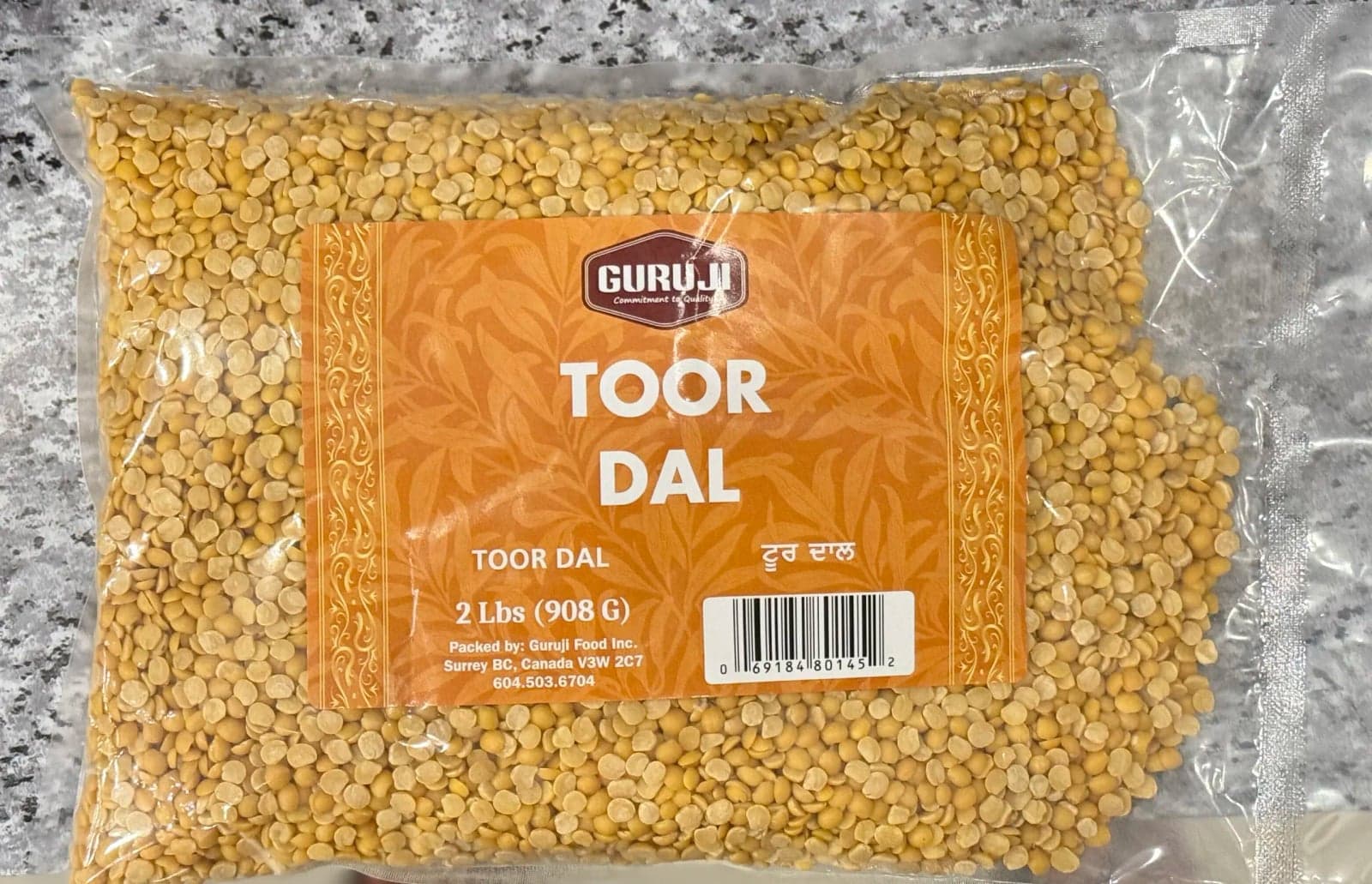
Bhat is the rice, almost always a long-grain like basmati, steamed plain so it can carry everything else. Dal is a thin, well-spiced lentil soup, usually toor dal (also called arhar dal) or a mix of lentils, simmered until it's spoonable but not thick like a stew.
Tarkari is the vegetable side, potato and cauliflower, spinach, green beans, whatever's in the fridge, cooked with turmeric, cumin and a good mustard oil. Achar is the wild card: a spoon of pickled radish, lapsi or mango achar that cuts through the richness and wakes your palate up between bites.
None of the four parts is optional. A plate missing its achar just tastes flat, and dal without a proper tarkari feels unfinished. If you want a full breakdown of how dal itself varies (toor vs moong vs masoor vs chana), our dal varieties compared guide is worth a read before you shop.
Ingredients You'll Need
For the rice: 2 cups of a good long-grain rice. We use Qilla Basmati Rice at home because it stays fluffy and separate, which matters when it's sitting under dal and tarkari for a while. Any rice from our rice & flour shelf works, though basmati is the standard.
For the dal: 1 cup toor dal, rinsed until the water runs clear. Toor dal is the everyday choice in most Nepali households; if you want to swap in moong or masoor for a lighter soup, check our Nepali dal recipe for ratios.
For the tempering (jhaneko) and tarkari: 1 tsp turmeric powder, 1 tsp cumin seeds, 2 tbsp mustard oil, plus garlic, ginger, an onion and whatever vegetables you have (potato, cauliflower, spinach or green beans all work well).
For the achar: a spoon of mixed pickle achar per plate, or make your own with our aloo ko achar recipe if you have extra potatoes on hand.
How to Make Dal Bhat, Step by Step
1. Start the rice first since it holds the longest. Rinse 2 cups of basmati until the water runs mostly clear, then cook it 2:1 with water (or use a rice cooker, which is honestly what most Nepali kitchens actually use). Let it rest covered for 5 minutes off heat before fluffing. For a foolproof method, see how to cook perfect basmati rice.
2. Rinse 1 cup toor dal and boil it with 3 cups water, a pinch of turmeric and a little salt until soft, about 20 to 25 minutes, mashing lightly with the back of your spoon partway through.
3. While the dal simmers, heat 1 tbsp mustard oil in a small pan until it just starts to shimmer. Add cumin seeds and let them sizzle for 10 seconds, then add chopped garlic and dried red chili if you like heat. Pour this tempering straight into the dal pot; it should sizzle loudly, that's the sound you want.
4. For the tarkari, heat the remaining mustard oil in a separate pan, add cumin seeds, then your chopped onion, ginger and garlic. Cook until soft, add turmeric and your vegetables, cover and cook until tender, adding a splash of water if things stick.
5. Plate it all together: rice in the center, dal ladled beside it (or poured right over, which is how most people actually eat it), tarkari on the other side, and a small spoon of achar tucked in the corner. Mix as you go, bite by bite, rather than stirring it all into one pile.
Tips for a Proper Nepali Plate
Dal should be soupy enough to pour over rice, not thick like a Punjabi dal makhani. If yours turns gluey, thin it with hot water rather than cooking it down further.
Mustard oil matters more than people expect; it has a sharper, more pungent flavor than neutral oils and it's what gives tarkari its distinct edge. If you're curious how it stacks up against sunflower or canola for everyday Nepali cooking, we cover that in mustard vs sunflower vs canola oil.
Leftovers keep well for 2 to 3 days refrigerated; the dal actually tastes better the next day once the spices settle in. Reheat gently with a splash of water so it doesn't split.
Variations Across Nepal
Every region and every household has its own version. In the hills, dal bhat often comes with gundruk (fermented leafy greens) instead of a fresh vegetable tarkari. In the Kathmandu valley, a Newari household might serve it alongside choila or a festive samay baji spread instead of a plain daily plate.
If you're building out a full Nepali and Indian pantry rather than shopping one recipe at a time, our Nepali and Indian grocery delivery across Canada guide walks through what to stock and how shipping works to every province.

Frequently asked questions
What dal is used in dal bhat?
Toor dal (also called arhar dal) is the most common everyday choice, but many households rotate in moong or masoor dal, or a mix of two or three. For a side-by-side comparison, see our dal varieties compared guide.
Can dal bhat be made vegan?
Yes, the classic version is already vegan: rice, lentils, vegetable tarkari and achar with no dairy or meat involved. Just make sure your tempering oil is a plant oil like mustard oil rather than ghee, and you're set.
What exactly is tarkari?
Tarkari is simply the cooked vegetable side of the plate, usually potato, cauliflower, spinach or green beans simmered with turmeric, cumin and mustard oil. It changes with the season and with whatever's sitting in the fridge that day.
How long does dal bhat keep in the fridge?
The dal and tarkari both keep well for 2 to 3 days refrigerated, and the dal tends to taste even better the next day. Cook the rice fresh each time if you can, since reheated rice never has quite the same texture.
What achar goes best with dal bhat?
A tangy one is the classic pairing, mixed pickle, lapsi achar or a mango pickle all work well against the mellow dal and rice. If you want to make your own instead of buying a jar, our aloo ko achar recipe is a good starting point.
Is dal bhat gluten-free?
Yes, rice and lentils are both naturally gluten-free, and the standard tarkari and achar don't add any wheat either. It's one of the easiest traditional meals to make for a gluten-free table.
Shop the pantry
Authentic Himalayan staples, delivered anywhere in Canada.
Keep reading
Nepali & Indian Grocery Delivery Across Canada
One Vancouver shop, one nationwide delivery run: real Nepali and Indian groceries shipped coast to coast.
Read the guideNepali Dal Recipe: Simple Everyday Lentils
One pot, one ladle, and the lentil soup that shows up on every Nepali table, every single day.
Read the recipeHow to Cook Perfect Basmati Rice
Soak it, measure it right, and stop stirring: here's how to get fluffy, separate basmati every single time.
Read the recipeAloo ko Achar Recipe: Nepali Potato Salad
Boiled potatoes tossed with roasted sesame, timur and a squeeze of lemon: Nepal's tangiest, most addictive potato salad.
Read the recipe