
Food & Nutrition Guides
Dal Varieties Compared: Toor, Moong, Masoor, Chana, Rajma
Walk into any Nepali or Indian kitchen and you will find at least three kinds of dal in the pantry, each doing a different job. This guide breaks down toor, moong, masoor, chana and rajma side by side, so you know exactly which bag to grab for tonight's dinner.
By Bishnu Koirala · Founder & CEO
Published
On this page
| Cooking Time | Texture & Best Use | |
|---|---|---|
| Toor Dal (Arhar) | 20-25 min, no soak needed | Soft, slightly sticky; everyday sambar and simple ghar ko dal |
| Moong Dal (split, yellow) | 15-20 min, no soak needed | Light, quick-melting; weeknight dal, khichdi, food for kids or when unwell |
| Masoor Dal (Raato Daal) | 15-20 min, no soak needed | Creamy, golden-orange; fast one-pot dals and quick tadka dal |
| Chana Dal | 45-60 min, soak 1-2 hrs first | Firm, nutty bite; chana dal fry, paratha stuffing, festive dishes |
| Rajma (Kidney Beans) | 45-60 min, soak overnight | Thick, hearty; rajma chawal, the classic Sunday comfort meal |
| Kaalo Daal (Black Gram, whole) | 40-50 min, soak overnight | Dense, earthy; dal makhani-style slow-cooked dal, festive dinners |
Why every Nepali and Indian kitchen keeps more than one dal
If you grew up eating dal bhat or dal chawal, you already know the secret: no single dal does everything well. Toor and moong cook fast for a Tuesday night. Chana and rajma need patience but reward you with a heartier, more filling dish.
Keeping a small rotation on hand, Toor Dal (Arhar), Moong Dal, and Masoor Dal (Raato Daal), means you're never stuck deciding what to cook. If you want the full backstory on each one, our Indian Dal & Lentils guide goes deeper into origins and nutrition.
Toor Dal (Arhar): the everyday workhorse
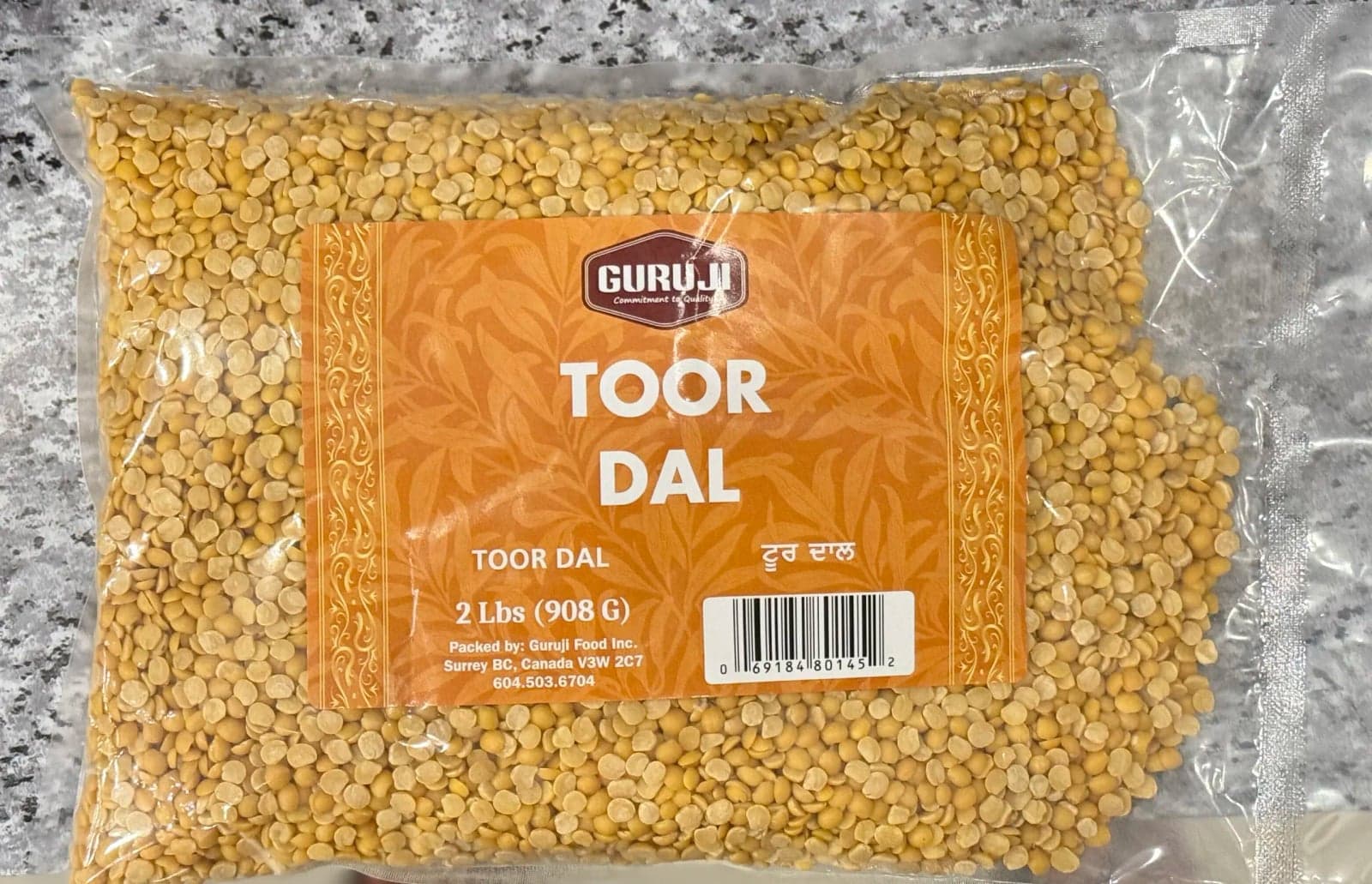
Toor dal, also called arhar dal, is the pale yellow split pigeon pea that anchors South Indian sambar and plenty of North Indian home cooking too. It needs no soaking, cooks soft in about 20-25 minutes, and has a mild, slightly sweet flavour that plays well with tamarind, tomato, and a simple garlic-cumin tadka.
We carry Toor Dal (Arhar) in a 2 lb bag, plenty for several weeks of everyday cooking. For a step-by-step recipe using this exact dal, check our Toor Dal (Arhar) uses and cooking guide.
Moong Dal: the gentlest, fastest dal
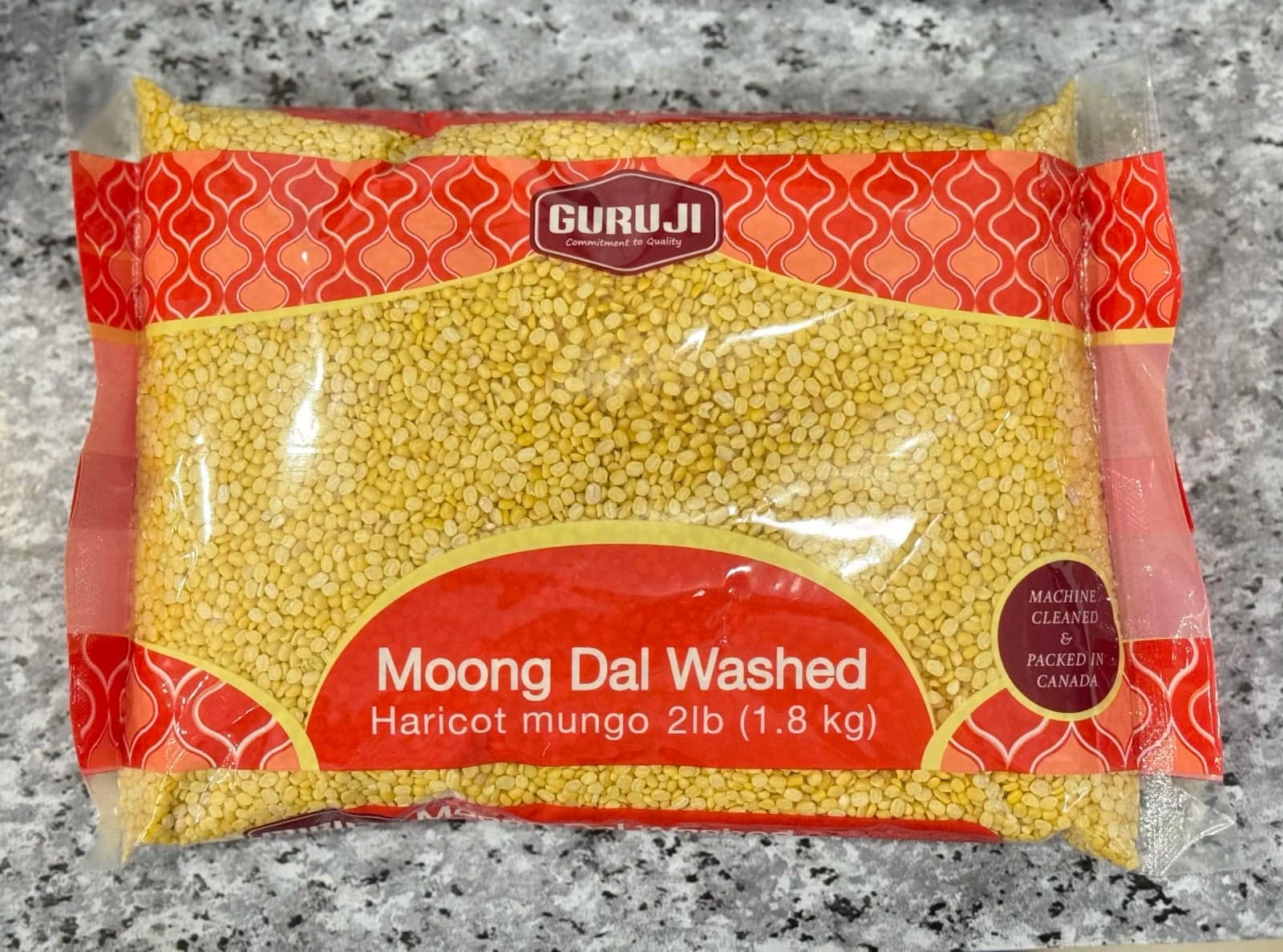
Split yellow moong dal is the lightest of the bunch. It cooks in 15-20 minutes with no soaking, breaks down into a smooth, easily digestible dal, and is what most Nepali and Indian households reach for when someone is sick or a baby is starting solids.
It also makes the fastest khichdi in your rotation. Grab a bag of Moong Dal and pair it with our Moong Dal recipes and benefits guide for ideas beyond the basic tadka version.
Masoor Dal (Raato Daal): the quick, creamy one
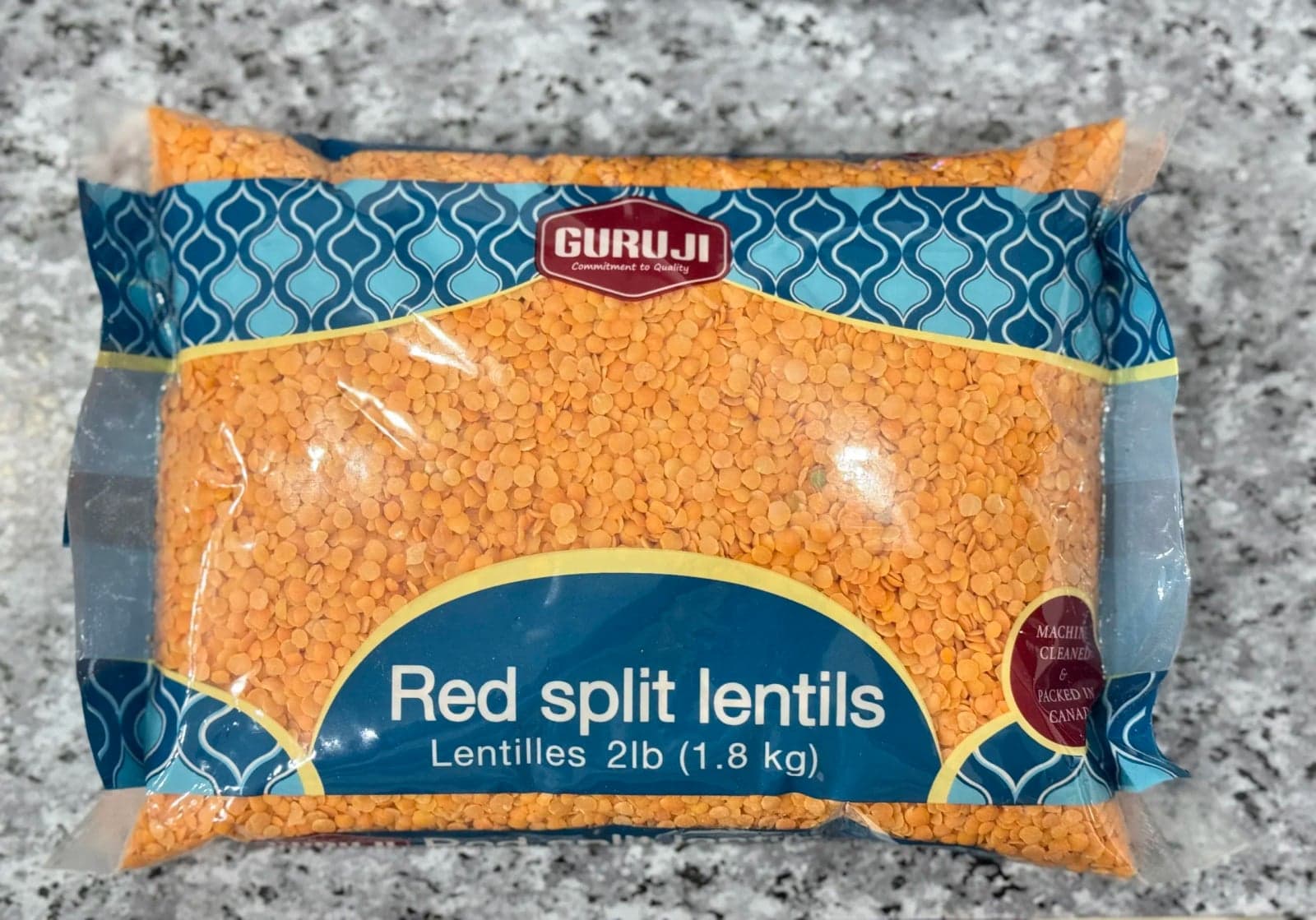
Masoor dal, known as raato daal (red daal) in Nepali households, is sold split and skinned so it looks salmon-pink in the bag and cooks down to a warm golden-orange. It's one of the fastest dals on this list, ready in 15-20 minutes, and turns naturally creamy without needing extra ghee or cream.
This is the dal to reach for on a weeknight when you want something that tastes slow-cooked but really isn't. Pick up Masoor Dal (Raato Daal) and follow our simple Nepali dal recipe for the classic everyday version served with rice.
Chana Dal and Rajma: the ones worth the wait
Chana dal (split chickpeas) and rajma (kidney beans) both need a soak, chana for an hour or two, rajma ideally overnight, and both take closer to 45-60 minutes to cook through. What you get back is texture: chana dal holds its shape with a nutty bite, perfect for chana dal fry or paratha stuffing, while rajma turns thick and hearty in a tomato-onion gravy.
Stock up on Chana Dal and Rajma (Kidney Beans) together, they're the backbone of two very different comfort meals. For rajma specifically, our Rajma (Kidney Beans) complete guide covers soaking times and the classic rajma chawal recipe in detail, and our Chana & Kala Chana chickpea guide walks through both the split and whole versions.
Kaalo Daal: the rich, slow-cooked option
Kaalo daal, whole black gram (urad), is the dal behind rich, restaurant-style dal makhani. Left whole with the skin on, it needs an overnight soak and a slow simmer of 40-50 minutes or more to break down into that dense, buttery texture.
It is not a weeknight dal, it is a weekend project, but the payoff is worth it. We stock Kaalo Daal (Black Gram) alongside the rest of our lentils and dal selection, and if you are outfitting a whole pantry at once, our Nepali & Indian grocery delivery across Canada hub is the best starting point for shipping to your province.
How to pick the right dal for tonight
Short on time or cooking for a picky toddler: reach for moong or masoor. Making a big Sunday meal with rice and salad on the side: rajma or chana dal. Want an everyday dal that just works: toor is the safe, reliable choice most Nepali and Indian households default to.
Whatever you choose, most dals cook fastest in a pressure cooker or Instant Pot, cutting even the long-soak varieties down to 15-20 minutes under pressure. Pair any of these with fresh rice & flour and a good spices & masala shelf, and dinner comes together in under 30 minutes most nights.
Frequently asked questions
What is the difference between toor dal and chana dal?
Toor dal (split pigeon pea) is soft, mild, and cooks in about 20 minutes with no soaking. Chana dal (split chickpea) is firmer, nuttier, and needs soaking plus 45-60 minutes to cook. Toor dal breaks down into a smooth dal, while chana dal holds its shape, which is why it works so well in dishes like chana dal fry. See our Toor Dal (Arhar) guide and Chana & Kala Chana guide for more detail.
Which dal cooks the fastest?
Moong dal and masoor dal (raato daal) are the fastest, both ready in 15-20 minutes with no soaking required. That makes Moong Dal and Masoor Dal (Raato Daal) the go-to picks on a busy weeknight.
Do I need to soak dal before cooking?
Toor, moong and masoor dal generally do not need soaking, just rinse and cook. Chana dal benefits from a 1-2 hour soak, and rajma and kaalo daal cook much better with an overnight soak. Soaking shortens cooking time and makes the beans easier to digest.
Is rajma the same as kidney beans?
Yes, rajma is the Hindi and Nepali word for kidney beans. It is the same bean used in rajma chawal, one of the most popular North Indian comfort meals. Our Rajma (Kidney Beans) guide covers soaking, cooking, and the classic recipe.
Which dal is best for a baby or someone who is sick?
Moong dal is the gentlest choice. It is easy to digest, cooks down soft and smooth, and is the traditional first dal for babies starting solids or anyone recovering from illness in Nepali and Indian households.
Does Danphe Stores ship dal across Canada?
Yes. All of our dal varieties ship from our Vancouver store to every province and territory in Canada, with free delivery from $35 in central Metro Vancouver and same-day delivery available there by phone. See our Nepali & Indian grocery delivery across Canada page for shipping details to your area.
Shop the pantry
Authentic Himalayan staples, delivered anywhere in Canada.
Keep reading
Nepali & Indian Grocery Delivery Across Canada
One Vancouver shop, one nationwide delivery run: real Nepali and Indian groceries shipped coast to coast.
Read the guideIndian Dal & Lentils: Toor, Moong, Chana, Rajma, Masoor
Toor for the everyday pot, moong for khichdi, chana for a thick gravy, rajma for Sunday chawal, masoor for a quick weeknight dal: here's which is which.
Read the guideToor Dal (Arhar): Uses & Cooking Guide
The everyday yellow lentil behind sambar and dal fry, and exactly how to cook it right.
Read the guideMoong Dal: Yellow & Whole, Recipes & Benefits
Yellow, whole, split or sprouted: moong dal is the gentlest, fastest-cooking lentil in the Nepali and Indian kitchen, and here is exactly how to use it.
Read the guide