
Food & Nutrition Guides
Rajma (Kidney Beans): The Complete Guide
Rajma is the dish that turns a Sunday into an event: a slow-simmered pot of kidney beans in a thick tomato-onion gravy, ladled over rice. This guide covers picking the right bean, soaking and cooking it properly, and the small habits that separate soupy rajma from the rich, spoon-coating kind everyone asks for seconds of.
By Bishnu Koirala · Founder & CEO
Published
On this page
What is rajma, exactly?
Rajma is simply the Hindi and Punjabi word for red kidney beans, the same large, dark red, kidney-shaped bean you have probably seen dried or canned at any grocery store. What makes it rajma, though, is the dish: a thick, deeply spiced curry where the beans are simmered until they practically fall apart and thicken their own gravy.
It is a North Indian staple, especially in Punjabi homes, but it has become one of those dishes every Indian and Nepali kitchen in Canada leans on for a weeknight that needs to feel like a weekend. Our Indian dal & lentils guide covers rajma alongside toor, moong, and chana, but rajma earns its own space because it behaves so differently on the stove: bigger bean, longer soak, richer gravy.
If you are shopping our indian grocery store online in Canada, rajma sits in the beans and lentils aisle right next to chana and the black-eyed peas, and it is one of the easiest ingredients to keep stocked because a single 2 lb bag stretches across several meals.
Which kidney beans to buy
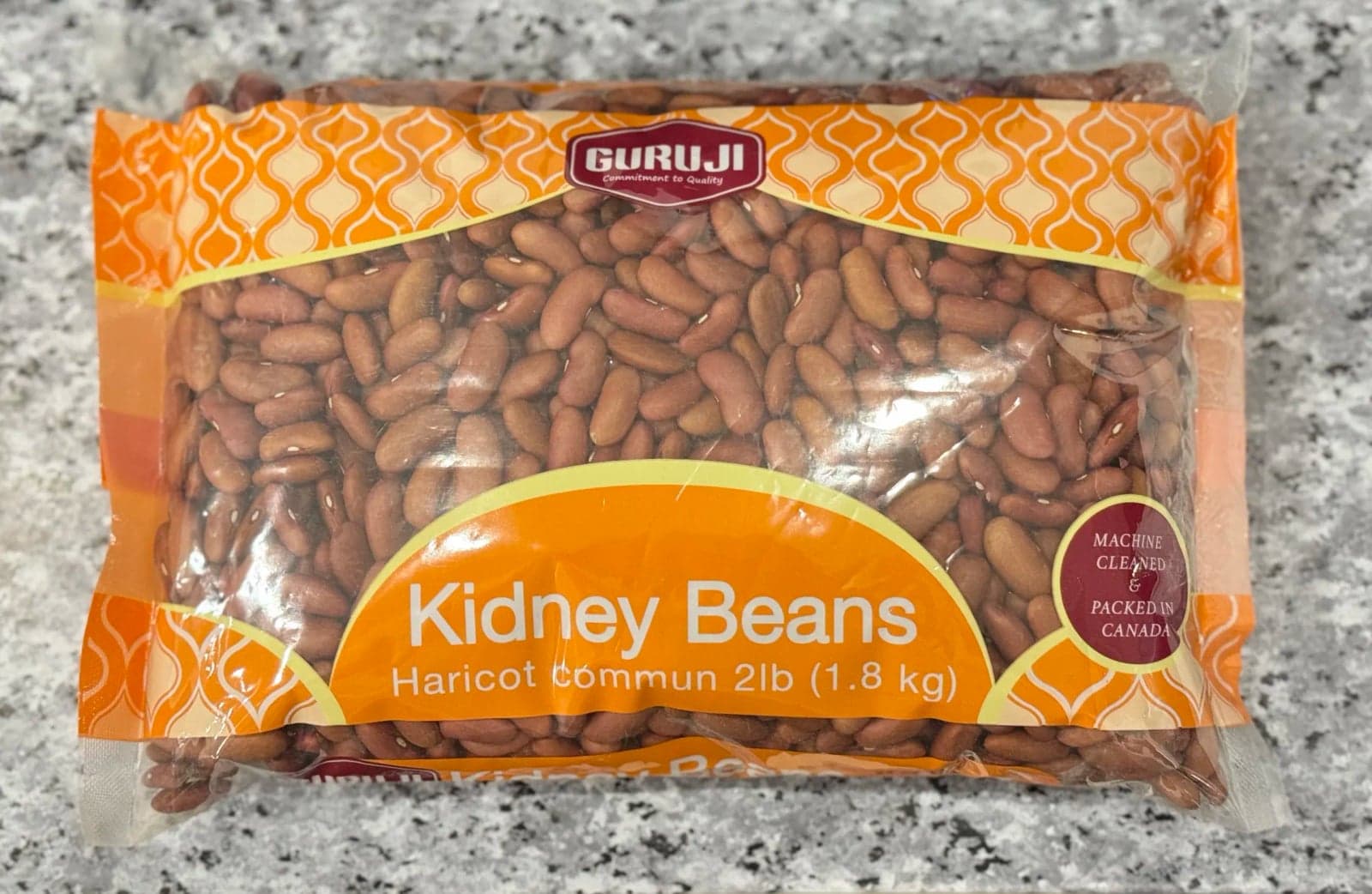
Most of what you will find labeled rajma is the dark red kidney bean, and that is what we stock as our Rajma (Kidney Beans), a straightforward 2 lb bag that is exactly what a Punjabi rajma pot calls for. It cooks up creamy with a slightly earthy, almost meaty flavour once it has simmered long enough.
You will also see light red kidney beans in some recipes, which are a touch milder and hold their shape a bit more, and Kashmiri rajma, a smaller, lighter bean grown in the Kashmir valley that some cooks swear by for its sweetness. For everyday rajma chawal, though, dark red is the reliable, widely available choice, and it is what most Indian restaurants in Canada are actually using.
One quick sanity check when buying dried rajma anywhere: look for beans that are uniform in size and colour, without a lot of broken pieces or dust at the bottom of the bag. That usually means fresher stock and a shorter, more even cook.
Soaking rajma the right way
Rajma is not a bean you can rush. It needs a proper soak, ideally 8 hours or overnight, in enough cool water to cover it by a couple of inches, because the beans roughly double in size as they rehydrate.
Skipping the soak is the number one reason people end up with rajma that stays tough even after an hour on the stove. If you forgot to soak the night before, a quick-soak works in a pinch: boil the beans for 2 minutes, then let them sit off the heat, covered, for an hour before draining and starting the cook fresh.
Always discard the soaking water and rinse the beans before cooking. That water carries off some of the compounds that make dried beans harder to digest, and it also just tastes better going into a fresh pot rather than reusing cloudy soak water.
Cooking rajma: pressure cooker vs stovetop
A pressure cooker (or Instant Pot) is genuinely the easiest way to get rajma right: soaked beans, enough water to cover by an inch, and roughly 15 to 20 minutes at high pressure gets you soft, creamy beans every time, with the cooking liquid saved to thicken the gravy later.
On the stovetop it is a longer game, usually 60 to 90 minutes of a slow simmer with the lid slightly ajar, topping up water as needed and skimming the foam that rises early on. Either way, salt goes in only once the beans are already tender; salting too early is the other classic mistake that leaves rajma stubbornly firm.
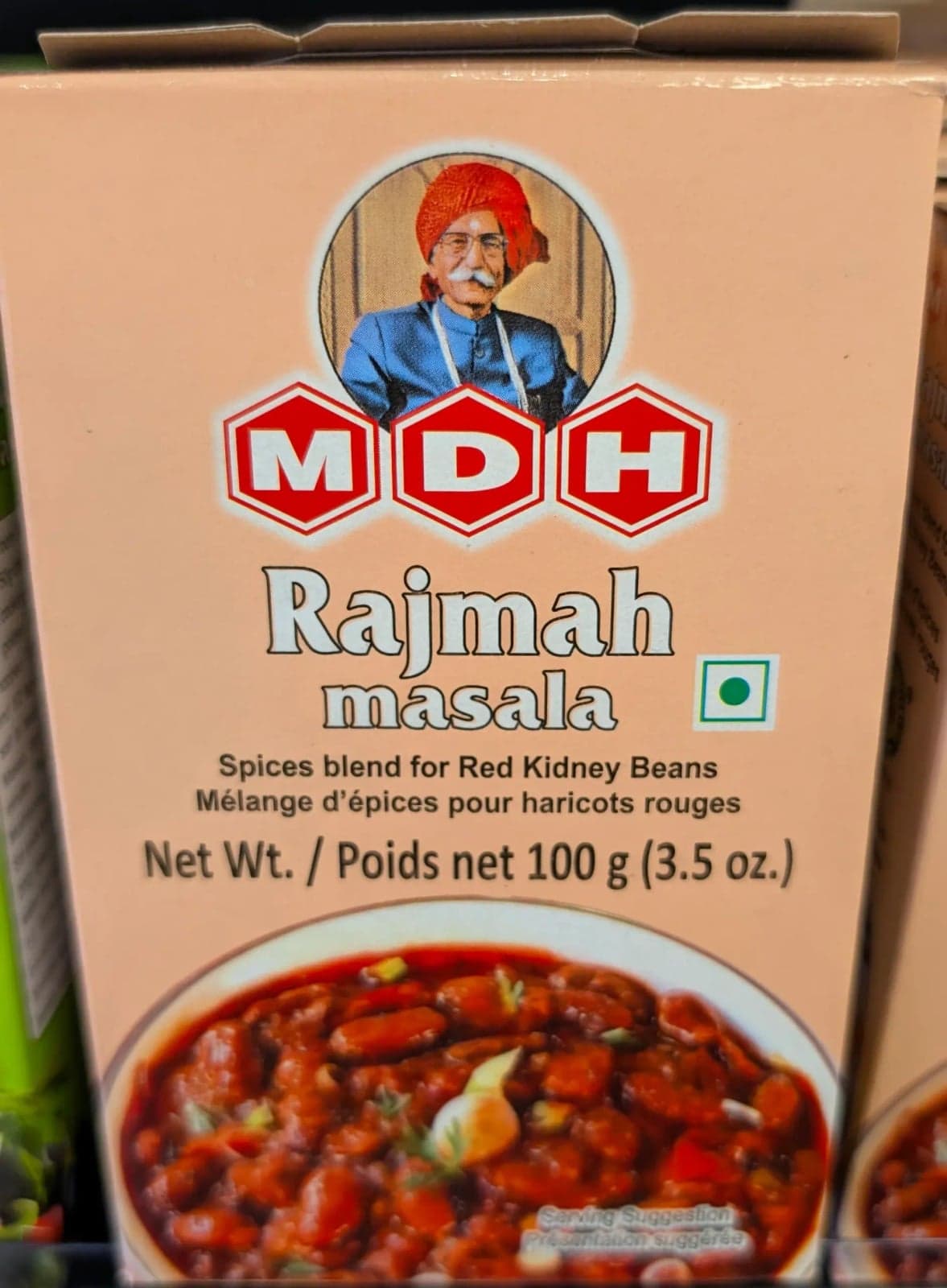
The gravy itself is built separately: onions browned well, ginger-garlic, tomatoes cooked down until the oil separates, and a spoon or two of a dedicated blend like MDH Rajmah Masala so you are not guessing at the ratio of coriander, amchur, and dried fenugreek that makes rajma taste like rajma. A pinch of Kashmiri chilli powder gives it colour without too much heat, and the cooked beans go in at the end to simmer together for at least 20 minutes so the gravy soaks into every bean.
Rajma chawal: the pairing that makes it a meal
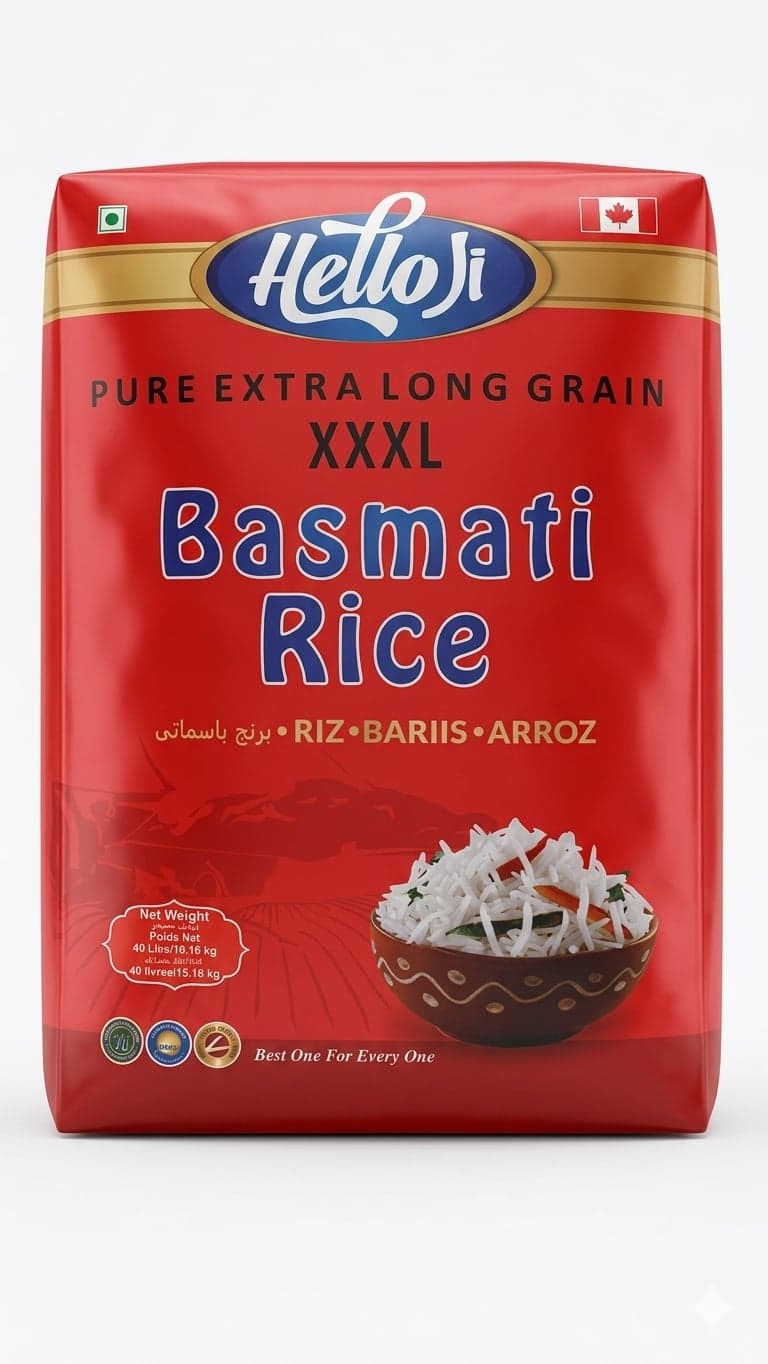
Rajma is almost never eaten alone in North India: it is rajma chawal, beans over rice, and the rice matters more than people expect. Long-grain basmati like our Hello Ji Basmati Rice keeps its grains separate and fluffy, which is exactly the texture you want under a thick, saucy curry rather than a sticky short-grain rice that clumps with the gravy.
We have a full rajma chawal recipe if you want exact measurements, but the short version is: cook your rice separately so it stays fluffy, keep the rajma gravy on the thicker side (mash a few beans against the pot if it needs body), and serve it hot with a squeeze of lemon and raw onion on the side.
If you have not settled on a go-to basmati yet, our best basmati rice in Canada guide and our breakdown of golden sella vs regular basmati both walk through what changes between the aged, parboiled sella grains and the standard white basmati, since either works fine under rajma.
Spices, nutrition, and keeping rajma in your pantry
Beyond the dedicated rajmah masala, a good rajma pot leans on the basics: toasted cumin seeds for the tadka at the start, and a finishing pinch of garam masala stirred in right at the end so its aroma does not cook away. Our garam masala & everyday Indian spices guide is worth a read if you want to understand what is actually in that blend.
Nutritionally, rajma is hard to beat for a plant-based protein: roughly 15 grams of protein per cooked cup, plus a solid dose of fibre and iron, which is part of why it shows up so often alongside dal in dal bhat, the everyday Nepali plate built around rice and lentils.
Dried rajma keeps well for a year or more in a sealed container in a cool, dry cupboard, so buying it in the 2 lb bag rather than small packets is the more practical move if it is in regular rotation at home. If you are comparing it against other Himalayan and Indian pulses, our dal varieties compared guide and our Jumla beans guide both put rajma side by side with its cousins.
Frequently asked questions
Do I really need to soak rajma overnight?
Yes, or at least for a solid 8 hours. Rajma is a dense, thick-skinned bean, and an overnight soak in plenty of cool water is what lets it cook through evenly instead of staying chalky in the centre. If you forgot, a quick boil-and-rest method can substitute in a pinch, but plan-ahead soaking gives the best texture every time.
Can I use canned kidney beans instead of dried rajma?
You can, and it saves time, but the texture and flavour will be softer and less distinct since canned beans are already fully cooked and packed in liquid. For an authentic rajma chawal with that characteristic thick, clingy gravy, dried rajma that you soak and cook yourself gets noticeably closer to what you would get at a Punjabi dhaba.
Why is my rajma still hard even after an hour of cooking?
This is almost always either an insufficient soak or salting too early. Salt firms up the outer skin of beans and slows down softening, so add it only once the beans are already tender. Old, poorly stored dried beans can also simply take longer no matter what you do, which is another reason to buy from a shop that turns over stock regularly.
What is the difference between rajma and chana?
Rajma is the red kidney bean, larger and kidney-shaped, used mainly in the North Indian rajma curry. Chana refers to chickpeas, either the lighter kabuli chana or the smaller brown kala chana, and shows up in very different dishes like chana masala or chaat. Our chana & kala chana guide breaks that pulse down separately.
What rice goes best with rajma?
A good long-grain basmati is the classic pairing, since it stays fluffy and separate under a thick gravy instead of turning gluey. Anything from our rice & flour selection works, though extra-long grain basmati is the traditional choice for rajma chawal.
Does Danphe Stores ship rajma across Canada?
Yes. Rajma and everything else you would need for it, from rajmah masala to basmati rice, ships from our Vancouver store to all 10 provinces and 3 territories, usually within 5 to 10 business days, with free shipping on orders over $35 within central Metro Vancouver. If you are local, same-day delivery is available by calling us directly.
Shop the pantry
Authentic Himalayan staples, delivered anywhere in Canada.
Keep reading
The Best Indian Grocery Store Online in Canada
Basmati, dal, garam masala, Haldiram’s, Britannia, Wagh Bakri, rasgulla, Dabur — the Indian pantry, delivered anywhere in Canada.
Read the guideRajma Chawal Recipe: Kidney Bean Curry & Rice
Slow-simmered kidney beans in a spiced onion-tomato gravy, ladled over fluffy basmati rice: the ultimate Sunday comfort meal.
Read the recipeIndian Dal & Lentils: Toor, Moong, Chana, Rajma, Masoor
Toor for the everyday pot, moong for khichdi, chana for a thick gravy, rajma for Sunday chawal, masoor for a quick weeknight dal: here's which is which.
Read the guideDal Varieties Compared: Toor, Moong, Masoor, Chana, Rajma
Five dals, five personalities: here is which one to reach for tonight and how fast it actually cooks.
Read the guide