
Recipes
Nepali Dal Recipe: Simple Everyday Lentils
Dal is not a side dish in a Nepali kitchen, it is the daily heartbeat of the meal. This is the simple, no-fuss version my family makes on a regular Tuesday: soft lentils, a quick jimbu tempering, and a spoon of ghee at the end.
By Bishnu Koirala · Founder & CEO
Published
On this page
What Nepali Dal Actually Is
Ask any Nepali household what they had for dinner and the honest answer is almost always some version of dal bhat: rice, lentils, a vegetable, maybe a pickle. Dal is the lentil part of that plate, and it is eaten at least once a day in most homes, including mine.
It is not the thick, cream-heavy dal makhani you might know from restaurant menus. Everyday Nepali dal is thinner, brighter, and built for pouring over rice rather than scooping with naan. If you want the full picture of that plate, our dal bhat recipe walks through the whole meal, but this post is just about getting the dal itself right.
The base can be almost any lentil in your pantry. What makes it taste unmistakably Nepali is less about which dal you use and more about the tempering, called jhaneko, that goes in at the end. That is where jimbu comes in, and we will get to it.
Ingredients for Everyday Nepali Dal
You need surprisingly little to make a good pot of dal. Here is what goes into the version below, all of it things we stock because they are what our own families cook with:
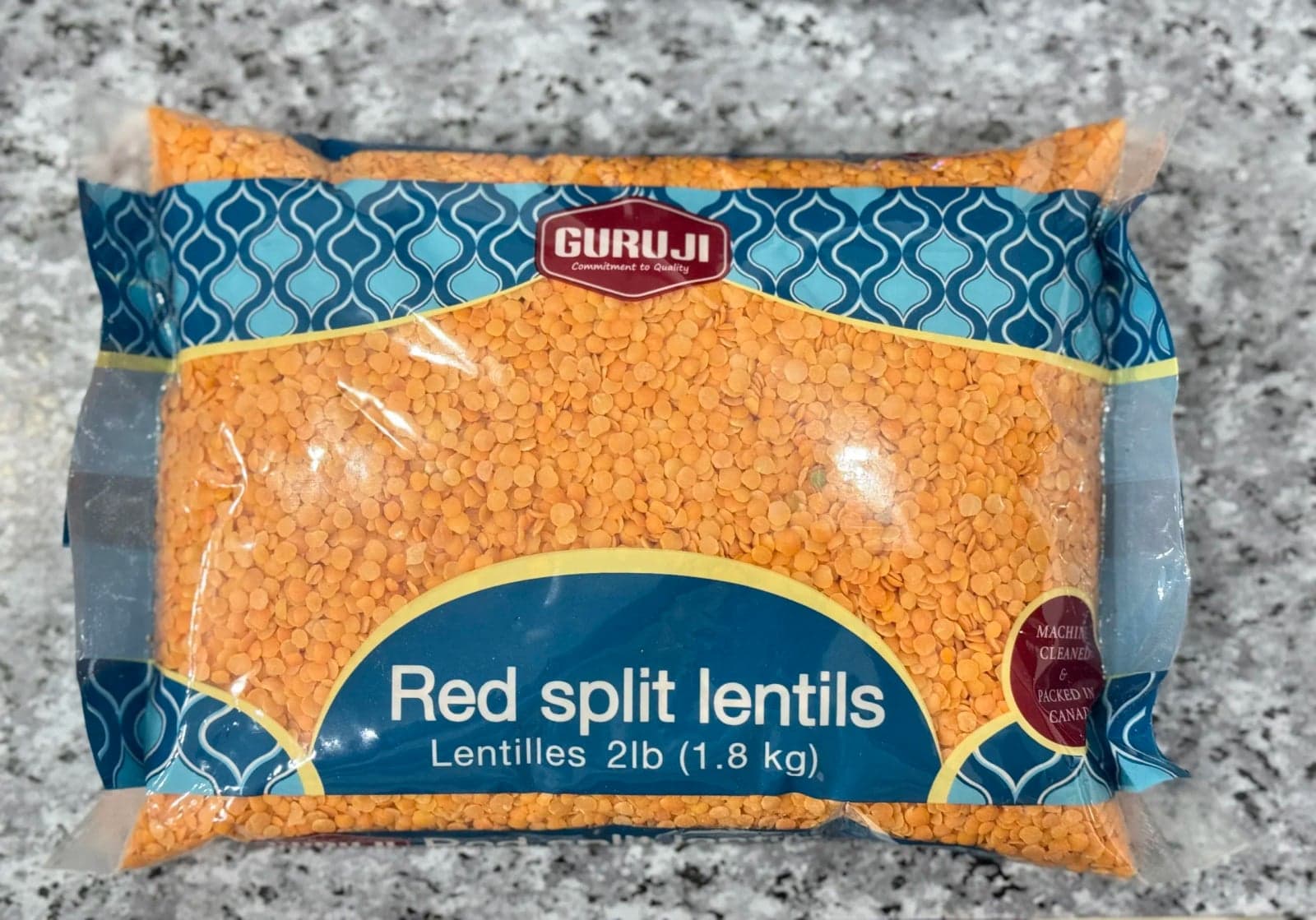
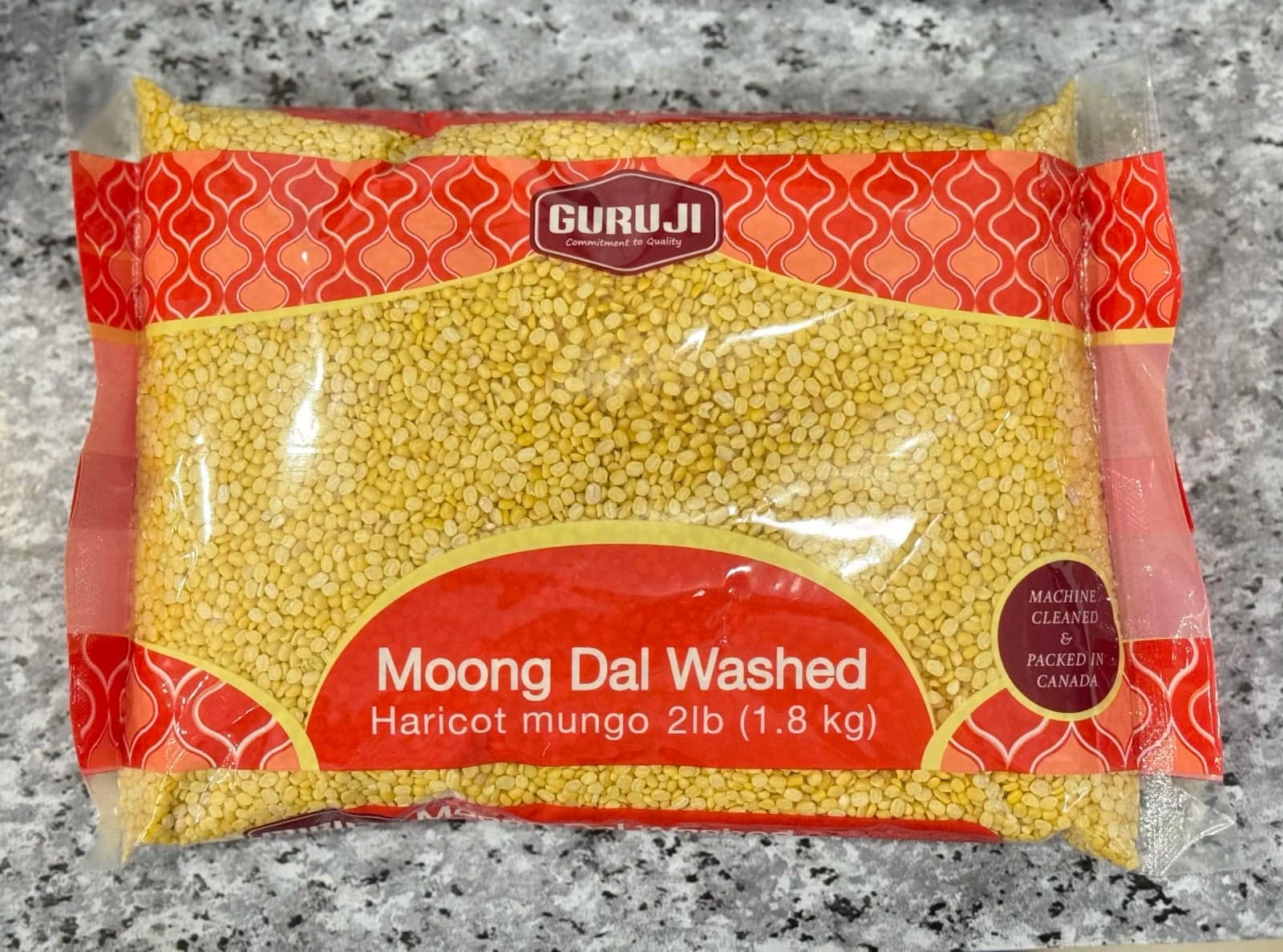
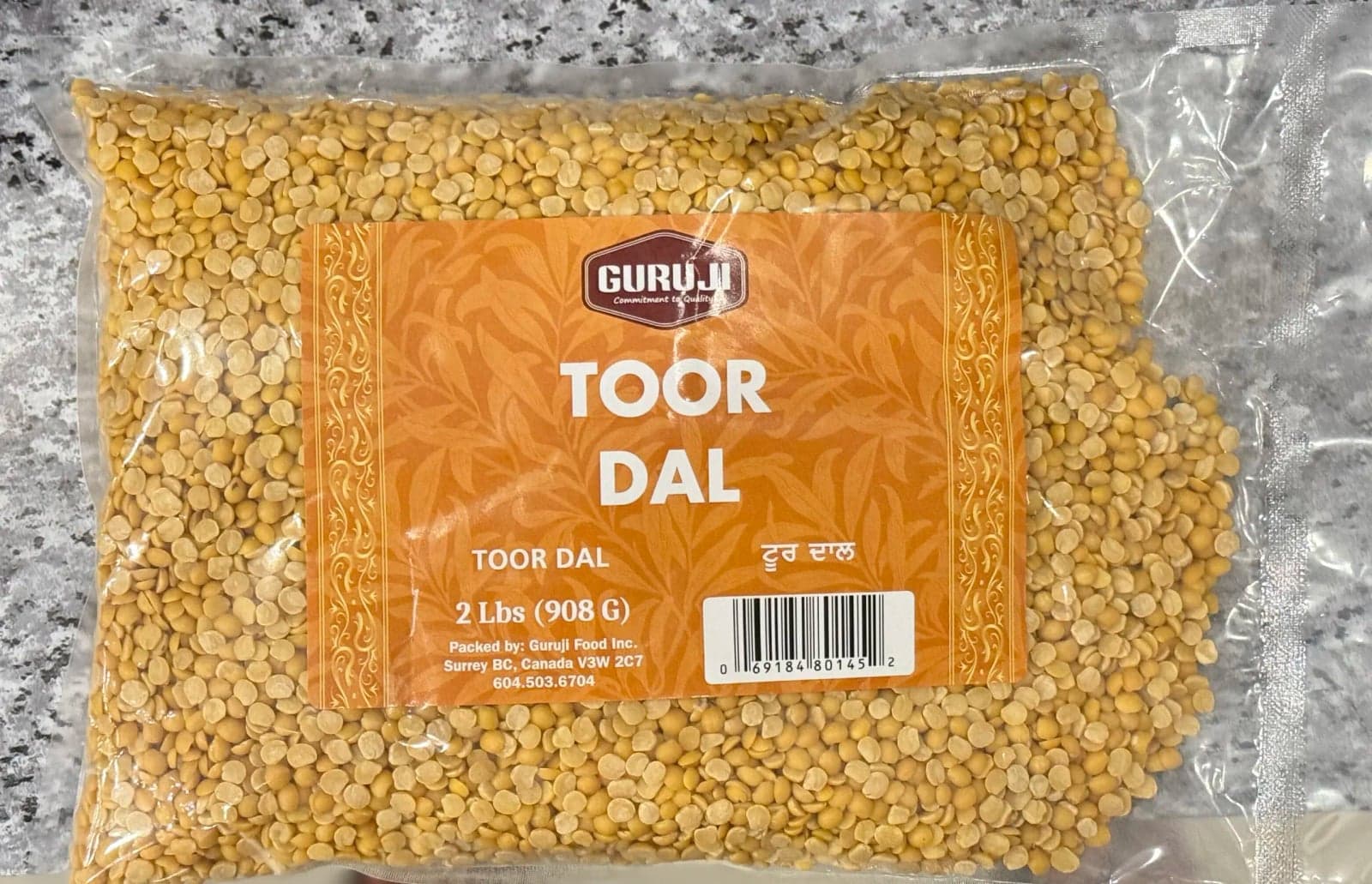
1 cup lentils: Red Split Lentils (Masoor) for the fastest weeknight version, Moong Daal for something lighter and easier to digest, or Toor Daal (Arhar) for a deeper, nuttier pot. Half a teaspoon turmeric powder, for colour and warmth. Salt to taste. 2 tablespoons oil or ghee, for the tempering. 1 teaspoon cumin seeds. A small pinch of jimbu, the dried mountain herb that is the real signature of Nepali dal. 2 to 3 dried red chilies, a chopped onion, garlic and ginger, all optional but traditional.
That is genuinely most of the recipe, and every one of these ingredients keeps for months in a sealed jar, so it is worth stocking a proper Nepali pantry rather than buying dal one bag at a time.
How to Make Nepali Dal, Step by Step
1. Rinse the lentils two or three times until the water runs mostly clear. Masoor and moong barely need soaking, but toor daal cooks faster if you soak it for 30 minutes first.
2. Add the lentils to a pot with turmeric, a little salt, and about three cups of water. Bring it to a boil, then reduce to a simmer. In a pressure cooker this takes about 3 to 4 whistles for masoor or moong, closer to 5 for toor.
3. On the stovetop, simmer uncovered, skimming any foam, until the lentils are fully soft and starting to break down, usually 25 to 40 minutes depending on which dal you chose. Stir occasionally so nothing sticks.
4. Once soft, mash the lentils lightly with the back of your ladle. Nepali dal is meant to be a bit rustic, not perfectly smooth. Add more hot water if it has gotten too thick, dal should pour, not sit like porridge.
5. Now make the jhaneko: heat the oil or ghee in a small pan until it shimmers. Drop in the cumin seeds and jimbu first, they should sizzle and turn fragrant within seconds. Add chopped garlic, ginger, and dried red chili if using, and cook for another 20 to 30 seconds, watching closely so the jimbu does not burn.
6. Pour the whole sizzling tempering straight into the pot of dal. It will hiss loudly, that sound is exactly what you want. Stir it in, taste for salt, and simmer for another minute so the flavours marry.
The Jimbu and Ghee Tempering Trick
If you skip everything else in this recipe but keep the jimbu tempering, you will still land close to authentic. Jimbu is a dried Himalayan herb, somewhere between chive and onion in flavour, and it is what separates Nepali dal from Indian dal cooked with the same lentils.
It only needs a few seconds in hot fat to release its aroma, so add it early in the tempering, before the garlic and ginger, and keep the heat attentive. Burnt jimbu turns bitter fast.
A spoon of ghee stirred into the finished pot, on top of the oil tempering, is the finishing touch a lot of home cooks add on weekends or for guests. It rounds out the dish and gives it that glossy, restaurant-style top layer without any extra work.
Toor, Moong, or Masoor: Which Dal Should You Cook
Toor daal, also called arhar, gives the deepest and most savoury pot, closest to what you get with dal bhat at a Nepali restaurant. It takes the longest to cook and holds its earthy flavour well against a strong jimbu tempering. Our toor dal guide has more on cooking times and uses if you want to go deeper.
Moong daal is lighter, cooks fastest, and is what most Nepali families reach for when someone is unwell or a baby is starting solids. It is gentle on digestion and still delicious with the same jhaneko. See our moong dal guide for the split versus whole distinction.
Masoor, the red split lentil, is the weeknight workhorse: no soaking needed, ready in 20 minutes, and forgiving if you overcook it slightly. If you are new to Nepali cooking or just want dinner on the table fast, start here.
Not sure which to buy first? Our dal varieties compared guide lines up toor, moong, masoor, chana, and rajma side by side, and the broader Indian dal and lentils guide covers how each one is used across the subcontinent.
Serving and Storing Your Dal
Serve it hot, ladled generously over steamed rice, alongside a vegetable curry and a spoon of achar. Dal is the everyday partner to rice, not the special occasion dish.
Dal keeps beautifully. Refrigerate it in a sealed container for up to 4 days, or freeze portions for up to 2 months. It usually tastes even better the next day once the tempering has had time to sit in.
Lentils are also one of the best everyday protein sources in a Nepali kitchen, especially useful if you are cooking vegetarian meals regularly.
We ship Nepali and Indian groceries across Canada, including all the lentils and spices in this recipe, from our shop on East Hastings in Vancouver to doorsteps in every province and territory.
Frequently asked questions
What is the difference between Nepali dal and Indian dal?
The lentils themselves are often the same, toor, moong, masoor, chana. The difference is mostly in the tempering. Nepali dal leans on jimbu, a dried mountain herb, and tends to be thinner and simpler, meant to be poured over rice rather than eaten on its own with bread.
Can I make Nepali dal without jimbu?
You can, and it will still taste good, but it will not taste distinctly Nepali. Jimbu is what most people who grew up with this dish are actually tasting for, and it keeps well in the pantry for months, so it is worth having a small jar on hand.
Which lentil cooks the fastest for a weeknight dal?
Masoor, the red split lentil, cooks in about 20 minutes on the stovetop with no soaking required. Moong daal is close behind. Toor daal takes longer and benefits from a 30 minute soak first.
Do I need a pressure cooker to make this recipe?
No. A regular pot works fine, it just takes a bit longer, usually 25 to 40 minutes of simmering depending on the lentil. A pressure cooker speeds things up, especially for toor daal, but is not required.
Is Nepali dal vegan and gluten free?
Yes, as long as you use oil instead of ghee for the tempering. Lentils, jimbu, turmeric, and cumin are all naturally plant based and gluten free, which makes dal one of the easiest Nepali dishes to adapt.
Can I order the lentils and jimbu online in Canada?
Yes. We carry masoor, moong, and toor daal along with jimbu and the everyday spices this recipe needs, and we ship them from our Vancouver store to addresses across Canada, with free delivery on orders over $35 in central Metro Vancouver.
Shop the pantry
Authentic Himalayan staples, delivered anywhere in Canada.
Keep reading
Nepali & Indian Grocery Delivery Across Canada
One Vancouver shop, one nationwide delivery run: real Nepali and Indian groceries shipped coast to coast.
Read the guideDal Bhat Recipe: Nepal's Everyday Meal
Rice, dal, a vegetable curry and a spoon of pickle: this is the plate that feeds Nepal every single day.
Read the recipeDal Varieties Compared: Toor, Moong, Masoor, Chana, Rajma
Five dals, five personalities: here is which one to reach for tonight and how fast it actually cooks.
Read the guideIndian Dal & Lentils: Toor, Moong, Chana, Rajma, Masoor
Toor for the everyday pot, moong for khichdi, chana for a thick gravy, rajma for Sunday chawal, masoor for a quick weeknight dal: here's which is which.
Read the guide