
Food & Nutrition Guides
Dal & Lentils Protein Guide: Which Dal Has the Most
Dal is the backbone of protein in a Nepali or Indian kitchen, and every household has an opinion about which one is ‘best’. This guide lines up toor, moong, masoor and chana side by side using their nutrition labels, so you can pick the right dal for the right meal instead of just the one your mother used.
By Bishnu Koirala · Founder & CEO
Published
On this page
Why Dal Is a Protein Workhorse
Almost every dal sits in the same rough range: about 18 to 25 grams of protein per 100 grams of raw, dry lentils, which is more protein by weight than most whole grains and comparable to many meats before cooking loss is factored in.
That is one reason dal bhat has fed the subcontinent and the Himalayas for centuries without meat on the plate every day. Pair any dal with rice and you get a fuller amino acid profile than either food gives alone, which is the whole logic behind our dal bhat recipe.
The label on a 2 lb bag of dal is the most honest place to compare protein, since cooking method, water content and portion size can shift the numbers you see quoted online.
Protein by the Cup: Toor, Moong, Masoor and Chana
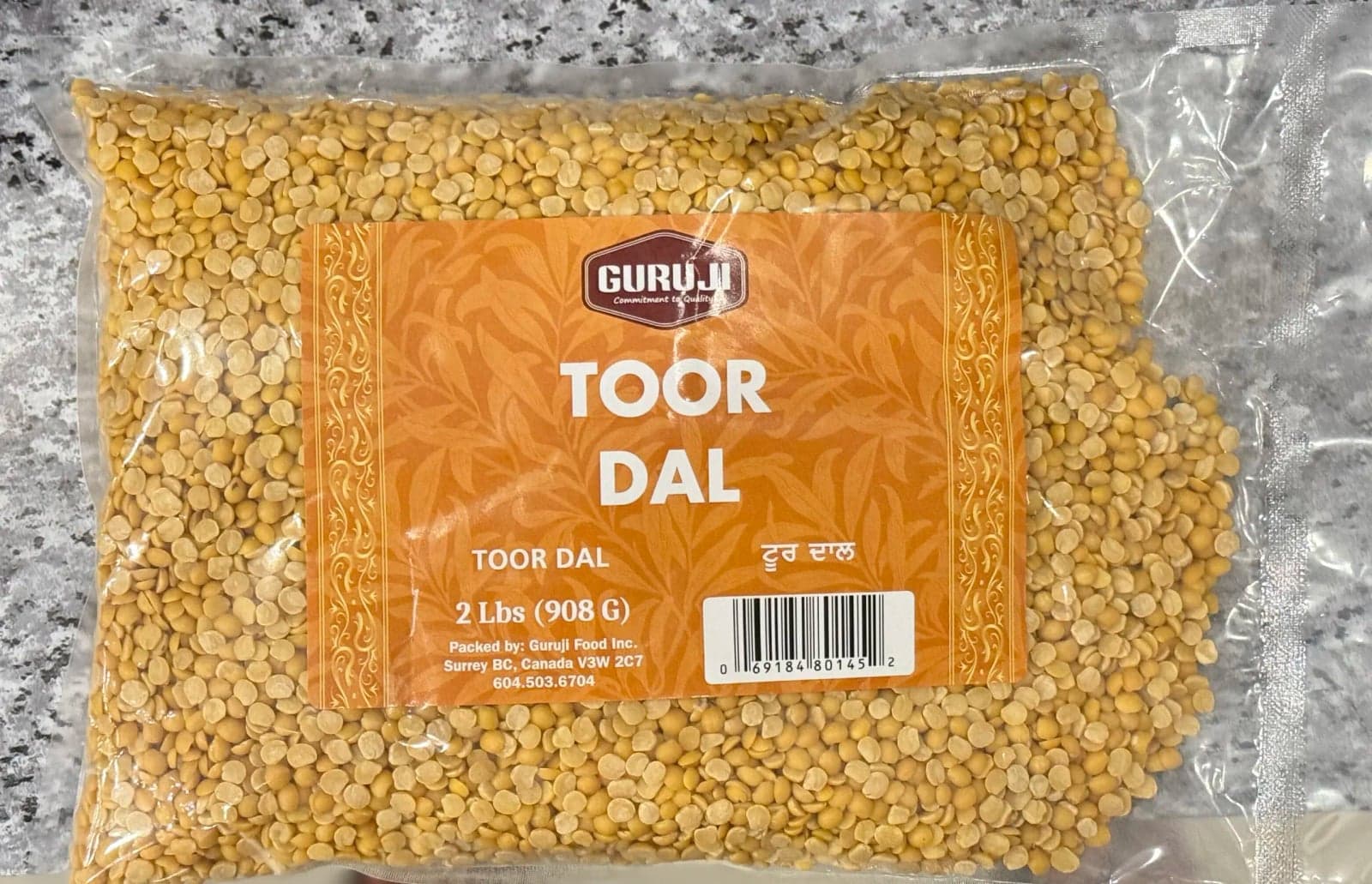
Toor dal (arhar), the split pigeon pea used in sambar and most everyday Indian dal, runs around 22 to 23 grams of protein per 100 grams dry. It also carries a good dose of fibre, which is part of why Toor Dal (Arhar) cooks down into that thick, comforting texture. Our dedicated toor dal guide covers soaking and pressure-cooking times if you want the fastest route to the table.
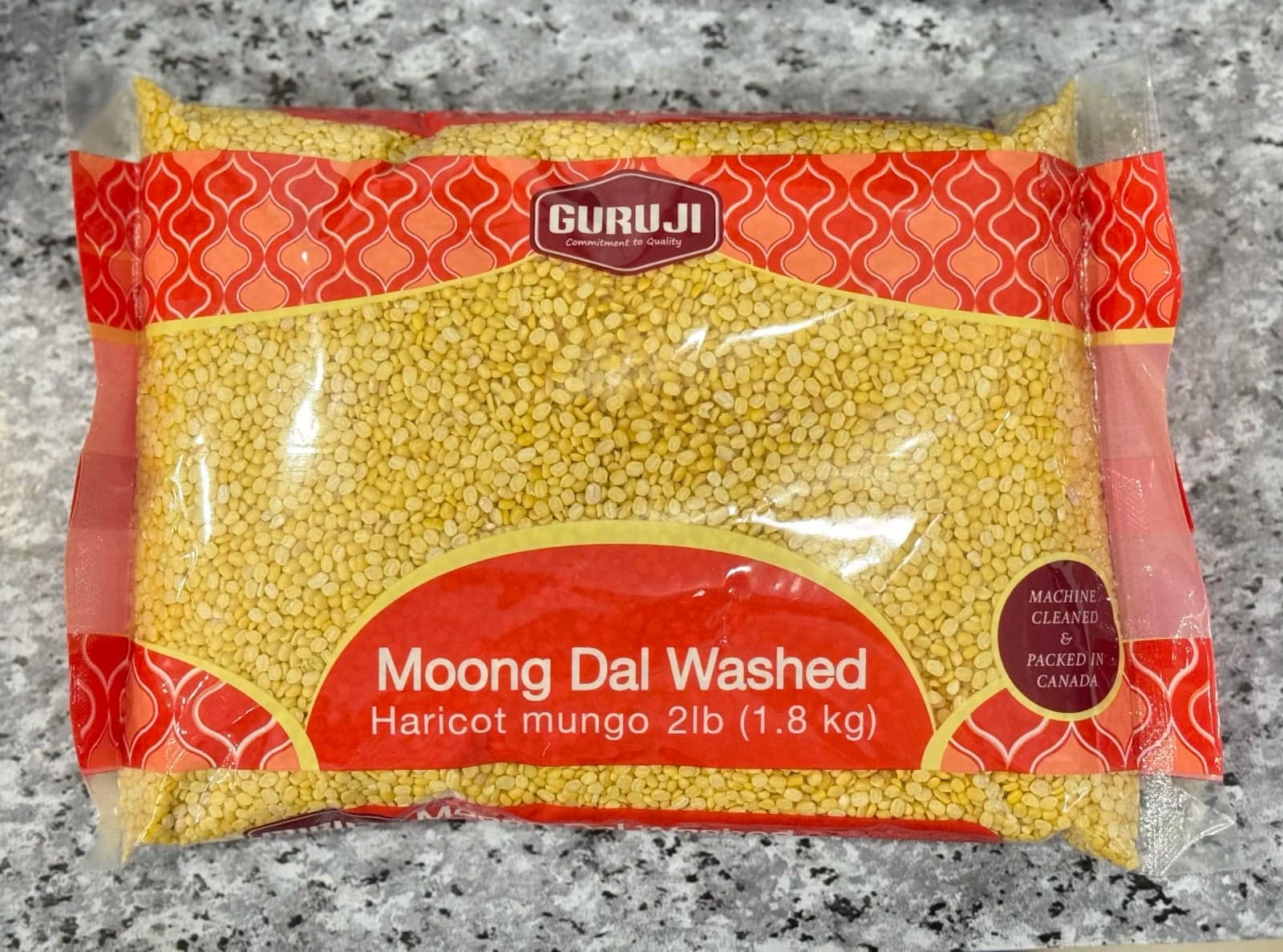
Moong dal, whether split yellow or whole green, sits at a similar 24 grams per 100 grams and digests noticeably easier than toor, which is why it is the dal doctors and grandmothers both reach for during illness or a light dinner. Moong Dal also cooks faster than any other dal in this list. See the full breakdown in our moong dal guide.
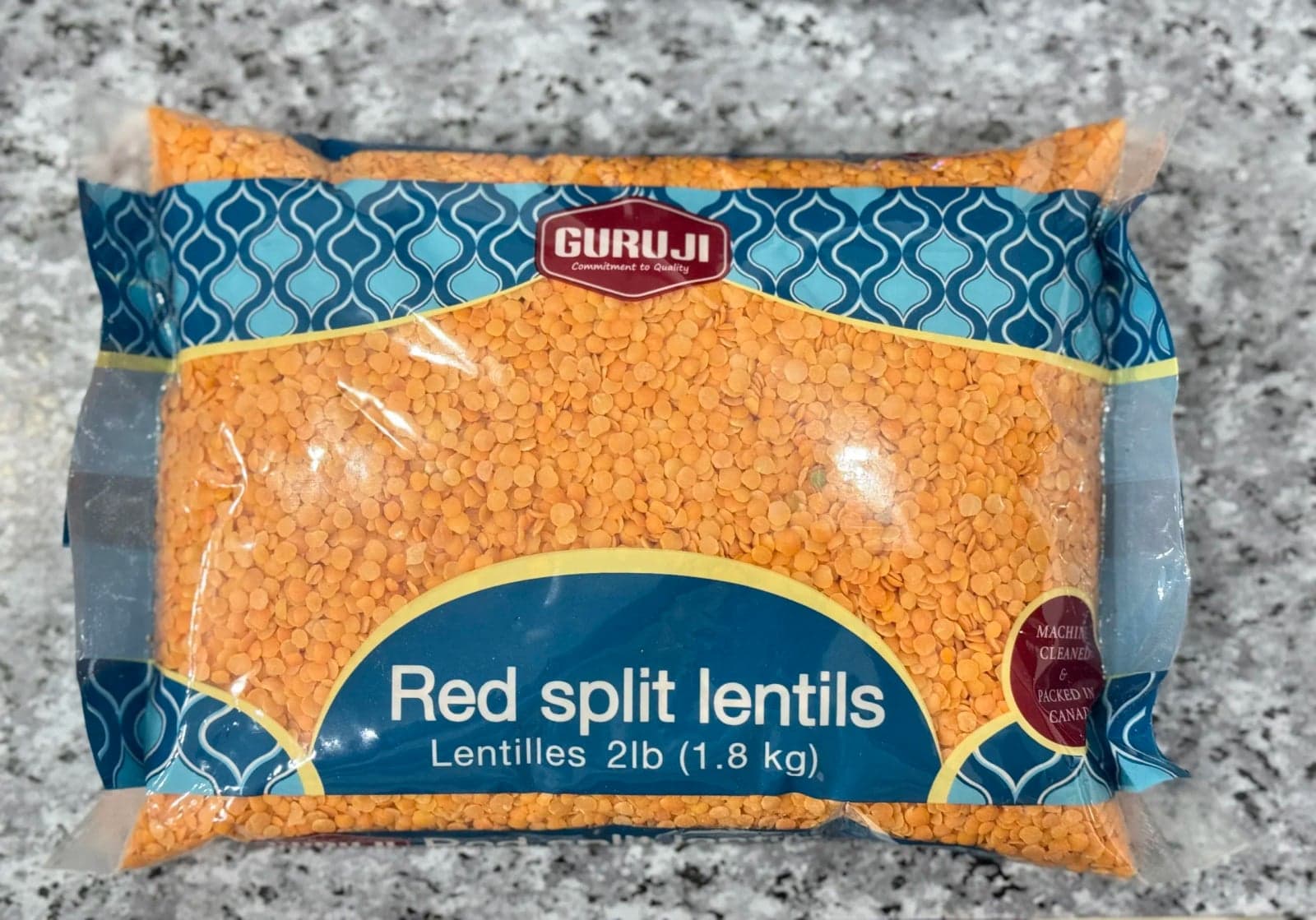
Masoor dal (red split lentils, called raato daal in Nepali) is slightly lower at around 18 grams per 100 grams, but it cooks in under 20 minutes without soaking and needs no pressure cooker, so it wins on convenience even if it trails on raw protein. Ours is sold as Masoor Dal (Red Split).
Chana dal, split from the same chickpea as kala chana, is one of the higher scorers at roughly 20 to 22 grams per 100 grams, plus more fibre and slower-digesting carbohydrates than most dal, which keeps you full longer. Grab it as Chana Dal and read the chana and kala chana guide for how it differs from whole chickpeas.
For a side-by-side table of all five main varieties in one place, our dal varieties compared post lines up toor, moong, masoor, chana and rajma by protein, fibre and cook time.
Whole vs Split: Does Processing Change the Protein?
Splitting and de-husking a lentil (turning whole moong into split moong, for example) removes the outer seed coat, which strips out some fibre but barely touches the protein content itself. The protein lives mostly in the cotyledon, not the husk.
What does change is digestibility and cook time. Whole dals like Kala Chana take longer to cook and feel heavier in the stomach, while their split cousin, chana dal, breaks down faster and is gentler to digest.
If you are choosing between the two, think about the meal rather than the macros: whole dal for a slow-cooked weekend curry, split dal for a weeknight pot you want ready in half an hour.
Beyond the Big Four: Rajma and Kala Chana
Rajma (kidney beans) is not technically a dal but shares the same shelf and the same job in a Canadian-Nepali kitchen. At about 24 grams of protein per 100 grams dry, it edges out most dal, and its dense, meaty texture makes rajma chawal a genuinely filling vegetarian dinner. Shop Rajma (Kidney Beans) and try our rajma chawal recipe or the deeper dive in our rajma guide.
Kala chana (black chickpeas) is another strong performer, close to 20 grams of protein per 100 grams, with a lower glycemic load than most dal thanks to its tougher seed coat and higher fibre. It holds its shape well in slow-cooked curries and salads.
If you want a non-lentil, plant-based protein to rotate in alongside dal, our soya chunks guide covers a product that runs even higher in protein per gram than any dal on this list.
Cooking Tips That Protect the Protein
None of the protein in dal is lost to boiling water the way some vitamins are, so you do not need to worry about overcooking destroying nutritional value. What matters more is portion and pairing.
Soak whole dals like kala chana or rajma for 6 to 8 hours before cooking. It cuts cooking time dramatically and makes the protein and minerals easier for your body to absorb.
Pair dal with rice or roti rather than eating it alone. Grains are low in the amino acid lysine, which dal has plenty of, and dal is a bit short on methionine, which grains supply, so the combination rounds out a more complete protein profile than either food eaten by itself.
For a simple everyday version that keeps this balance without much fuss, see our Nepali dal recipe.
Building a High-Protein Dal Bhat Plate
A practical everyday target for most adults is 15 to 25 grams of protein from the dal portion of a meal, which a generous cup of cooked toor, moong or rajma comfortably covers.
Stack the plate: a cup of dal, a scoop of rice, a spoon of achar for brightness (browse pickles and achar if your shelf is empty), and a vegetable side. That single plate can carry 20 to 30 grams of protein without any meat at all.
Whichever dal you land on, the difference between the highest and lowest on this list is a few grams per cup, not a dramatic gap, so cook the one that fits your evening and your instant pot, not just the one with the highest number on paper. If you are stocking up from outside BC, our nationwide grocery delivery page has shipping details for every province and territory.
Frequently asked questions
Which dal has the most protein?
Gram for gram (dry weight), moong dal and rajma (kidney beans) tend to edge out the others at roughly 24 grams of protein per 100 grams, with toor dal close behind at about 22 to 23 grams. Masoor dal is the lowest of the common varieties at around 18 grams, though the gap between all of them is small enough that any dal is a solid protein choice.
Is moong dal higher in protein than toor dal?
They are very close. Moong dal usually tests slightly higher, but toor dal is right behind it. The bigger practical difference is digestibility: moong is gentler on the stomach and cooks faster, which is why it shows up in khichdi and light meals for kids or when recovering from illness.
How much protein is in a typical cup of cooked dal?
A cup of cooked dal generally provides 12 to 18 grams of protein, depending on the variety and how much water was used to cook it down. Dry, uncooked dal has a much higher protein-per-gram number, but cooking adds water weight, which is why cooked and dry figures look so different on labels.
Are lentils a complete protein on their own?
Not quite. Dal is low in the amino acid methionine but rich in lysine, while rice and wheat are the opposite. Eating dal with rice or roti, the classic dal bhat combination, gives you a fuller amino acid profile than either food supplies alone.
Can a vegetarian get enough protein from dal alone?
Yes, with variety. Rotating between toor, moong, masoor, chana, rajma and kala chana across the week, alongside rice, roti, dairy or soya chunks, comfortably meets daily protein needs for most adults without any meat at all.
Does whole dal have more protein than split dal?
Barely any difference. Splitting removes the outer husk, which affects fibre content more than protein, since the protein is concentrated in the inner cotyledon of the seed. Whole kala chana and split chana dal, for example, have nearly identical protein per gram.
Shop the pantry
Authentic Himalayan staples, delivered anywhere in Canada.
Keep reading
Nepali & Indian Grocery Delivery Across Canada
One Vancouver shop, one nationwide delivery run: real Nepali and Indian groceries shipped coast to coast.
Read the guideToor Dal (Arhar): Uses & Cooking Guide
The everyday yellow lentil behind sambar and dal fry, and exactly how to cook it right.
Read the guideMoong Dal: Yellow & Whole, Recipes & Benefits
Yellow, whole, split or sprouted: moong dal is the gentlest, fastest-cooking lentil in the Nepali and Indian kitchen, and here is exactly how to use it.
Read the guideChana & Kala Chana: The Chickpea Guide
Kala chana, chana dal, besan, chana masala: one small bean, four different kitchen staples explained.
Read the guide