
Food & Nutrition Guides
Toor Dal (Arhar): Uses & Cooking Guide
Toor dal, also called arhar dal or split pigeon pea, is the dal most Indian and Nepali kitchens reach for first. This guide covers what it is, how to pressure cook it properly, and the two dishes that made it famous: sambar and dal fry.
By Bishnu Koirala · Founder & CEO
Published
On this page
What Is Toor Dal (Arhar)?
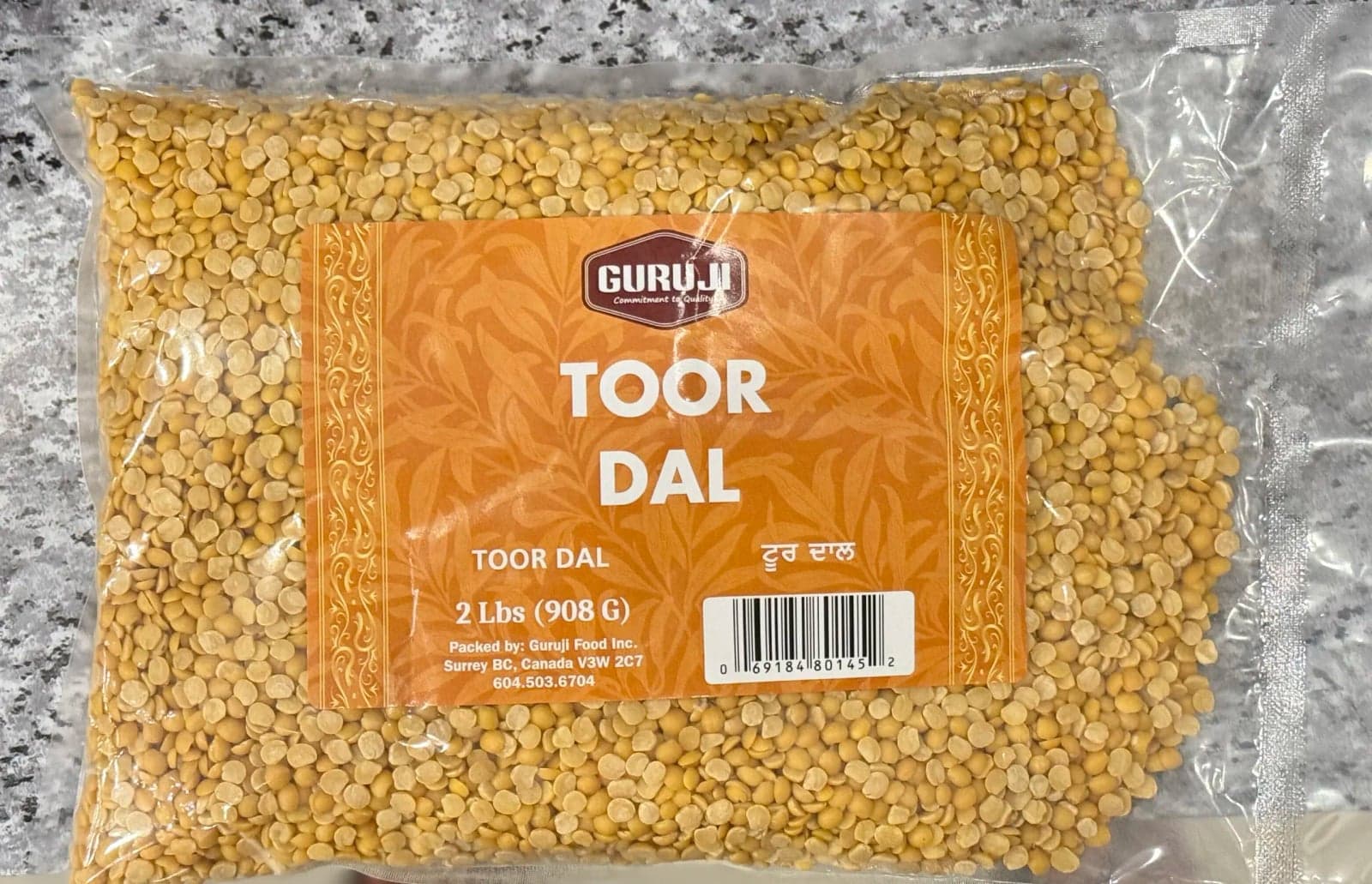
Toor dal is the split, skinned pigeon pea: small, matte yellow, and slightly starchy once cooked down. In Hindi kitchens it is called arhar dal, and it sits at the center of everyday cooking across most of India, the same way Nepali dal sits at the center of a Nepali thali.
It cooks softer and creamier than moong or masoor, which is exactly why it thickens into that silky, slightly sour bowl of sambar, or the simple, ghee-finished dal fry you get at almost any Indian restaurant. If you are trying to place it against other lentils on your shelf, our dal varieties compared breaks down where toor sits next to chana, rajma, and masoor.
Buying and Storing Toor Dal in Canada
We stock Arhar Daal (Toor Daal) in a 2 lb bag, which is a good starting size if you have never cooked with it before and want to see how quickly your household goes through it.
Like any split lentil, it is shelf-stable for a long time in a sealed container in a cool cupboard: no fridge needed. It belongs with the rest of your lentils shelf, next to moong and chana daal, since most Indian meals rotate between two or three of them through the week.
We are a physical shop on East Hastings in Vancouver, but we ship toor dal and the rest of our pantry across all 10 provinces and 3 territories, so this is not a Lower Mainland-only ingredient. If you want the fuller picture of what we carry beyond dal, our Indian grocery store guide walks through the whole catalog.
How to Pressure Cook Toor Dal (Step by Step)
Rinse 1 cup of toor dal two or three times until the water runs mostly clear, then soak it for 20 to 30 minutes if you have time. It is not strictly required, since toor cooks faster than most whole lentils, but soaking shortens the pressure cooking time and gives you a smoother dal.
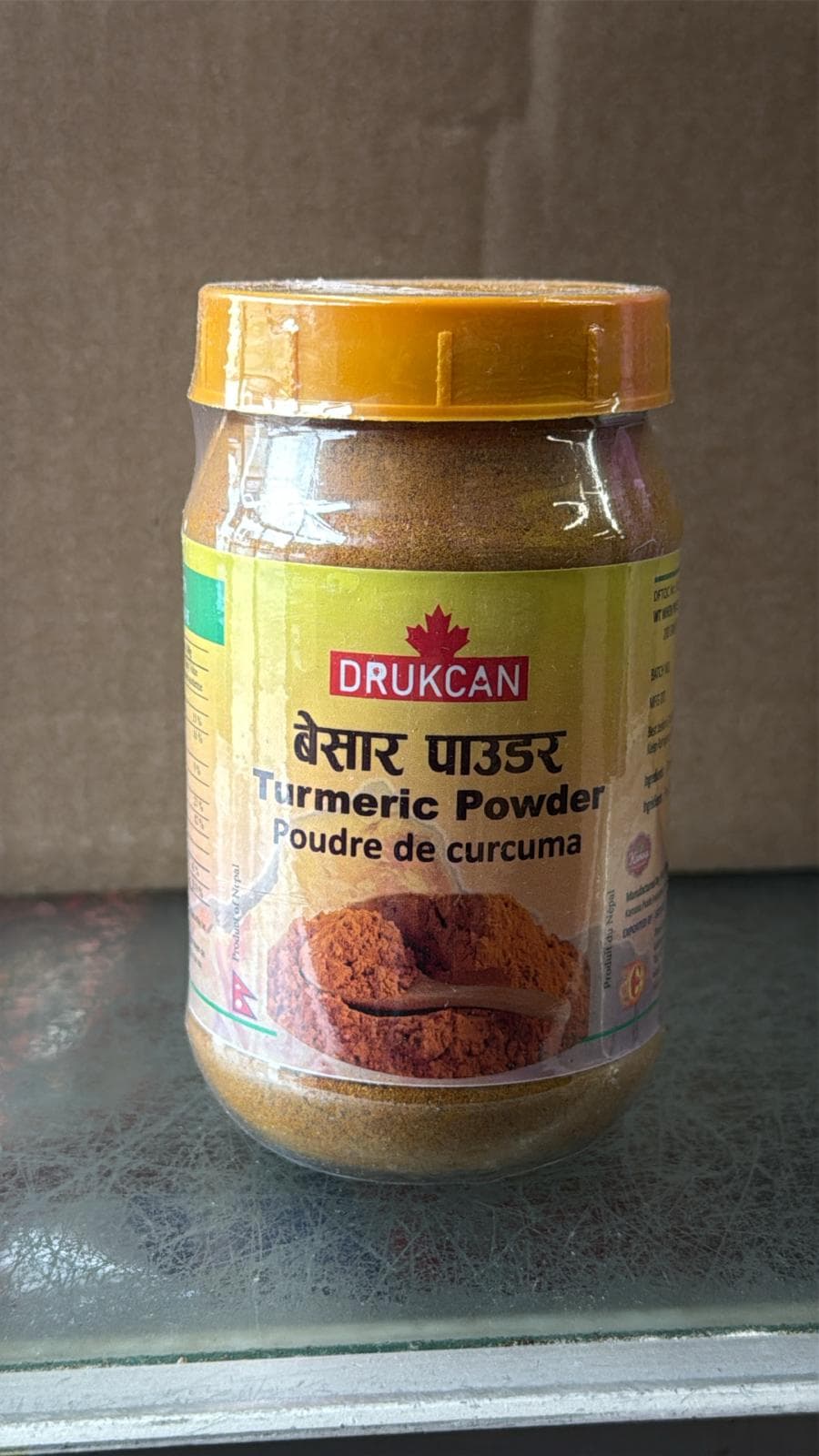
Add the dal to your pressure cooker with 3 cups of water, a pinch of turmeric powder, and a small spoon of oil to stop it from foaming over. Cook for 3 to 4 whistles on medium heat, then let the pressure drop naturally.
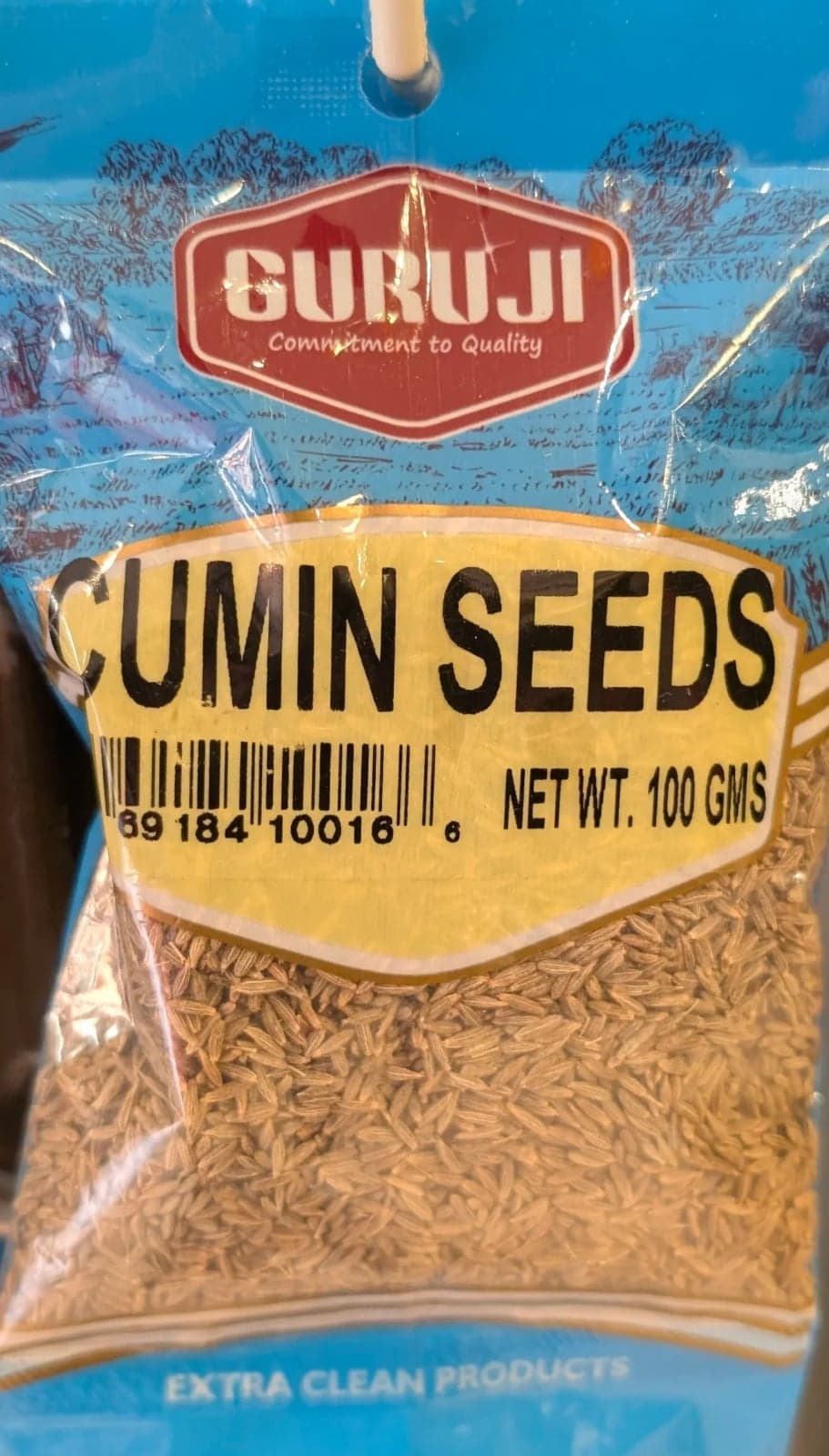
For the tempering (tadka), heat a spoon of Khokana mustard oil or ghee, crackle a teaspoon of cumin seeds, then add chopped garlic, ginger, and a dried red chili. Pour this sizzling tadka straight over the cooked dal and stir. Finish with a small pinch of garam masala at the very end, off the heat, so the aroma stays bright instead of cooking off.
Sambar vs. Dal Fry: Two Very Different Dishes, One Dal
Sambar takes cooked toor dal and stretches it with tamarind water, sambar powder, and vegetables like drumstick, pumpkin, or okra, simmered until it is tangy and a little thin, meant to be poured generously over rice or idli. It is a South Indian staple, but the base technique of cooking toor dal down soft is the same everywhere.
Dal fry is simpler and thicker: cooked toor dal finished with a ghee or oil tadka of cumin, garlic, onion, and tomato, closer in spirit to the everyday Nepali dal that shows up next to rice at most meals. If you grew up on Nepali dal bhat, dal fry will feel immediately familiar, just a touch richer with the tomato and tadka.
Nutrition and Why It's a Weeknight Staple
Toor dal is a solid plant protein source, along with being high in fiber, and it is naturally gluten-free, which makes it an easy staple to build a weeknight meal around when you want something filling that isn't meat. Our dal and lentils protein guide compares toor against moong, masoor, and chana if you're trying to decide which one to lean on for protein.
It's also inexpensive per serving, cooks in under 30 minutes with a pressure cooker, and keeps well as leftovers for two or three days in the fridge, which is part of why it shows up on repeat in so many households.
What to Serve With Toor Dal
Plain steamed basmati rice is the classic pairing, whether you're eating sambar rice or a simple dal-chawal bowl. Get the water ratio and timing right and you'll have separate, fluffy grains instead of a gummy pot.
Roti or plain rotli works just as well if you want something less rice-heavy, and a side of achar cuts through the richness nicely on a dal-fry night.
Frequently asked questions
What is toor dal called in English?
Toor dal is the split, skinned pigeon pea. You'll see it labeled as toor dal, arhar dal, or occasionally tuvar dal, all referring to the same lentil.
Do I need to soak toor dal before cooking?
No, but it helps. Toor dal cooks fine straight from a rinse, but a 20 to 30 minute soak softens it faster and shaves a whistle or two off your pressure cooking time.
What's the difference between toor dal and moong dal?
Toor dal is starchier and cooks into a thicker, creamier texture, which is why it's the base for sambar and dal fry. Moong dal cooks faster and lighter, and is easier to digest, which is why it's often used for khichdi or when you want something gentler on the stomach. Our moong dal guide has the full rundown.
Can I substitute another dal if I'm out of toor dal?
For dal fry, masoor (red lentil) is the closest quick substitute since it also breaks down soft. For sambar specifically, toor is really the traditional base, though some cooks blend in a little chana daal for extra body.
How long does toor dal keep once cooked?
Cooked toor dal keeps about 2 to 3 days refrigerated in a sealed container, and it also freezes well for up to a month. Dry, uncooked toor dal keeps for many months in a sealed container in a cool, dry cupboard.
Do you ship toor dal outside British Columbia?
Yes. We ship pantry orders, including toor dal and spices, to all 10 provinces and 3 territories, usually within 5 to 10 business days. If you're in Metro Vancouver, orders over $35 qualify for free delivery.
Shop the pantry
Authentic Himalayan staples, delivered anywhere in Canada.
Keep reading
The Best Indian Grocery Store Online in Canada
Basmati, dal, garam masala, Haldiram’s, Britannia, Wagh Bakri, rasgulla, Dabur — the Indian pantry, delivered anywhere in Canada.
Read the guideIndian Dal & Lentils: Toor, Moong, Chana, Rajma, Masoor
Toor for the everyday pot, moong for khichdi, chana for a thick gravy, rajma for Sunday chawal, masoor for a quick weeknight dal: here's which is which.
Read the guideDal Varieties Compared: Toor, Moong, Masoor, Chana, Rajma
Five dals, five personalities: here is which one to reach for tonight and how fast it actually cooks.
Read the guideMoong Dal: Yellow & Whole, Recipes & Benefits
Yellow, whole, split or sprouted: moong dal is the gentlest, fastest-cooking lentil in the Nepali and Indian kitchen, and here is exactly how to use it.
Read the guide