
Food & Nutrition Guides
Moong Dal: Yellow & Whole, Recipes & Benefits
Moong dal is the lentil we reach for on a tired weeknight or when someone in the house has an upset stomach. It cooks fast, it sits easy, and it works as a plain yellow dal, a whole-bean dish, or a plate of sprouts. This guide walks through the varieties, the cooking, and where to buy moong dal in Canada without waiting on a slow cross-border order.
By Bishnu Koirala · Founder & CEO
Published
On this page
Yellow Moong vs Whole Moong: What's the Difference
Moong dal starts life as a small green bean (whole green moong, skin on). Split it and keep the skin and you get chilka moong, which cooks into a slightly rustic, nubby dal. Split it and remove the skin and you get the pale yellow moong dal that most Canadian kitchens know best: quick-cooking, mild, and easy on digestion.
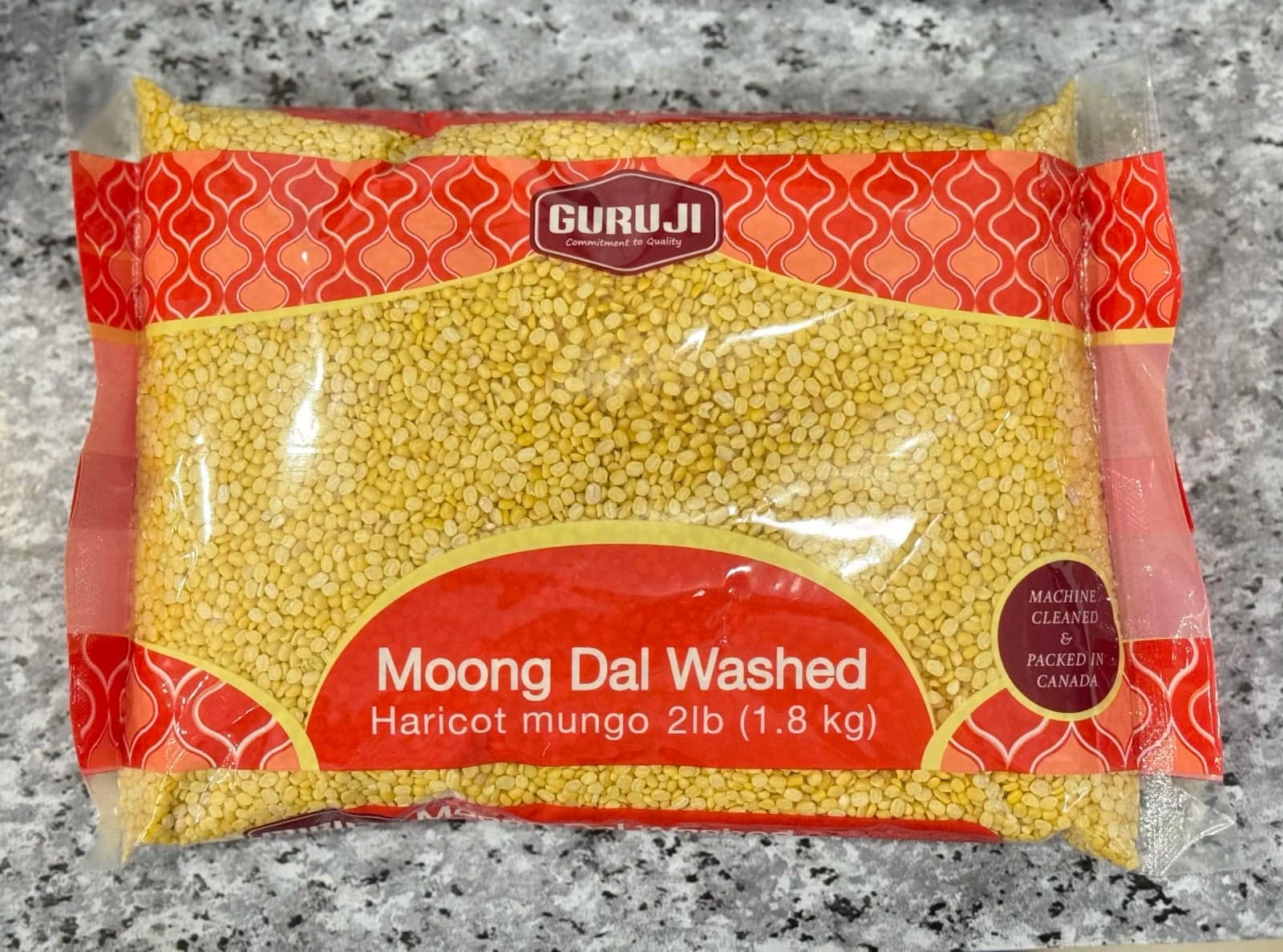
Our Moong Daal - 2 lbs is this classic yellow, split, skinless dal. It is the one to reach for when you want dinner in twenty minutes, or when you are cooking for a child, an elder, or anyone recovering from being unwell. Whole green moong (skin on, uncooked) is the one you sprout at home; more on that below.
If you are trying to keep the whole lentils shelf straight in your head, our Indian Dal & Lentils guide and the side-by-side Dal Varieties Compared post map out how moong sits next to toor, chana, masoor and rajma.
How to Cook a Basic Moong Dal
Rinse a cup of yellow moong dal until the water runs mostly clear, then pressure cook it with turmeric and a pinch of salt for two whistles, or simmer it uncovered for about twenty minutes until the beans break down soft. Unlike toor dal or kaalo dal, moong needs no soaking.
The finishing touch is the tadka (jhaneko masala in Nepali): ghee or oil, cumin seeds, a dried red chili, a clove of garlic, and a spoon of chopped ginger, poured over the cooked dal so it sizzles. This one move turns a pot of boiled lentils into the dal you actually crave.
If you want a house recipe to follow line by line, our Nepali Dal Recipe uses moong or masoor as the base and walks through the tadka step in detail.
Moong Dal Khichdi: Comfort Food That Actually Works
Khichdi is moong dal and rice cooked together into one soft, one-pot meal, and it is the dish every Nepali and North Indian household makes when someone is sick, when it is raining, or when nobody has the energy for a full thali.
Use equal parts yellow moong dal and rice, rinse both together, and pressure cook with turmeric, a little ghee, and double the usual water so it comes out porridge-soft rather than fluffy. A short-grain or broken basmati works, though our Qilla Premium Basmati Rice makes a good everyday khichdi rice if that is what you already keep in the pantry.
Serve it with a spoon of ghee melted on top, a side of plain yogurt, and papad if you have it. It is the closest thing Nepali and Indian cooking has to chicken soup.
Sprouting Moong at Home
Whole green moong (skin on) is the variety to sprout, not the split yellow dal. Soak a cup overnight in plenty of water, drain, then leave the beans in a covered colander or muslin cloth at room temperature. Rinse twice a day and you will see tails within two to three days.
Sprouted moong is eaten raw in salads with lemon, chili and chopped onion, or lightly sautéed with mustard seeds and turmeric for a quick sabzi. It is one of the easiest ways to add plant protein to a meal without cooking a full dal from scratch.
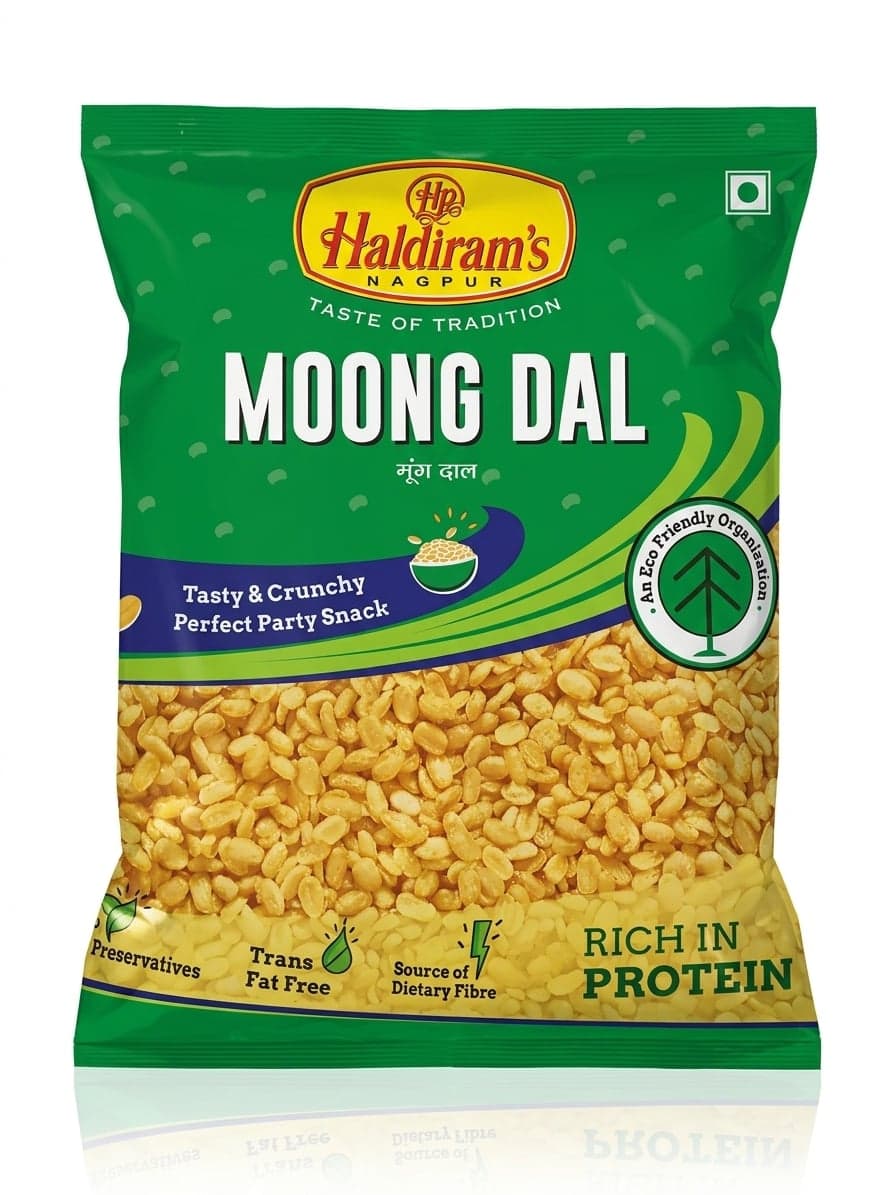
If sprouting is more effort than you want on a weeknight, Haldiram's makes a ready-to-eat namkeen version, Haldiram's Moong Daal - 150g, which is roasted and spiced moong rather than fresh sprouts, but scratches the same crunchy-savoury itch as a snack.
Why Moong Dal Is the Lentil Doctors Actually Recommend
Ayurveda treats moong dal as the easiest lentil on the gut, which is why it shows up in khichdi, in post-illness meals, and in fasting-day cooking across Nepal and India. It digests faster than heavier lentils like kaalo daal or rajma because it has less fibre and a simpler starch structure.
It is still a solid source of plant protein and folate, just gentler than its cousins. If you are comparing lentils for protein content specifically, our Dal & Lentils Protein Guide ranks moong against toor, chana and masoor so you can pick based on what your body needs that week.
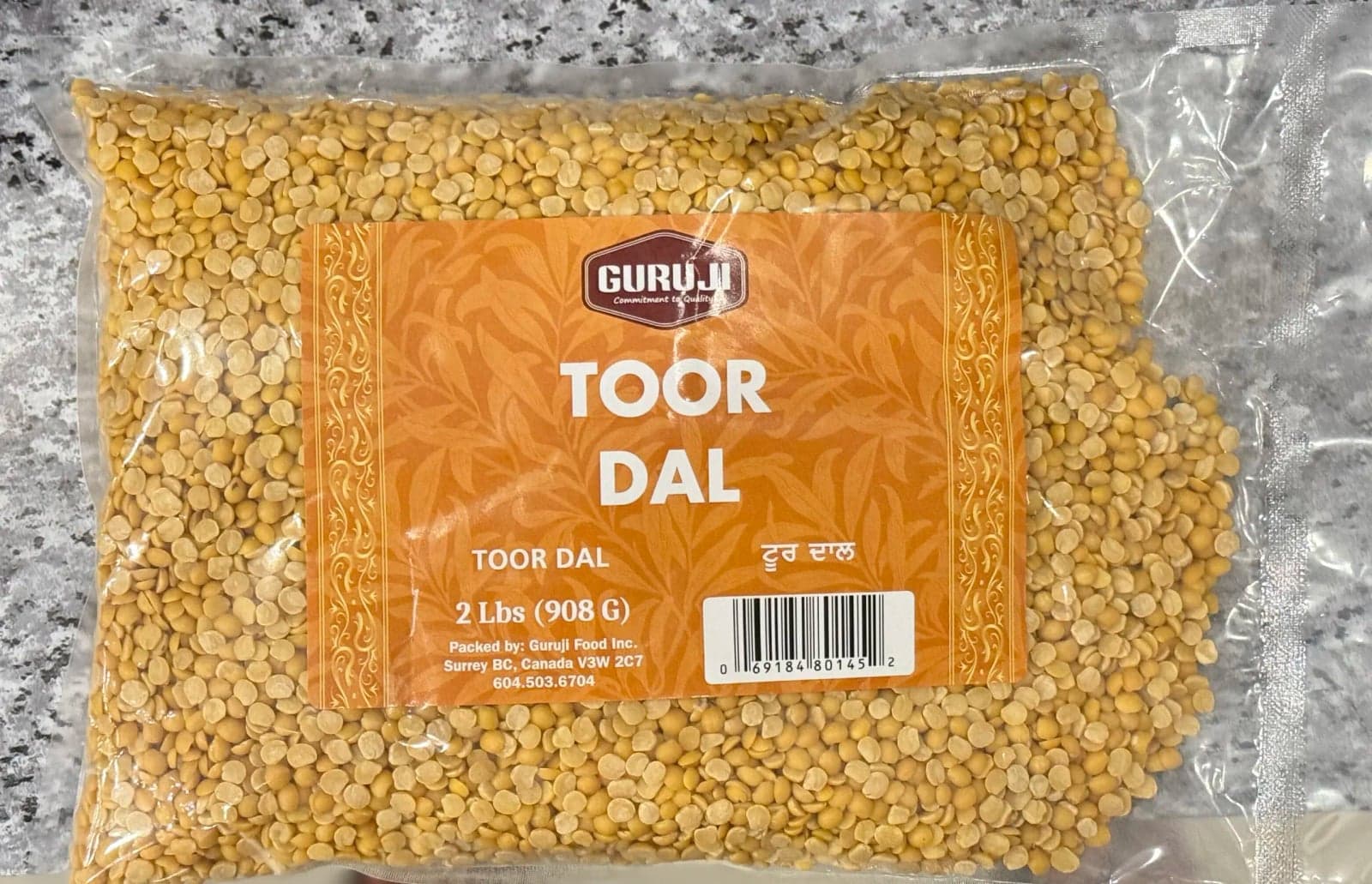
For everyday cooking, most Nepali households keep two or three dals in rotation: a heavier one like Arhar Daal (Toor Daal) or Chana Daal for a Sunday meal, and yellow moong for the nights nothing heavy will do.
Where to Buy Moong Dal in Canada
Danphe Stores carries yellow moong dal, whole kaalo daal, toor daal, chana daal and rajma as everyday pantry staples, alongside Haldiram's roasted moong for snacking. Everything ships from our Vancouver shop at 3634 East Hastings St to all ten provinces and the three territories.
Standard shipping runs $5 to $10 and is free once your order passes $35, landing in five to ten business days; if you are in central Metro Vancouver, call 236-471-5891 for same-day delivery. Browse the wider lentils shelf, or start from our Indian grocery store guide if you are stocking a whole Indian or Nepali pantry from scratch.
Frequently asked questions
Is moong dal the same as yellow lentils?
In most Canadian grocery labelling, yes: yellow moong dal is what is sold as split yellow lentils. It is different from toor dal (also yellow but larger and oilier) and from masoor dal (which is usually salmon-pink).
Do I need to soak moong dal before cooking?
No. Yellow split moong dal is thin-skinned and cooks in about twenty minutes on the stove, or two whistles in a pressure cooker, with no soaking required. Whole green moong (for sprouting or whole dal dishes) benefits from an overnight soak.
What is the difference between moong dal and moong beans?
Moong beans usually refers to the whole green bean with its skin on, the same one used for sprouting. Moong dal refers to the split version, sold either skin-on (chilka, greenish) or skin-off (yellow). Our Moong Daal - 2 lbs is the yellow, skin-off split dal.
Can I make khichdi with any rice?
Yes, though a shorter or broken grain breaks down softer than a long basmati. Many households just use whatever rice & flour they already have; if you want a specific pantry rice, our Qilla Premium Basmati Rice works fine for everyday khichdi.
Is moong dal good for weight loss or upset stomach?
It is one of the lightest lentils to digest, which is why it is the standard choice during illness, fasting, or when introducing solids to babies. It carries plant protein without the heaviness of dals like rajma or kaalo daal.
Does Danphe Stores ship moong dal outside BC?
Yes. We ship moong dal and the rest of our lentils shelf to all ten provinces and three territories from our Vancouver store, with standard delivery in five to ten business days and free shipping over $35.
Shop the pantry
Authentic Himalayan staples, delivered anywhere in Canada.
Keep reading
The Best Indian Grocery Store Online in Canada
Basmati, dal, garam masala, Haldiram’s, Britannia, Wagh Bakri, rasgulla, Dabur — the Indian pantry, delivered anywhere in Canada.
Read the guideIndian Dal & Lentils: Toor, Moong, Chana, Rajma, Masoor
Toor for the everyday pot, moong for khichdi, chana for a thick gravy, rajma for Sunday chawal, masoor for a quick weeknight dal: here's which is which.
Read the guideDal Varieties Compared: Toor, Moong, Masoor, Chana, Rajma
Five dals, five personalities: here is which one to reach for tonight and how fast it actually cooks.
Read the guideToor Dal (Arhar): Uses & Cooking Guide
The everyday yellow lentil behind sambar and dal fry, and exactly how to cook it right.
Read the guide