
Food & Nutrition Guides
Soya Chunks (Nutrela-style): Protein & Recipes
Soya chunks (sometimes called soya nuggets or the Nutrela-style meal-maker) are one of the best-kept secrets in the Nepali and Indian pantry: dirt cheap, shelf-stable for months, and packed with more protein per gram than most meat. This guide covers how to soak them, how to season them so they actually taste good, and a few ways to work them into meals you already cook.
By Bishnu Koirala · Founder & CEO
Published

On this page
What Soya Chunks Actually Are
Soya chunks are made from defatted soy flour that gets pressed and extruded into small, dry, spongy nuggets. They look almost like tan-coloured packing peanuts in the bag, which throws people off the first time they see Soya Chunks on the shelf.
Once soaked in hot water, they swell up two to three times their size and turn chewy, almost meaty in texture. That is exactly why they show up in vegetarian kitchens across Nepal and India as a stand-in for mutton or chicken in curries, especially during fasting weeks or on a tight grocery budget.
If you grew up with the Nutrela brand back home, the Danphe Stores version works the same way: same soak, same seasoning logic, same result. It is a pantry staple that belongs next to your dal & lentils and your rice, not in some separate diet-food aisle.
The Protein Case: Why Soya Chunks Belong in Your Pantry
Gram for gram, dry soya chunks carry roughly 50 grams of protein per 100 grams, which is more than chicken breast, paneer, or almost any dal you will find in an Indian grocery store. That number drops once you soak and cook them (water dilutes everything), but even cooked, a cup of soya chunks in curry gives you a serious protein hit for very little cost.
They also bring iron, fibre, and very little fat, which is part of why they pair so naturally with other protein-forward Nepali and Indian staples like rajma, chana, and moong dal. If you are trying to hit a daily protein target on a vegetarian diet, soya chunks are one of the cheapest ways to do it.
For a deeper comparison of how soya chunks stack up against dal, sukuti, and other high-protein pantry items, our dal & lentils protein guide breaks the numbers down side by side.
How to Soak Soya Chunks the Right Way
The single most common mistake: soaking in cold water. Always use hot or boiling water, enough to fully submerge the chunks, and let them sit for 10 to 15 minutes until they feel soft and springy all the way through, not just on the surface.
Once soaked, squeeze each handful firmly (or press them in a strainer) to push out as much water as possible. This step matters more than people expect. Soggy, waterlogged chunks taste bland no matter how much masala you throw at them afterward, because there is no room left for the spices to soak back in.
A quick rinse in cold water after squeezing helps knock out the faint raw-soy smell some people notice. After that, they are ready to go straight into a hot pan or pressure cooker with your onions and spices.
A Simple Soya Chunks Curry
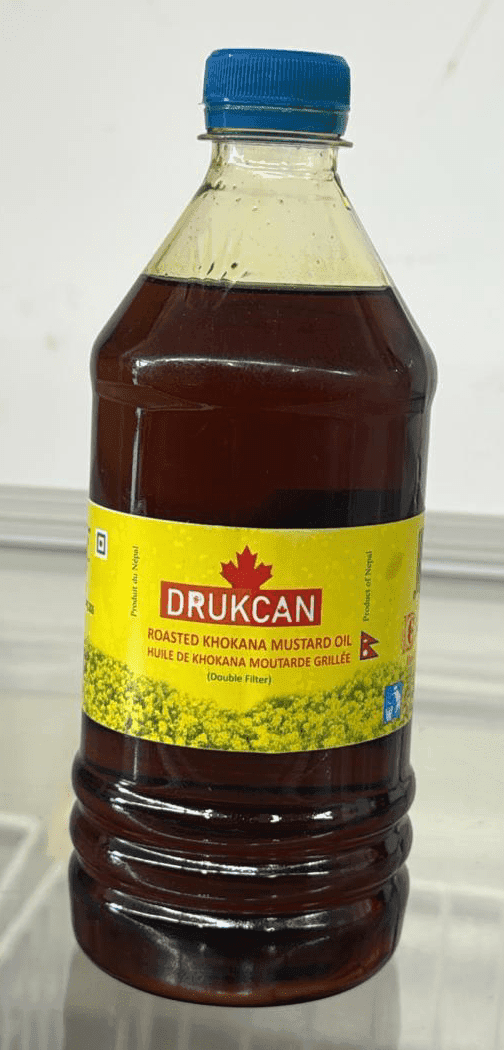
Start with a base of onion, ginger, garlic and tomato, sautéed in a spoon of Khokana Roasted Mustard Oil until the oil separates from the masala. That roasted mustard oil gives the curry a depth that plain vegetable oil just cannot match.
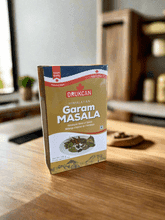
Add turmeric, chilli powder, and a good spoon of DRUKCAN Garam Masala, then fold in your squeezed, soaked soya chunks. Let them sit in the masala for a few minutes so the spice actually penetrates before you add water.
Simmer for 15 to 20 minutes with enough water to form a gravy, finish with a pinch of Cumin Powder and fresh coriander, and serve over rice or with roti. It is close in spirit to a rajma chawal night, just built around soya instead of kidney beans.
Pairing Soya Chunks With What Is Already in Your Kitchen
Soya chunks are versatile enough to slide into meals you already make. Toss soaked chunks into a chana daal pot for extra bulk and protein, or add them to a vegetable biryani for texture. They also work well diced small and stir-fried with cumin and curry leaves as a dry side dish, closer to a bhujia than a curry.
If you are building out a full protein-forward pantry, it is worth reading our guide on rajma (kidney beans) and our chana & kala chana guide as well. Between soya chunks, rajma, and chana, you can cover most of a week's protein without touching meat once.
For families comparing Nepali and Indian pantry staples more broadly, our Nepali vs Indian groceries piece is a good starting point to see how ingredients like this overlap between the two cuisines.
Ordering Soya Chunks and Building a Full Grocery Order
Soya chunks are one of those items that is genuinely hard to find outside a dedicated Indian or Nepali grocery, which is exactly what danphestores.com is built for. As the Indian grocery store online in Canada, we ship soya chunks, dal, masalas, and mustard oil together in one order to all 10 provinces and 3 territories, so you are not paying separate shipping on ten different sites.
Standard delivery runs $5 to $10 and is free from $35 in central Metro Vancouver, with same-day delivery available there by phone. Everywhere else in Canada, expect 5 to 10 business days. Add soya chunks alongside your garam masala, rajma, and mustard oil and you have a full curry kit in one box.
Frequently asked questions
Are soya chunks the same as Nutrela?
Nutrela is just one brand name for soya chunks; the product itself (defatted soy flour extruded into dry nuggets) is generic. Our Soya Chunks work exactly the same way: soak, squeeze, cook.
How much protein is in soya chunks?
Dry soya chunks run around 50 grams of protein per 100 grams, among the highest of any common pantry item, ahead of most meats and dal. See our dal & lentils protein guide for a full comparison against rajma, chana, and moong dal.
Do I need to soak soya chunks in hot water or cold?
Always hot or boiling water. Cold water leaves the centre of each chunk hard and chalky even after 20 minutes. Soak 10 to 15 minutes in hot water, then squeeze out the excess before cooking.
How long do soya chunks last unopened?
Dry, unopened soya chunks are shelf-stable for months in a cool, dry cupboard, which is part of why they are such a practical staple to keep alongside your lentils and rice.
Can soya chunks replace meat in a curry recipe?
Yes, that is exactly what they are used for across Nepal and India, especially during vegetarian fasting periods. Soak, squeeze, and season the same way you would season a mutton curry, using garam masala and mustard oil for depth.
Do you ship soya chunks outside British Columbia?
Yes. Danphe Stores ships soya chunks and the rest of the pantry nationwide across all 10 provinces and 3 territories, typically 5 to 10 business days outside Metro Vancouver.
Shop the pantry
Authentic Himalayan staples, delivered anywhere in Canada.
Keep reading
The Best Indian Grocery Store Online in Canada
Basmati, dal, garam masala, Haldiram’s, Britannia, Wagh Bakri, rasgulla, Dabur — the Indian pantry, delivered anywhere in Canada.
Read the guideDal & Lentils Protein Guide: Which Dal Has the Most
Every dal is a solid protein source, but they are not all equal, here is how toor, moong, masoor and chana actually compare.
Read the guideRajma (Kidney Beans): The Complete Guide
Dark red, creamy, and made for a big pot of chawal: here is everything worth knowing about rajma.
Read the guideChana & Kala Chana: The Chickpea Guide
Kala chana, chana dal, besan, chana masala: one small bean, four different kitchen staples explained.
Read the guide