
Recipes
Sukuti Sadeko Recipe: Spicy Dried-Meat Salad
Sukuti sadeko is the dish that shows up whenever Nepalis get together with a bottle of something cold. Smoky dried buff meat gets pounded soft, then tossed in mustard oil, timur and a fistful of chopped chili and onion until every piece is glistening. Here is how to make it properly at home, with the exact ingredients you need.
By Bishnu Koirala · Founder & CEO
Published
On this page
What Is Sukuti Sadeko?
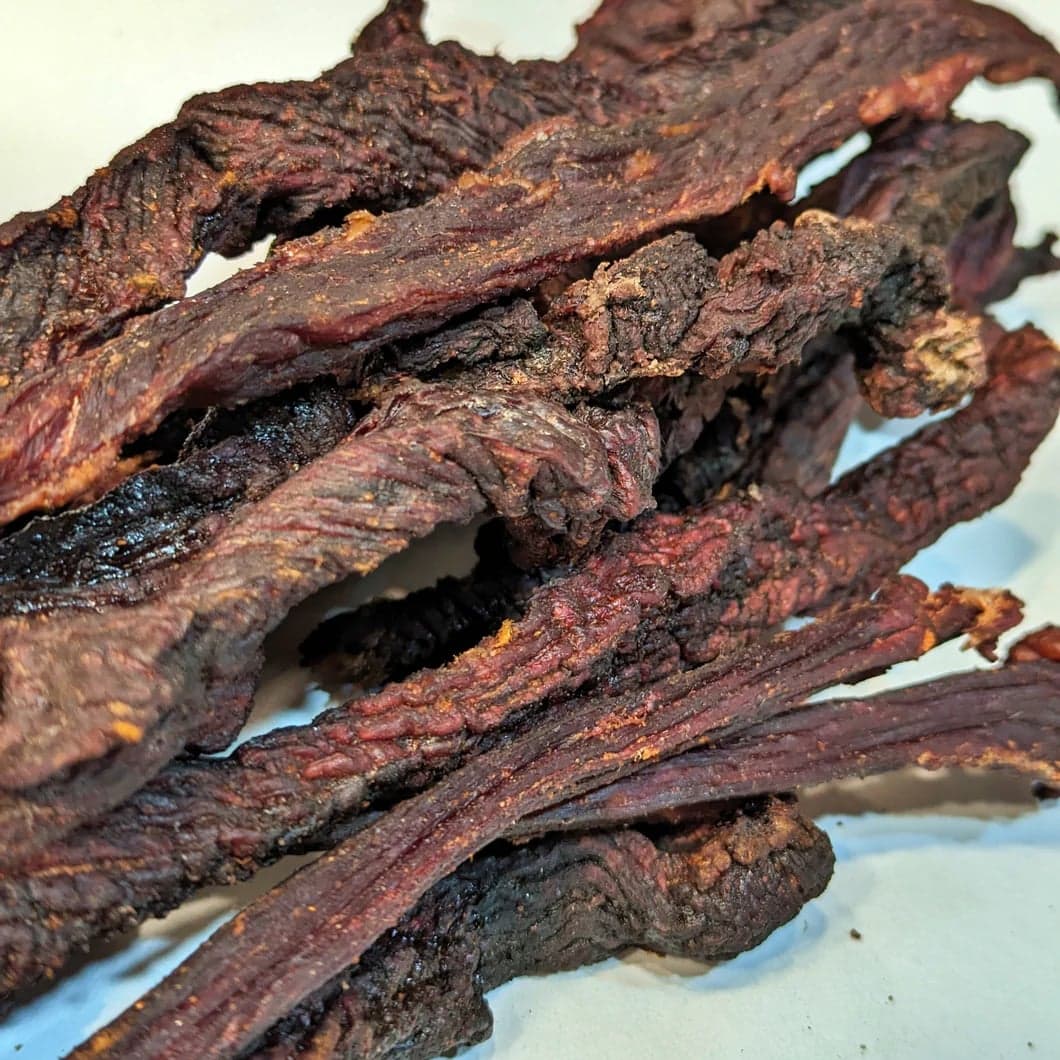
Sadeko just means "tossed salad" in Nepali, and sukuti sadeko is the version made with dried, smoked meat instead of anything fresh. Cubes or strips of dried buff (water buffalo) get lightly pounded, sometimes pan-toasted for a minute, then mixed with raw onion, garlic, ginger, chili, lemon juice and a generous pour of mustard oil.
It is bar food more than dinner food. Every Nepali gathering, from a casual Friday hangout to a proper bhoj, has a plate of sukuti sadeko going around alongside chiya or something stronger. If you have had choila, sadeko is its dried-meat cousin: same spicing logic, chewier texture, longer shelf life on the meat itself.
The whole dish lives or dies on the quality of the sukuti. Cheap, over-salted jerky turns rubbery and one-note. Good sukuti, properly smoked and not over-dried, softens beautifully once it soaks up mustard oil and lemon juice.
Ingredients
For the meat: 200g Authentic Buff Sukuti, torn or cut into small bite-size pieces. If you prefer a milder, less gamey chew, mutton sukuti works too; we cover the difference in our buff vs mutton sukuti comparison.
For the toss: 1 small red onion, thinly sliced; 2-3 cloves garlic, minced; 1 inch ginger, minced; 2-3 green chilies or a pinch of extra hot chilli powder if you want heat without the seeds; juice of 1 lemon; a handful of chopped fresh coriander.
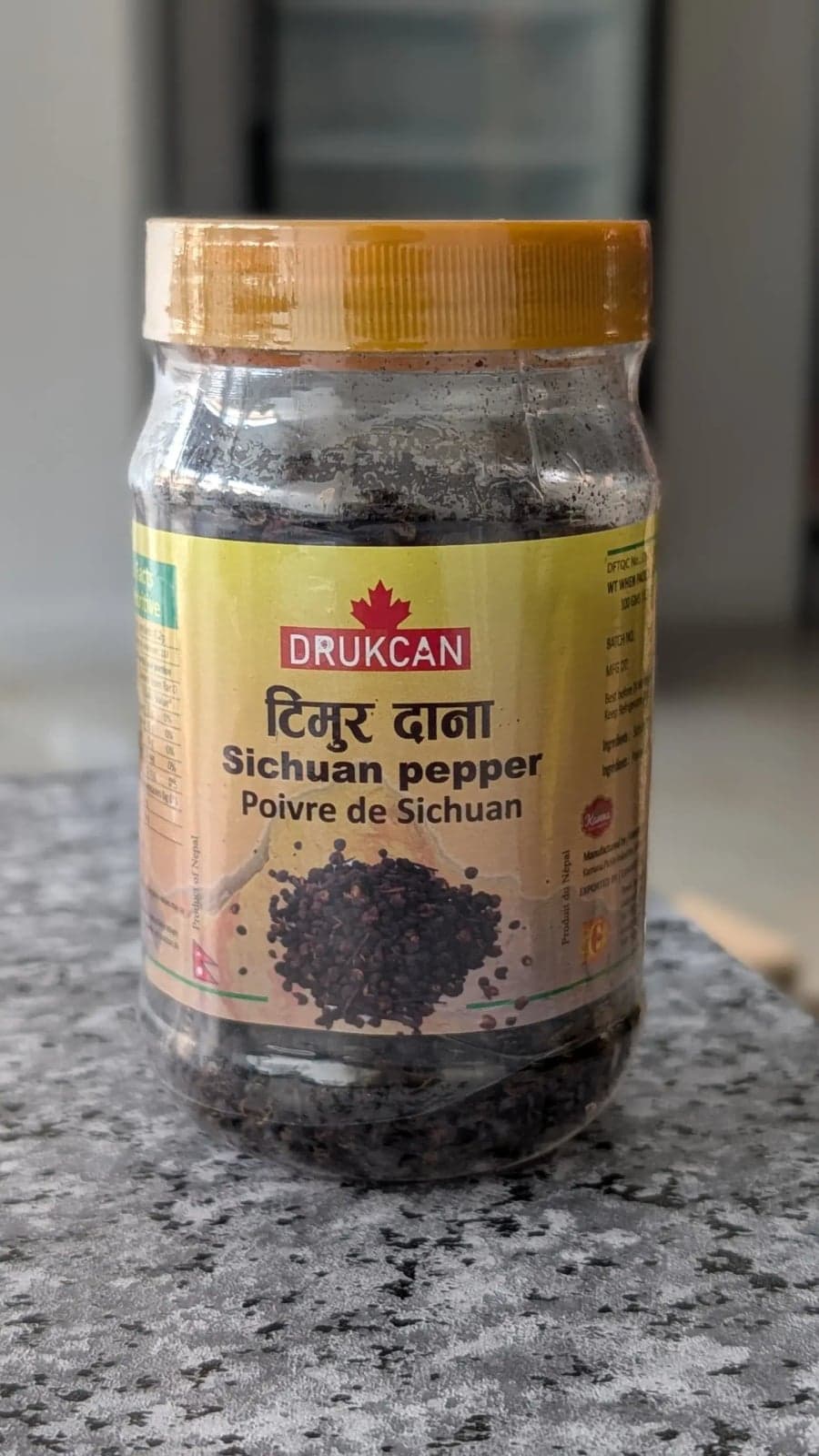
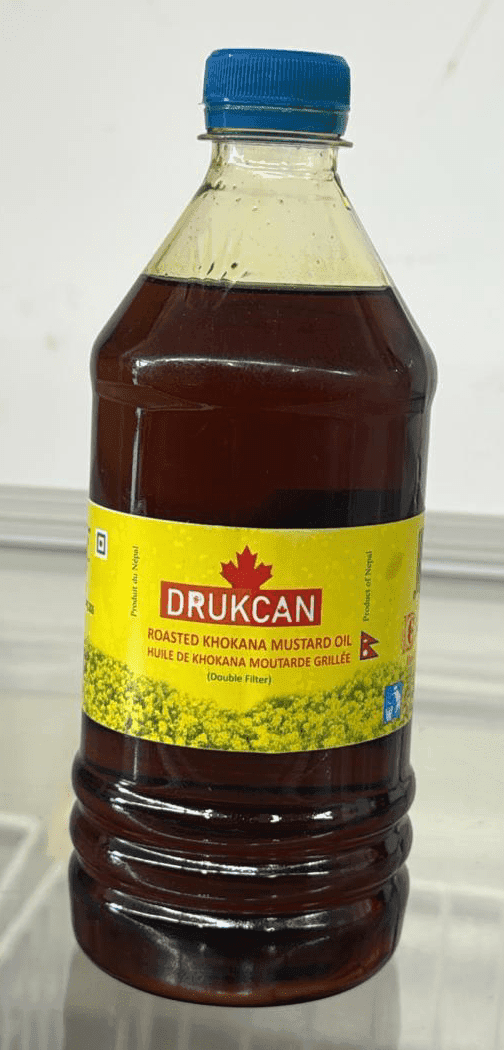
For the tempering: 3-4 tablespoons Khokana Roasted Mustard Oil, a quarter teaspoon of ground timur (Sichuan pepper), and salt to taste. A few dried whole chilies from your dried red chillies stash go in the tempering oil if you like it visibly fiery.
That's it. No exotic list here, which is exactly why the recipe rewards using real, well-sourced sukuti and proper spices & masala rather than substitutes.
Method
1. Prep the sukuti. If your sukuti is very hard and dry, soften it briefly: either soak the pieces in warm water for 5-10 minutes, or dry-toast them in a hot pan for a minute or two until they release aroma and turn slightly pliable. Pat dry if soaked.
2. Pound it. Using a mortar and pestle (or the flat of a knife against a cutting board), lightly bruise the sukuti pieces. You want them softened and slightly shredded at the edges, not pulverized.
3. Toast the timur. In a dry pan over low heat, toast the timur for 30 seconds until fragrant, then crush it coarsely. This step is what separates good sadeko from flat sadeko; raw timur straight from the jar just doesn't hit the same.
4. Warm the mustard oil. Heat the mustard oil in a small pan until it just starts to smoke, then let it cool for a minute. This mellows mustard oil's raw sharpness into something nuttier and rounder. If you are adding whole dried chilies, fry them in this oil for 10-15 seconds first.
5. Toss everything together. In a mixing bowl, combine the sukuti, onion, garlic, ginger, chili, lemon juice, crushed timur, salt and the warm mustard oil. Mix well with your hands so every piece gets coated.
6. Rest and serve. Let it sit for 10-15 minutes before eating; the flavors marry and the meat softens further. Finish with chopped coriander and serve at room temperature, never chilled.
Getting the Balance Right
The classic mistake is drowning the sukuti in oil and forgetting the acid. Lemon juice is not a garnish here, it is half the point: it cuts the smokiness and the mustard oil's richness so the dish stays bright instead of heavy.
Salt carefully. Most packaged sukuti, including what we stock, is already lightly salted from the curing process, so taste before adding more. It is easy to over-salt a dish that already has a savoury, jerky-like base.
If you want the deeper, more complex version served at Newari gatherings, look at how samay baji platters build sadeko alongside beaten rice and other sides. Sukuti sadeko rarely appears alone at that table.
What to Serve It With
Sukuti sadeko is a snack first, a side second. It pairs naturally with chiura (beaten rice), a plate of bhatmas sadeko, and whatever drink is being poured that night.
If you are building a full spread, our dal bhat recipe makes a good anchor for the main meal, with sukuti sadeko served as the starter that gets people talking while the rice finishes cooking.
For the achar-lovers at the table, a side of aloo ko achar rounds things out nicely; the cool, mustardy potato salad plays well against the smoky heat of the sukuti.
Sourcing Real Sukuti in Canada
The single biggest variable in this recipe is where your sukuti comes from. Supermarket jerky will not do; you need meat that is actually smoked and dried the Nepali way, ideally something you'd recognize from a trip home.
We ship Nepali and Indian groceries across Canada, buff sukuti, timur, mustard oil and the rest of this list included, to all 10 provinces and 3 territories, with free delivery over $35 in central Metro Vancouver and 5-10 business day shipping everywhere else.
For a deeper dive into picking the right cut and brand, our sukuti buying guide walks through texture, thickness and how to judge freshness before you order.
Frequently asked questions
Can I make sukuti sadeko with mutton instead of buff?
Yes. Mutton (khasi) sukuti has a slightly milder, less gamey flavour and works well in the same recipe. See our buff vs mutton sukuti guide if you're deciding which to buy.
Do I have to use mustard oil?
Traditional sadeko relies on mustard oil's sharp, nutty flavour, and we don't recommend skipping it. If you're curious how it compares to other cooking oils, our mustard vs sunflower vs canola oil guide breaks down the differences.
What can I substitute for timur if I can't find it?
Timur (Sichuan pepper) has a citrusy, numbing quality that regular black pepper doesn't replicate, so it's worth sourcing the real thing. Our timur guide explains what makes it different and how much to use.
How long does sukuti sadeko keep in the fridge?
Once tossed with onion, lemon juice and oil, eat it within a day or two for the best texture. The dry sukuti itself, unmixed, keeps for months in a sealed container in a cool, dry place.
Is sukuti sadeko very spicy?
It's adjustable. The heat mainly comes from the fresh chili and any chilli powder you add, so start light with the extra hot chilli powder and taste as you go if you're not used to Nepali-level spice.
Do you ship sukuti and these ingredients outside BC?
Yes, we ship sukuti, timur, mustard oil and everything else on this list nationwide. See our Nepali and Indian grocery delivery across Canada page for shipping times and rates to your province.
Shop the pantry
Authentic Himalayan staples, delivered anywhere in Canada.
Keep reading
Nepali & Indian Grocery Delivery Across Canada
One Vancouver shop, one nationwide delivery run: real Nepali and Indian groceries shipped coast to coast.
Read the guideSukuti (Nepali Dried Meat): Buff & Mutton Jerky
Sukuti is Nepal's smoky, sun-dried answer to jerky, and once you know buff from mutton, you will never look at a snack aisle the same way again.
Read the guideBuff vs Mutton Sukuti: Which Jerky to Choose
Buff sukuti is earthy and lean, mutton sukuti is richer and pricier: here's how to pick the right jerky for your next batch of sadeko.
Read the guideTimur (Sichuan Pepper): The Zingy Nepali Spice
The tongue-tingling Himalayan spice behind every good achar and momo dip, explained and delivered anywhere in Canada.
Read the guide