
Food & Nutrition Guides
Buff vs Mutton Sukuti: Which Jerky to Choose
Every Nepali household has an opinion on buff sukuti versus mutton sukuti, and honestly, both are right. This guide breaks down the real differences in flavour, texture and price so you know exactly which bag to grab for movie night, tiffin, or your next round of sukuti sadeko.
By Bishnu Koirala · Founder & CEO
Published
On this page
| Buff Sukuti | Mutton Sukuti | |
|---|---|---|
| Flavour | Earthy, smoky, slightly gamey | Richer, sweeter, more pronounced |
| Texture | Firm, chewy, a proper workout for your jaw | Softer strands, tears apart easier |
| Fat content | Leaner overall | More marbling, juicier bite |
| Price | Budget-friendly, everyday snacking | Priced higher, more of a treat |
| Best for | Sukuti sadeko, daily tiffin, beer snack | Special occasions, festive platters |
| Popular formats | Whole strips or ready-to-eat shredded packs | Whole dried strips (khasi ko sukuti) |
What Is Sukuti, Exactly?
Sukuti is Nepal's answer to jerky: strips of meat rubbed with spices, then sun-dried or smoked until they lose most of their moisture and gain a long shelf life. It has been a hill-country staple for generations, a way to preserve meat before refrigeration existed.
The two most common kinds you will find at any Nepali grocery store are buff sukuti (water buffalo) and mutton sukuti (goat, called khasi ko sukuti). If you want the full backstory, the complete sukuti guide covers how it's made from scratch.
Flavour: Earthy Buff vs Rich Mutton
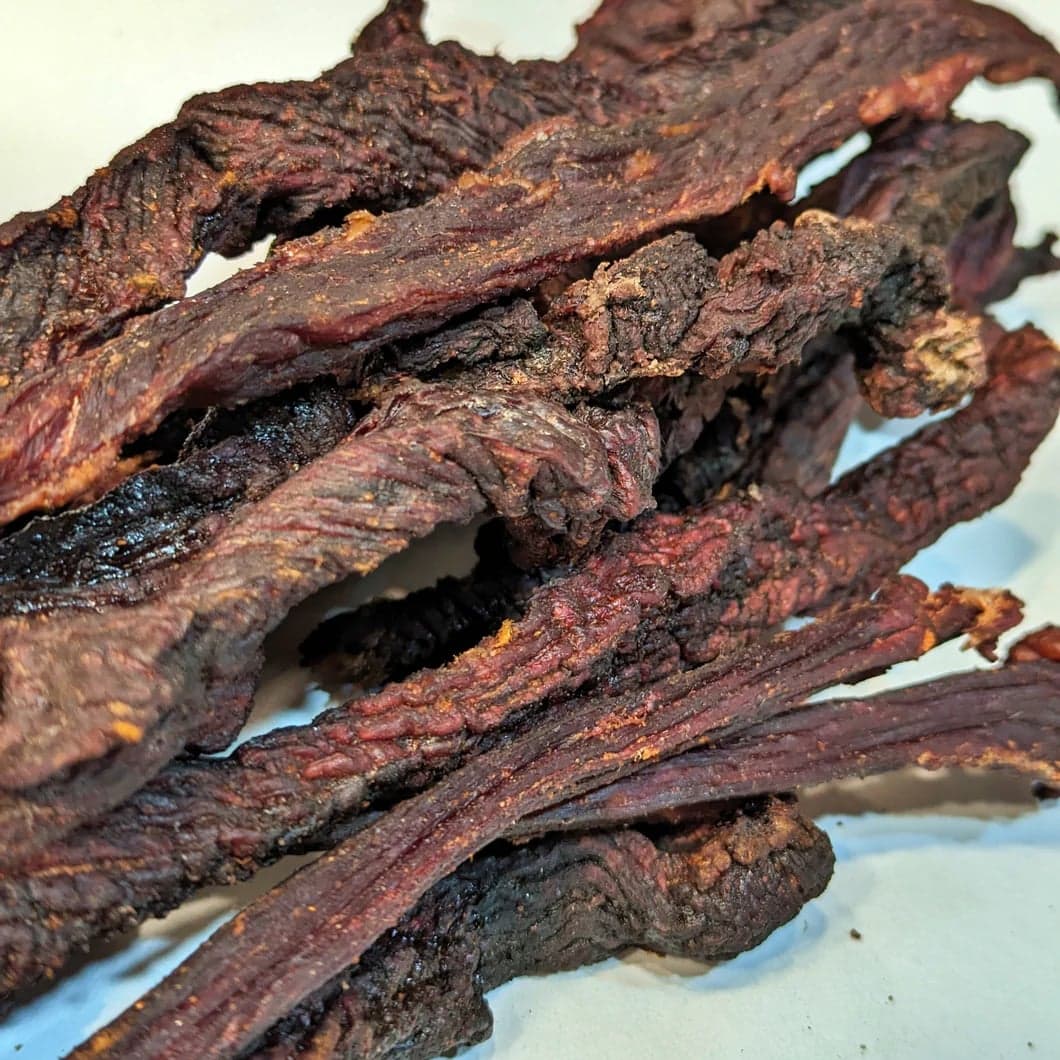
Buff sukuti has a deep, earthy, slightly smoky flavour. It takes spice well, so most brands go heavy on chili, timur (Sichuan pepper) and garlic. If you love that punchy, Timur tingle on your tongue, buff is usually the more aggressively seasoned of the two.
Mutton sukuti, or Mutton Jerky (Khasi ko Sukuti), tastes richer and a touch sweeter because goat meat carries more natural fat. The spice rub still matters, but the meat itself does more of the talking here. Many families reserve mutton sukuti for guests or festivals precisely because that richer flavour feels more special.
Neither is objectively 'better'. It genuinely comes down to whether you want a lean, spice-forward bite (buff) or a fattier, meat-forward one (mutton).
Texture: Chewy vs Tender
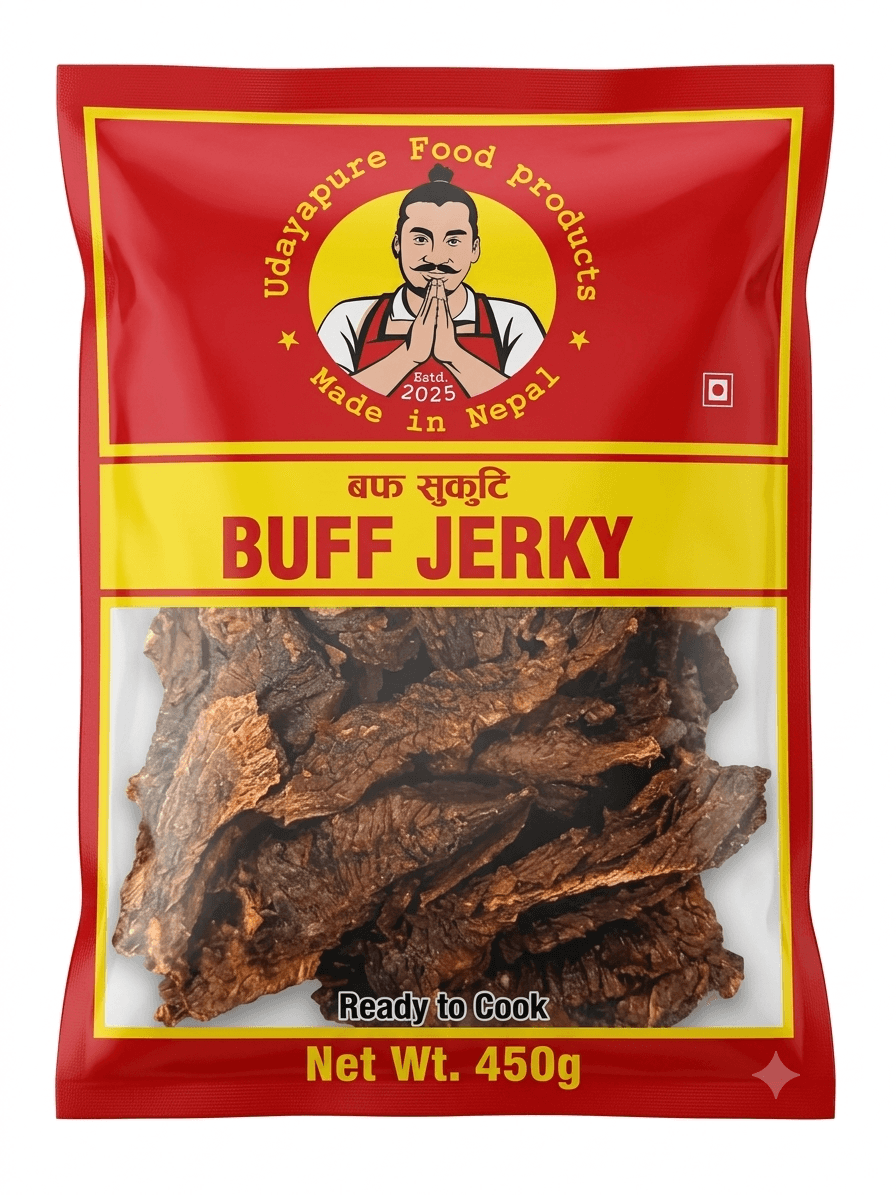
Buff sukuti, like the Authentic Buff Sukuti - Made in Nepal or the Udayapure Buff Sukuti 450g, tends to be firmer and chewier. That is partly the muscle fibre and partly tradition: a good buff sukuti is meant to make you work for it, strip by strip, while you watch a movie or sip tea.
Mutton sukuti shreds more easily and feels softer between the teeth, thanks to that extra fat content. It's a gentler chew, which some people prefer, especially kids or anyone who finds classic buff sukuti a bit too tough.
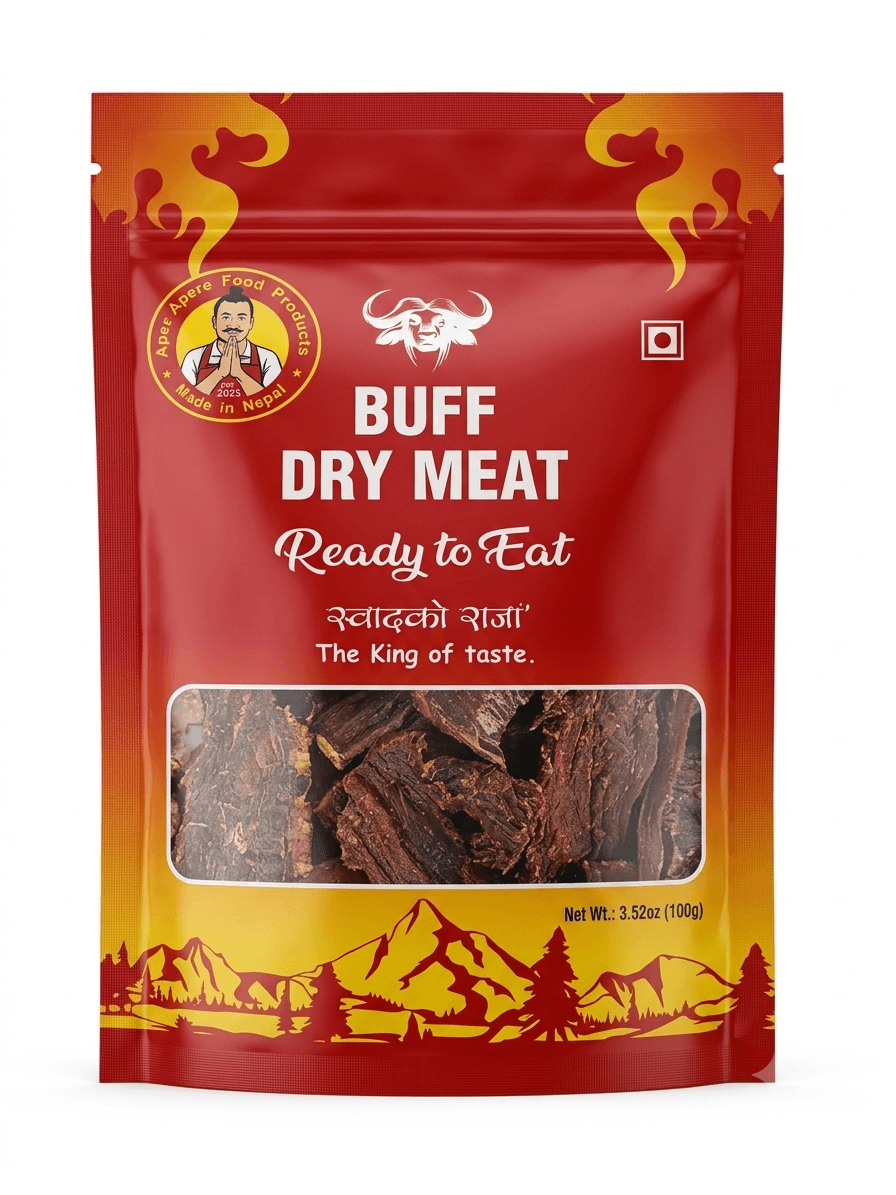
If jaw-work isn't your thing but you still want that dried-meat flavour without the chewing marathon, look at the Udayapure Ready to Eat Buff Sukuti 100g or the Ready to Eat Buff Sukuti 100g. Both are shredded and pre-cooked, so the texture is much softer than a whole dried strip.
Price & Value
Buff sukuti is almost always the more affordable option, which is exactly why it's the everyday choice in most Nepali kitchens. It's the bag you keep in the pantry for whenever a craving hits.
Mutton sukuti costs more, largely because goat meat itself is pricier than buff and the cuts used tend to be smaller per animal. Think of it the way you'd think of lamb versus beef: same idea, different price bracket, different occasion.
If you're stocking up for regular snacking or a big batch of sadeko, buff sukuti stretches your budget further. If you're making something for Dashain, a family gathering, or just want to treat yourself, mutton is worth the splurge.
How to Use Buff and Mutton Sukuti
The single most popular use for either type is sukuti sadeko, a spicy dried-meat salad with lime, chili, onion and mustard oil. Our sukuti sadeko recipe works with buff or mutton, though buff's chewiness holds up especially well once it's tossed and marinated.
Both types also work straight out of the bag as a snack with tea or beer, torn into strips over rice as a topping, or lightly pan-fried with onions and akabare khursani for extra heat. If you want to build a full spread, our Nepali achar types compared guide has ideas for the pickle that pairs best alongside sukuti.
For everyday cooking staples like mustard oil, chili and timur to season your own sukuti at home, browse our spices & masala selection.
So, Which One Should You Buy?
If you want an everyday snack that's budget-friendly, leaner and stands up to a good hard chew, go buff. It's the more versatile choice and the one most Nepali households keep stocked at all times.
If you're celebrating something, cooking for guests, or simply want the richer, softer bite that goat meat gives you, mutton sukuti is worth the extra cost.
Honestly, the easiest answer is to keep both on hand. Browse the full sukuti shelf and grab one of each; that way you're never stuck choosing on a night when you just want jerky.
Not sure what else belongs in your cart alongside your sukuti order? Our Nepali & Indian grocery delivery across Canada guide walks through how shipping, minimums and delivery windows work no matter which province you're in.
Frequently asked questions
Is buff sukuti the same as beef jerky?
Not quite. Buff sukuti is made from water buffalo meat rather than beef, and it's seasoned with Nepali spices like timur, chili and garlic rather than the smoky-sweet marinades typical of Western beef jerky. The drying method is also more traditional, closer to sun-dried or smoked strips than the vacuum-marinated style most beef jerky uses.
Which is spicier, buff or mutton sukuti?
It depends on the brand rather than the meat itself, but buff sukuti is more commonly seasoned aggressively with chili and timur because it's the everyday, budget option that people like to punch up with flavour. Mutton sukuti's natural richness means some brands season it a bit more gently to let the meat come through.
Can I make sukuti sadeko with either type?
Yes. Our sukuti sadeko recipe works with both buff and mutton sukuti. Buff's firmer texture holds its shape a bit better once tossed with lime, onion and mustard oil, while mutton gives you a softer, richer bite in the same salad.
How should I store sukuti after opening?
Keep it in an airtight container or a resealable bag, away from moisture. Both buff and mutton sukuti keep well at room temperature for weeks thanks to the drying process, but refrigerating an opened pack extends freshness even further, especially in humid weather.
Do you ship sukuti outside Metro Vancouver?
Yes. Danphe Stores ships sukuti and every other product nationwide to all 10 provinces and 3 territories, typically arriving in 5 to 10 business days. Standard shipping runs $5 to $10, and it's free on orders over $35 within central Metro Vancouver, where same-day delivery is also available by phone.
Which sukuti is better for a first-time buyer?
Start with a ready-to-eat buff sukuti pack. It's pre-shredded, easier to chew, and gives you a good sense of the flavour profile before you commit to a whole dried strip of buff or the pricier mutton version.
Shop the pantry
Authentic Himalayan staples, delivered anywhere in Canada.
Keep reading
Nepali & Indian Grocery Delivery Across Canada
One Vancouver shop, one nationwide delivery run: real Nepali and Indian groceries shipped coast to coast.
Read the guideSukuti (Nepali Dried Meat): Buff & Mutton Jerky
Sukuti is Nepal's smoky, sun-dried answer to jerky, and once you know buff from mutton, you will never look at a snack aisle the same way again.
Read the guideSukuti Sadeko Recipe: Spicy Dried-Meat Salad
Smoky buff sukuti tossed with mustard oil, timur and green chili: the tangy Nepali bar snack that turns any evening into a gathering.
Read the recipeSukuti Nutrition: Protein in Nepali Dried Meat
Sukuti isn't just a snack, it's one of the densest protein foods in the Nepali pantry.
Read the guide