
Recipes
Aloo ko Achar Recipe: Nepali Potato Salad
Aloo ko achar is the potato dish every Nepali household makes and every Nepali household argues about. Some families keep it dry and sesame-forward, others make it saucy with mustard oil. This version gets you the classic street-stall flavor: tangy, nutty, faintly numbing from timur, and gone within minutes of hitting the table.
By Bishnu Koirala · Founder & CEO
Published
On this page
What Is Aloo ko Achar, Really?
Aloo ko achar (literally 'potato pickle') is not a pickle in the jarred, shelf-stable sense. It is a room-temperature potato salad, boiled potatoes tossed in a punchy dressing of roasted sesame, mustard oil, timur and lemon or vinegar.
You will see it at every Nepali picnic, every dashain spread, and every roadside cart selling sekuwa. It is the dish that convinces people who claim they don't like potatoes that they, in fact, love potatoes.
If you already know dal bhat, think of aloo ko achar as its loud, tangy cousin: same everyday Nepali kitchen, completely different personality. It also sits comfortably next to sukuti sadeko on a bhoj platter if you want to go all in on Nepali flavors.
Ingredients for Aloo ko Achar
This recipe serves 4 as a side dish. Everything spice-related here ships from our pickles & achar section and the spice aisle, so if your local store is out of timur, we're not.
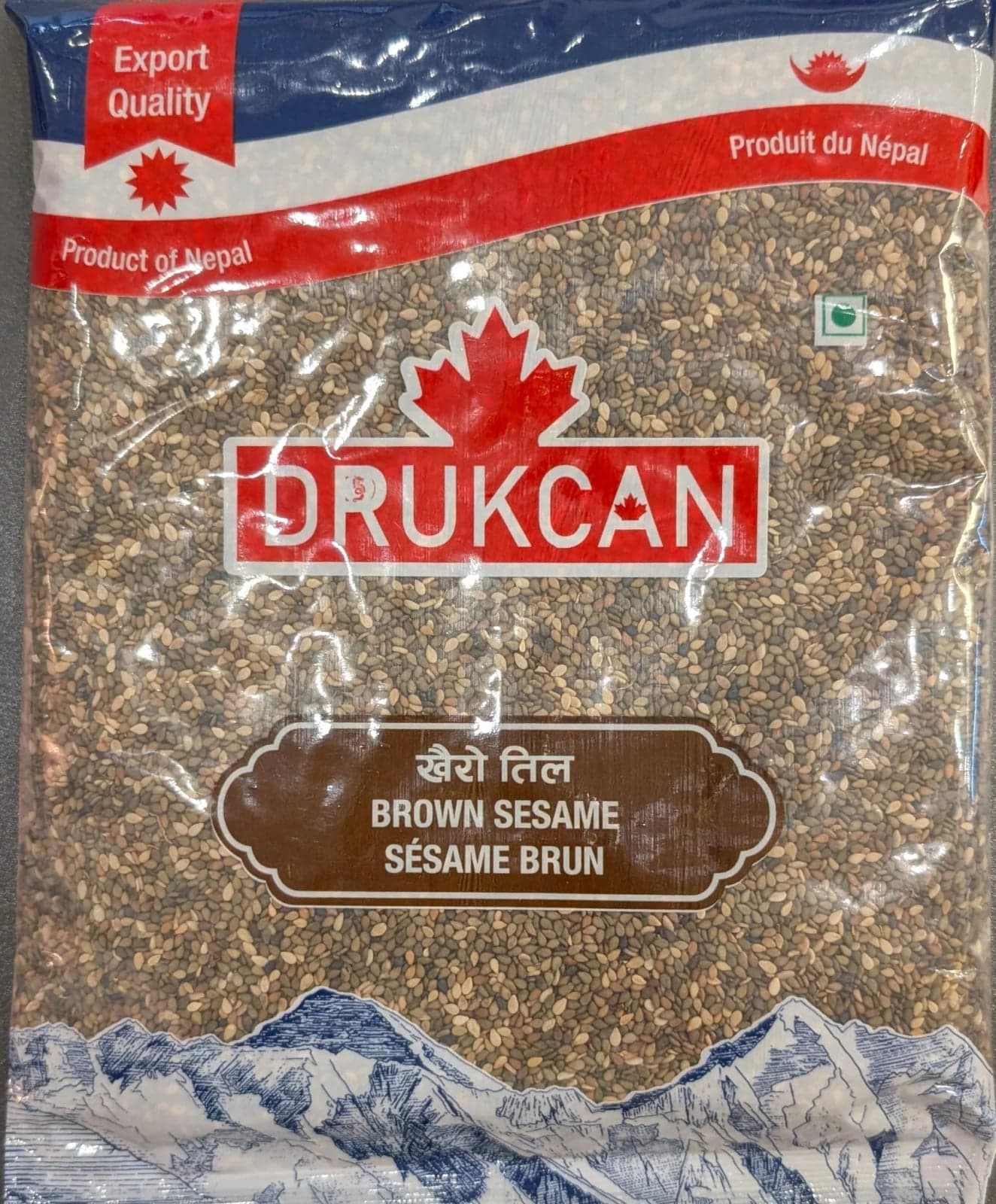
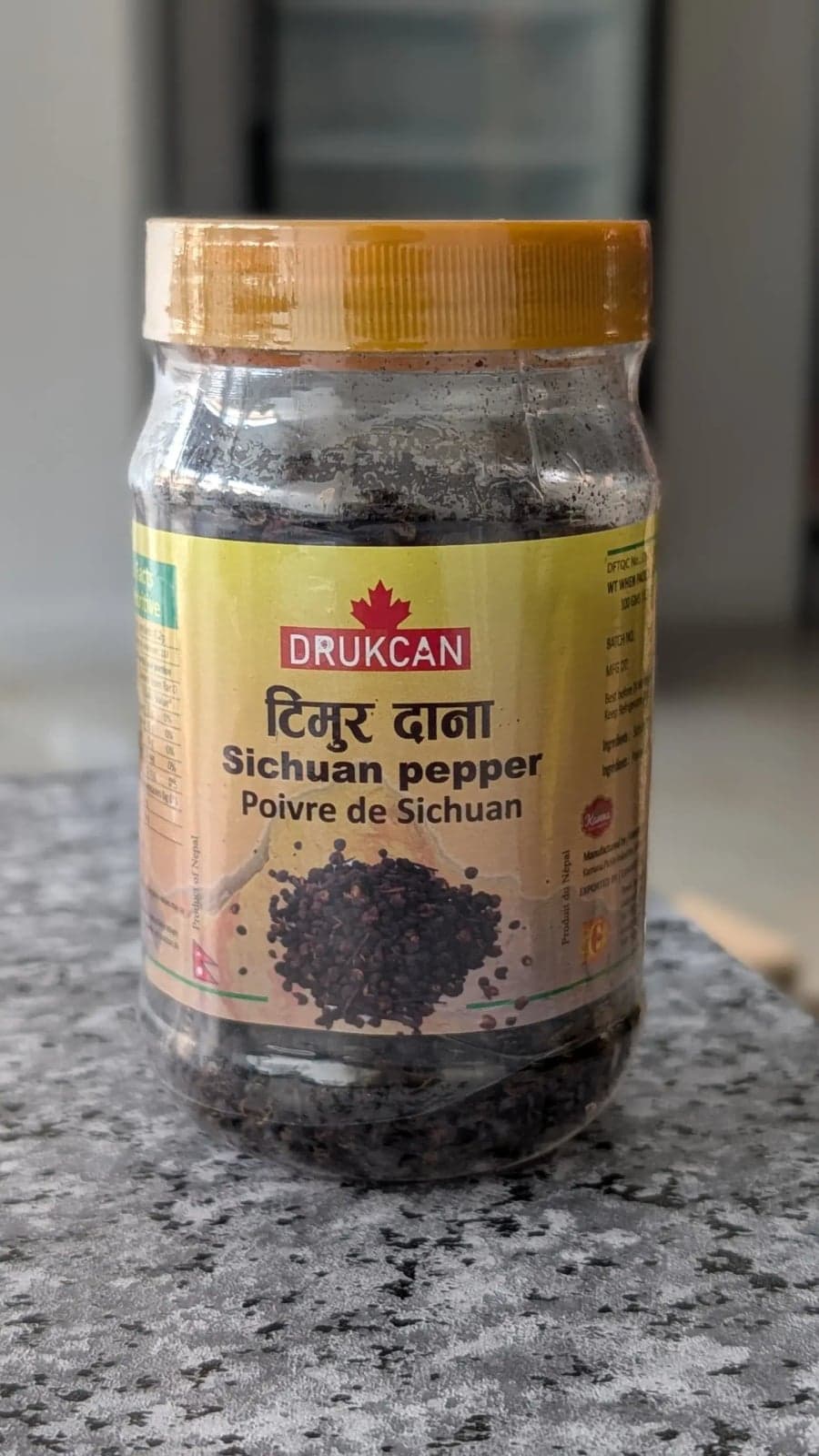
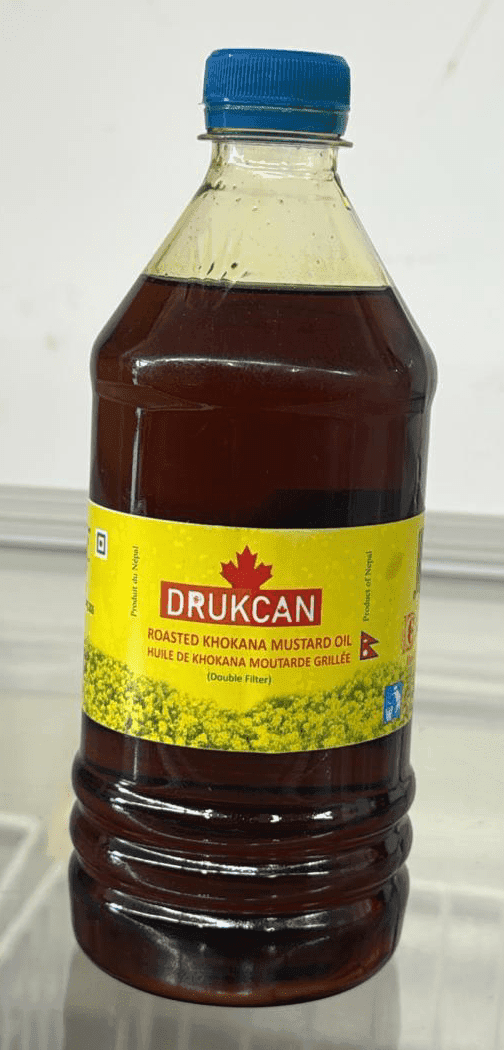
4 medium potatoes (Yukon gold or any waxy potato), boiled and cubed. 2 tablespoons Nepali Brown Sesame (Khairo Til), dry roasted and ground coarse. 1/2 teaspoon Timur (Sichuan Pepper), toasted and crushed. 2 tablespoons Roasted Khokana Mustard Oil. 1/2 teaspoon Cumin Seeds, toasted and ground. 1/4 teaspoon Turmeric Powder.
Also: 1/2 teaspoon Crushed Red Chilli or to taste, juice of 1 lemon (or a splash of vinegar), 2 tablespoons chopped fresh cilantro, 2 tablespoons chopped green onion, 1-2 chopped green chilies, and salt to taste. If you want the deeper, funkier version some families make, a spoon of fermented gundruk stirred in is not unheard of.
How to Make Aloo ko Achar
1. Boil the potatoes whole, skin on, until a knife slides in easily but they aren't falling apart, about 15-20 minutes. Cool, peel, and cube into bite-size pieces.
2. Dry roast the sesame in a pan on low heat, shaking often, until it turns golden and starts popping. Let it cool, then grind coarsely in a mortar or spice grinder. Do not grind it to a paste, you want texture.
3. Toast the timur and cumin in the same dry pan for 30-60 seconds until fragrant, then crush both together. Timur is the real signature here: it gives that faint tingly, citrusy buzz on the tongue that makes this dish unmistakably Nepali.
4. Warm the mustard oil in a small pan until it just starts to shimmer (this softens its raw bite), then let it cool slightly.
5. In a big bowl, combine the cubed potatoes, ground sesame, crushed timur-cumin, turmeric, crushed red chilli, warmed mustard oil, lemon juice, cilantro, green onion and green chilies. Season with salt.
6. Toss gently so the potatoes stay intact but every cube gets coated. Taste and adjust: more lemon for tang, more chilli for heat, more sesame if you want it nuttier.
7. Let it sit at room temperature for at least 20-30 minutes before serving. Like most achar, it tastes better once the flavors have had a little time to settle in.
Getting the Balance Right
The whole dish rides on balance between fat (mustard oil), acid (lemon), heat (chilli) and that background hum from timur. Taste as you go and don't be shy with the lemon; Nepali achar skews tangier than most people expect on the first try.
Waxy potatoes hold their shape better than starchy russets, which tend to go mushy once tossed. If all you have on hand are russets, boil them slightly less than you think you need to.
If your timur smells faint or dusty, it has probably been sitting too long; fresh timur should have a sharp, almost floral, mildly numbing smell when you crush it between your fingers. It's worth buying it whole and grinding small batches yourself rather than pre-ground.
Curious how timur compares to actual Sichuan pepper used in Chinese cooking? Our timur guide breaks down where it fits into Nepali cooking and why it isn't quite the same thing.
When Nepalis Eat Aloo ko Achar
You'll see this at dashain gatherings, at teej parties, alongside sel roti at any festival table, and honestly just as a Tuesday night side dish with plain rice. It's one of those dishes that doesn't wait for an occasion.
It pairs naturally with anything grilled or fried: sekuwa, fried fish, momo, or a simple dal bhat. If you're building out a full Nepali spread for dashain or tihar, aloo ko achar belongs on the table alongside the sweets and the sel roti.
For a wider tour of how achar fits into Nepali meals generally, our achar types guide compares this potato version to the fruit and vegetable achars most people know better outside Nepal.
Storage and Make-Ahead Tips
Aloo ko achar keeps well in the fridge for 3-4 days in a sealed container. Actually, most people agree it tastes even better the next day once the potatoes have soaked up the dressing overnight.
Bring it back to room temperature before serving; cold mustard oil turns cloudy and dulls the flavor. A quick squeeze of fresh lemon right before serving perks it back up.
Don't freeze it. Boiled potatoes go grainy and watery once thawed, and there's no fixing that texture once it happens.
Frequently asked questions
What does timur taste like in aloo ko achar?
Timur (Sichuan pepper) brings a citrusy, slightly floral aroma with a mild tingling, numbing effect on the tongue. It's what separates authentic aloo ko achar from a plain potato salad. A little goes a long way, start with a small pinch and adjust from there.
Can I make aloo ko achar without mustard oil?
You can substitute a neutral oil like sunflower or canola, but you'll lose the sharp, slightly pungent backbone that mustard oil gives this dish. If you're deciding between oils generally, our mustard vs sunflower vs canola comparison explains the difference in flavor and smoke point.
Do I need to roast the sesame seeds myself?
Yes, always roast raw sesame just before grinding. Pre-ground sesame loses its aroma fast, and the whole point of aloo ko achar's flavor is that fresh, nutty roast. It only takes a few minutes in a dry pan.
Is aloo ko achar spicy?
It's adjustable. The base recipe has a mild-to-medium heat from crushed red chilli and fresh green chilies, but you control both. Some families make it fiery, others keep it mostly tangy and nutty with just a whisper of heat.
What can I substitute for lemon juice?
White vinegar or apple cider vinegar both work if you're out of lemons. Use about half the volume of vinegar compared to lemon juice, then taste and add more since vinegar is sharper.
Where can I buy timur and Nepali sesame in Canada?
We stock both at Danphe Stores in Vancouver and ship them, along with mustard oil, turmeric and the rest of the spice aisle, across all 10 provinces and 3 territories. See our full Nepali and Indian grocery delivery across Canada page for shipping details and timelines.
Shop the pantry
Authentic Himalayan staples, delivered anywhere in Canada.
Keep reading
Nepali & Indian Grocery Delivery Across Canada
One Vancouver shop, one nationwide delivery run: real Nepali and Indian groceries shipped coast to coast.
Read the guideTimur (Sichuan Pepper): The Zingy Nepali Spice
The tongue-tingling Himalayan spice behind every good achar and momo dip, explained and delivered anywhere in Canada.
Read the guideKhokana Roasted Mustard Oil: Nepal's Signature Oil
The pungent, roasted oil that gives Nepali achar and tarkari their signature bite, explained and delivered anywhere in Canada.
Read the guideNepali Achar Types Compared: Which Pickle for Which Meal
Every jar of achar has a job: this is the guide to picking the right one for dal bhat, momo, or a lonely bowl of rice.
Read the guide