
Recipes
Gundruk ko Jhol Recipe: Fermented Greens Soup
Gundruk ko jhol is the soup every Nepali household turns to when the weather turns cold or the stomach needs settling. It takes one small packet of fermented gundruk, a potato, a tomato, and about twenty minutes to turn into something deeply comforting. Here is how we make it at home, and how to build it with what is on the shelf at Danphe.
By Bishnu Koirala · Founder & CEO
Published
On this page
What Is Gundruk ko Jhol
Jhol just means soup or broth in Nepali, and gundruk ko jhol is the sour, tangy soup built around dried fermented leafy greens. If you already know gundruk from your pantry, this is the dish it was made for.
The dried leaves get soaked soft, then simmered with potato, tomato, and a simple garlic-ginger tempering until the broth turns a cloudy golden colour and smells sharp and sour in the best way. It is peasant food in the truest sense: cheap, fast, and better than most things that take three times the effort.
For the full story on how gundruk is made and the different grades you will find on shelves, our gundruk buying and cooking guide goes deeper. This post is just the soup.
Ingredients You Need
You do not need much, and most of it comes from the spices & masala shelf and the produce you already have at home.
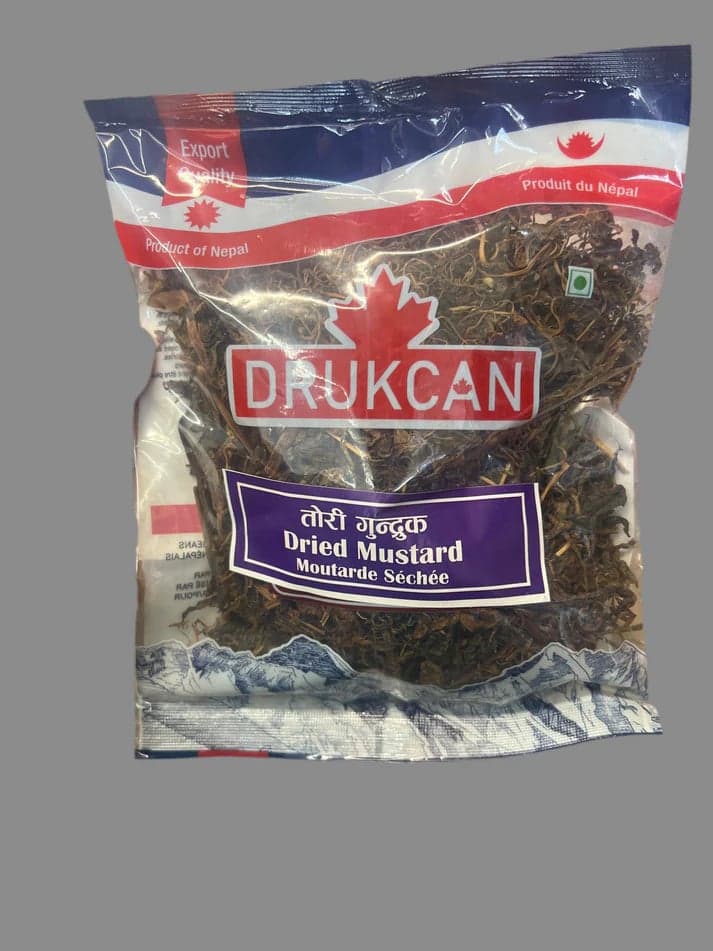
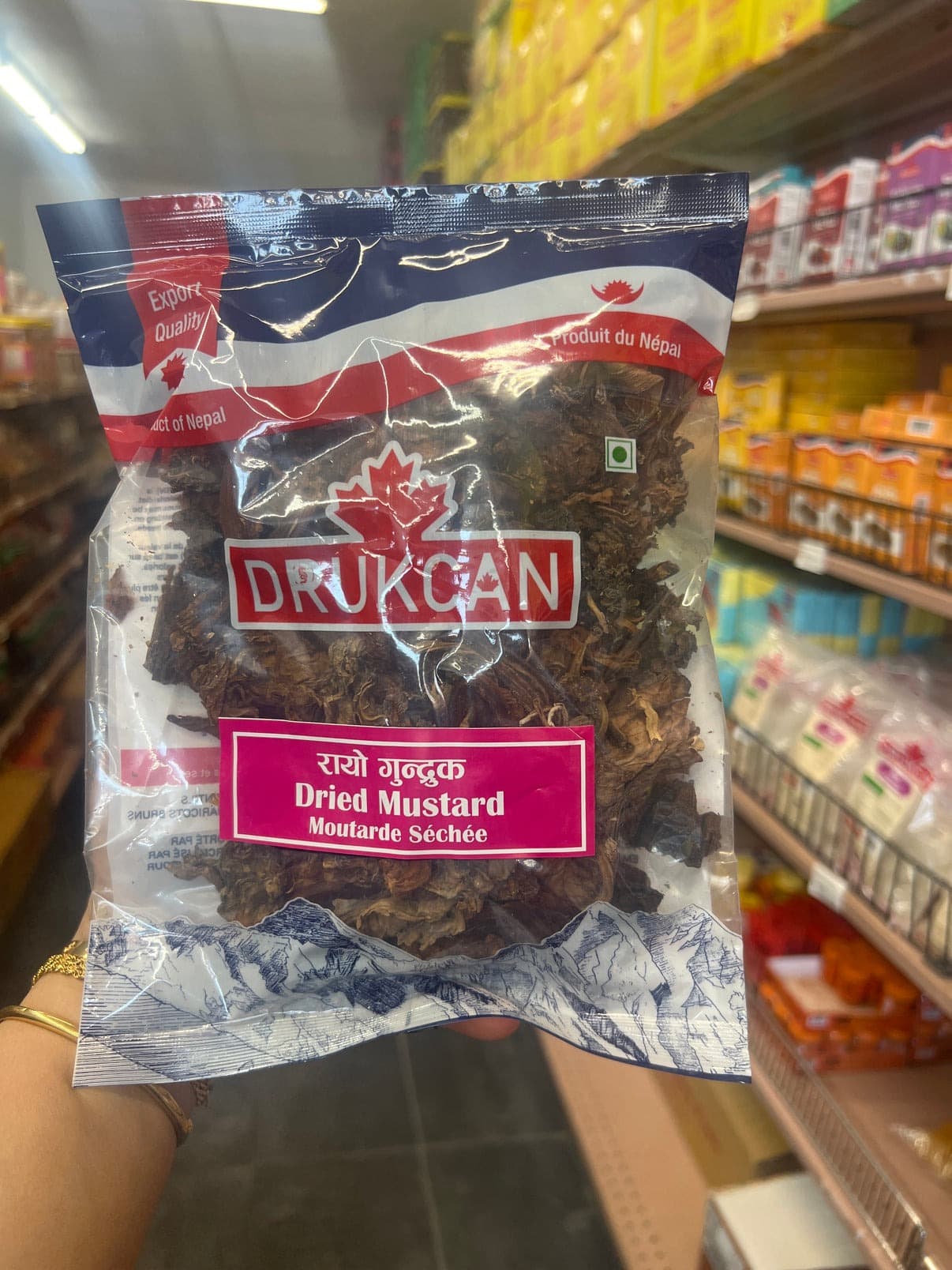
1 packet Tori Gundruk or Dried Mustard Gundruk, soaked in warm water for 15 to 20 minutes until soft. 1 medium potato, peeled and cubed. 1 ripe tomato, chopped (or use a spoon of paste if your tomatoes are out of season). 1 to 2 dried red chilies, whole or broken. A pinch of turmeric.
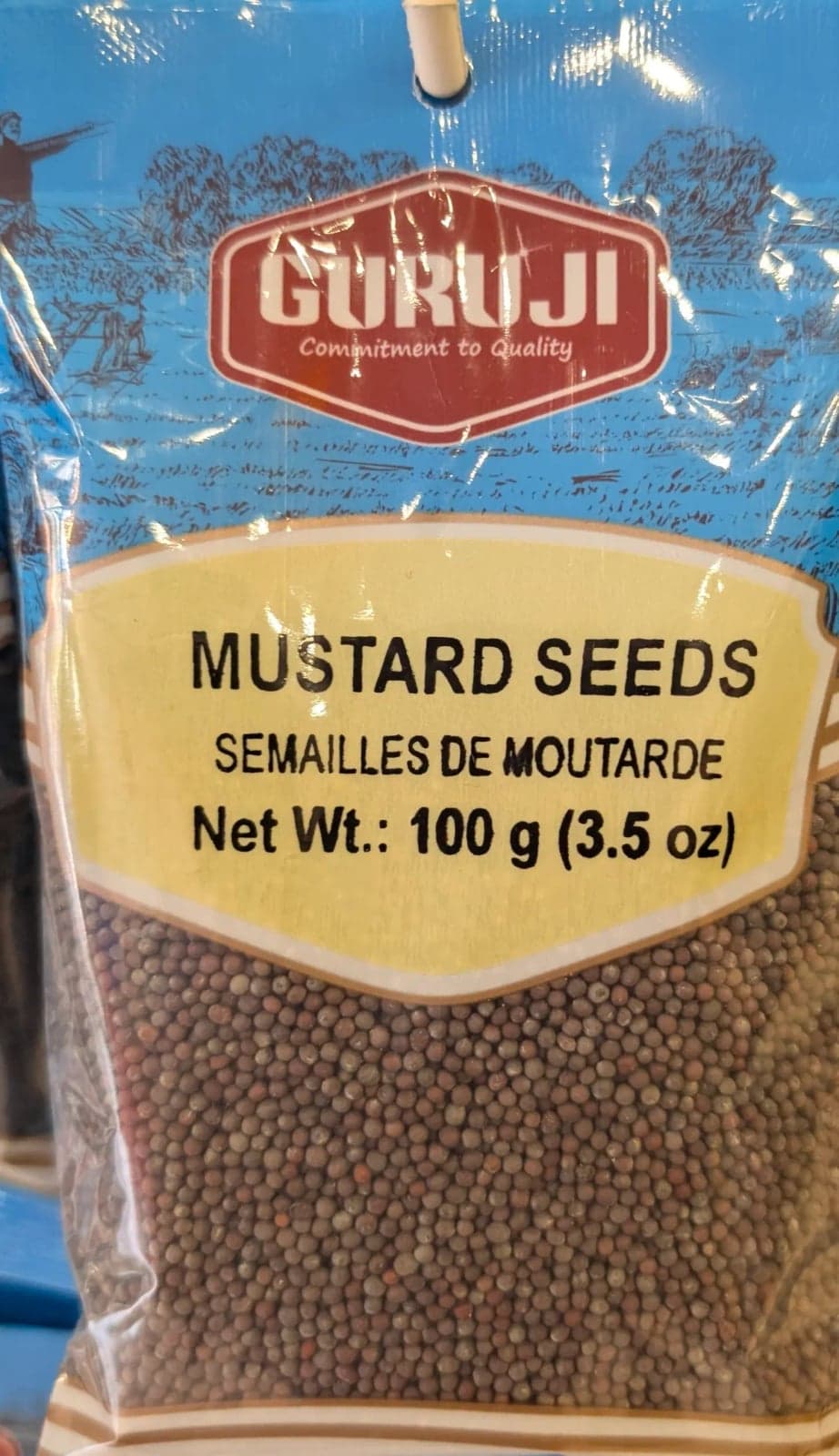
For the tempering (jhaneko): 1 tablespoon Khokana Mustard Oil, a small pinch of Mustard Seeds, a few Fenugreek Seeds, a teaspoon of Garlic Puree, and a teaspoon of Minced Ginger. A pinch of Cumin Seeds rounds out the base if you like it a little earthier.
Salt to taste, and fresh coriander to finish if you have it. That is the whole list.
How to Make Gundruk ko Jhol
1. Soak the gundruk in warm water for 15 to 20 minutes, then squeeze out the excess water and roughly chop it if the strands are long.
2. Heat the mustard oil in a pot until it just starts to shimmer. Nepali cooking uses mustard oil hot enough to lose its raw bite; if you are new to it, our Khokana mustard oil guide explains why we heat it this way.
3. Add the mustard seeds and fenugreek seeds. Let them crackle and turn a shade darker, about 20 to 30 seconds. Do not let the fenugreek go past golden brown or it turns bitter.
4. Stir in the garlic puree and minced ginger, cook for 30 seconds until fragrant, then add the dried chilies and turmeric.
5. Add the chopped tomato and cook it down for 2 to 3 minutes until it softens and the oil starts to separate at the edges.
6. Add the soaked gundruk and cubed potato. Stir everything together so the greens pick up the tempering.
7. Pour in 3 to 4 cups of water, add salt, and bring to a boil. Reduce to a simmer and cook for 15 to 20 minutes, until the potato is fork-tender and the broth has turned sour and slightly thick.
8. Taste and adjust salt and sourness. Finish with chopped coriander and serve hot.
Tips for the Best Sour Soup
Do not skip soaking the gundruk. Dry, unsoaked gundruk stays tough and stringy no matter how long you simmer it.
The sourness of gundruk ko jhol comes almost entirely from the fermentation itself, not from added lemon or vinegar. If your batch tastes flat, it usually means the gundruk was under-fermented or old; a good, well-fermented gundruk should smell distinctly sour even before it hits the pot.
Mustard oil is not optional here for the traditional flavour. A neutral oil works in a pinch, but the slight pungency of mustard oil is part of what makes this soup taste like home. See our mustard vs sunflower vs canola oil comparison if you are deciding what to keep stocked.
If the broth reduces too much, add hot water rather than cold, it keeps the potato from seizing up and going grainy.
Variations Worth Trying
Some households add a handful of soaked Nepali Soybean Black (bhatmas) to the pot for extra bite and protein, boiling them along with the potato.
Gundruk's cousin sinki (fermented radish) makes an equally good jhol using the same method; read gundruk vs sinki to understand how the two differ in flavour and texture before you swap one for the other.
In the hills, some cooks skip the tomato entirely and rely on extra fermentation sourness plus a squeeze of lapsi (hog plum) paste. If you want that route, our lapsi guide covers where that flavour comes from.
For a heartier meal, some families make gundruk ko dal instead of jhol, cooking the greens directly into lentils. Our Nepali dal recipe is a good base if you want to try that version.
Serving Gundruk ko Jhol
Gundruk ko jhol is almost always eaten as a side soup alongside a full dal bhat plate, spooned over rice to loosen it up bite by bite.
It pairs especially well with something sharp on the side, like aloo ko achar, and with plain steamed rice cooked the way we describe in how to cook perfect basmati rice.
If you are stocking up for the week, everything here (gundruk, mustard oil, whole spices) ships from our Nepali and Indian grocery delivery across Canada, so you are never far from a proper bowl of jhol even outside Metro Vancouver.
Frequently asked questions
Is gundruk ko jhol spicy?
Not really. It is sour and savoury first, with mild heat from the dried chilies in the tempering. Add fresh green chili if you want more kick, but traditionally this soup leans sour, not fiery.
Can I use fresh gundruk instead of the dried packet kind?
Yes, if you have access to fresh gundruk it works even better and needs less soaking time, just rinse and roughly chop it before it goes into the pot. Most households outside Nepal use the dried, shelf-stable Tori Gundruk since it keeps for months and rehydrates well.
What is the difference between Tori Gundruk and regular Dried Mustard Gundruk?
Tori gundruk is made from mustard green (tori) leaves specifically, while other packets may blend mustard greens with radish leaves or other greens depending on the region. Both work fine in jhol; the flavour differences are subtle and mostly about how tangy and fibrous the final texture is.
Why does my gundruk soup taste bland?
Usually it means the gundruk itself was mild or the tempering oil was not hot enough when the mustard and fenugreek seeds went in. Make sure the mustard oil is properly heated before adding the spices, and do not skimp on salt, gundruk needs a firm hand with seasoning to balance its natural sourness.
Can I make gundruk ko jhol ahead of time?
Yes, it actually tastes better the next day once the flavours settle. Store it in the fridge for up to 3 days and reheat gently on the stove, adding a splash of hot water if it has thickened too much.
Do you ship gundruk and these ingredients across Canada?
Yes. We ship gundruk, mustard oil, and whole spices to all 10 provinces and 3 territories, with free delivery from $35 in central Metro Vancouver and same-day delivery available there by phone. See our Nepali and Indian grocery delivery across Canada page for details on timing to your area.
Shop the pantry
Authentic Himalayan staples, delivered anywhere in Canada.
Keep reading
Nepali & Indian Grocery Delivery Across Canada
One Vancouver shop, one nationwide delivery run: real Nepali and Indian groceries shipped coast to coast.
Read the guideGundruk: Buying & Cooking Nepal's Fermented Greens
Nepal's tangy fermented greens, explained: what to buy, how to rehydrate it, and two ways to turn it into dinner.
Read the guideGundruk vs Sinki: Two Nepali Fermented Foods
Gundruk is fermented leafy greens, sinki is fermented radish root: same sour, funky family, completely different jar.
Read the guideGundruk Nutrition & Benefits: Fermented-Greens Health
Nepal's tangy fermented leafy greens pack live cultures, plant iron, and fibre into one sun-dried, shelf-stable staple.
Read the guide