
Food & Nutrition Guides
Gundruk Nutrition & Benefits: Fermented-Greens Health
Gundruk is dried, fermented mustard or radish greens, and it's one of the most nutrient-dense staples in the Nepali pantry. Long before anyone used the word probiotic, hill households were fermenting their summer greens to survive winters without fresh vegetables. Here's what's actually in it, and why it still earns a place in the dal bhat bowl today.
By Bishnu Koirala · Founder & CEO
Published
On this page
What Is Gundruk, and Why Nepalis Ferment Their Greens
Gundruk starts as fresh mustard, radish, or cauliflower leaves that are wilted, packed tight, and left to ferment for several days before being sun-dried. The result is a sour, deeply savoury dried green that keeps for months without refrigeration.
This isn't a modern health trend. It's a monsoon-season survival food from the mid-hills of Nepal, where fresh greens are abundant in summer but scarce once winter sets in. Drying and fermenting turned a surplus crop into a pantry staple that could carry a household through the lean months.
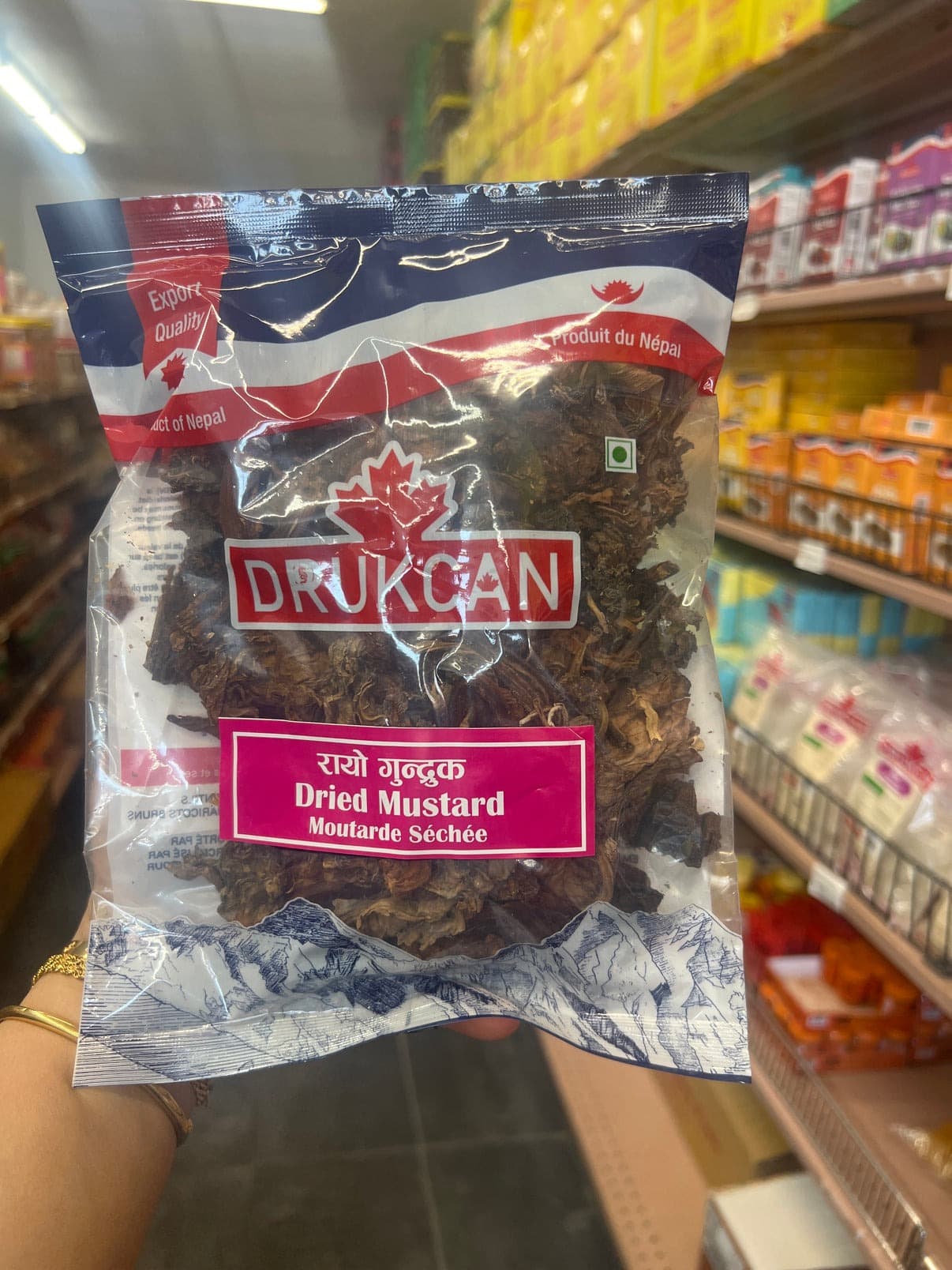
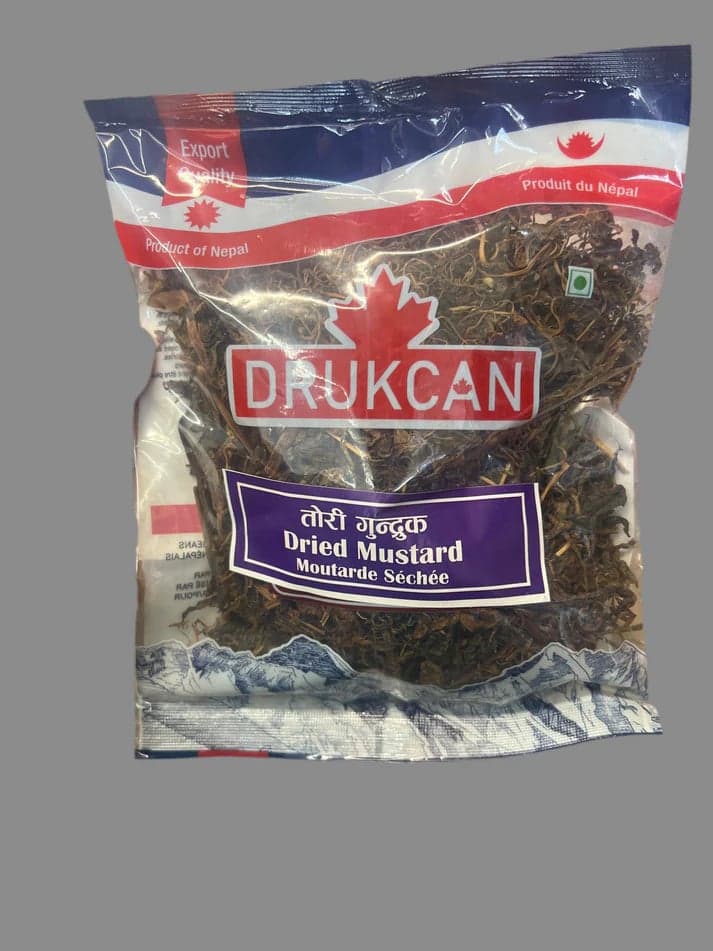
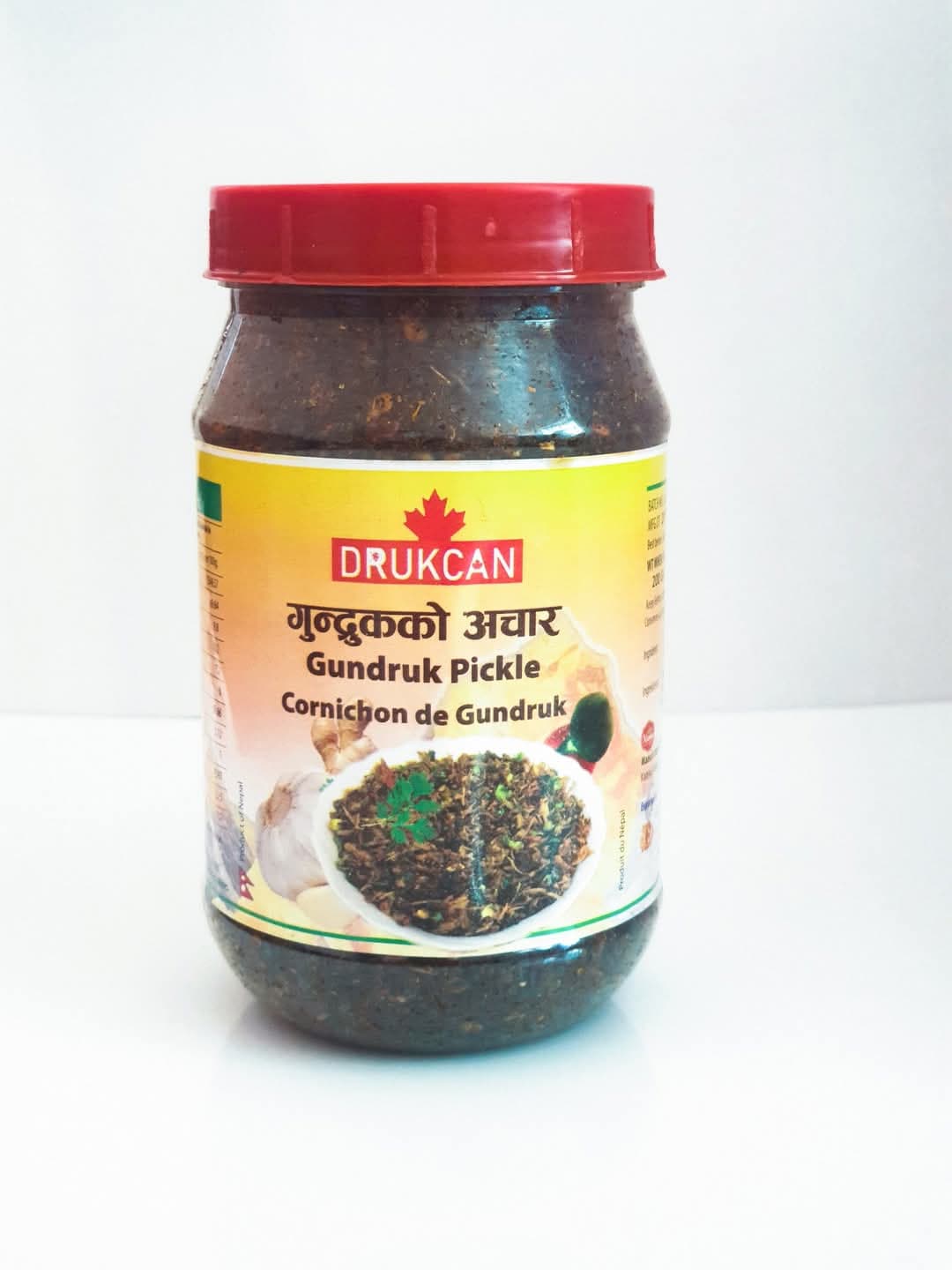
We stock both the classic Dried Mustard Gundruk and the milder Tori Gundruk, plus a ready-made Gundruk Pickle for anyone who wants the flavour without the soaking and cooking step. If you're new to Nepali fermented foods, our gundruk buying and cooking guide walks through picking the right form for your kitchen.
Probiotics: The Live Cultures Behind the Sour Tang
That distinctive sourness in gundruk comes from lactic acid bacteria, the same family of microbes responsible for the tang in sauerkraut, kimchi, and yogurt. During the days-long fermentation, these bacteria break down sugars in the leaves and produce lactic acid, which is what preserves the greens and gives gundruk its sharp flavour.
The fermentation happens before drying, so the process that builds those live cultures is locked in during the wet, packed stage. Once the greens are sun-dried, the product becomes shelf-stable, which is part of why gundruk travels and stores so well compared to fresh fermented vegetables.
Fermented foods like gundruk are traditionally valued for supporting a healthy gut environment, the same reasoning behind eating yogurt or achar regularly in a Nepali meal. If you like exploring the fermented side of the pantry, our gundruk vs sinki guide compares gundruk to its fermented-radish cousin, and both pair naturally with the pickles and achar aisle for a tangy side at every meal.
Iron and Minerals: Why Gundruk Matters in a Rice-Heavy Diet
Leafy greens are naturally a source of iron, and drying concentrates the nutrients in gundruk relative to fresh leaves simply because the water is removed and the mineral content stays behind. This is one reason gundruk has long been part of the everyday dal bhat plate rather than an occasional side dish.
In a diet built around rice and lentils, a mineral-rich fermented green like gundruk rounds out the plate. It's traditionally cooked into gundruk ko jhol, a soupy, tomato-based curry that's a genuine comfort food across the hills of Nepal, and one of the simplest ways to work it into a weeknight meal.
For a fuller picture of plant-based iron and protein in the Nepali pantry, see how gundruk stacks up against other staples in our dal and lentils protein guide and our look at horse gram (gahat) benefits.
Vitamin C and Fibre: What Survives Fermentation and Drying
Fresh mustard and radish greens are a solid source of vitamin C, and fermentation itself doesn't destroy this the way heavy cooking can. Some vitamin C is naturally lost during the sun-drying stage since the vitamin is sensitive to heat and light exposure, but gundruk still carries meaningfully more of it than most dried pantry staples.
Gundruk also retains the fibre structure of the original leaves. Because it's a dried vegetable rather than a refined ingredient, it adds bulk and texture to a meal in a way that white rice or plain daal alone doesn't.
This is worth keeping in mind if gundruk is your only green on a given day: it's a genuine vegetable contribution to the plate, not just a flavour note, which is why it earned a permanent spot in the traditional Nepali diet long before nutrition labels existed.
How to Cook and Eat Gundruk for Maximum Benefit
Dried gundruk needs a short soak in warm water before cooking, usually 10 to 15 minutes, to soften the leaves and rinse off any excess salt from the fermentation. From there it's typically sautéed with garlic, ginger, tomato, and a spoon of Khokana Mustard Oil before simmering into a jhol.
A pinch of Bire Nun (black salt) at the end brightens the sourness and is a common finishing touch in hill households. Gundruk also works cold and quick as an achar: soaked, chopped, and tossed with mustard oil, chili, and lime for a side that needs no cooking at all.
Serve it alongside rice and a bowl of Moong Daal for a plate that covers grain, legume, and fermented green in one sitting, which is close to how a traditional dal bhat meal is actually built.
Ordering Gundruk and Nepali Pantry Staples in Canada
Fermented, dried greens like gundruk aren't something most Canadian grocery stores carry, which is exactly why we import it directly. Our full range of Nepali and Indian pantry staples, including spices and masala and cooking oils, ships to all 10 provinces and 3 territories.
Standard shipping runs $5 to $10, with free delivery from $35 in central Metro Vancouver and same-day options available there by phone. If you're outside the Lower Mainland, our Nepali and Indian grocery delivery across Canada hub has the full rundown of zones, timelines, and what ships nationwide.
Frequently asked questions
Does gundruk actually contain live probiotics once it's dried?
The lactic acid bacteria do their work during the fermentation stage, before the greens are sun-dried. Drying is mainly for preservation and shelf life, so gundruk is best understood as a fermented food with the flavour and mineral benefits of that process, similar to how dried, cured foods are valued even after the active fermentation window has passed.
How much iron is in gundruk compared to other greens?
Gundruk is made from mustard or radish leaves, both of which are naturally iron-containing vegetables, and drying concentrates that mineral content per gram compared to the same weight of fresh leaves. It's traditionally treated as a meaningful iron source in the everyday Nepali dal bhat plate, not just a garnish.
Is the vitamin C in gundruk destroyed by fermenting and drying?
Fermentation itself doesn't strip vitamin C the way boiling can, but some is lost during sun-drying since the vitamin breaks down with heat and light exposure over time. Gundruk still contributes meaningfully more vitamin C than most other dried pantry staples like rice or lentils.
What's the difference between gundruk and sinki?
Gundruk is made from fermented leafy greens (mustard, radish, or cauliflower leaf), while sinki is made from fermented radish root. They taste similarly sour but have different textures and are used somewhat differently in cooking. Our gundruk vs sinki guide breaks down when to use each.
Is gundruk vegan, gluten-free, and suitable for most diets?
Yes. Gundruk is simply fermented and dried leafy greens with no added grains, dairy, or animal products, which makes it naturally vegan and gluten-free. It's also low in fat, so most of what you're getting is fibre, minerals, and the tang from fermentation.
How should I store gundruk once the package is opened?
Keep dried gundruk in a sealed container in a cool, dry pantry away from direct sunlight, the same way you'd store any dried spice or leaf. It will keep for months in that state. Once soaked and cooked into a jhol, treat leftovers like any cooked vegetable dish and refrigerate.
Shop the pantry
Authentic Himalayan staples, delivered anywhere in Canada.
Keep reading
Nepali & Indian Grocery Delivery Across Canada
One Vancouver shop, one nationwide delivery run: real Nepali and Indian groceries shipped coast to coast.
Read the guideGundruk: Buying & Cooking Nepal's Fermented Greens
Nepal's tangy fermented greens, explained: what to buy, how to rehydrate it, and two ways to turn it into dinner.
Read the guideGundruk ko Jhol Recipe: Fermented Greens Soup
A sour, warming bowl of fermented gundruk simmered with potato and tomato, the way Nepali kitchens have made it for generations.
Read the recipeGundruk vs Sinki: Two Nepali Fermented Foods
Gundruk is fermented leafy greens, sinki is fermented radish root: same sour, funky family, completely different jar.
Read the guide