
Food & Nutrition Guides
Jumla Beans: Himalayan Heirloom Simi & Gahat
Long before rajma and chana became pantry staples, the terraced fields of Jumla in northwestern Nepal were growing their own beans: simi in red, black and speckled mixes, and gahat, the warming horse gram of high-altitude winters. These are not supermarket lentils. They are heirloom varieties grown by smallholder farmers at elevation, and we bring them into Canada so you can cook the way your grandmother did in the hills.
By Bishnu Koirala · Founder & CEO
Published
On this page
What Are Jumla Beans, Exactly?
Jumla is a remote district in Karnali Province, tucked into the mid-hills and high valleys of northwestern Nepal, some of it above 2,300 metres. The growing season is short and the soil is rocky, so farmers there have spent generations selecting bean varieties that thrive in exactly that cold, thin-air climate. The result is simi (the general Nepali word for beans) in colours and textures you will not find in a mass-market bag of dried beans.
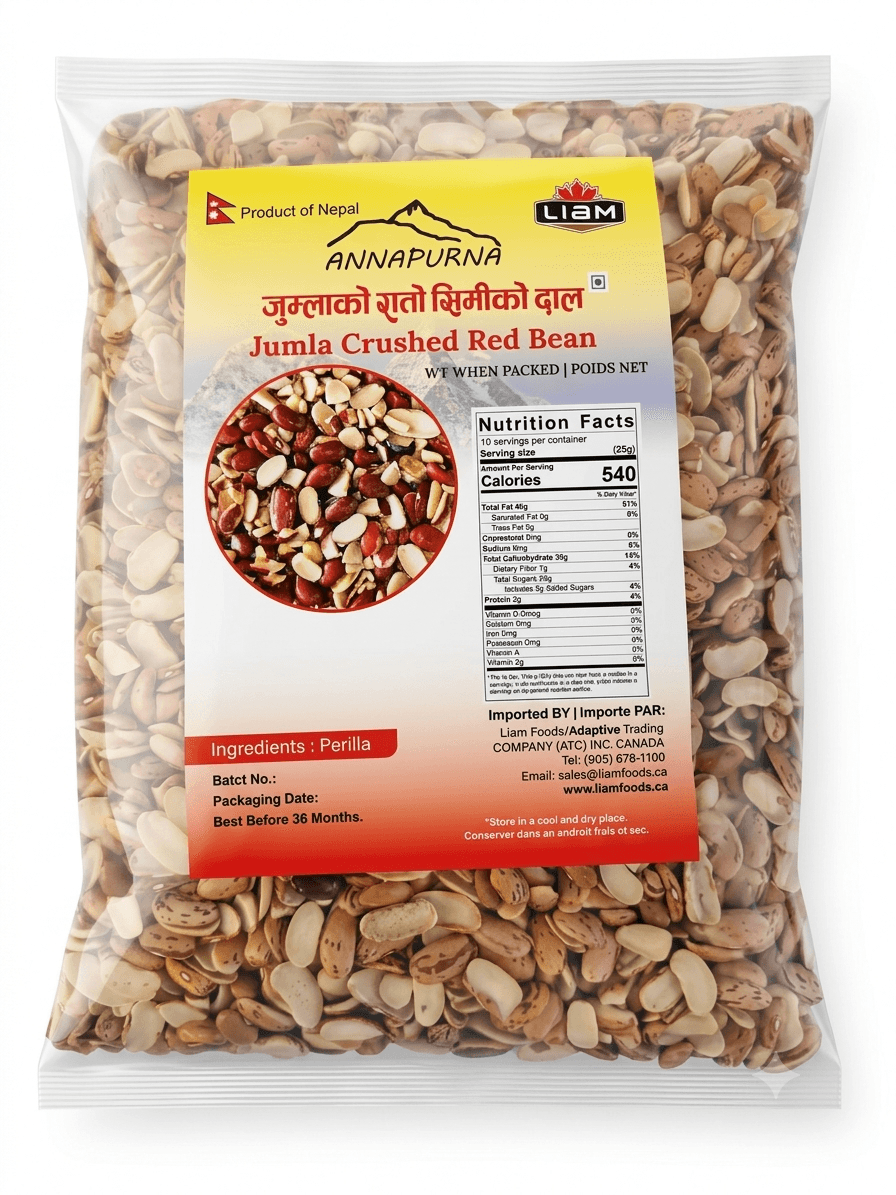
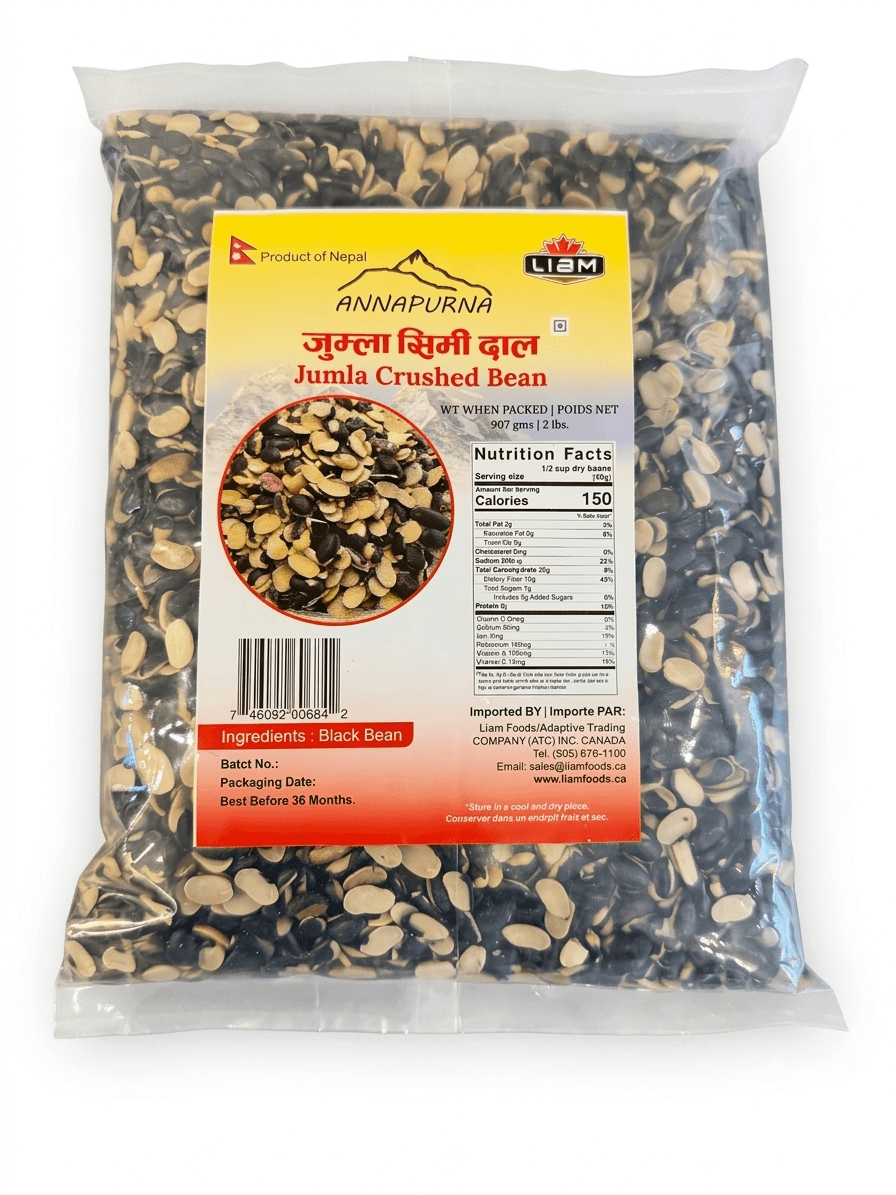
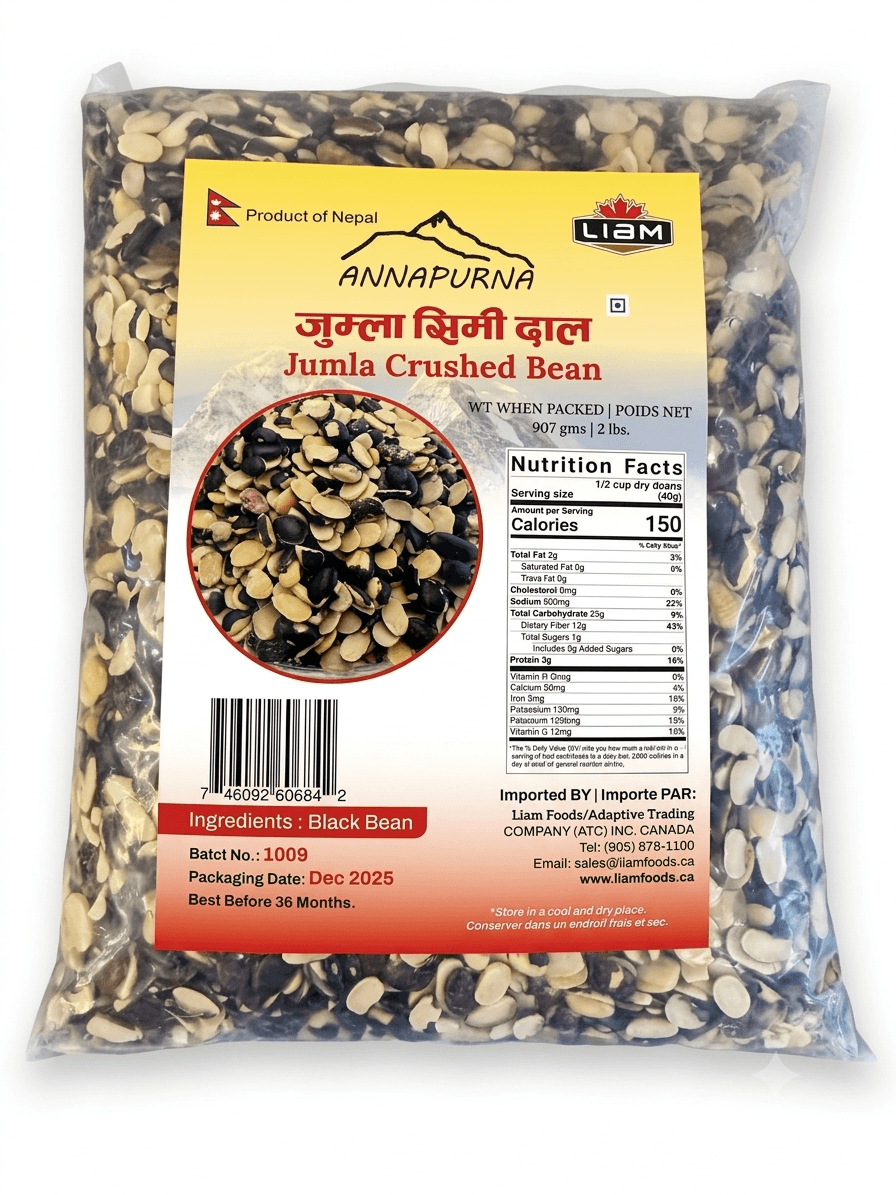
We stock three of the classic simi varieties from Jumla: the deep Jumla Red Simi known at home as rato simi, the Jumla Black Simi or kaalo simi, and a farmer's-mix bag we simply call Mixed Jumla Simi that combines several colours the way they actually come off a Jumla terrace. If you have only ever cooked kidney beans and lentils, this is your introduction to a whole other family of pulses.
Rato, Kaalo & Mixed Simi: Telling Them Apart
Rato simi (red) has a mild, slightly sweet flavour and holds its shape well, which makes it a natural stand-in anywhere you would use rajma. Kaalo simi (black) is earthier and a touch denser, closer in character to black turtle beans, and it browns beautifully in a mustard-oil tadka. The mixed bag gives you a bit of everything in one pot, which is exactly how many Jumli households cook: whatever came in from the field that season.
None of the three need anything fancy to shine. A simple onion-garlic-ginger base, a spoon of turmeric, a green chili if you like heat, and a long simmer is enough. We think of them as a slower, more textured cousin to the beans in our rajma (kidney beans) guide, worth keeping in the same cupboard for variety.
Gahat (Horse Gram): The Winter Warming Bean
Gahat, known in English as horse gram, is a small, hard, reddish-brown bean that has been grown across the Himalayan foothills for centuries, prized as much for its warming effect on the body as for its taste. In Jumla and across the hills, gahat soup (gahat ko jhol) is the classic remedy for a cold winter evening or a body ache after a long trek.
Our Horse Gram (Gahat) needs an overnight soak and a longer simmer than most beans, since the skin is tougher, but the payoff is a thick, deeply savoury broth that Nepali households have relied on long before instant soups existed. If you want the full nutritional story behind why it is treated almost like a tonic, we cover that separately in our piece on horse gram (gahat) benefits.
How to Cook Jumla Simi and Gahat
Soak the simi varieties for 6 to 8 hours or overnight; this softens the skin and cuts your cooking time roughly in half. Gahat benefits from an even longer soak, closer to 10 to 12 hours, since the bean is smaller and denser.
For the pot: bring soaked beans to a boil in fresh water, skim the foam, then drop to a gentle simmer. Rato and kaalo simi are usually tender in 40 to 60 minutes on the stovetop, or about 20 minutes in a pressure cooker after the whistle. Gahat can take a little longer, closer to an hour simmered, because of that firmer skin.
Season after the beans are already soft, not before; salt added too early can toughen the skins and stretch out your cooking time. A tadka of ghee or mustard oil, cumin seed, garlic and dried red chili poured over the finished pot is the finishing touch most Jumli cooks would insist on.
Cooking with Jumla Beans: Pairings That Work
Simi and gahat both belong in a proper kwati, the mixed nine-bean soup Newari households cook for Gunla and other festivals; our DRUKCAN Mixed Beans (Kwati) is a ready-made version if you want that same layered, many-bean pot without sourcing nine ingredients separately.
For an everyday plate, serve any of the simi varieties the way you would dal, ladled generously over rice, ideally the short-grain heirloom Jumla Marsi Rice grown in the very same district. Rice and beans from the same valley, cooked in the same kitchen, is about as close to an authentic Jumla table as you can get in Canada. If rice is new territory for you, our how to cook perfect basmati rice guide covers the fundamentals that carry over to heirloom grains too.
These beans also travel well into festival cooking. Come Dashain or a family bhoj, a pot of simi alongside the usual dal bhat rounds out the table with something your guests probably have not tasted before; see our Dashain foods guide for the wider festival spread.
Why Jumla Beans Are Worth Seeking Out
Heirloom beans like these are not grown for volume; they are grown because a family has planted the same seed stock for generations and it works in that particular soil and altitude. That means supply is smaller and harder to export, which is exactly why you rarely see true Jumla simi or gahat outside specialty Himalayan grocers.
We bring these in through our regular import channels alongside the rest of our beans and lentils selection, and like everything else at Danphe Stores, they ship from our Vancouver shop through our Nepali & Indian grocery delivery across Canada network, so a household in Calgary or Halifax can cook the same pot of gahat soup as a family five minutes from our storefront on East Hastings.
Frequently asked questions
What is the difference between simi and regular kidney beans (rajma)?
Simi is the broader Nepali word for dried beans, and Jumla's heirloom varieties (rato, kaalo, mixed) are related to but distinct from the kidney beans sold as rajma. They tend to be smaller, cook to a slightly creamier texture, and carry a more rustic, earthy flavour. You can substitute one for the other in most recipes and cooking times are similar.
Do I need to soak Jumla beans before cooking?
Yes. Soak the simi varieties 6 to 8 hours and gahat closer to 10 to 12 hours. Soaking shortens stovetop cooking time significantly and gives a more even, tender result, especially important for gahat's firmer skin.
What does gahat (horse gram) taste like?
Gahat has a nutty, slightly earthy flavour with more depth than a typical lentil, closer to a bean than a dal. It is traditionally cooked into a thick soup with garlic, ginger, cumin and a mustard oil or ghee tadka, and it is the classic winter warming food in the Jumla hills.
Can I use Jumla simi in kwati or other festival soups?
Absolutely. Both rato and kaalo simi work well in a multi-bean kwati, and gahat can be added for extra depth. If you would rather skip the sourcing and prep, our pre-mixed DRUKCAN nine-bean kwati blend is ready to soak and cook straight from the bag.
Do you ship Jumla beans outside British Columbia?
Yes. We ship these heirloom beans to all 10 provinces and 3 territories from our Vancouver store, usually arriving in 5 to 10 business days, with free shipping on orders over $35 within central Metro Vancouver and same-day delivery available there by phone.
Is Jumla rice related to Jumla beans?
They come from the same district but are separate crops. Jumla is known both for its heirloom marsi rice, a short reddish-brown grain grown at altitude, and for its simi and gahat beans. Pairing our Jumla Marsi Rice with any of the simi varieties gives you a meal sourced entirely from one Himalayan valley.
Shop the pantry
Authentic Himalayan staples, delivered anywhere in Canada.
Keep reading
Nepali & Indian Grocery Delivery Across Canada
One Vancouver shop, one nationwide delivery run: real Nepali and Indian groceries shipped coast to coast.
Read the guideHorse Gram (Gahat): Benefits of the Himalayan Bean
Gahat (horse gram) is the small, hard-working Himalayan bean packed with plant protein that your dadi's kitchen never ran out of.
Read the guideJumla Marsi & Brown Rice: Himalayan Rice Nutrition
Jumla's marsi chamal keeps its bran intact, so it carries more fibre to the plate than polished white rice ever will.
Read the guideRajma (Kidney Beans): The Complete Guide
Dark red, creamy, and made for a big pot of chawal: here is everything worth knowing about rajma.
Read the guide