
Food & Nutrition Guides
Besan vs Maida vs Rice Flour: Which Flour When
Open a Nepali or Indian pantry and you'll usually find three flours sitting side by side: besan, maida and rice flour. They look similar in the bag but behave nothing alike once they hit hot oil or a mixing bowl, so picking the wrong one can flatten a batter or turn a crisp snack chewy.
By Bishnu Koirala · Founder & CEO
Published · Updated
On this page
| Besan (Gram Flour) | Maida (All-Purpose) | Rice Flour | |
|---|---|---|---|
| Made from | Ground chana dal (chickpeas) | Refined wheat, gluten stripped low then developed | Ground white rice |
| Gluten | None | High, very stretchy | None |
| Colour & smell | Pale yellow, faintly nutty | Bright white, neutral | Bright white, neutral |
| Texture it gives | Dense, slightly grainy, holds a coating | Soft, chewy, elastic | Crisp, brittle, slightly gritty |
| Classic uses | Pakora batter, kadhi, chila, laddu, besan-based curries | Puri, naan, samosa dough, cakes, roux for gravies | Sel roti, chatamari, dosa-style crepes, rice-flour halwa |
| Protein per 100g | ~22g | ~10g | ~6g |
Besan (Gram Flour): the protein-rich workhorse
Besan is milled from roasted chana dal, so it already carries a toasty, nutty note before it even touches a pan. That's why it doesn't need much seasoning to taste good on its own.
It has zero gluten, which means it can't be stretched like dough. Instead it thickens: whisked with water and spices it becomes the batter for pakora, the base for kadhi, and the binder in besan chila.
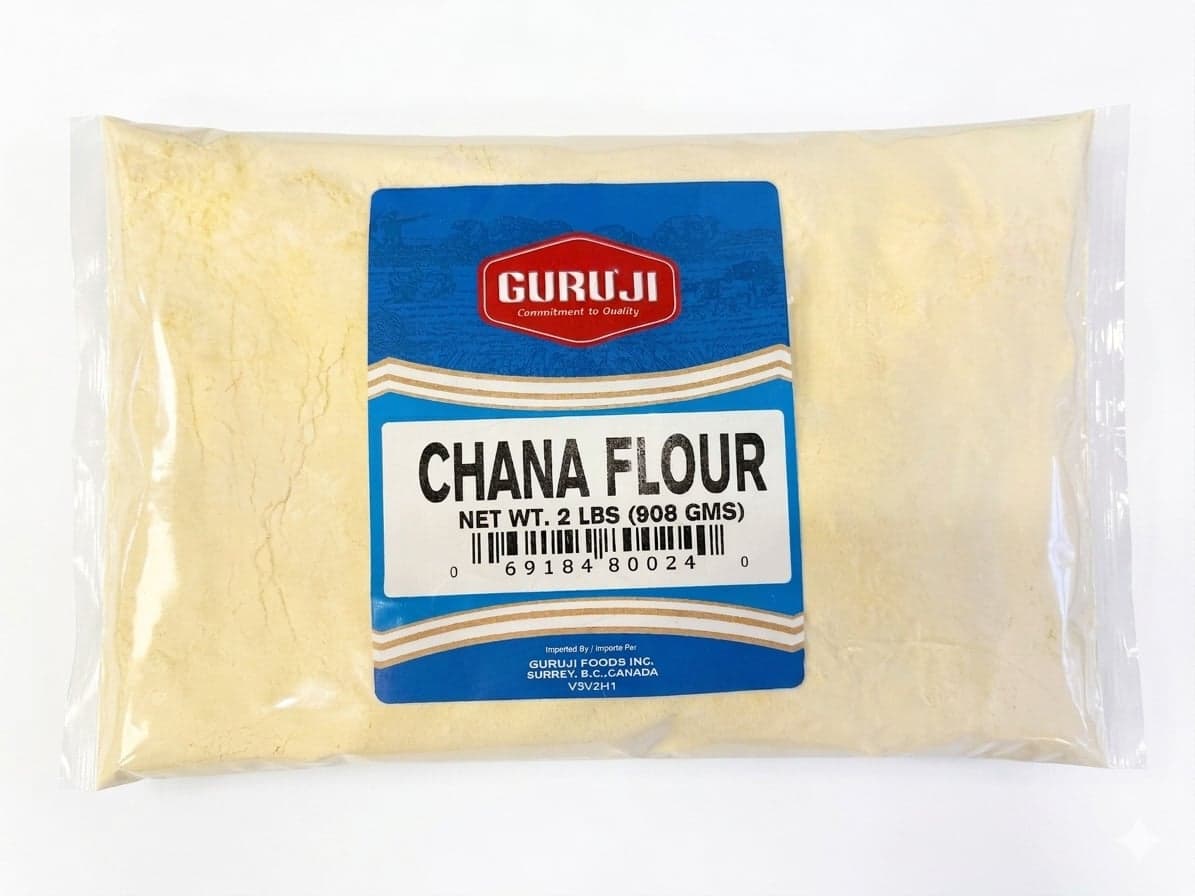
Because it's naturally high in protein (our full besan (gram flour) guide breaks down the numbers), besan is also the flour Nepali and Indian households reach for when they want a filling snack without meat or paneer. A bag of Besan (Chana Flour) covers pakora night, kadhi, and laddu with room to spare.
One thing to watch: besan scorches fast in hot oil if the batter is too thick, so thin it with a splash of water until it ribbons off the spoon rather than clumping.
Maida (all-purpose flour): soft, stretchy, and built for dough
Maida is refined wheat flour, close cousin to what North American bakers call all-purpose flour, though it's milled slightly finer and whiter. The gluten in it is what lets dough stretch without tearing.
That stretch is exactly why maida shows up in puri, samosa wrappers, naan, and the crisp shells for pani puri. If you're setting up a full pani puri (golgappa) kit at home, maida is the flour behind those hollow, puffed shells.
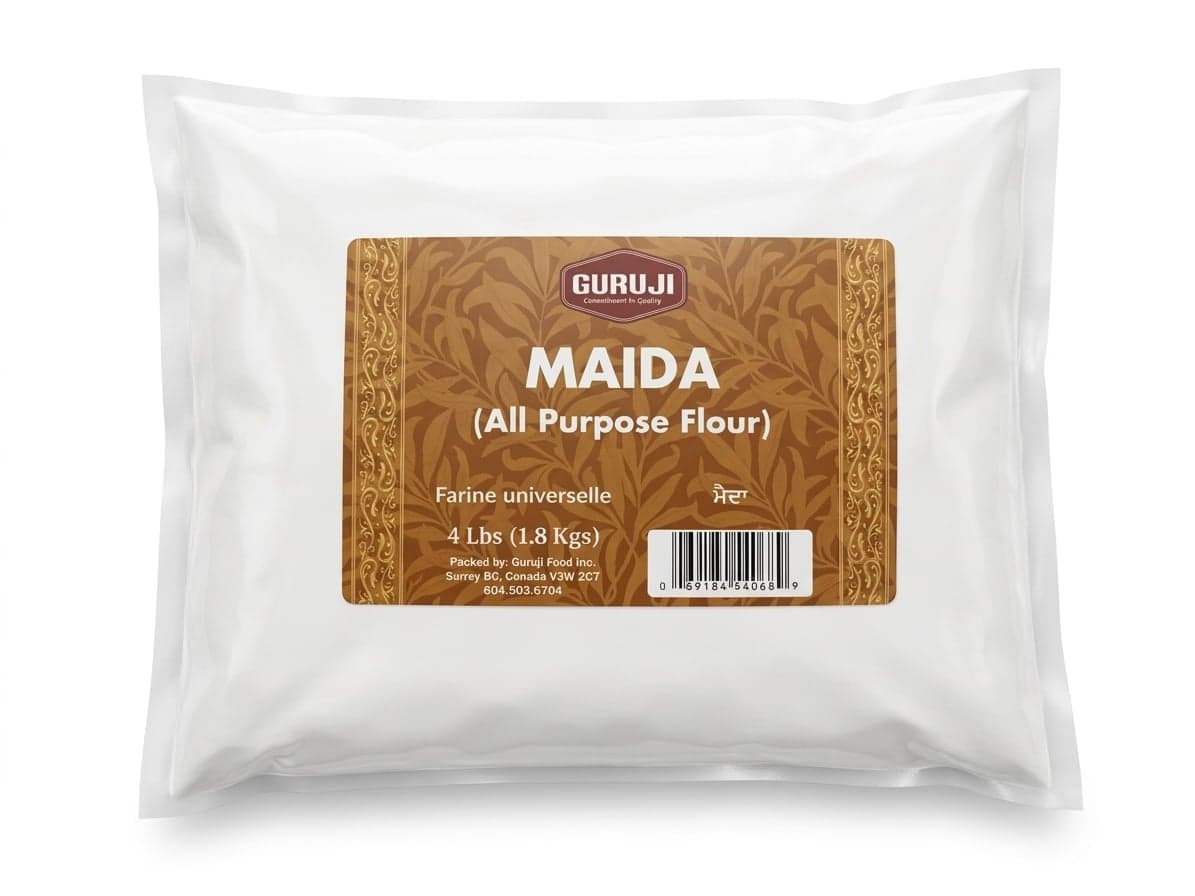
It's also the everyday baking flour: cakes, biscuits, roux for thickening gravies. A single 4lb bag of All Purpose Flour (Maida) does double duty for both savory dough and dessert.
Maida dough needs rest. Ten to fifteen minutes covered under a damp cloth relaxes the gluten so puris puff evenly instead of staying flat and dense.
Rice flour: gluten-free, crisp, and essential for festival food
Rice flour is simply white rice ground fine. With no gluten to develop, it can't be kneaded into an elastic dough, but that's the whole point: it gives a clean, crisp bite instead of a chewy one.
In Nepali kitchens rice flour is non-negotiable for sel roti, the ring-shaped fried bread that shows up at every Dashain and Tihar table. Our sel roti ingredients guide walks through the batter ratio if you've never made it before.
It's also the base for Newari chatamari, the rice crepe sometimes called Newa pizza, and for South Indian-style dosas and idlis when blended with a little urad dal. Keep a bag of Rice Flour on hand and both traditions are covered.
Rice flour batter should be thinner than you'd expect for a pancake. It firms up fast once it hits hot oil or a griddle, so a runny batter actually gives the crisper edge.
Which flour for which dish: a quick decision guide
If the recipe calls for a crisp, savory coating (pakora, bhajiya, or a besan-based curry thickener), reach for besan. Its nutty flavour is part of the dish, not just a binder.
If you're rolling, stretching, or proofing dough (puri, naan, samosa pastry, or Western-style baking), maida is the right call because it's the only one of the three with meaningful gluten.
If the goal is gluten-free crispness or a festival classic like sel roti, chatamari, or rice-flour halwa, rice flour is non-negotiable; no substitute gives quite the same snap.
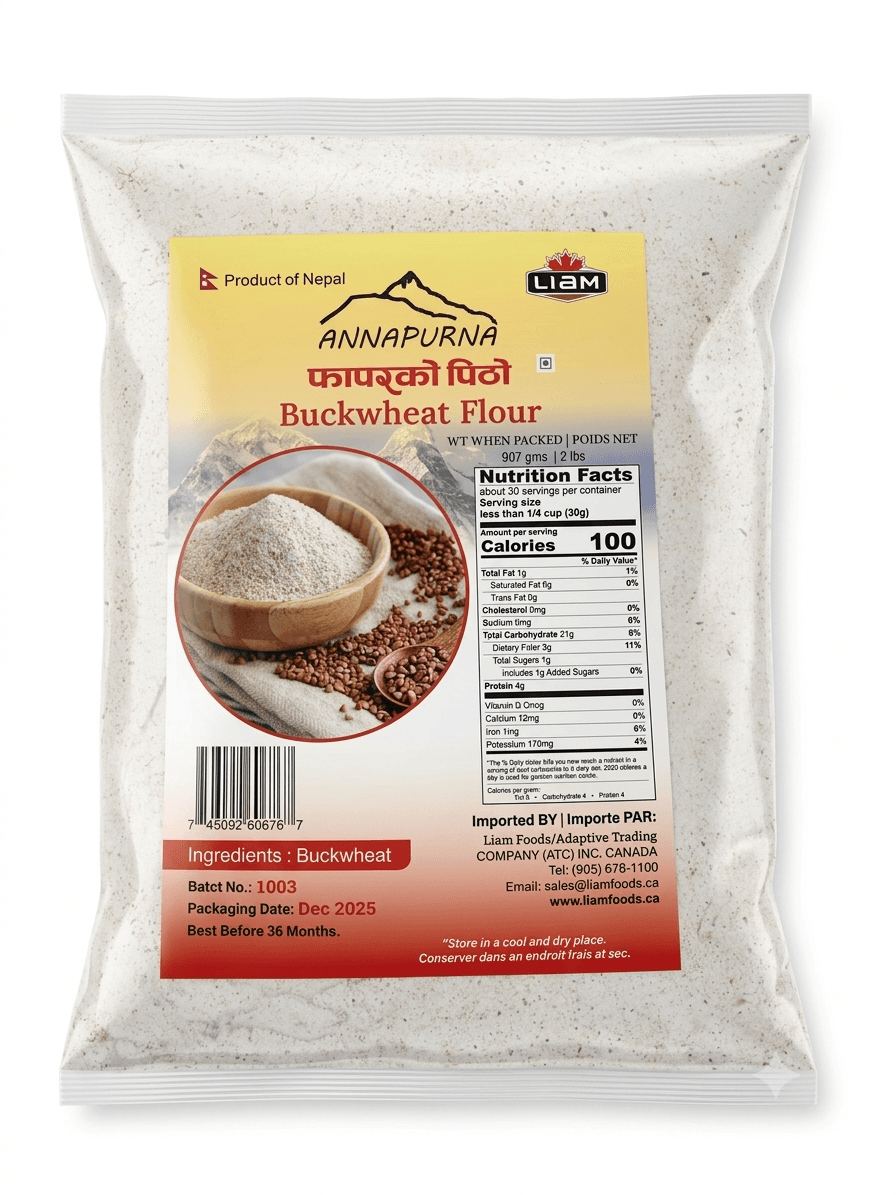
Some Himalayan dishes go further afield with millet or buckwheat. Kodo (millet) flour and fapar (buckwheat) flour behave more like rice flour, gluten-free and best for flatbreads or porridge, and they're worth stocking if you cook the more traditional hill-region recipes.
For a wider look at how Nepali and Indian pantries differ beyond flour, see our Nepali vs Indian groceries comparison.
Storing your flours and buying them in Canada
All three flours keep best in an airtight container in a cool, dry cupboard. Besan, being higher in fat from the chickpea, has the shortest shelf life; use it within three to four months for best flavour, or store it in the fridge if your kitchen runs warm.
Maida and rice flour are more forgiving and can sit at room temperature for six months or more without turning rancid, though rice flour can pick up moisture in humid weather, so a tightly sealed bag matters.
You'll find all of these, along with millet and buckwheat flours, in our rice & flour category. If you're stocking a full pantry rather than a single bag, our nepali & indian grocery delivery across Canada hub covers shipping timelines to every province and territory we serve.
Danphe Stores ships flours nationwide from our Vancouver shop, standard delivery in 5 to 10 business days, with free shipping over $35 in central Metro Vancouver and same-day options there by phone.
Frequently asked questions
Can I substitute maida for besan in pakora batter?
Not really. Maida has gluten and turns gummy in hot oil, while besan fries up light and holds spices well. If you're out of besan, chickpea flour is the only real match; see our besan (gram flour) guide for more uses.
Is rice flour the same as regular rice ground at home?
Commercial rice flour is milled much finer and more evenly than rice ground in a home blender, which matters for dishes like sel roti and chatamari where a smooth batter gives the right texture. Store-bought Rice Flour saves the guesswork.
Is besan gluten-free?
Yes. Besan is made purely from ground chana dal (chickpeas), so it's naturally gluten-free and a common flour in gluten-free Indian and Nepali cooking, alongside rice flour and millet flour.
What's the difference between maida and regular all-purpose flour from a Canadian grocery store?
They're very close. Maida is milled slightly finer and whiter, which gives an even softer crumb in naan and puri, but Canadian all-purpose flour will work in a pinch for most recipes that call for maida.
Which flour is best for a gluten-free diet: besan or rice flour?
Both are naturally gluten-free, so the choice comes down to the dish. Use besan for savory batters and curries where its protein and nutty flavour matter, and rice flour when you want a crisp, neutral base like sel roti or dosa.
Do you ship these flours outside British Columbia?
Yes. Danphe Stores ships besan, maida, rice flour and other pantry staples to all 10 provinces and 3 territories, typically in 5 to 10 business days. Full details are on our nationwide delivery page.
Shop the pantry
Authentic Himalayan staples, delivered anywhere in Canada.
Keep reading
Nepali & Indian Grocery Delivery Across Canada
One Vancouver shop, one nationwide delivery run: real Nepali and Indian groceries shipped coast to coast.
Read the guideBesan (Gram Flour): Uses, Recipes & Where to Buy
One bag of besan makes crispy pakora, silky kadhi, and melt-in-the-mouth ladoo, here's how to use it right.
Read the guideSel Roti at Home: Rice Flour, Ghee & the Ring
The whole secret to a good sel roti lives in the batter's texture, not a long ingredient list.
Read the guideSel Roti Recipe: Sweet Rice-Flour Ring
Crispy outside, soft and springy inside: the sel roti ring that shows up at every Nepali Tihar table, made right in your own kitchen.
Read the recipe