
Food & Nutrition Guides
Horse Gram (Gahat): Benefits of the Himalayan Bean
Long before quinoa and lentil chips showed up on grocery shelves, hill kitchens in Nepal were quietly relying on gahat, or horse gram, to get families through cold winters on very little. It's a small brown-red bean with an outsized amount of protein and fibre, and it's still a staple in Jumla, the mid-hills, and Himalayan households across the diaspora. Here's what's actually in it, and how to cook it.
By Bishnu Koirala · Founder & CEO
Published
On this page
What Is Gahat, Exactly?
Gahat is the Nepali name for horse gram (Macrotyloma uniflorum), a small, flattish bean that ranges from reddish-brown to nearly black. In parts of India it's called kulthi or hurali, and it grows well in dry, rocky, high-altitude soil where other legumes struggle. That's exactly why it became such a fixture in the hills.
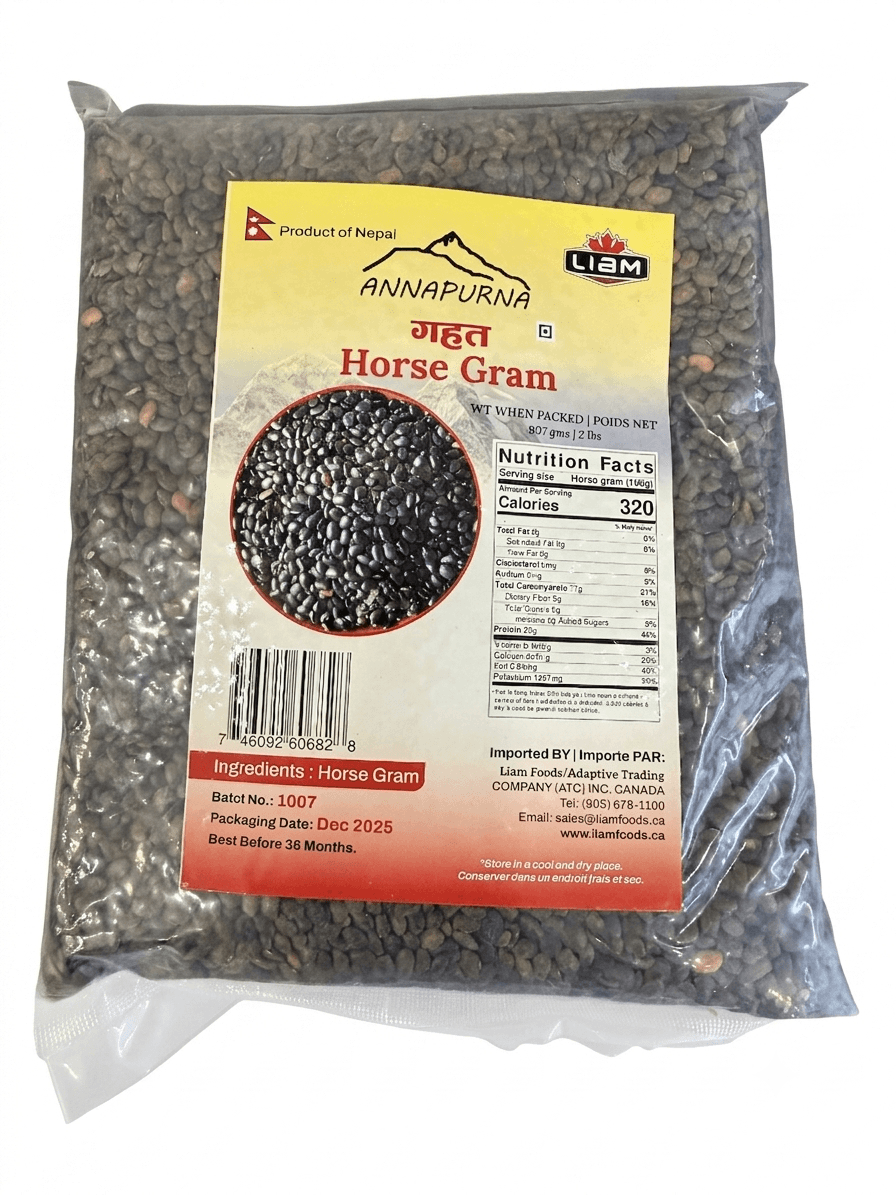
At Danphe we stock the Annapurna Horse Gram (Gahat), the same bean you'd find drying on a mat outside a house in the mid-hills. It sits in our beans aisle alongside other Himalayan varieties, because gahat rarely travels alone in a Nepali pantry.
The Nutrition Label: Protein, Fibre, Iron
Horse gram is one of the highest-protein legumes commonly eaten in Himalayan cooking, typically running in the range of 20 to 22 grams of protein per 100 grams dry weight. That puts it in the same conversation as rajma and other kidney beans, and ahead of most dals gram for gram.
It's also dense in dietary fibre, which is part of why a bowl of gahat ko dal feels so filling on a cold day, and it carries a solid amount of iron and calcium for a plant food. Like any dried legume, the numbers on the package are for the raw, uncooked bean; cooking with the soaking water absorbed changes the per-serving math.
If you're comparing where your protein comes from across the pantry, our dal & lentils protein guide lines up gahat against toor, moong, chana and rajma so you can see where it actually sits.
How Himalayan Kitchens Actually Use It
In Jumla and the western hills, gahat is cooked much like any other dal: soaked, boiled soft, and finished with ghee, garlic, and a tempering of cumin and dried chili. It has a slightly earthier, nuttier flavour than moong or masoor, and it holds its shape a bit more than moong daal does.
It also shows up in kwati, the mixed nine-bean soup Newari families cook for Gunla and Janai Purnima, where gahat sits alongside soybean, black gram, and other Himalayan beans in one pot. Our DRUKCAN Mixed Beans (Kwati) is the ready-made version of that mix if you want to skip sourcing nine separate beans yourself.
Some hill households also toast gahat and grind it into a coarse flour used in soups and porridges during winter, prized for being warming, filling, and cheap to keep on hand through the cold months.
Cooking Gahat at Home
Gahat is a harder bean than most lentils, so give it a proper soak: 8 hours or overnight in plenty of water. Skipping this step means a much longer simmer and a less even texture.
After soaking, drain and rinse, then simmer in fresh water for 45 to 60 minutes until tender, skimming off any foam early on. A pressure cooker cuts this down to roughly 20 to 25 minutes at pressure, which is how most home cooks in Nepal actually get through a weeknight.
For the finish, heat ghee or mustard oil with cumin seeds, garlic, ginger, and chopped tomato, then fold in the cooked beans and simmer another 10 minutes so the flavours settle. Serve it the way you'd serve any dal, ladled over rice with a side of achar. If you want the basic method spelled out step by step, our Nepali dal recipe walks through the same technique, and it works for gahat with only minor timing adjustments.
Gahat vs the Rest of Your Bean Shelf
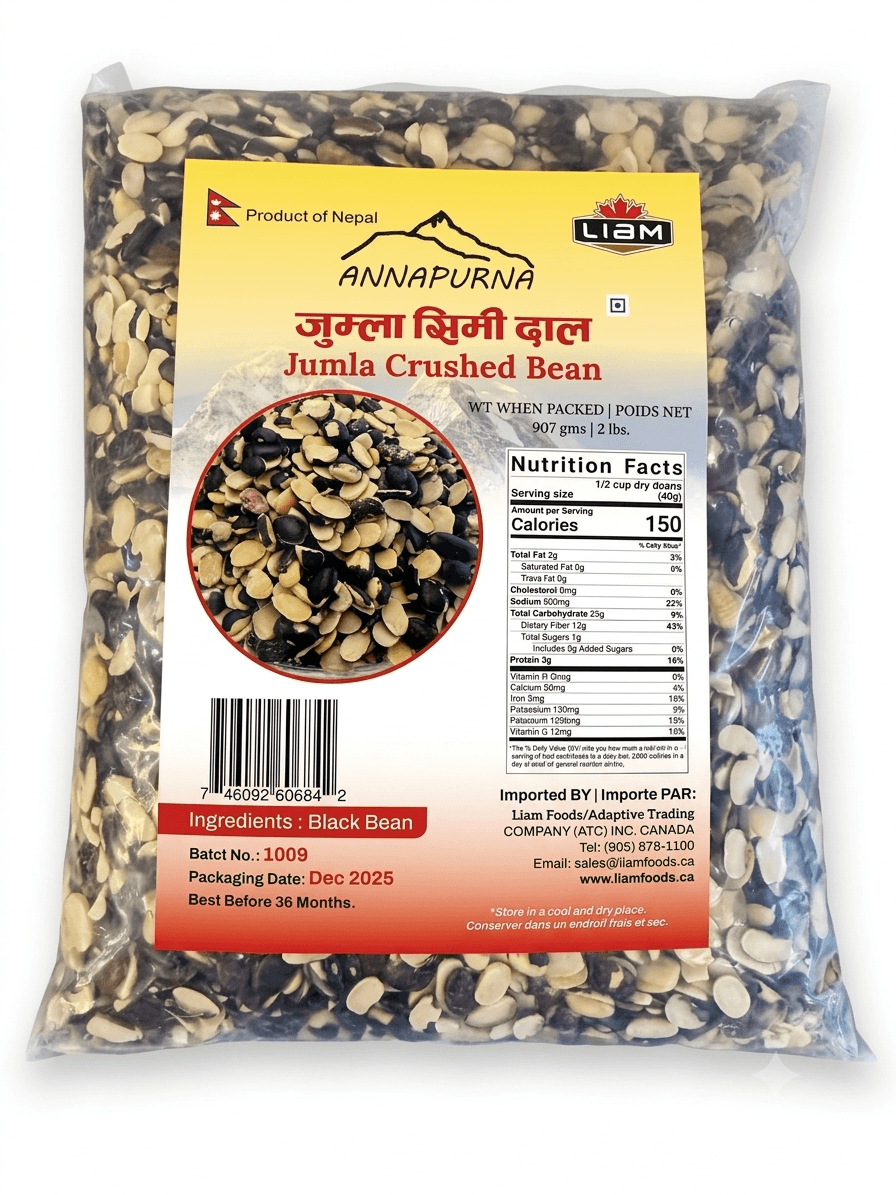
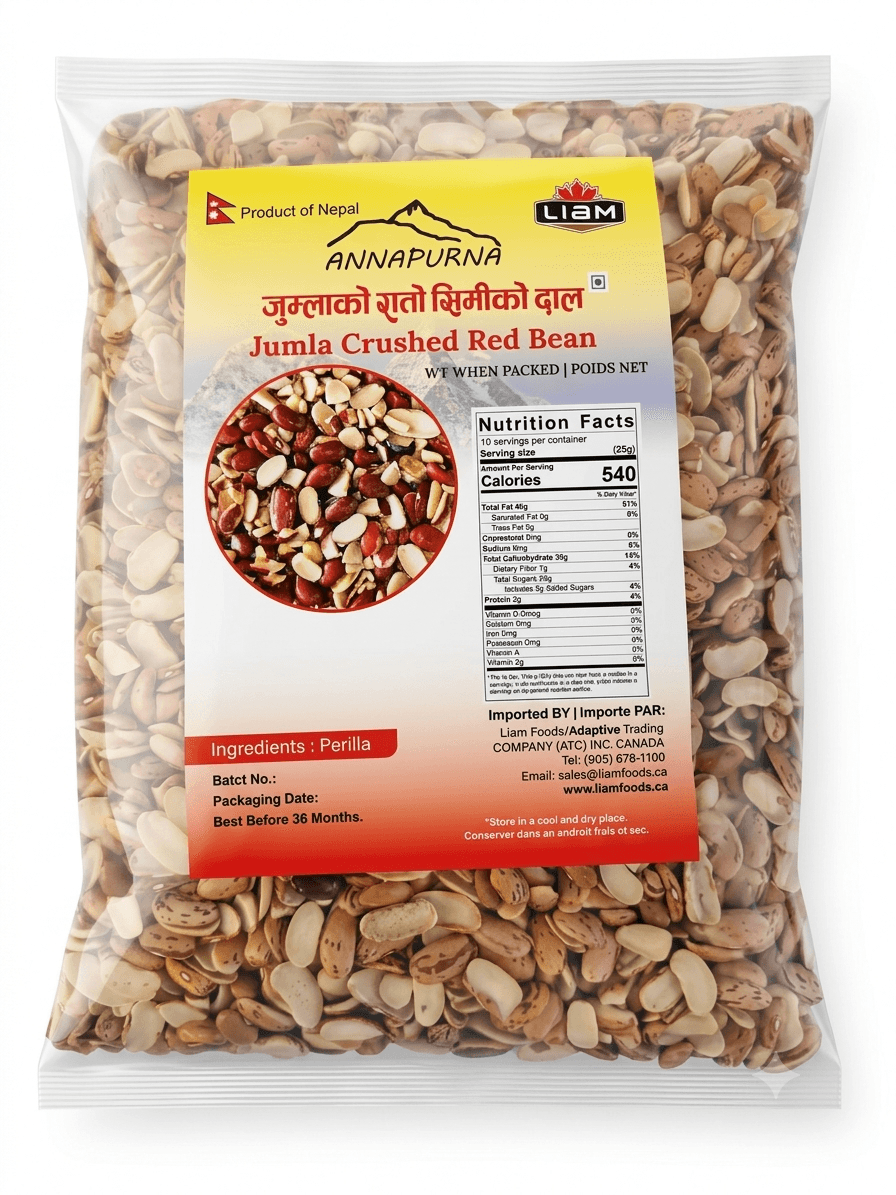
Gahat is firmer and earthier than rajma, cooks faster than whole black gram, and has more protein per 100g than most rice-and-dal staples. It's closer in role to the other Jumla beans we carry, like Annapurna Mix Jumla Simi and Annapurna Jumla Red Beans (Rato Simi), which come from the same high-altitude growing regions and share that dense, slow-food character.
If you're building out a proper Himalayan bean and lentil shelf, our Jumla beans guide covers gahat alongside simi varieties in more depth, and the dal varieties compared post is useful if you're deciding between gahat, toor daal, and chana for a specific recipe.
For households mixing plant and animal protein, it's also worth knowing how gahat stacks up against something like Authentic Buff Sukuti; our sukuti nutrition guide breaks down the dried-meat side of that comparison.
Getting Gahat Delivered Across Canada
Gahat isn't something you'll find at a regular Canadian supermarket, which is exactly the gap Danphe exists to fill. We ship the Annapurna Horse Gram (Gahat) and the rest of our Himalayan bean lineup from our Vancouver shop to all 10 provinces and 3 territories.
Standard shipping runs $5 to $10 and takes 5 to 10 business days, with free delivery on orders over $35 within central Metro Vancouver, where we also offer same-day delivery by phone. For the full picture of how our nationwide grocery delivery works, see Nepali & Indian grocery delivery across Canada.
Frequently asked questions
What is gahat (horse gram) called in English and other languages?
In English it's horse gram, botanically Macrotyloma uniflorum. In parts of India it's known as kulthi or hurali. In Nepali it's gahat, and it's one of the traditional beans grown in the mid-hills and high-altitude regions like Jumla.
Is horse gram high in protein?
Yes. Dried gahat typically has around 20 to 22 grams of protein per 100 grams, which is on the higher end for commonly eaten legumes and comparable to or slightly above kidney beans (rajma). See our dal & lentils protein guide for a full comparison across dals.
How do I cook gahat so it isn't tough?
Soak it overnight (at least 8 hours) before cooking; skipping the soak is the most common reason it turns out hard. After soaking, simmer 45 to 60 minutes on the stovetop, or about 20 to 25 minutes in a pressure cooker, until fully tender.
What's the difference between gahat and rajma?
Rajma (kidney beans) is larger, softer when cooked, and milder in flavour. Gahat is smaller, firmer, and has a more earthy, nutty taste. Both are high-protein legumes, but gahat is more specifically a Himalayan hill-country staple, while rajma is eaten across the wider subcontinent.
Can gahat be used in kwati (mixed bean soup)?
Yes, gahat is one of the beans traditionally included in kwati, the nine-bean soup Newari households cook for Gunla and Janai Purnima. Our DRUKCAN Mixed Beans (Kwati) is a pre-mixed version if you'd rather not source each bean separately.
Does Danphe Stores ship horse gram across Canada?
Yes. We ship the Annapurna Horse Gram (Gahat) and our other Himalayan beans from our Vancouver store to all provinces and territories, typically 5 to 10 business days, with free delivery over $35 in central Metro Vancouver.
Shop the pantry
Authentic Himalayan staples, delivered anywhere in Canada.
Keep reading
Nepali & Indian Grocery Delivery Across Canada
One Vancouver shop, one nationwide delivery run: real Nepali and Indian groceries shipped coast to coast.
Read the guideJumla Beans: Himalayan Heirloom Simi & Gahat
The heirloom beans grown at 2,300 metres in Jumla, shipped straight to your kitchen anywhere in Canada.
Read the guideDal & Lentils Protein Guide: Which Dal Has the Most
Every dal is a solid protein source, but they are not all equal, here is how toor, moong, masoor and chana actually compare.
Read the guideRajma (Kidney Beans): The Complete Guide
Dark red, creamy, and made for a big pot of chawal: here is everything worth knowing about rajma.
Read the guide