
Food & Nutrition Guides
Nepali vs Indian Groceries: What's the Difference?
Ask ten people what separates Nepali and Indian food and you'll get ten different answers, most of them half right. The truth is the two kitchens share a deep pantry (rice, dal, tea, pickles) but diverge in ways that shape almost every meal. Here's the real breakdown, ingredient by ingredient.
By Bishnu Koirala · Founder & CEO
Published

On this page
| Nepali | Indian | |
|---|---|---|
| Everyday meal | Dal bhat: rice, lentils, a vegetable, and often achar | Dal chawal or roti-sabzi, region-dependent, with rice or wheat bread |
| Staple grain | Rice first, wheat and beaten rice (chiura) close behind | Rice in the south and east, wheat roti dominant in the north |
| Signature snack | Momo (steamed or fried dumplings) with a tomato-sesame dip | Samosa, bhelpuri, and a huge regional namkeen tradition |
| Fermented foods | Gundruk and sinki (fermented leafy greens and radish), a defining Himalayan technique | Idli and dosa batter, pickles, less emphasis on fermented greens |
| Meat culture | Sukuti (dried buff or mutton jerky) is a pantry staple, not a rare treat | Meat varies widely by region and religion; jerky is not a common household item |
| Tea style | Chiya, often high-grown Himalayan leaf, milkier and simply spiced | Masala chai with a heavier, more standardized spice mix (ginger, cardamom, cloves) |
| Pickle (achar) | Often fresh-ground with sesame or fermented, eaten daily in small amounts | Oil-cured achar meant to last months, used more as a condiment than a daily side |
| Common ground | Basmati rice, most dals, garam masala, chai, many spices and snacks | Basmati rice, most dals, garam masala, chai, many spices and snacks |
Where the Two Kitchens Actually Split
The differences start to show up once you get past the pantry basics and into technique. Nepali cooking leans on fermentation in a way most Indian regional cuisines don't. Gundruk, fermented leafy greens dried into a tangy, sour staple, has no real Indian equivalent. Neither does sinki, its radish cousin. Both come from necessity: Himalayan winters meant preserving greens was survival, not a trend.
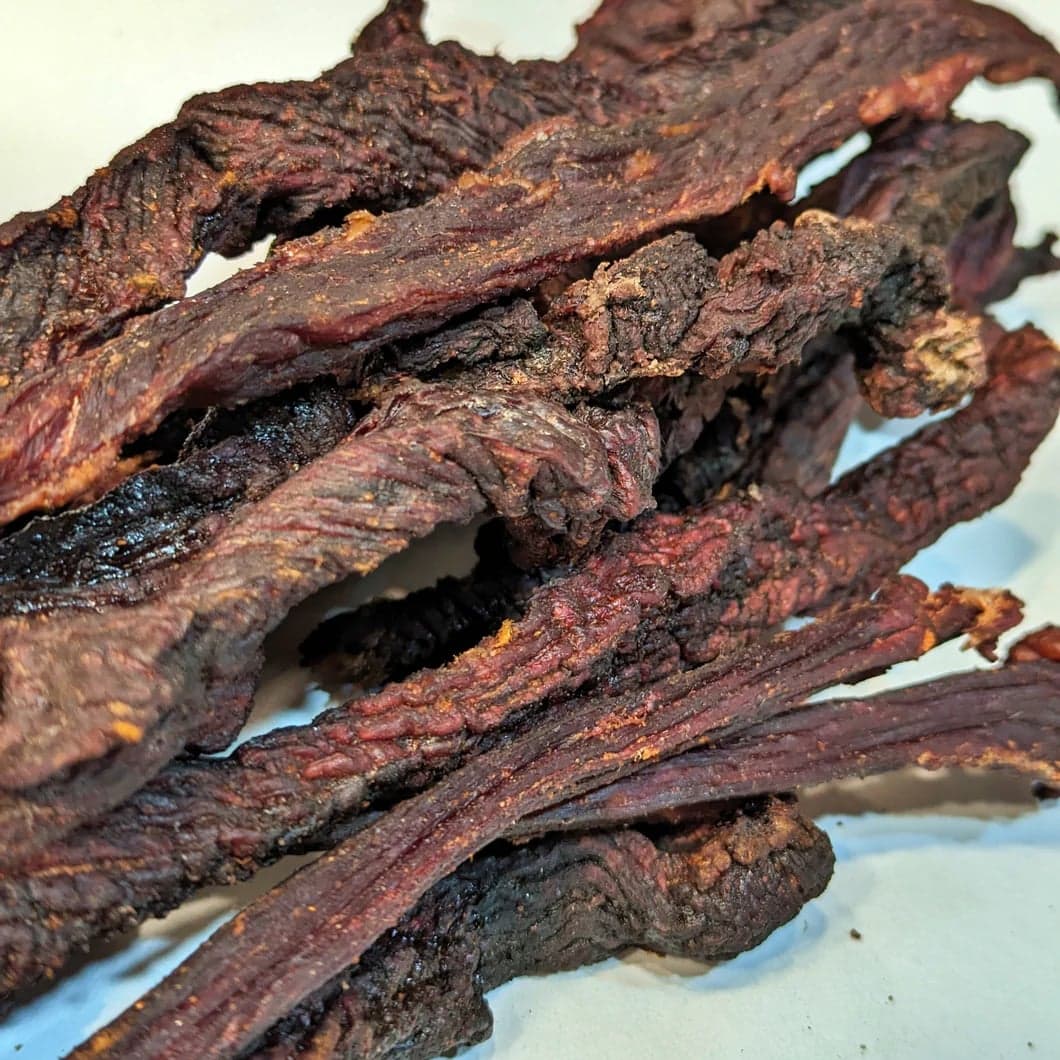
Meat tells a similar story. In Nepali households, sukuti (dried buff or mutton jerky) is a pantry staple you keep on hand for a quick sadeko salad or a beer-side snack. It's not a delicacy, it's just what's in the cupboard. Indian cooking, especially the vegetarian-heavy traditions of the north and west, doesn't really have a jerky culture at all.
Spice heat is another split, though it's easy to overstate. Nepali food tends to build heat from fresh green or dried red chilies and timur (Himalayan sichuan pepper), which adds a tingling numbness Indian cooking rarely uses. Indian spice blends, especially garam masala and regional masalas, are more layered and aromatic than fiercely hot.
Momo vs Samosa: The Snack Showdown
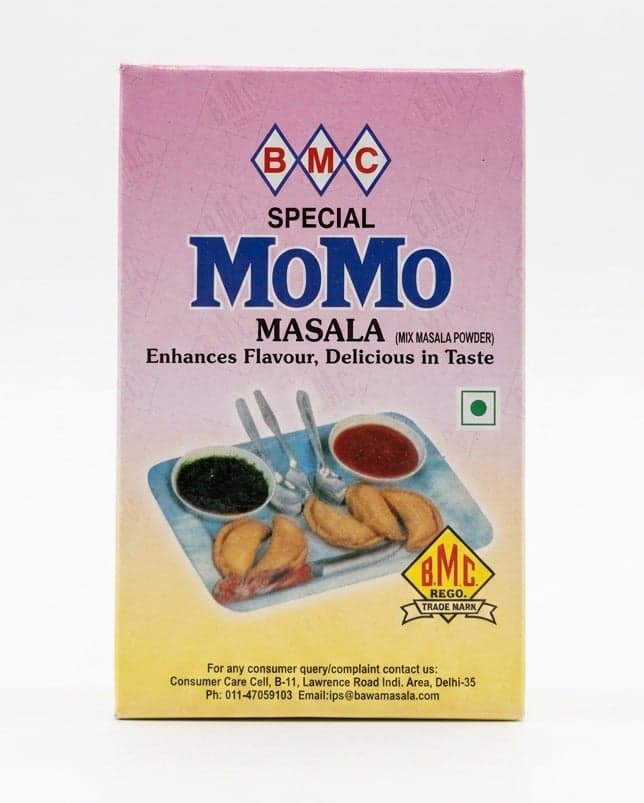
If one dish defines Nepal to the rest of the world, it's momo. These steamed or fried dumplings, stuffed with spiced buff, chicken, or vegetables and dipped in a tomato-sesame achar, are practically the national comfort food. Our how to make momo guide covers folding, filling, and the momo masala that makes the filling taste right, rather than just spiced.
India's answer is the samosa: a fried pastry pocket, usually potato-and-pea filled, that shows up at every chai stall from Delhi to Mumbai. Where momo is steamed-first and dipped, samosa is fried-through and eaten with tamarind or mint chutney. Different technique, same job: a shareable snack that pairs perfectly with tea.
India's snack aisle goes deeper than samosa, though. Brands like Haldiram's built an empire on namkeen (savoury fried snack mixes), and our Haldiram's snacks guide covers bhelpuri, aloo bhujia, and the rest of that world. Nepal has its own namkeen tradition too, dalmoth and furandana, which we cover in our dalmoth guide.
Chiya vs Chai: Same Idea, Different Cup
Both countries run on tea, but the cup looks a little different depending on which side of the border you're on. Nepali chiya, especially from high-grown Himalayan estates like Tokla, tends to be simpler: strong black tea, milk, sugar, maybe a bit of ginger or cardamom. Our Tokla Himalayan tea guide covers what makes that leaf distinct.
Indian masala chai, by comparison, usually carries a heavier spice mix: cloves, cinnamon, black pepper, and cardamom simmered right into the milk. Brands like Wagh Bakri are built around that bolder, more standardized masala profile. If you want the full spectrum, our Indian tea in Canada guide covers Wagh Bakri, Tetley, and the masala chai staples side by side.
Neither style is objectively better, they're just tuned for different moods. Nepali chiya is an everyday sip. Indian masala chai is closer to a ritual, especially brewed loose-leaf on the stove.
Achar and Pickles: A Daily Habit vs an Occasional Condiment
Achar deserves its own mention because it works so differently in each kitchen. Nepali achar is often made fresh, ground with sesame, mustard oil, and timur, and eaten in small spoonfuls alongside almost every meal. It's a daily habit, not a special-occasion condiment.
Indian pickle culture leans toward long-cured, oil-heavy jars meant to last months: mango, lemon, mixed vegetable, packed in mustard oil and spice until the flavour is concentrated and sharp. Our Nepali and Indian pickle guide lays out both traditions and which pickles & achar suit which meal.
Kidney beans (rajma) are a nice bridge point here too. It's a north Indian classic in rajma chawal, but Nepali households cook rajma just as often, usually folded into a simpler dal bhat spread rather than served as its own curry.
Frequently asked questions
Is Nepali food just a milder version of Indian food?
Not quite. Nepali food often uses different heat sources entirely, like timur (Himalayan sichuan pepper) for a tingling numbness rather than straight capsaicin heat, and it leans on fermentation (gundruk, sinki) that Indian cooking doesn't really use. It's a distinct cuisine that happens to share a pantry with its neighbour, not a toned-down version of it.
Do Nepali and Indian cooking use the same spices?
Largely yes for the basics: cumin, turmeric, coriander, and garam masala show up in both. Nepali cooking adds a few things India rarely uses, like timur and bire nun (Himalayan black salt), while Indian cooking has a wider range of regional masala blends. Our garam masala and everyday Indian spices guide covers the overlap in detail.
What's the biggest ingredient Nepal has that India doesn't?
Sukuti is the clearest one. Dried buff or mutton jerky is a genuine pantry staple in Nepali households, used in salads (sukuti sadeko) and snacks, and it doesn't have a real equivalent in most Indian regional cooking. Gundruk (fermented dried greens) is the other big one.
Can I buy both Nepali and Indian groceries from one store in Canada?
Yes. Danphe Stores stocks both side by side, from basmati rice and dal to momo masala, sukuti, Haldiram's snacks, and masala chai. See our full guide to Nepali and Indian grocery delivery across Canada for how shipping and delivery work nationwide.
Which cuisine is spicier, Nepali or Indian?
It depends on the dish and the region, since both cuisines range from mild to very hot. Nepali heat tends to come from fresh chilies and timur's numbing quality, while Indian heat varies enormously by region, from Kerala's fiery curries to Gujarat's sweeter, milder profile.
Do Nepali and Indian tea taste different?
Yes, generally. Nepali chiya (especially high-grown Himalayan leaf like Tokla) is often simpler and milkier, while Indian masala chai usually carries a heavier spice blend of cloves, cinnamon, and black pepper. Both are worth having in the cupboard.
Shop the pantry
Authentic Himalayan staples, delivered anywhere in Canada.
Keep reading
Nepali & Indian Grocery Delivery Across Canada
One Vancouver shop, one nationwide delivery run: real Nepali and Indian groceries shipped coast to coast.
Read the guideHow Nepali Cuisine Differs From the Rest of the World: The Indian and Tibetan Influences
Nepali food borrows the curries of India and the dumplings of Tibet — yet timur, jimbu, gundruk and dal-bhat make it unmistakably its own. Here is what actually sets it apart.
Read the guideHow to Make Nepali Momo (Chicken & Veg), Step by Step
Dough, filling, pleats, steam, and the fiery tomato-sesame achar — how to make momo at home the Nepali way.
Read the recipeDal Varieties Compared: Toor, Moong, Masoor, Chana, Rajma
Five dals, five personalities: here is which one to reach for tonight and how fast it actually cooks.
Read the guide