
Recipes
Sinki ko Achar Recipe: Fermented Radish Pickle
Sinki is Nepal's other great fermented vegetable, radish taproot buried and soured instead of mustard greens dried into gundruk. This recipe turns that tang into a proper achar: pan-tempered in mustard oil with garlic, turmeric and a pinch of timur for that tongue-tingling finish.
By Bishnu Koirala · Founder & CEO
Published
On this page
What Is Sinki, Really?
Sinki is fermented radish taproot, buried or packed tight in a crock until it turns sour and slightly funky, the same way gundruk is made from mustard greens. People in the hills of eastern and western Nepal have made it this way for generations, mostly in winter when the radish harvest is heaviest and needs a way to last through the cold months.
If you have only ever had gundruk, sinki will taste familiar but sharper, with an earthier, almost woody sourness from the taproot itself. We cover the taste and texture differences in detail in the FAQs below if you want the full picture before you cook.
Sinki rarely shows up fresh on grocery shelves outside Nepal, so this recipe leans on pantry-friendly substitutes and the same tempering technique so you get that sour, mustard-oil-forward flavour at home in Canada.
What You Need for Sinki ko Achar
Start with your sour base: true sinki if a relative sends you some, or Dried Mustard Gundruk rehydrated and chopped fine, which gives you nearly the same fermented tang and cooks the same way.
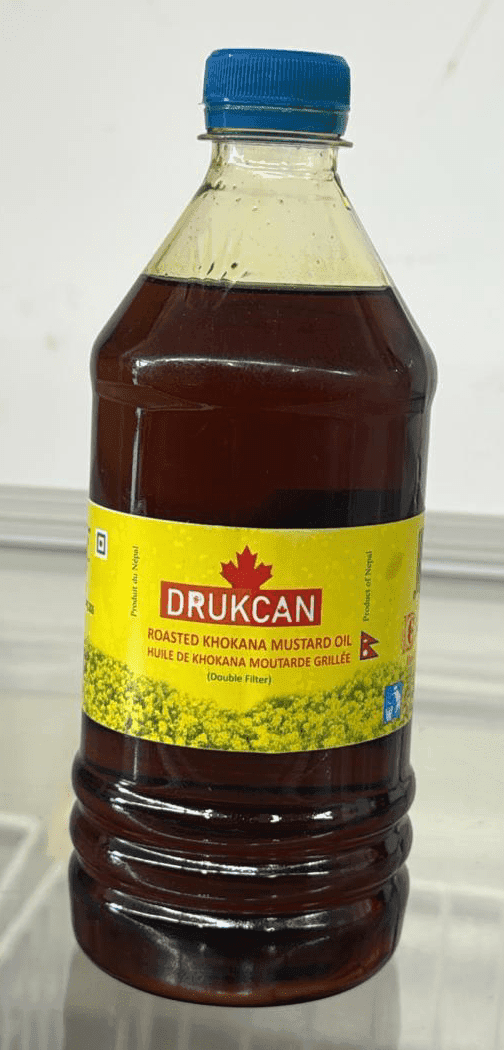
For the tempering, you want Khokana Roasted Mustard Oil, the pungent, slightly nutty oil that carries almost every hill-style achar. Regular mustard oil works too, but the roasted version is what most Nepali kitchens actually reach for, and it is worth having on hand for other pickles besides this one.
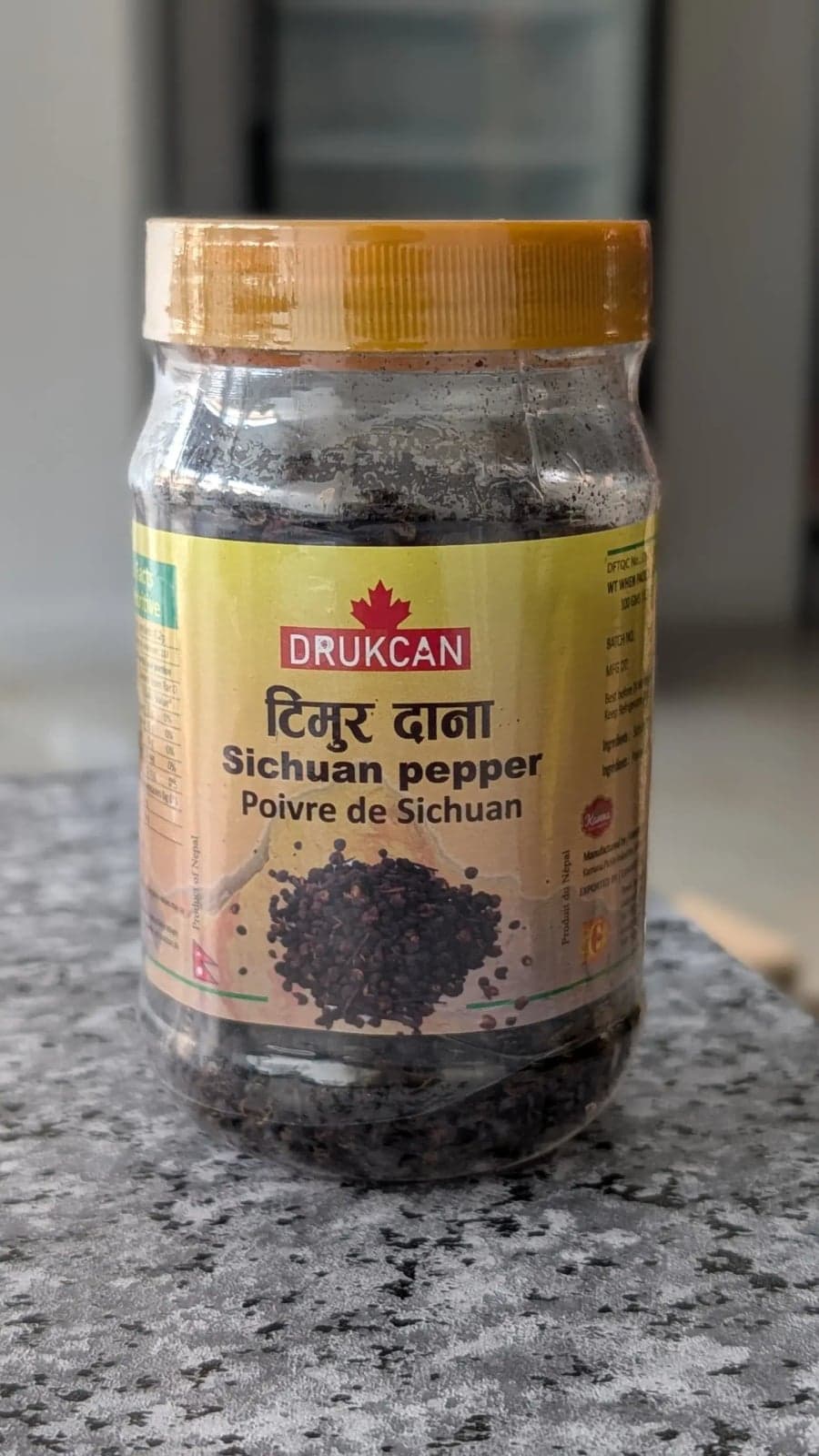
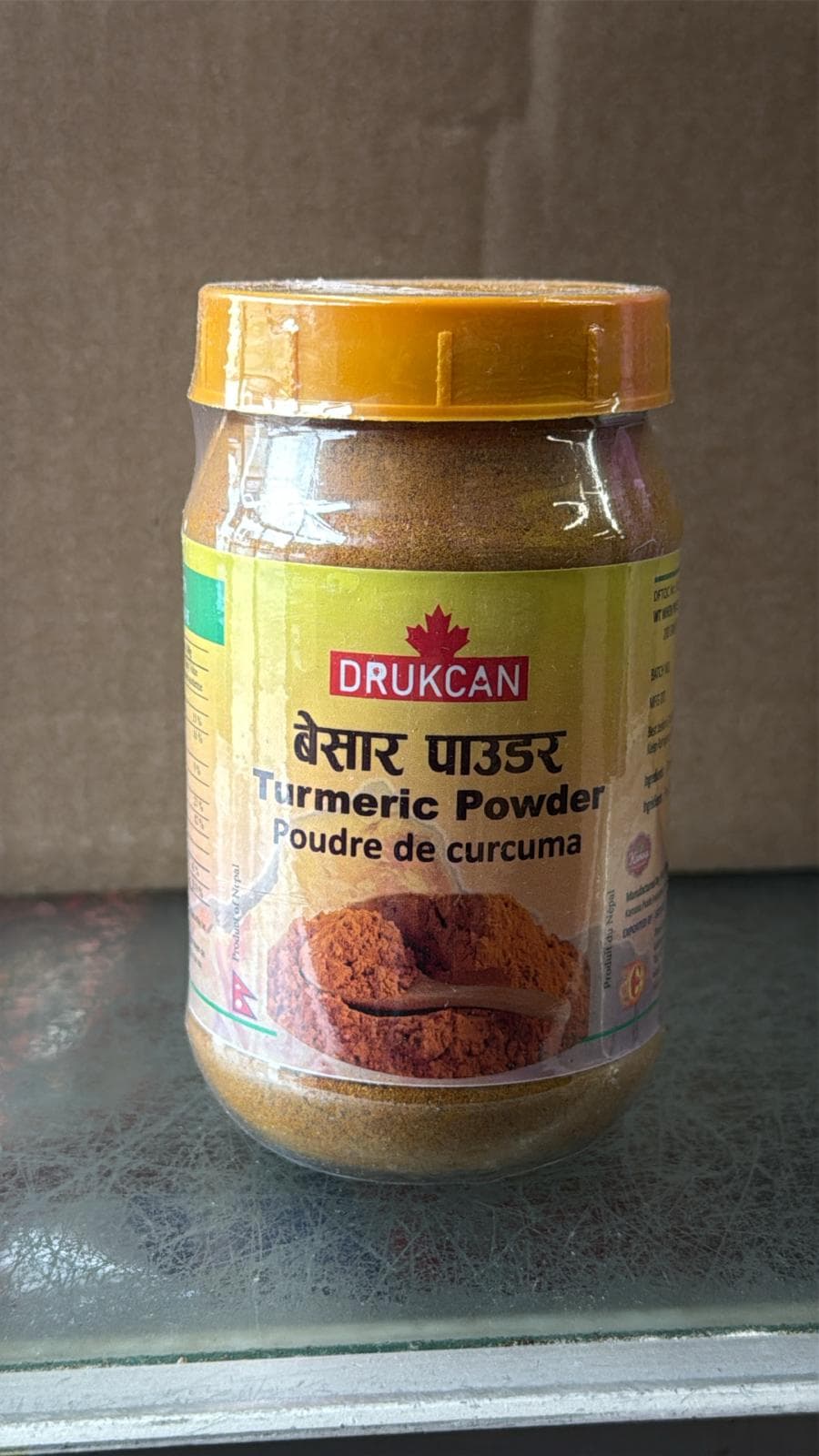
You will also want Timur (Sichuan Pepper) for that citrusy, numbing buzz that no other spice replicates, plus Turmeric Powder, Kashmiri Chilli Powder for colour and gentle heat, and Garlic Puree to round out the tempering. A pinch of Nepali black salt at the end gives it that eggy, tangy finish street vendors use on their achar carts, more on that in the FAQs below.
No Fresh Sinki? Here Is Your Shortcut
Traditional sinki takes weeks: radish taproots are washed, sun-wilted for a day, then packed into a pit or crock and left to ferment for two to three weeks until properly sour. Most home cooks in Canada do not have that kind of time or a spare fermenting crock in the garage.
The honest shortcut is a jar of DRUKCAN Radish Pickle (Mula), which already carries a tangy, pickled radish flavour close enough to sinki that a good tempering hides the difference. Rehydrated Dried Mustard Gundruk is the other reliable stand-in, especially if you know how to soften it properly, which is worth reading up on before your first attempt.
Either way, drain your base well before cooking. Too much liquid clinging to the radish means it steams instead of frying in the tempering, and you lose the slightly charred edges that make sinki ko achar so good.
Step-by-Step: Sinki ko Achar
1. Rinse and roughly chop 1 cup of sinki (or your rehydrated gundruk or radish pickle) into short lengths, about an inch long. Squeeze out excess liquid with your hands.
2. Heat 2 tablespoons of mustard oil in a pan until it just starts to smoke lightly, then lower the heat. This step matters: raw mustard oil is sharp and a little bitter, and letting it smoke briefly mellows it into something nuttier.
3. Add a pinch of whole timur and let it crackle for about 10 seconds, just until fragrant. Do not let it burn or it turns bitter fast.
4. Stir in 1 tablespoon of garlic puree and cook for 30 seconds, then add half a teaspoon of turmeric powder and half a teaspoon of Kashmiri chilli powder. Turn the heat down if the spices start to catch on the pan.
5. Tip in your chopped sinki and toss well so every piece gets coated in the tempering. Cook uncovered for 5 to 7 minutes, stirring occasionally, until the edges start to look slightly dry and a little golden.
6. Season with salt to taste, then finish with a small pinch of black salt and a squeeze of lemon if you like extra sourness. Let it cool to room temperature before tasting: like most achar, the flavours settle and deepen once it is not piping hot.
Serving Sinki ko Achar
The classic pairing is a simple plate of dal bhat, where sinki ko achar sits in a small mound beside the rice and lentils, there to be dabbed in with every bite rather than eaten as a side dish on its own.
It also works alongside a bowl of gundruk ko jhol for a double dose of fermented sourness, which sounds like a lot until you actually taste how well the two play together at a hill-style meal (there is a recipe for that soup linked in the FAQs).
If you are building out a wider achar spread for guests, mix in something spicier and something sweeter alongside sinki so the table has real contrast rather than three jars of the same sourness.
Storage & Tips
Sinki ko achar keeps well in the fridge in an airtight container for about a week, and honestly tastes better on day two once the tempering has had time to soak into the radish.
Do not freeze it: fermented vegetables turn mushy once thawed and lose the slight bite that makes sinki worth eating in the first place.
If mustard oil is new to your kitchen, start with a smaller amount than you think you need. It is punchy stuff, and it is easy to add more but hard to cool a dish down once it is in.
Frequently asked questions
What is sinki made from?
Sinki is made from radish taproot, washed, wilted in the sun, then packed tightly and left to ferment for two to three weeks until it turns properly sour.
Is sinki the same as gundruk?
No. Both are fermented Nepali vegetables, but gundruk comes from mustard or radish leaves while sinki comes from the radish root itself, which gives it a woodier, deeper sourness. Read our gundruk vs sinki comparison for the full breakdown, and if you want the leafy cousin in soup form, our gundruk ko jhol recipe is worth trying too.
Can I buy ready-made sinki in Canada?
Packaged sinki is hard to find outside Nepal. We stock dried mustard gundruk and radish pickle as reliable, ready-to-use substitutes that work well in this recipe, both listed in the ingredients section above.
Is sinki ko achar very spicy?
It is more sour and tangy than hot. The chilli powder adds a gentle warmth, the timur adds a citrusy, tingling sensation rather than raw heat, and a finishing pinch of Nepali Black Salt gives it that tangy, eggy edge you find on street-cart achar in Kathmandu.
What can I use instead of timur?
There is no perfect substitute since timur's citrusy, numbing quality is unique, but a small pinch of ground Sichuan pepper is the closest match if you cannot get the whole berries.
Do you ship sinki achar ingredients across Canada?
Yes. Danphe Stores ships timur, mustard oil, turmeric and the rest of this list to all 10 provinces and 3 territories, with free delivery from $35 in central Metro Vancouver. Browse our full Nepali and Indian grocery delivery across Canada page for details on timing and rates.
Shop the pantry
Authentic Himalayan staples, delivered anywhere in Canada.
Keep reading
Gundruk vs Sinki: Two Nepali Fermented Foods
Gundruk is fermented leafy greens, sinki is fermented radish root: same sour, funky family, completely different jar.
Read the guideGundruk: Buying & Cooking Nepal's Fermented Greens
Nepal's tangy fermented greens, explained: what to buy, how to rehydrate it, and two ways to turn it into dinner.
Read the guideTimur (Sichuan Pepper): The Zingy Nepali Spice
The tongue-tingling Himalayan spice behind every good achar and momo dip, explained and delivered anywhere in Canada.
Read the guideKhokana Roasted Mustard Oil: Nepal's Signature Oil
The pungent, roasted oil that gives Nepali achar and tarkari their signature bite, explained and delivered anywhere in Canada.
Read the guide