
Food & Nutrition Guides
Phool Makhana (Fox Nuts): Benefits & How to Roast
Phool makhana, or fox nuts, are the puffed lotus seeds you'll spot in every Nepali and Indian pantry, roasted for a snack or simmered into a milky kheer. Here's what makes them worth stocking, plus a simple roasting method you can do tonight in a dry pan.
By Bishnu Koirala · Founder & CEO
Published
On this page
What Is Phool Makhana, Exactly?
Phool makhana are puffed seeds from the prickly water lily, a plant that grows in shallow ponds across eastern India and parts of Nepal's terai. The seeds are harvested, dried, and popped over low heat, much like popcorn, until they turn into these pale, airy puffs with almost no flavour of their own.
That blank-slate quality is exactly why they work so well in both directions: savoury roasted with ghee and spices, or sweet simmered in milk for kheer. You'll find them shelved with the snacks at most Nepali and Indian grocers, usually near the trail mixes and namkeen.
If you're new to this corner of the pantry, our guide on Nepali vs Indian groceries is a good primer on how the two cuisines borrow from and differ from each other, since makhana shows up in both.
Why People Reach for Makhana
Fox nuts get talked about a lot in health circles, and the reason is simple: a handful is mostly air and fibre, with very little fat when they're roasted dry instead of deep fried. That makes them an easy swap for chips during a Netflix binge or a mid-afternoon slump.
They also carry a modest dose of plant protein and magnesium, which is part of why they show up in fasting diets during Navratri and other vrat days in North India. We go deeper on the numbers in Makhana Health Benefits, including how they stack up against other snacky lentil and bean options.
If protein content is what you're comparing across your pantry, it's worth weighing makhana against a bowl of dal too. It won't out-protein lentils, but as a low-effort snack it earns its spot.
How to Roast Phool Makhana at Home
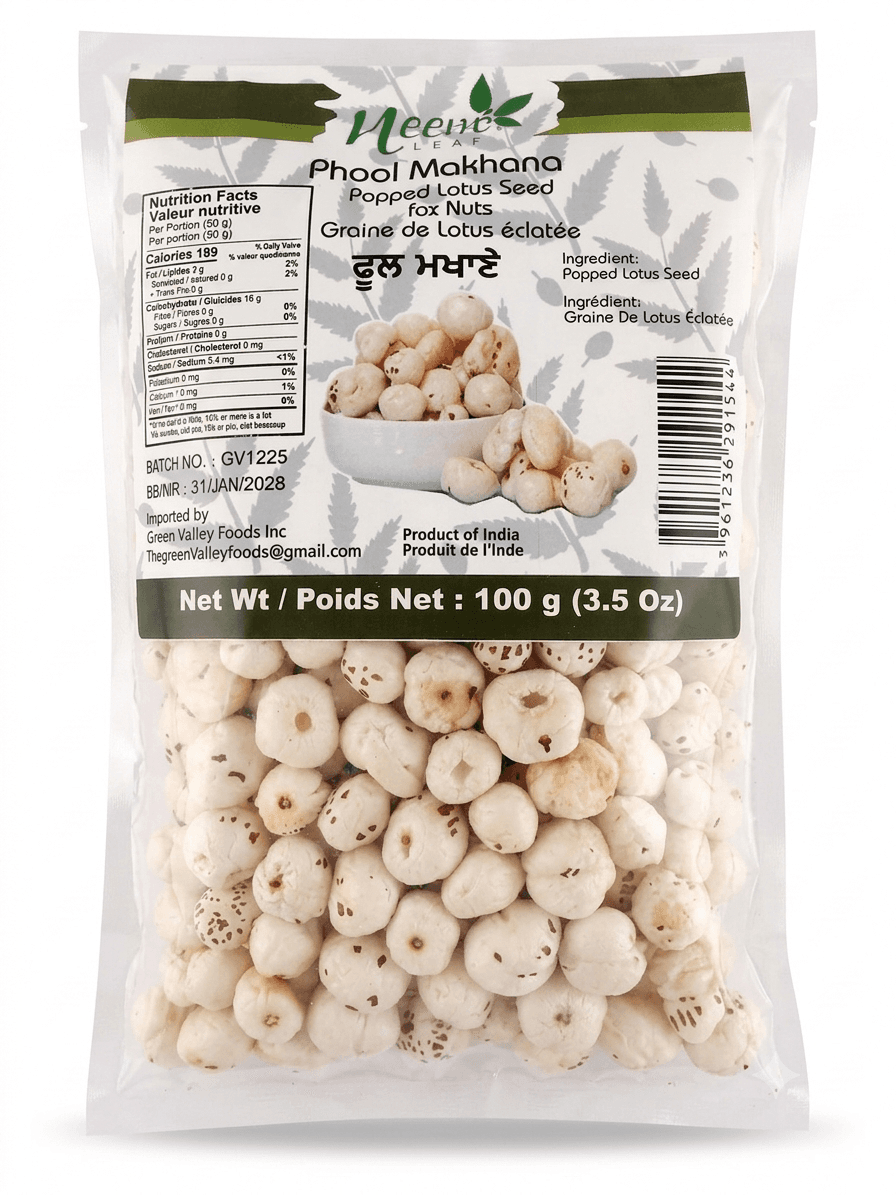
Roasting is genuinely a five-minute job once you have the seeds in hand. Heat a heavy pan on low, add a spoon of ghee, and toss in a cup of Phool Makhana. Stir constantly so they toast evenly instead of catching on one side.
You're listening for a change in sound: raw makhana thuds dully against the pan, roasted makhana clinks lighter and sounds almost hollow. That usually takes 6 to 8 minutes on low heat. Pull them off just before they colour, because they keep crisping in the residual heat.
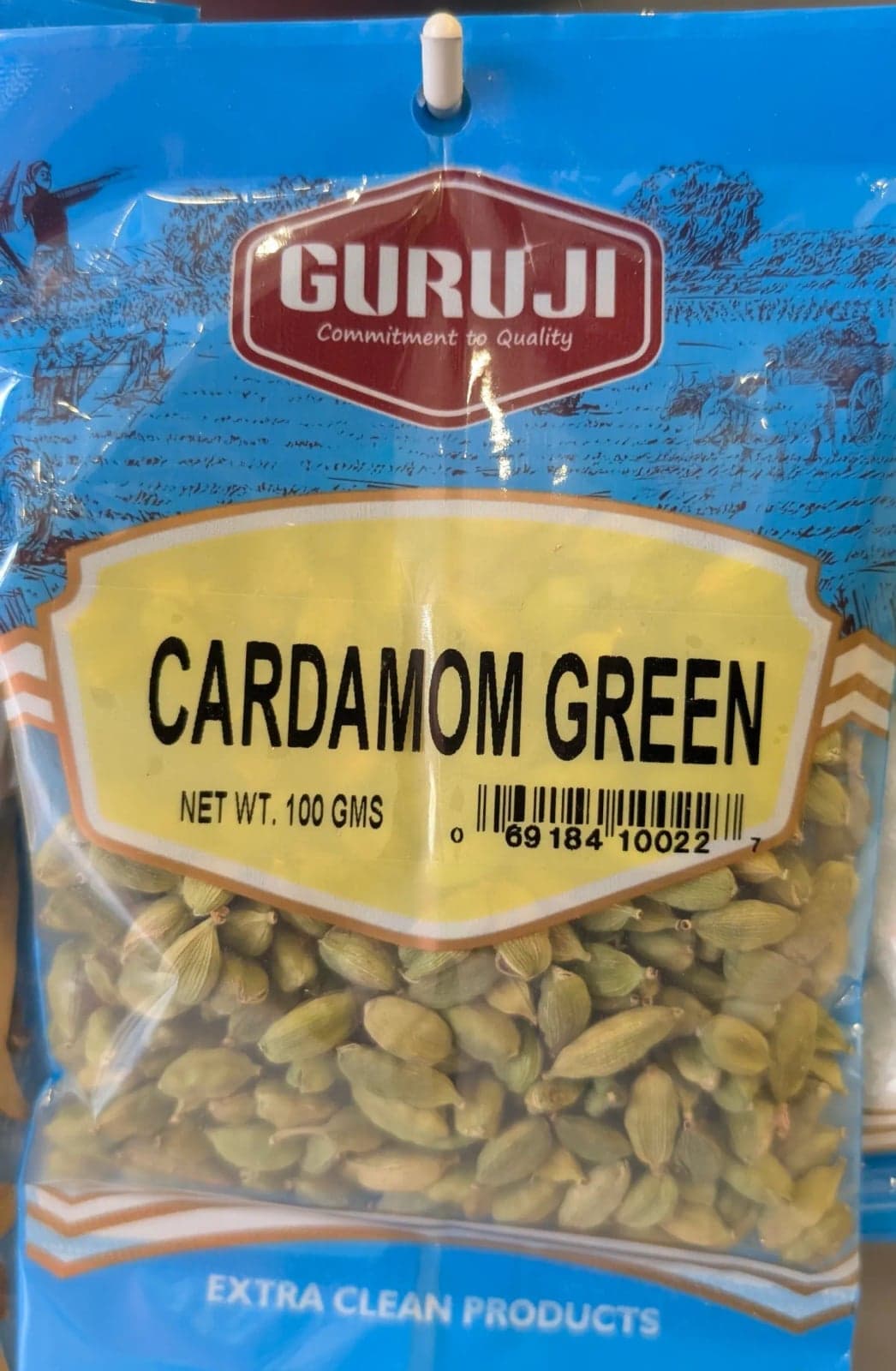
For a savoury version, finish with salt, a pinch of turmeric, and roasted cumin. For something a little festive, crush a pod of Green Cardamom over them with a drizzle of honey while they're still warm. Either way, let them cool completely before sealing in a jar, or they'll go chewy instead of staying crisp.
Makhana Kheer: The Classic Sweet Use
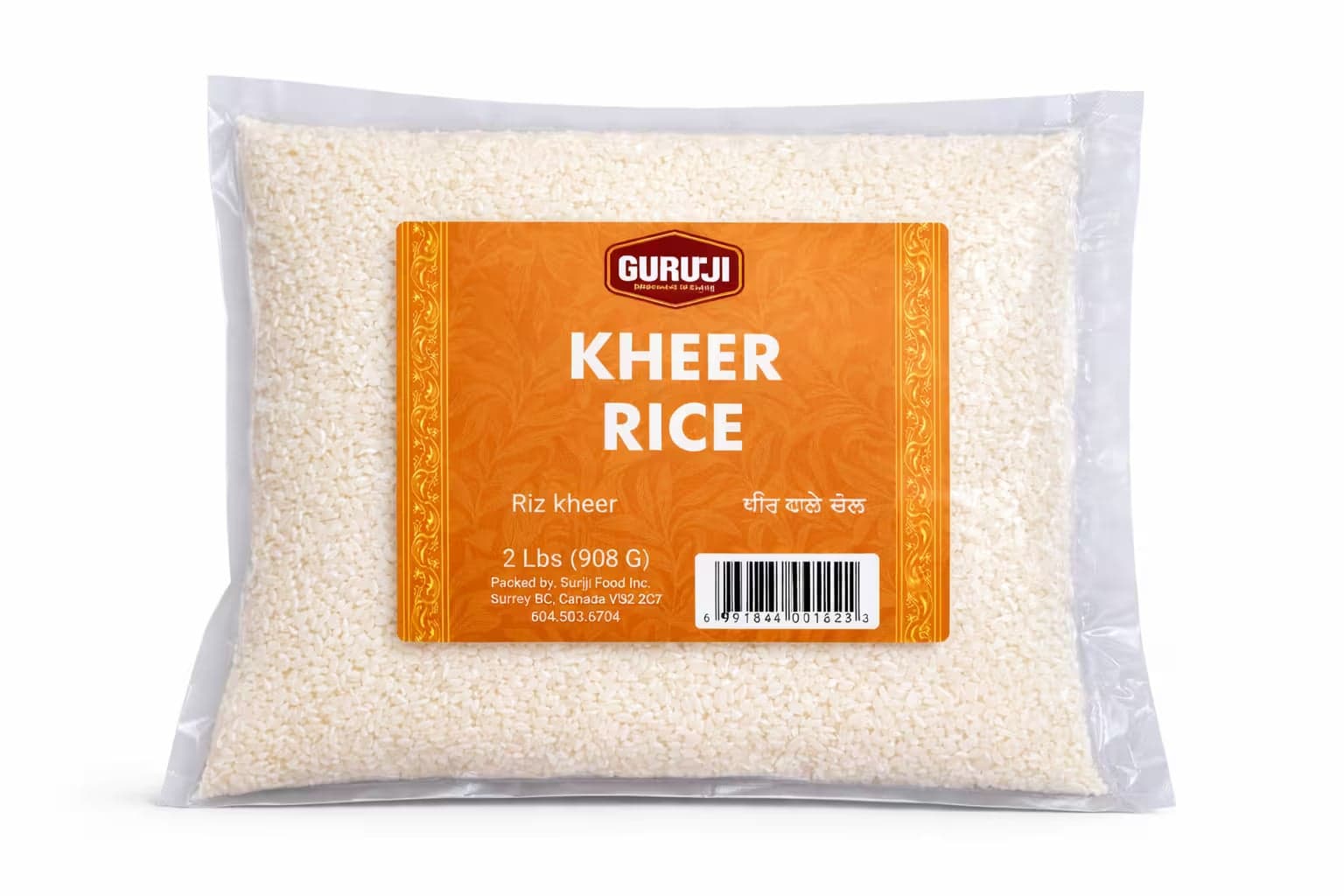
If you've only ever had makhana roasted and salty, the sweet version is worth trying at least once. Makhana kheer swaps out the usual Kheer Rice for lightly toasted fox nuts, simmered slowly in milk until they soften and soak up all that sweetness.
Start by dry-roasting the makhana in a little ghee, then simmer it in milk (fresh or reconstituted from Nestle Milk Powder if that's what's in your pantry) with White Sugar and a crushed cardamom pod. Fifteen to twenty minutes of gentle simmering is usually enough for the makhana to turn soft and slightly creamy at the edges.
Finish with a scatter of Pistachios and Golden Raisins for colour and bite. If you'd rather work with rice, our full Kheer Rice guide covers the classic version step by step, and either kheer style is a strong pick for Dashain or Tihar dessert tables.
Other Ways to Use Fox Nuts in the Kitchen
Beyond snacking and kheer, ground roasted makhana can be worked into laddoo, blended with dates and nuts for a no-cook energy ball, or added whole to a vegetable curry the way some Bengali households do with makhana malai curry.
During fasting seasons and festival cooking, makhana often takes the place of grains entirely, since it's considered a fruit rather than a cereal in Ayurvedic terms. That's part of why you'll see it pop up around Maghe Sankranti and other Nepali festival menus alongside til and chaku.
It's a genuinely flexible pantry item once you've roasted a batch or two and know how it behaves in a pan.
Where to Buy Phool Makhana in Canada
Fox nuts aren't always easy to find at a mainstream Canadian supermarket, and when they do show up the quality and size can be inconsistent. We stock a premium grade at our Vancouver shop with large, evenly puffed seeds that roast up light instead of dense.
If you're outside Metro Vancouver, our Nepali and Indian grocery delivery across Canada reaches all 10 provinces and the territories, usually in 5 to 10 business days, with free shipping once your order clears $35 in central Metro Vancouver. Same-day delivery is available locally by phone.
Browse the full pantry on our Indian grocery store online guide if you're building out a bigger order, or just add a bag of makhana to your next rice and lentil restock.
Frequently asked questions
Are phool makhana and fox nuts the same thing?
Yes. Phool makhana is the Hindi and Nepali name, fox nuts is the common English name, and both refer to the same puffed seed from the prickly water lily plant.
Is makhana good for weight loss?
It can fit well into a weight-conscious diet because roasted makhana is low in fat and high in volume for the calories, so a handful feels more filling than the same weight of chips or namkeen.
How do I store roasted makhana so it stays crisp?
Let the roasted seeds cool completely to room temperature before sealing them in an airtight jar. Any residual warmth traps moisture and softens them within a day or two.
Can makhana be eaten during a fast or vrat?
Yes, this is one of its most common uses in North Indian households. Because it's technically a seed rather than a grain, it's a staple during Navratri and similar fasting periods, and it plays a similar role around Nepali festival cooking.
What's the difference between makhana and popcorn?
Both puff with heat, but makhana comes from an aquatic lily seed and has a denser, slightly chewier bite than popcorn's papery crunch. It also carries more protein and minerals per serving.
Where can I buy makhana online in Canada?
Danphe Stores ships phool makhana from our Vancouver shop to all 10 provinces and 3 territories, with standard delivery in 5 to 10 business days and free shipping over $35 in central Metro Vancouver.
Shop the pantry
Authentic Himalayan staples, delivered anywhere in Canada.
Keep reading
Nepali & Indian Grocery Delivery Across Canada
One Vancouver shop, one nationwide delivery run: real Nepali and Indian groceries shipped coast to coast.
Read the guideMakhana Health Benefits: Fox Nuts as a Snack
Makhana (fox nuts) are a light, high-protein puff that Nepali and Indian kitchens have roasted and snacked on for generations, and they're easier to make at home than you'd think.
Read the guideKheer Rice: Making Nepali & Indian Rice Pudding
The short, starchy rice that turns a pot of simmering milk into the creamiest kheer you have ever made.
Read the guideDal & Lentils Protein Guide: Which Dal Has the Most
Every dal is a solid protein source, but they are not all equal, here is how toor, moong, masoor and chana actually compare.
Read the guide