
Food & Nutrition Guides
Maghe Sankranti Foods: Til, Chaku & Ghee
Maghe Sankranti marks the turning point of winter, and the table tells the whole story: roasted til, sticky chaku, ghee-laced rice and sweet potato dug up from the last of the harvest. Here's what actually goes into the feast, and where to find the real ingredients in Canada.
By Bishnu Koirala · Founder & CEO
Published
On this page
What Maghe Sankranti actually celebrates
Maghe Sankranti falls in mid-January, when the sun starts its slow climb north and the days finally stop shrinking. For Nepalis it's less a single ritual and more a full day of eating, because the food itself is the point: warming, fatty, sweet things meant to carry the body through the last hard stretch of winter.
It sits alongside the other big markers on the Nepali calendar, the harvest closing out much like it does for Dashain and Tihar (Deepawali), except Maghe Sankranti is quieter, more domestic. No lights, no big processions, just a family kitchen working through til, chaku, ghee, sweet potato and khichdi from morning to night.
Til: the seed the whole festival is built around
Til (sesame) is the ingredient everyone reaches for first. Roasted and ground into laddu, sprinkled over rice, or eaten straight off a spoon with a little jaggery, til is considered warming in Ayurvedic terms, exactly what a body needs when the mercury drops.
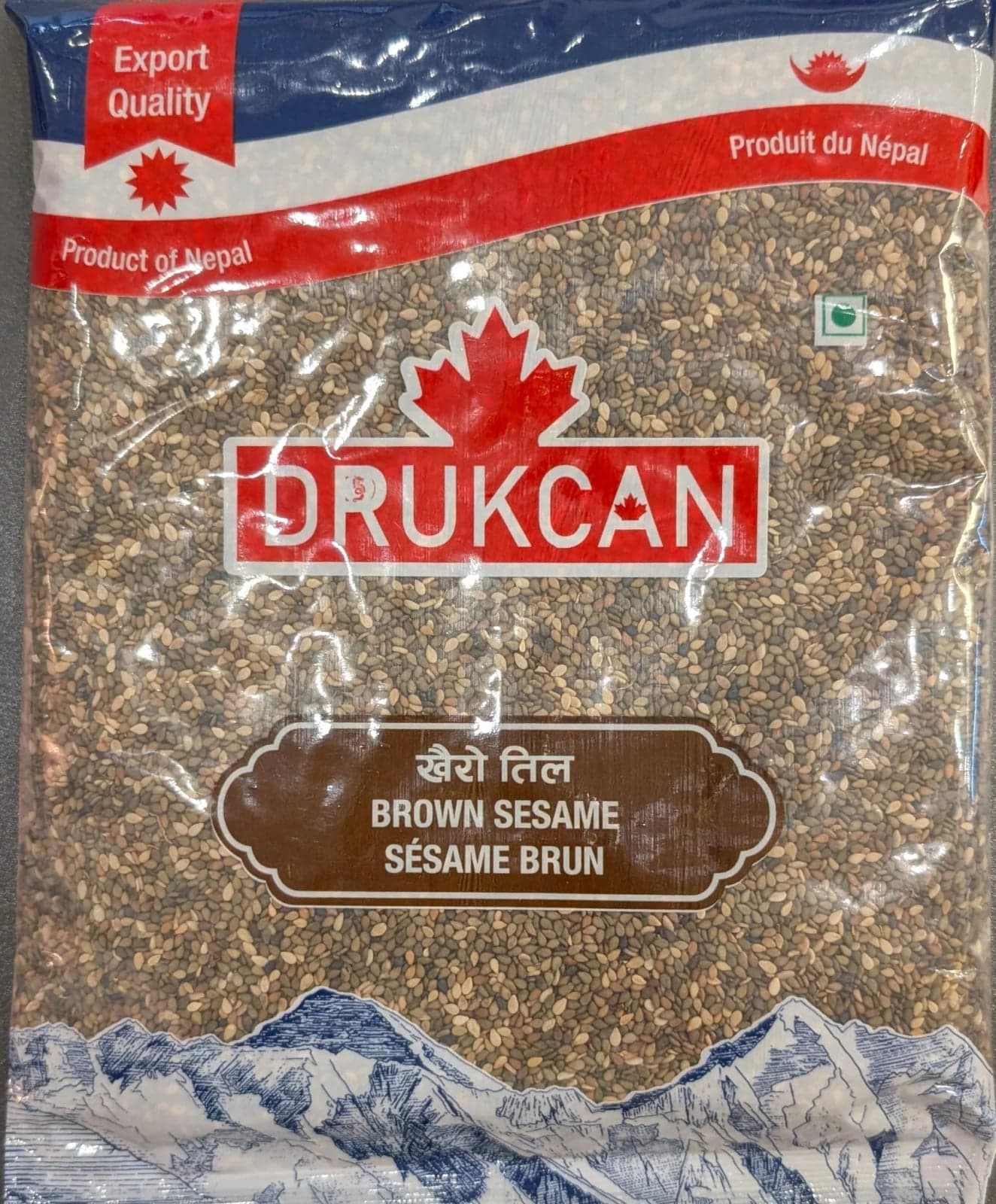
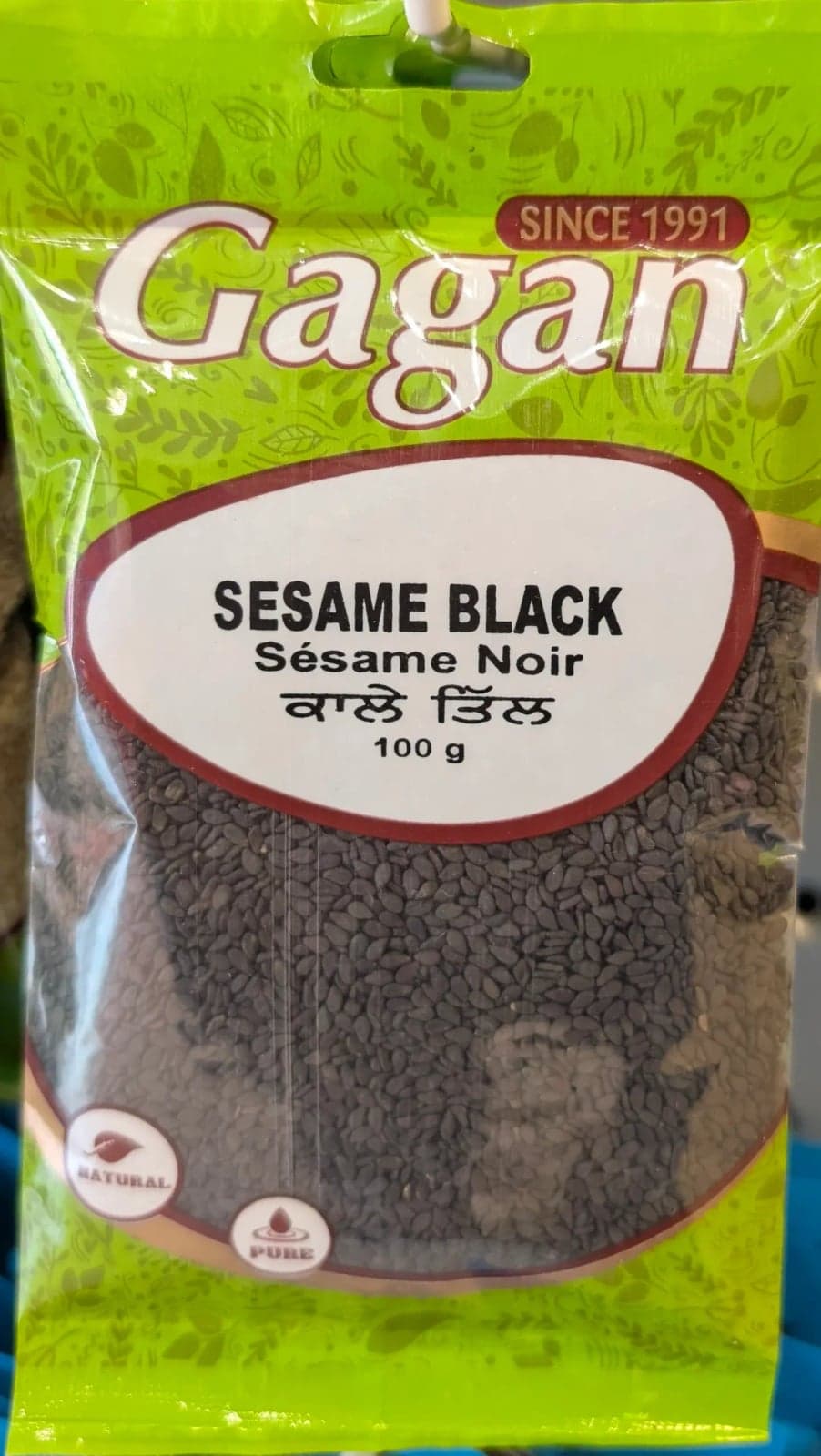
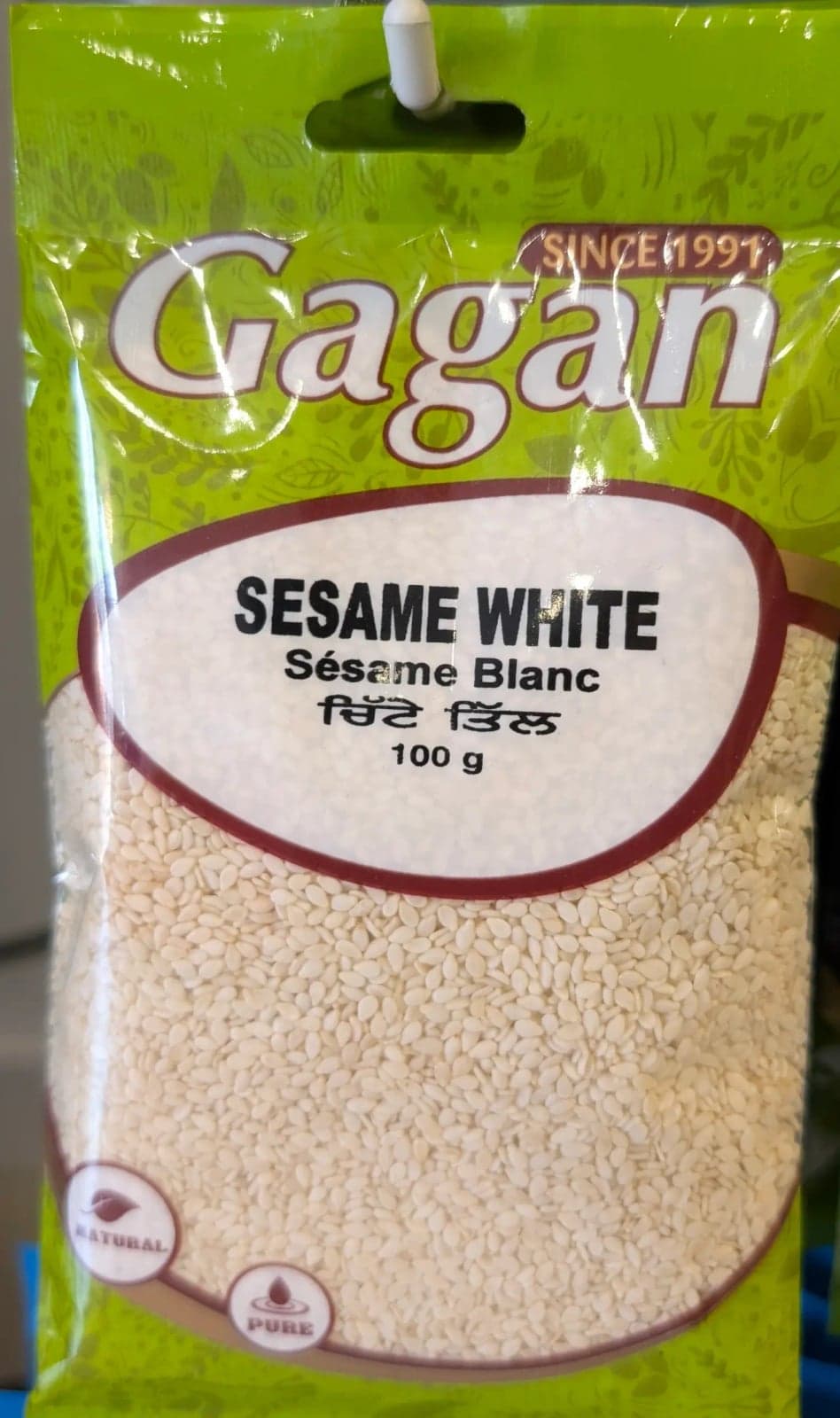
Nepali households usually work with Khairo Til (brown sesame) for laddu because the flavour is nuttier and the oil content higher, which helps the mixture bind. Some families prefer black sesame seeds for a stronger, almost bitter edge, while white sesame seeds get used for a milder, more delicate laddu or simply toasted and stirred into rice.
If you're stocking a Nepali kitchen from scratch, til sits right alongside the other everyday spices & masala that make the rest of the year's cooking possible too.
Chaku, ghee and the sweet backbone of the feast
Chaku is the fudge-like candy made by cooking down jaggery (sakhar) with ghee until it turns thick, glossy and chewy, then folding in roasted til, peanuts or dried fruit before it sets. It's rich enough that a small square is a full serving, and it keeps for weeks once it's cooled.
Ghee is what makes chaku, til ko laddu, and the day's khichdi all taste like Maghe Sankranti instead of just any winter meal. It's stirred generously into everything, because the fat is part of the tradition, not an afterthought.
At home, roasted peanuts go into both chaku and laddu for crunch, golden raisins add a chewy sweetness, and a spoon of natural honey works as a lighter binder when you want something less heavy than straight jaggery. All three sit in that same festive-sweets territory as dalmoth and furandana, the Nepali namkeen mixes that show up on the same tray.
Sweet potato and yam: the earthy half of the plate
Alongside all that sugar and fat sits something plain and grounding: boiled sweet potato (sakhar khanda) and taro or yam, dug up right at the tail end of the harvest. They're eaten simply, skins peeled back, maybe a little salt or ghee, as a counterweight to the richness of the sweets.
It's the same instinct behind a lot of Nepali festival cooking, pairing something indulgent with something humble. You see it again in the rice and lentils that anchor Dal Bhat, and in the khichdi that's the other must-eat dish on Maghe Sankranti day itself.
Building your own Maghe Sankranti spread
You don't need every ingredient to make the day feel right. Start with til, a bag of peanuts and some raisins for laddu, add honey if you want a softer sweetness, and round it out with whatever rice and lentils you already keep in the pantry for Nepali dal.
For families further from a Nepali grocery store, this is exactly the kind of shop that's hard to replace with a regular supermarket run. It's the same reason we built out Nepali & Indian grocery delivery across Canada: so a proper til ko laddu doesn't depend on how close you live to Vancouver.
Getting Maghe Sankranti staples delivered across Canada
Danphe Stores ships from our shop at 3634 East Hastings St in Vancouver to every province and territory in the country. Standard delivery runs 5 to 10 business days and costs $5 to $10, or it's free once your order passes $35 within central Metro Vancouver, where we also offer same-day delivery by phone.
If Maghe Sankranti sneaks up on you and you're short on til or peanuts, email [email protected] or call 236-471-5891 and we'll help you get an order together fast, whether it's landing in Toronto, Calgary or right around the corner.
Frequently asked questions
What foods are eaten on Maghe Sankranti?
The core lineup is til (sesame) in laddu form, chaku (a jaggery and ghee candy), boiled sweet potato and yam, and khichdi made with rice, lentils and ghee. Peanuts, raisins and other dried fruit often get folded into the sweets too.
What is chaku made of?
Chaku is jaggery (sakhar) cooked down with ghee until thick and glossy, then mixed with roasted til, peanuts or dried fruit before it's set into a fudge-like candy. It's rich, chewy and keeps well for weeks after it cools.
Why do Nepalis eat til (sesame) specifically on Maghe Sankranti?
Til is considered a warming food in Ayurvedic tradition, and Maghe Sankranti falls at the coldest point of the year, so the seed shows up everywhere: laddu, chaku, and simply roasted and stirred into rice or khichdi.
Can I get Maghe Sankranti ingredients delivered outside Vancouver?
Yes. We ship nationwide to all 10 provinces and 3 territories, usually within 5 to 10 business days, so til, peanuts, honey and the rest of the pantry basics can reach you no matter which province you're in.
What's the difference between til ko laddu and chaku?
Til ko laddu is rolled into a ball, usually with jaggery and sesame as the main structure. Chaku is closer to a fudge or toffee, cooked longer with more ghee so it sets into a firm, chewy block that's cut into squares.
Is ghee necessary for Maghe Sankranti sweets?
It's traditional rather than strictly required. Ghee is what gives chaku and laddu their glossy texture and rounds out the sweetness, but a home cook can lean more on honey or a smaller amount of oil if they want something lighter.
Shop the pantry
Authentic Himalayan staples, delivered anywhere in Canada.
Keep reading
Nepali & Indian Grocery Delivery Across Canada
One Vancouver shop, one nationwide delivery run: real Nepali and Indian groceries shipped coast to coast.
Read the guideDashain Foods: What Nepalis Cook for the Great Festival
Meat, sel roti, kheer and sukuti: the four dishes that make a Dashain table feel like home.
Read the guideTihar (Deepawali) Foods: Sel Roti, Sweets & Sagun
From the first oil-soaked ring of sel roti to the last lit diyo on Laxmi Puja night, here is everything Tihar asks of a Nepali kitchen, shipped anywhere in Canada.
Read the guideLosar Foods: The Himalayan New Year Table
From steaming momo to spiced sukuti, here's what fills the table when the Himalayan New Year arrives.
Read the guide