
Food & Nutrition Guides
Makhana Health Benefits: Fox Nuts as a Snack
Makhana, the puffed seeds better known outside South Asia as fox nuts, sit in an odd spot on the snack shelf: crunchy like a chip, but light enough to eat by the bowlful. Here's what's actually in them, how to roast a batch at home, and where they fit next to the other roasted snacks in a Nepali kitchen.
By Bishnu Koirala · Founder & CEO
Published
On this page
What Exactly Is Makhana?
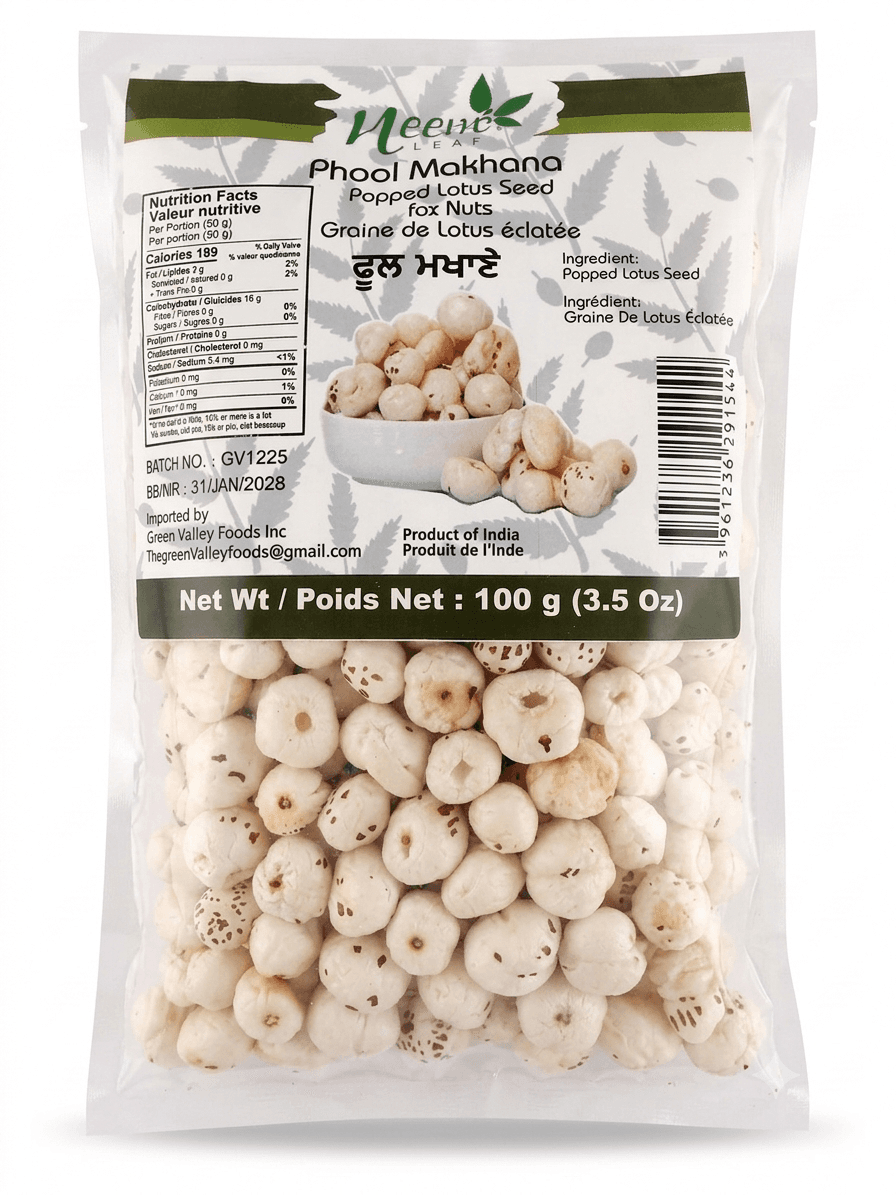
Makhana, also called phool makhana or fox nuts, are the puffed seeds of the prickly water lily, a plant that grows in shallow ponds across Bihar and parts of the Tarai belt near Nepal's southern border. The raw seeds are roasted over low heat until they pop, the same idea as popcorn, and what's left is a light, honeycomb-textured puff with almost no smell of its own.
It's one of the quieter items in a Nepali and Indian grocery delivery order, easy to overlook next to the noodles and pickles, but it's worth seeking out. We stock Phool Makhana (Fox Nuts) in 100g packs, already roasted once so all that's left is your own pan-roast and seasoning.
The Macro Profile: Why Makhana Reads as a 'Light' Snack
Check the label on a bag of makhana and the numbers explain why it gets called a diet-friendly snack. Roasted, unsalted fox nuts run roughly 350 kcal per 100g, but because they're mostly air and puffed starch, a satisfying handful weighs much less than that. Protein sits around 9 to 10g per 100g, fat is under 1g, and fibre is comparatively high, somewhere near 14g per 100g on most nutrition panels.
That combination, low fat, decent protein, filling fibre, is why makhana shows up in fasting (vrat) diets across North India and in general 'lighter snack' rotations. It's not a protein powerhouse the way lentils are (our dal & lentils protein guide breaks that comparison down), but it's a meaningfully different profile from a fried chip or namkeen.
Roasting Makhana at Home the Nepali Way
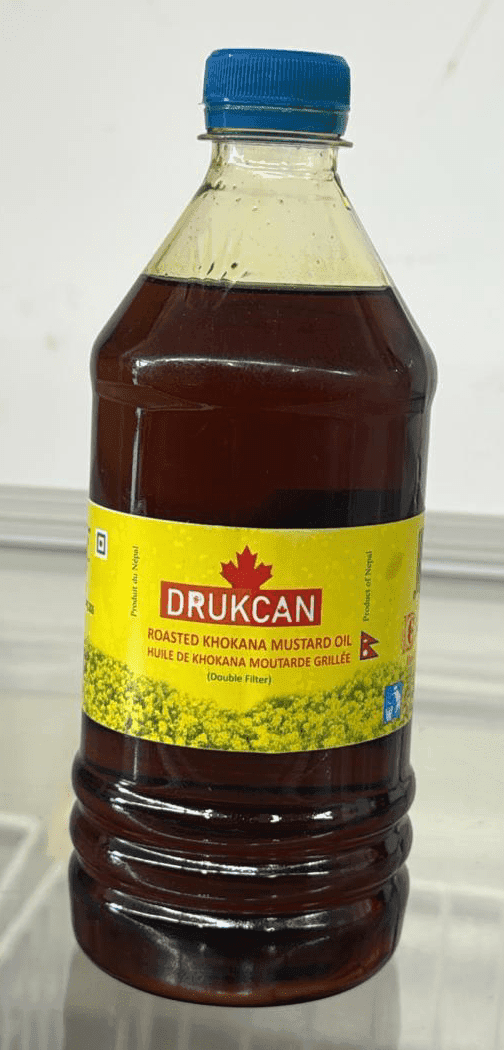
Store-bought makhana is already dried and lightly puffed, so home roasting is really a second pass: a dry roast in a kadai or heavy pan, or a quick toss in a spoon or two of fat. A lot of Nepali households reach for Khokana Roasted Mustard Oil for this, its nutty, slightly sharp flavour suits makhana better than a neutral oil, though plain ghee works just as well if you prefer a milder result.
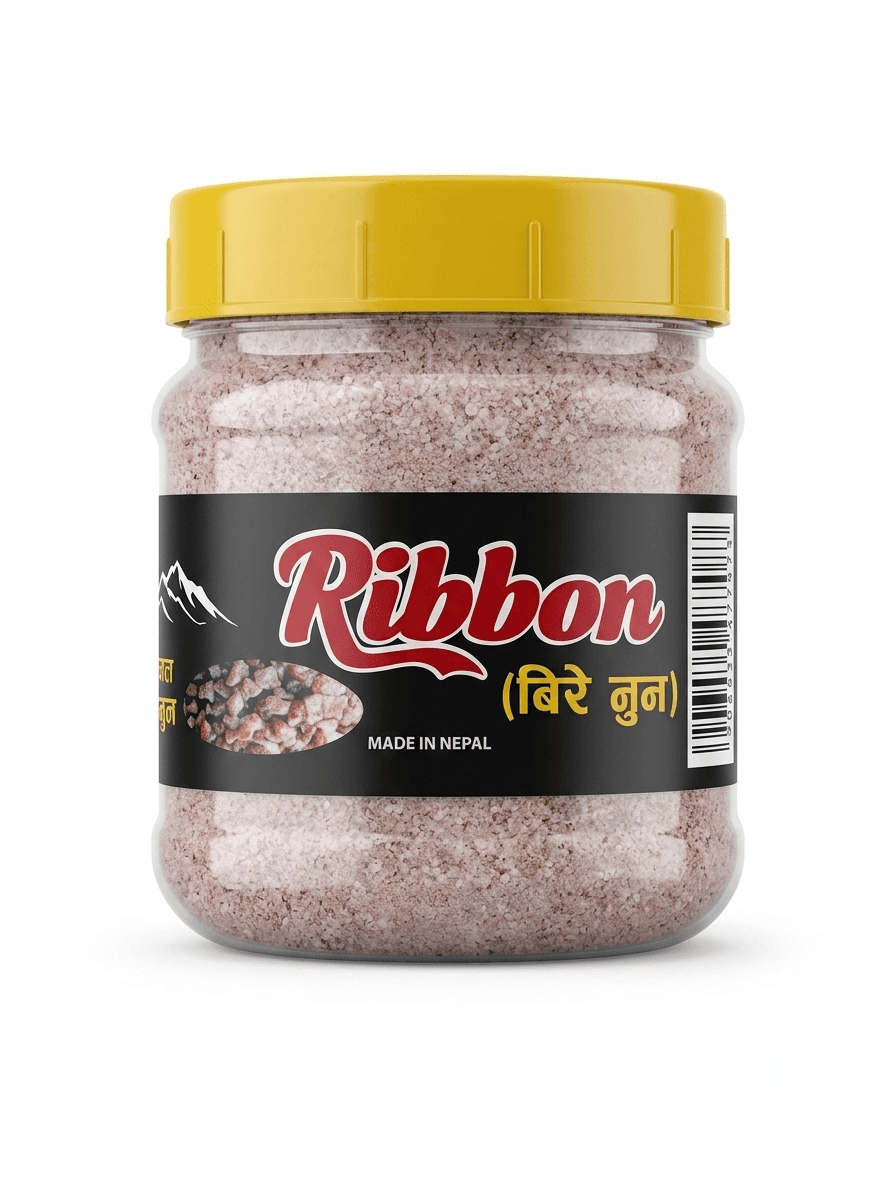
Keep the heat low to medium and stir constantly for 6 to 8 minutes, the puffs should turn a shade darker and sound hollow when you tap the pan, not brown or burnt. Off the heat, season with a pinch of Nepali Black Salt (Bire Nun) and a light dusting of Cumin Powder. If you want more detail on timing and batch sizes, our dedicated phool makhana roasting guide walks through the whole process step by step.
Makhana vs Other Roasted Snacks in the Pantry
Makhana isn't the only roasted, protein-leaning snack in a Nepali or Indian pantry. Soya Chunks pack considerably more protein per 100g and are often simmered into a curry rather than eaten dry, while roasted bhatmas (soybeans) and dalmoth mixes from the snacks aisle lean saltier and spicier than a plain makhana roast.
Where makhana wins is texture and volume: it's the snack you can eat a full bowl of without the heaviness of a fried namkeen. If protein density is the goal rather than a light crunch, pairing makhana with a side of dal is a more efficient way to get there, worth reading if that's your focus.
Makhana in Kheer, Vrat, and Festival Cooking
Beyond the snack bowl, makhana has a long history in festival and fasting cooking. It's simmered in milk and sugar to make makhana kheer, a lighter variation on the rice version in our kheer rice guide, and it turns up in the vrat (religious fasting) diets many Hindu households follow during Navratri and similar observances, since it's considered a grain-free food.
In Nepal and among Nepali-Canadian households, makhana also finds its way onto festive platters around Tihar, often roasted plain and set out alongside sel roti and sweets rather than served as a standalone dish.
Serving and Pairing Ideas
A warm bowl of roasted makhana with black salt and cumin pairs naturally with a cup of Tokla Masala Tea, the spice notes in the chai echo the cumin in the snack without competing with it. It also works well as an evening snack alongside a book or during Dashain and Tihar visiting season, when guests drop by between meals and you want something on the table that isn't heavy.
If you're stocking up for the week, makhana keeps well in an airtight jar for a couple of weeks once roasted, so it's worth roasting a bigger batch of a full 100g pack rather than doing it fresh each time.
Frequently asked questions
Is makhana good for a low-calorie diet?
Roasted, unsalted makhana runs roughly 350 kcal per 100g on most labels, but because the puffs are light and airy, a filling handful is a small fraction of that weight. It's a reasonable swap for heavier fried snacks when you want volume without a lot of fat, though portion still matters if you're roasting it in oil or ghee.
How much protein does makhana actually have?
Most nutrition panels show around 9 to 10g of protein per 100g of roasted makhana. That's a decent amount for a snack, but it's less protein-dense than lentils, soya chunks, or nuts. Our dal & lentils protein guide has a fuller comparison if protein is your main goal.
Is makhana gluten-free and vegan?
Yes, makhana is naturally gluten-free and vegan on its own. It only picks up dairy if you roast it in ghee, so use a neutral or mustard oil like Khokana Roasted Mustard Oil instead if you're keeping it fully plant-based.
What's the difference between makhana and popcorn?
Both are puffed from a seed with dry heat, but they come from different plants. Popcorn is puffed corn kernels, makhana is puffed prickly water lily seed. Makhana has a denser, slightly chewy bite compared to popcorn's lighter crunch, and it holds seasoning a bit differently because of its honeycomb texture.
How do I store roasted makhana so it stays crisp?
Let it cool fully after roasting, then keep it in an airtight jar or container at room temperature, away from humidity. It should stay crisp for a couple of weeks. If it softens, a quick 3 to 4 minute dry re-roast in a pan brings the crunch back.
Can I eat makhana every day?
Plain roasted makhana in reasonable portions fits easily into a daily snack rotation, since it's low in fat and doesn't rely on frying. As with any snack, the seasoning matters more than the base ingredient, a heavy hand with salt or oil changes the picture, so keep an eye on how much you're adding at the roasting stage.
Shop the pantry
Authentic Himalayan staples, delivered anywhere in Canada.
Keep reading
Nepali & Indian Grocery Delivery Across Canada
One Vancouver shop, one nationwide delivery run: real Nepali and Indian groceries shipped coast to coast.
Read the guidePhool Makhana (Fox Nuts): Benefits & How to Roast
Light, crunchy, and quietly nutritious: here's everything to know about phool makhana before your first handful.
Read the guideDal & Lentils Protein Guide: Which Dal Has the Most
Every dal is a solid protein source, but they are not all equal, here is how toor, moong, masoor and chana actually compare.
Read the guideSukuti Nutrition: Protein in Nepali Dried Meat
Sukuti isn't just a snack, it's one of the densest protein foods in the Nepali pantry.
Read the guide