
Food & Nutrition Guides
Papad & Papadam: Types and How to Cook Them
Papad (also spelled papadam) is the thin, savoury lentil wafer that turns up next to almost every Nepali and Indian meal. It looks simple, but there is a right way to roast it, a right way to fry it, and a wrong way that leaves you with a burnt, bitter disc. Here's how we buy and cook it at home.
By Bishnu Koirala · Founder & CEO
Published
On this page
What Papad Actually Is
Papad is a thin, round wafer made from urad dal (black gram) flour, seasoned with black pepper, cumin, or asafoetida, then rolled paper-thin and sun-dried. When it hits heat, whether a flame, a griddle, or hot oil, it puffs up, crisps, and turns into the crunchy side dish that shows up next to dal bhat, khichdi, and thali plates from Kathmandu to Kerala.
"Papadam" is just the Tamil-origin word most Canadians recognize from restaurant menus. In Nepali kitchens we usually just say papad. Same wafer, same dal base, different regional name.
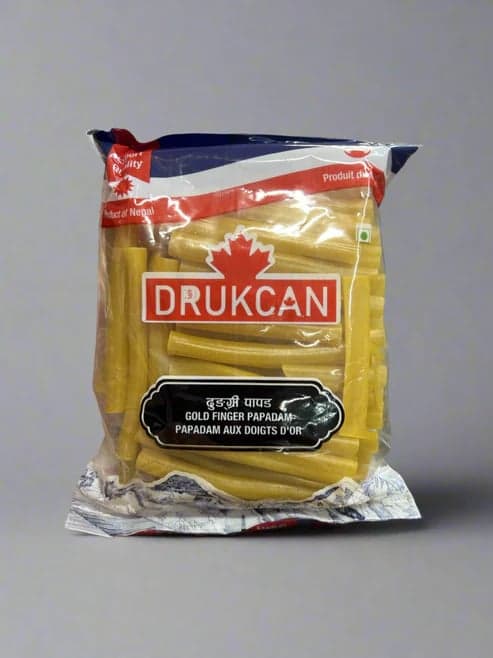
The wafers we carry are the Gold Finger Papadam (Dhungri Papad), a style you'll recognize if you grew up on Nepali-style papad rather than the very thin South Indian kind. It's a good all-purpose papad for both roasting and frying, and it's part of the wider snacks lineup we bring in for the store.
Papad vs Papadam vs Dhungri Papad: Sorting Out the Names
If you've felt confused standing in front of a shelf of "papad," "papadam," and "dhungri papad" packets, you're not alone. They're all describing the same family of urad dal wafers, just with regional naming and sometimes a slightly different thickness or spice mix.
"Dhungri" refers to a specific rolled shape and thickness common in Nepali households, a bit sturdier than the ultra-thin South Indian papadam you'd get with a restaurant appetizer platter. That's exactly the style of the Gold Finger Papadam (Dhungri Papad) we stock: thick enough to hold its shape over an open flame, thin enough to puff properly.
Flavour-wise, most papad you'll find is plain, black pepper, jeera (cumin), or garlic. If you're building out a full Nepali or Indian pantry, papad usually sits in the same basket as urad dal itself, which we cover in our Indian dal & lentils guide if you want to understand the bean behind the wafer.
Roast vs Fry: Two Ways to Cook Papad
Roasting is the everyday, no-oil method. Hold the papad with tongs directly over a gas flame on medium-low, turning constantly, for about 15 to 20 seconds per side. It should puff up, get speckled brown spots, and stay crisp without curling into a wrinkled mess. No gas stove? A dry cast-iron tawa on medium heat works too, though it takes a bit longer and you lose some of the char flavour.
Frying is the special-occasion method: better puff, more even crunch, and the texture people actually crave with dal bhat on a weekend. Heat about an inch of oil in a small pan until it shimmers (a piece of papad dropped in should sizzle and rise immediately). Slide the papad in, and it will puff within 2 to 3 seconds. Flip once, then lift it out onto paper towel before it browns too far.
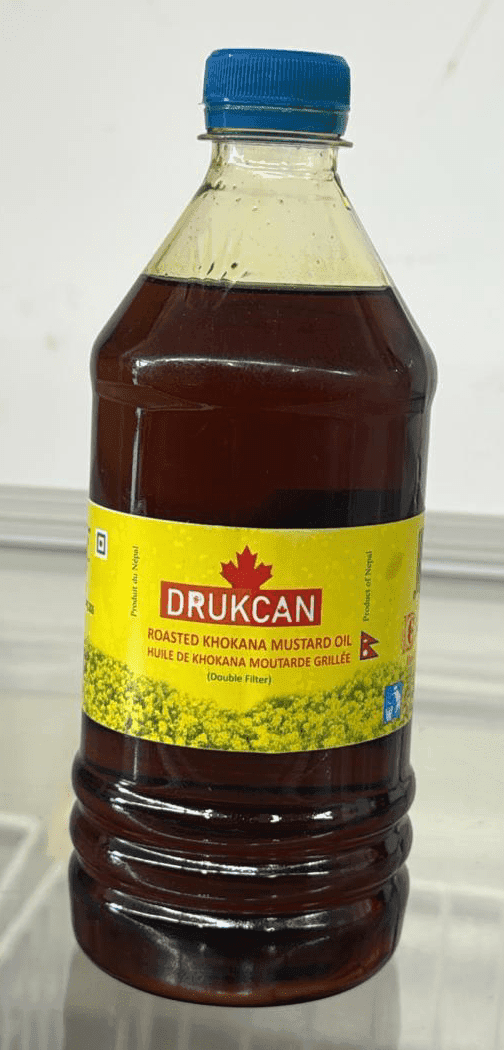
For frying papad, a neutral oil like sunflower oil keeps the papad's own flavour front and centre, since sunflower oil has almost no taste of its own. Some Nepali households prefer Khokana roasted mustard oil for a sharper, more traditional finish, especially if the same oil is already heating up for the dal bhat. We break down the tradeoffs in our mustard vs sunflower vs canola oil comparison, and if you want the deeper story on the mustard oil itself, see our Khokana mustard oil guide.
Microwave Papad: The Lazy Weeknight Method
If you're cooking for one and don't want to babysit a flame, papad microwaves surprisingly well. Place it on a microwave-safe plate with nothing else on it, and heat for 30 to 60 seconds on high, checking every 15 seconds. It puffs unevenly compared to flame-roasting, but it's oil-free and it works in a pinch, especially in an apartment without a gas range.
Whatever method you use, papad is done the moment it stops making a soft, doughy sound when tapped and starts sounding hollow and crisp. Overcooked papad turns bitter fast, since the lentil flour scorches quickly once it's dry.
Serving Ideas: Beyond the Plain Side Dish
The obvious move is snapping a roasted papad in half next to a bowl of dal bhat, our dal bhat recipe walks through the full plate if you're building the whole meal. But papad does double duty as a snack base.
Crumble a fried papad over yogurt, chopped onion, tomato, and a pinch of chaat masala for a five-minute papad chaat. Finish it with a light dusting of Nepali black salt (bire nun), which brings a sulphurous, tangy note that plain table salt just doesn't have, and a few toasted cumin seeds for crunch and warmth.
If you like that chaat-style sweet-tangy-crunchy combination, it's the same flavour direction as Haldiram's Bhelpuri, which is worth keeping in the pantry for the same lazy-snack moments. We go deeper on that whole category in our Haldiram's snacks in Canada guide.
Buying and Storing Papad in Canada
Papad keeps for months unopened since it's fully dried, but once the pack is open, humidity is the enemy: it goes soft and bendy instead of snapping cleanly. Reseal the bag tightly or transfer the stack to an airtight container, and it'll stay crisp-ready for weeks.
We ship the Gold Finger Papadam (Dhungri Papad) along with the rest of our pantry lineup to all 10 provinces and 3 territories from our Vancouver shop, with free delivery from $35 in central Metro Vancouver. If you're stocking a full Nepali or Indian pantry rather than a single item, our Indian grocery store online in Canada guide is the best starting point for what else to add to the cart.

Frequently asked questions
Is papad the same as papadam?
Yes. Papad and papadam refer to the same thin, dried lentil wafer made from urad dal flour. Papadam is more common in South Indian and Western restaurant menus, while papad (or dhungri papad in Nepali) is the everyday term used at home.
Do I need oil to cook papad?
No. Roasting papad directly over a gas flame or on a dry tawa needs no oil at all and is how most households cook it daily. Frying in a little sunflower oil or Khokana mustard oil gives a slightly richer, more restaurant-style puff for special meals.
Why did my papad turn bitter or chewy instead of crisp?
Bitter usually means it scorched, lentil flour burns fast once it's dry, so pull it off the heat the moment it stops sounding doughy. Chewy or rubbery usually means the papad absorbed moisture from an opened bag left unsealed, or it wasn't cooked long enough to fully puff.
What's the difference between plain papad and masala papad?
Plain papad is just urad dal flour, salt, and a little oil in the dough. Masala versions add black pepper, cumin, garlic, or asafoetida directly into the dough before rolling and drying, so the seasoning is baked into the wafer rather than sprinkled on after cooking.
Can papad be eaten without cooking it?
It can, some people snack on raw papad straight from the pack, but it's dense and a bit chalky uncooked. Roasting or frying is what develops the crisp texture and toasty flavour people actually associate with papad.
Does Danphe Stores ship papad across Canada?
Yes. We ship the Gold Finger Papadam (Dhungri Papad) and the rest of our spices & masala and pantry items from our Vancouver store to all 10 provinces and 3 territories, with same-day delivery by phone within Metro Vancouver.
Shop the pantry
Authentic Himalayan staples, delivered anywhere in Canada.
Keep reading
The Best Indian Grocery Store Online in Canada
Basmati, dal, garam masala, Haldiram’s, Britannia, Wagh Bakri, rasgulla, Dabur — the Indian pantry, delivered anywhere in Canada.
Read the guideDal Bhat Recipe: Nepal's Everyday Meal
Rice, dal, a vegetable curry and a spoon of pickle: this is the plate that feeds Nepal every single day.
Read the recipeIndian Dal & Lentils: Toor, Moong, Chana, Rajma, Masoor
Toor for the everyday pot, moong for khichdi, chana for a thick gravy, rajma for Sunday chawal, masoor for a quick weeknight dal: here's which is which.
Read the guideKhokana Roasted Mustard Oil: Nepal's Signature Oil
The pungent, roasted oil that gives Nepali achar and tarkari their signature bite, explained and delivered anywhere in Canada.
Read the guide