
Recipes
Thukpa Recipe: Himalayan Noodle Soup
Thukpa is the noodle soup you will find in every teahouse from Kathmandu to the high Himalaya, a bowl of broth, hand-cut noodles, and whatever vegetables or meat are on hand. This recipe shows you the classic method, plus how to make it vegetarian or meaty depending on your mood.
By Bishnu Koirala · Founder & CEO
Published
On this page
What Exactly Is Thukpa?
Thukpa is a Himalayan noodle soup that traveled into Nepal from Tibet and never left. Walk into any teahouse in Kathmandu, Pokhara, or a trekking lodge in Solukhumbu and thukpa is usually on the menu, thick with noodles, vegetables, and a peppery, garlicky broth.
It is the kind of dish that reflects Nepali cuisine's Indian and Tibetan influences: the noodles and broth technique are Tibetan, while the masala and chili heat lean Indian. The result is a bowl that is warming, filling, and endlessly adaptable.
Ingredients for Thukpa
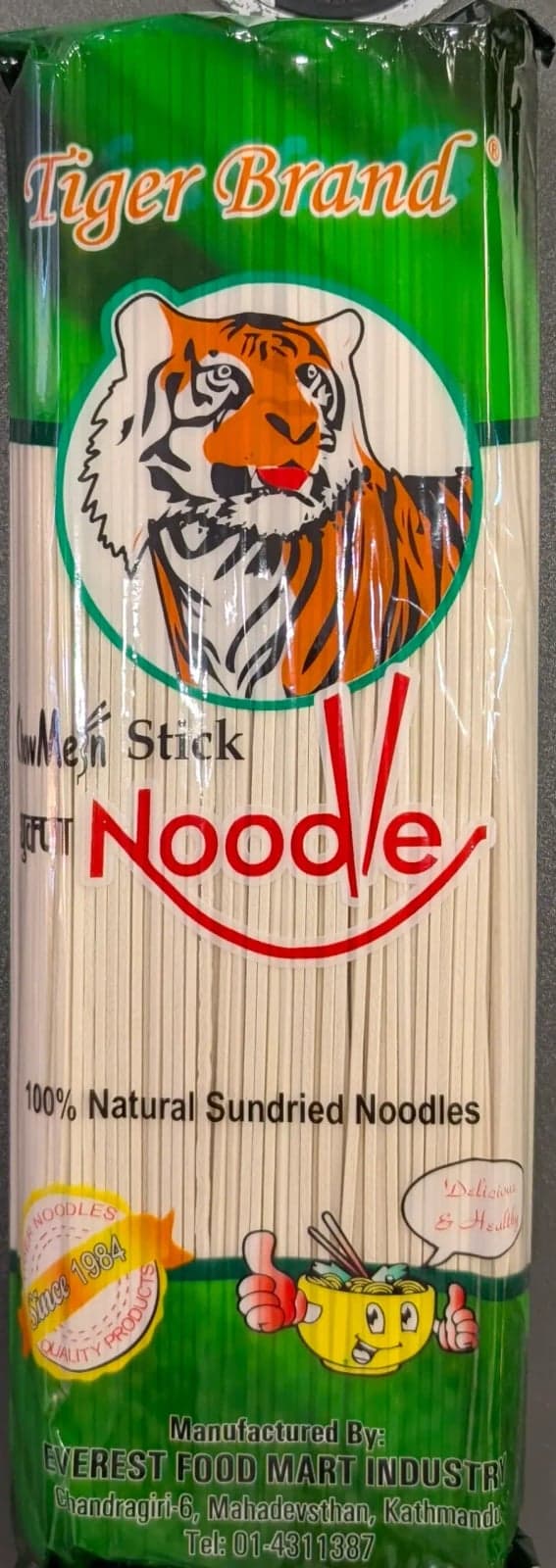
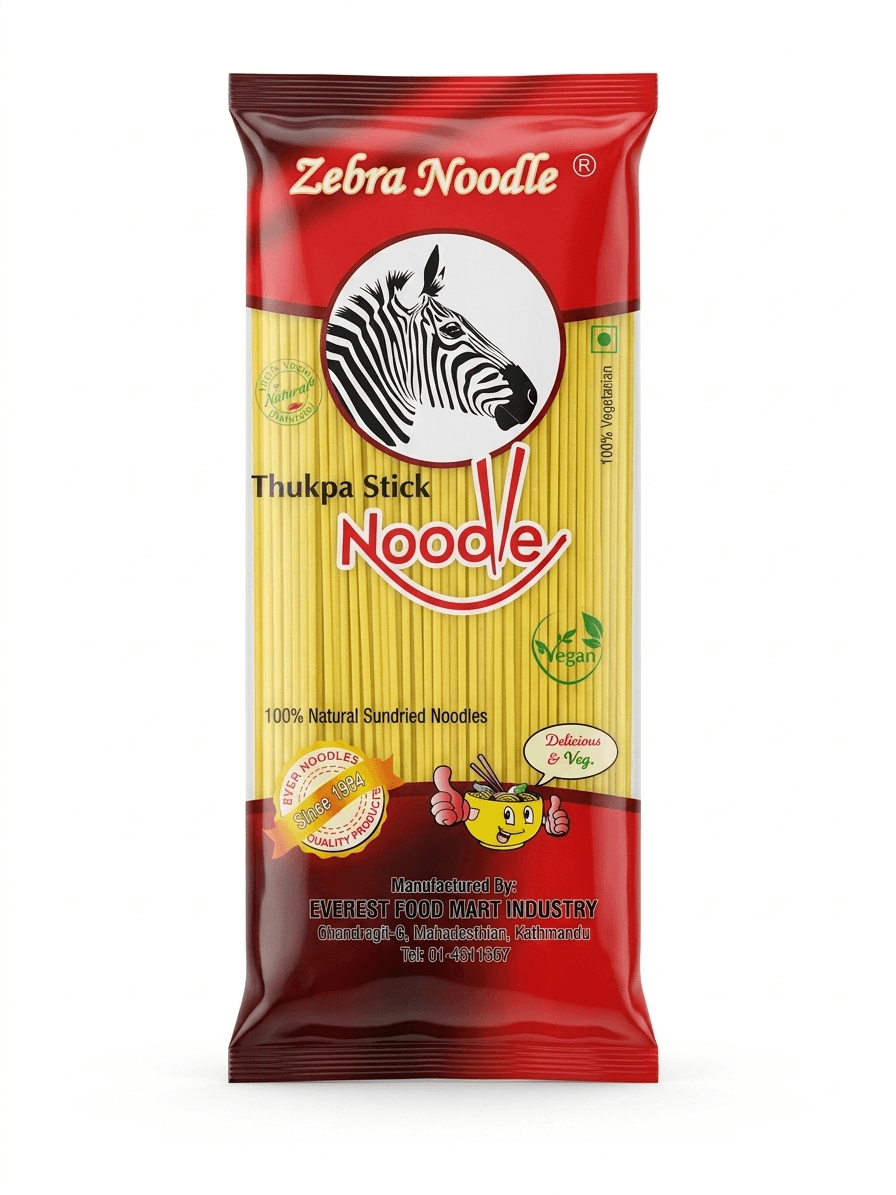
You do not need a long list to make good thukpa. The base is thukpa noodles (or the Nepali thukpa noodles if you want a slightly thinner strand), an onion, garlic, ginger, a tomato, and whatever vegetables you have: carrot, cabbage, bok choy, or green beans all work well.
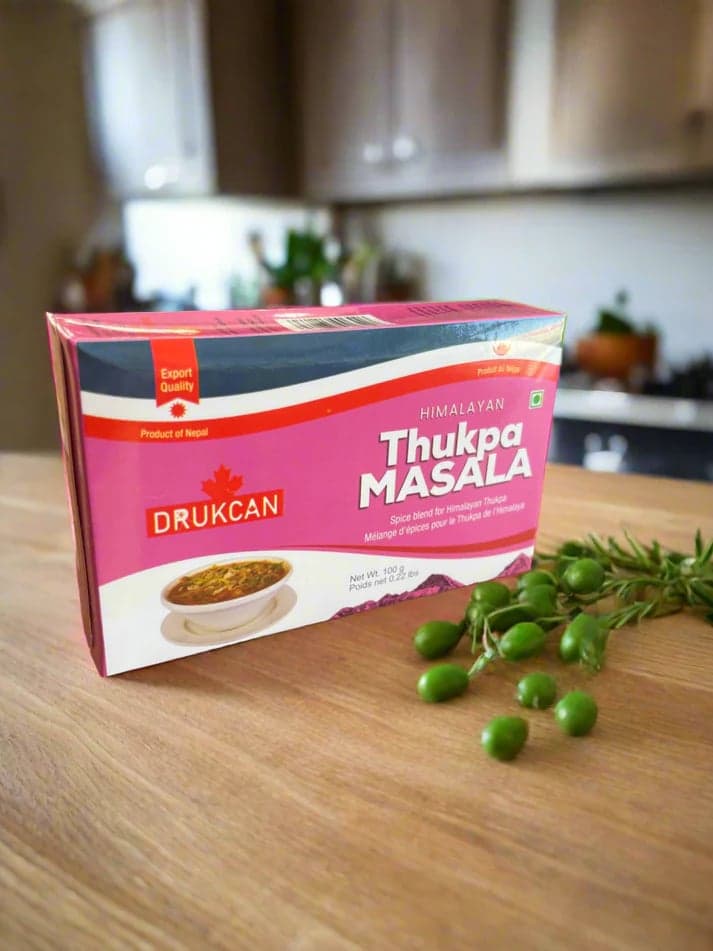
For the flavour backbone, keep a jar of thukpa masala on hand. It is built for exactly this soup: cumin, coriander, black pepper, and a bit of chili, so you skip the guesswork on spicing.
If you are making meat thukpa, ground buffalo keema is the traditional choice in most Nepali households and cooks quickly, though chicken or leftover roast meat work too. For a shortcut on the aromatics, garlic puree and minced ginger save a lot of chopping on a weeknight.
Round it out with soy sauce, a splash of vinegar, and salt. If you like it fiery, a spoon of timur, Nepal's tingly Sichuan-style pepper, added at the end gives thukpa its signature buzz.
How to Make Thukpa (Step by Step)
1. Heat a couple tablespoons of oil in a heavy pot. Add chopped onion and cook until soft, about 4 minutes.
2. Stir in garlic and ginger (fresh or the puree versions above) and cook until fragrant, roughly 1 minute. If using meat, add it now and brown it fully before adding anything else.
3. Add chopped tomato and a spoon of thukpa masala. Cook the masala into the onion-tomato mixture for 2 to 3 minutes so the spices bloom rather than taste raw.
4. Pour in 4 to 5 cups of water or stock and bring to a boil. Add harder vegetables first (carrot, cabbage stems) and simmer 5 minutes before adding softer greens like bok choy or spinach.
5. Season with soy sauce, salt, and a touch of vinegar. Taste and adjust: thukpa broth should be savoury and slightly peppery, not bland.
6. Add the noodles directly into the simmering broth and cook until just tender, usually 3 to 5 minutes depending on thickness. Do not overcook, the noodles keep cooking a little in the hot broth even off the heat.
7. Ladle into bowls immediately, top with chopped scallion and a pinch of timur if you like it hot, and serve while it is still steaming.
Veg Thukpa vs Meat Thukpa
Veg thukpa is the everyday version in most homes: cabbage, carrot, green beans, and whatever else is in the fridge, simmered in a garlicky vegetable broth. It is quick, cheap, and forgiving of substitutions.
Meat thukpa usually means keema (minced meat) or thin strips of chicken, buff, or mutton browned before the broth goes in. If you keep buff sukuti in the pantry, a small handful torn into the soup near the end adds a smoky, chewy note that is close to how some teahouses finish the bowl.
Either way, the base method barely changes, only the protein and cook time shift.
Tips for a Better Bowl
Do not skip browning the aromatics before adding liquid. A raw garlic-ginger taste is the most common reason homemade thukpa tastes flat compared to a teahouse bowl.
Keep the noodles separate from leftover broth if you are meal-prepping. Noodles left soaking in soup overnight turn soft and swollen, so store them apart and combine just before eating.
If your pantry already has WaiWai, Current, or Rara noodles from making quick instant noodles, note that those are a different, thinner cut than proper thukpa noodles. They will work in a pinch, but the wider, chewier thukpa noodle holds up better in a long-simmered broth.
A soup this simple lives or dies on good stock. If you have bones or a carcass from another meal, a homemade stock beats water every time.
Serving and Storing Thukpa
Thukpa is a full meal on its own, no side dishes needed, though a spoon of Nepali achar on the side never hurts if you want extra tang and heat.
It also pairs naturally with the rest of a Himalayan spread. If you are cooking a bigger Nepali dinner, thukpa sits comfortably alongside a simple Nepali dal or a plate of momo for a teahouse-style spread at home.
Leftovers keep in the fridge for 2 to 3 days. Reheat gently on the stove and add a splash of water or stock, since the noodles will have soaked up liquid overnight.
Frequently asked questions
What is thukpa made of?
Classic thukpa is a broth of onion, garlic, ginger, tomato, and warming spices, simmered with vegetables and/or meat, then finished with noodles cooked right in the soup. The exact vegetables and protein vary by household, but the technique stays the same across Nepal and the wider Himalaya.
Is thukpa Nepali or Tibetan?
Both, in a sense. Thukpa originated in Tibet and travelled into Nepal, especially the Himalayan regions and Kathmandu Valley, where it became a staple. It reflects the broader Nepali cuisine's Indian and Tibetan influences, borrowing technique from Tibet and spicing from further south.
What noodles are used in thukpa?
Thukpa uses a thicker, chewier wheat noodle than instant ramen-style noodles. Look for noodles labelled specifically as thukpa noodles, sold in bulk packs like the 900g or 500g bags, rather than the thin instant noodles used for quick snacking.
Can I make thukpa vegetarian?
Yes, and it is arguably the more common everyday version. Swap the meat for extra vegetables like cabbage, carrot, green beans, and mushroom, and build the broth with vegetable stock or water plus a good thukpa masala for depth.
What can I use instead of thukpa masala?
A mix of ground cumin, coriander, black pepper, and a bit of chili powder gets you close, but a ready-made thukpa masala saves time and keeps the flavour consistent bowl after bowl. It is worth keeping a jar next to your other spices and masala for weeknight soup.
Does Danphe Stores ship thukpa ingredients across Canada?
Yes. Everything in this recipe, noodles, masala, meat, and aromatics, ships from our Vancouver store across all 10 provinces and 3 territories, usually in 5 to 10 business days, with free delivery over $35 in central Metro Vancouver. See our full Nepali and Indian grocery delivery across Canada page for details.
Shop the pantry
Authentic Himalayan staples, delivered anywhere in Canada.
Keep reading
Nepali & Indian Grocery Delivery Across Canada
One Vancouver shop, one nationwide delivery run: real Nepali and Indian groceries shipped coast to coast.
Read the guideHow to Make Nepali Momo (Chicken & Veg), Step by Step
Dough, filling, pleats, steam, and the fiery tomato-sesame achar — how to make momo at home the Nepali way.
Read the recipeMomo Masala: The Secret to Nepali Dumplings
One spoon of the right masala is the difference between a good momo and a forgettable one.
Read the guideHow Nepali Cuisine Differs From the Rest of the World: The Indian and Tibetan Influences
Nepali food borrows the curries of India and the dumplings of Tibet — yet timur, jimbu, gundruk and dal-bhat make it unmistakably its own. Here is what actually sets it apart.
Read the guide