
Food & Nutrition Guides
Jumla Marsi & Brown Rice: Himalayan Rice Nutrition
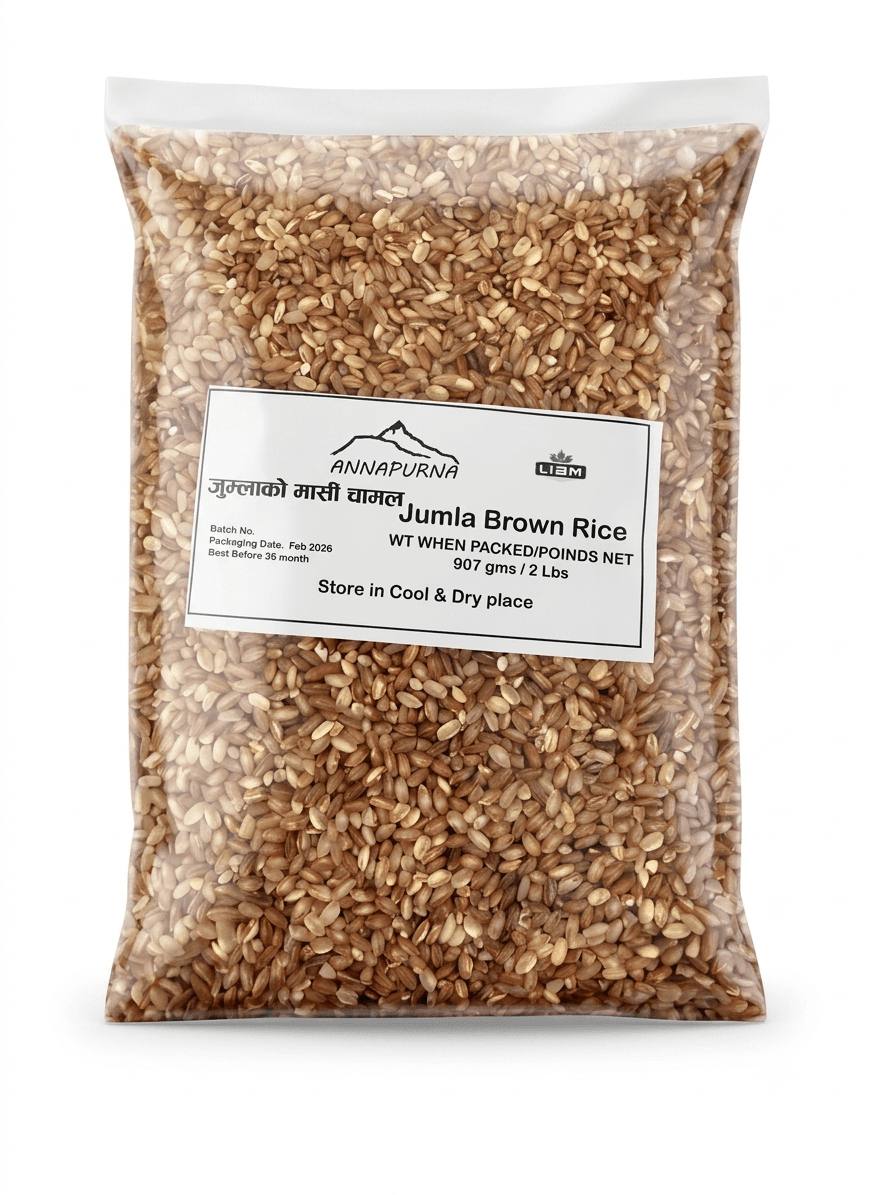
High in the hills of Jumla, farmers have grown a short red-brown rice called marsi chamal for generations, mostly by hand, on terraces too remote for machinery. Because it is milled lightly, marsi keeps its bran layer, which is where a grain's fibre actually lives. Here is what that means for your plate, and how it stacks up next to the white basmati most Nepali and Indian kitchens in Canada already keep on the shelf.
By Bishnu Koirala · Founder & CEO
Published
On this page
What marsi chamal actually is
Marsi is not a brand, it is a rice variety grown in the mid and high hills of Jumla and nearby districts, often above 2,000 metres where rice has no business growing but somehow does. The grain is short, a bit stubby, and reddish-brown when left unpolished.
Our Jumla Marsi Brown Rice comes from that same Karnali-region tradition: small terraced fields, minimal machine milling, and a grain that still has its bran on. That is the whole story behind why people call it Himalayan brown rice rather than just 'brown rice' in general.
It sits in the same rice & flour aisle as our basmati bags, but nutritionally it is a different animal, closer in spirit to the Jumla Beans grown a valley or two over than to a bag of extra-long basmati.
Brown rice vs white rice: where the fibre goes
Every rice grain starts as brown rice: a bran layer, a germ, and the starchy white endosperm underneath. Milling strips off the bran and germ to make white rice, which is why white rice cooks faster and lasts longer on a shelf, but also why it carries less fibre per serving.
Marsi skips most of that stripping. The bran stays on, and with it the fibre, plus small amounts of the B-vitamins and minerals that live in that outer layer. This is basic, label-level nutrition science, not a Himalayan secret: any wholegrain rice keeps more of the grain than a polished one does.
For comparison, our Qilla Premium Basmati Rice and the other white basmati bags we carry are milled and polished the conventional way. They cook up light and fluffy, which is exactly what a good basmati brand is supposed to do. Neither approach is 'wrong,' they just serve different meals.
Reading the nutrition label: what to actually compare
When you're comparing rice bags, look at three numbers on the label: total carbohydrate, dietary fibre, and protein, all per the same serving size (usually about 45g or ¼ cup dry).
Wholegrain rices like marsi typically show a higher fibre count per serving than fully milled white rice, sometimes two to three times as much, because the bran (the fibre-rich layer) has not been removed. Protein is roughly comparable between brown and white rice of similar variety since the germ contributes only a small share.
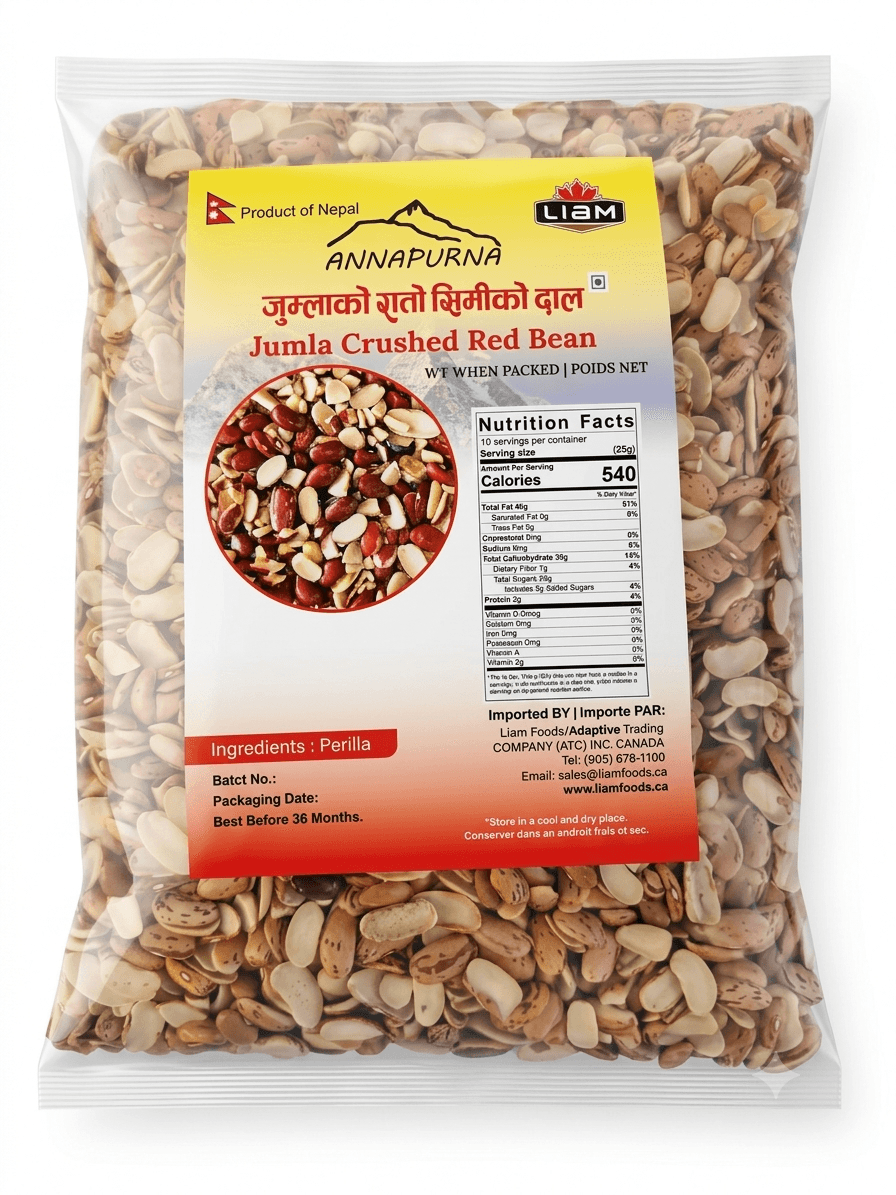
If you're building a higher-fibre pantry generally, pair marsi with other whole, minimally processed staples: our Jumla Red Beans and the wider lentils shelf, both of which read strong on the fibre line for the same reason: less processing, more of the original grain or legume intact. Our Dal & Lentils Protein Guide breaks down protein grain by grain if that is the number you're chasing instead.

Cooking marsi: what changes with the bran on
Because the bran layer is still there, marsi takes longer to cook and more water than white basmati. Give it a rinse, then a soak of 30 minutes to a few hours if you have the time, it softens the bran and shortens the stovetop time noticeably.
Expect a chewier bite and a nuttier flavour than the airy, separate grains of cooked basmati. It works well as a plain side with dal, in a heartier dal bhat bowl, or folded into a vegetable pulao where its texture holds up better than a delicate basmati would.
If your household wants both textures depending on the meal, it's completely normal to keep a bag of marsi next to a bag of white basmati. Our own How to Cook Perfect Basmati Rice guide covers the white-rice side of that pairing.
Other rice forms worth knowing
Rice shows up in more forms in a Nepali kitchen than just cooked grain. Beaten rice, or chiura, is flattened parboiled rice eaten dry with achar or soaked in milk, and our Beaten Rice (Chiura) is a pantry staple for exactly that. Our Chiura: Rato vs Seto guide explains how the red and white versions differ.
Ground rice, or Rice Flour, is a different product again, used for sel roti and other baked or fried breads rather than eaten as a grain. None of these are substitutes for marsi in a nutrition sense, they're simply different processing steps applied to the same rice family.
Frequently asked questions
Is marsi rice healthier than white basmati rice?
Marsi keeps its bran layer, so it generally carries more dietary fibre per serving than fully milled white basmati like our Qilla Premium Basmati Rice. Whether that makes it 'healthier' depends on what you're optimizing for: fibre intake favours marsi, while ease of digestion and a lighter texture are what white basmati is prized for. Check the nutrition labels on both bags for exact per-serving numbers.
Why is marsi rice reddish-brown in colour?
The colour comes from the bran layer, which is left on during milling instead of being polished away. That same bran is where most of the grain's fibre and B-vitamins sit, which is why brown and red rices generally test higher for fibre than white rice of the same variety.
Does marsi rice take longer to cook than white rice?
Yes. Because the bran is intact, marsi absorbs water more slowly than white basmati. A 30-minute to few-hour soak before cooking helps it cook more evenly and cuts down the stovetop time.
Where does Jumla marsi rice come from?
Jumla is a high-altitude district in Nepal's Karnali region, and marsi chamal is the traditional rice variety grown there on hillside terraces, often without heavy machinery. It's part of the same Himalayan farming tradition as Jumla Red Beans and other Jumla-grown pulses.
Can I substitute marsi rice for basmati in everyday cooking?
You can, but expect a chewier, nuttier result rather than basmati's light, separate grains. Many households keep both: marsi for a heartier dal bhat and basmati (see our basmati rice brands compared) for pulao or biryani-style dishes.
Does Danphe Stores ship marsi rice across Canada?
Yes. Marsi rice and the rest of our Himalayan and Indian grocery range ship from our Vancouver store to all 10 provinces and 3 territories, as covered on our Nepali & Indian Grocery Delivery Across Canada page. Standard shipping runs 5 to 10 business days, with free delivery on orders over $35 in central Metro Vancouver.
Shop the pantry
Authentic Himalayan staples, delivered anywhere in Canada.
Keep reading
Nepali & Indian Grocery Delivery Across Canada
One Vancouver shop, one nationwide delivery run: real Nepali and Indian groceries shipped coast to coast.
Read the guideJumla Beans: Himalayan Heirloom Simi & Gahat
The heirloom beans grown at 2,300 metres in Jumla, shipped straight to your kitchen anywhere in Canada.
Read the guideBest Basmati Rice to Buy Online in Canada
Qilla, Tiger XXXL, Guruji, Hello Ji or Golden Sella: here's how the top basmati bags actually compare, and which one belongs in your kitchen.
Read the guideBasmati Rice Brands Compared: Qilla, Tiger, Guruji, Hello Ji
Four bags, four personalities: here's which basmati rice brand actually deserves your pot of dal bhat.
Read the guide