
Food & Nutrition Guides
Teej Festival Foods: Dar & the Women's Festival
Teej is Nepal's biggest festival for women: a day of fasting for the wellbeing of husbands and family, bookended by feasting. Here is what actually goes on the table, from the dar spread the night before to the phalahar snacks that get women through a long day without food or water.
By Bishnu Koirala · Founder & CEO
Published
On this page
What Is Teej, and Why Does the Food Matter So Much?
Teej (Haritalika Teej) falls in Bhadra, late August or early September, and it is the festival where Nepali women across the world put on red, gather with their maiti (natal family) and in-laws, and fast for the long life of their husbands and the wellbeing of their families. Unmarried women fast too, for a good husband and a happy household down the road.
The food is not an afterthought here. Teej is built around a strict rhythm: eat everything you love the night before, then eat nothing (or almost nothing) for a full day. That rhythm is why dar, the pre-fast feast, gets just as much attention as the fast itself.
Dar: The Feast Before the Fast
Dar khane din, the night of eating dar, happens before midnight on the eve of Teej. Groups of women, sisters, cousins, friends, gather at someone's home or a rented hall and eat like it is the last meal for days, because for many of them, it basically is.
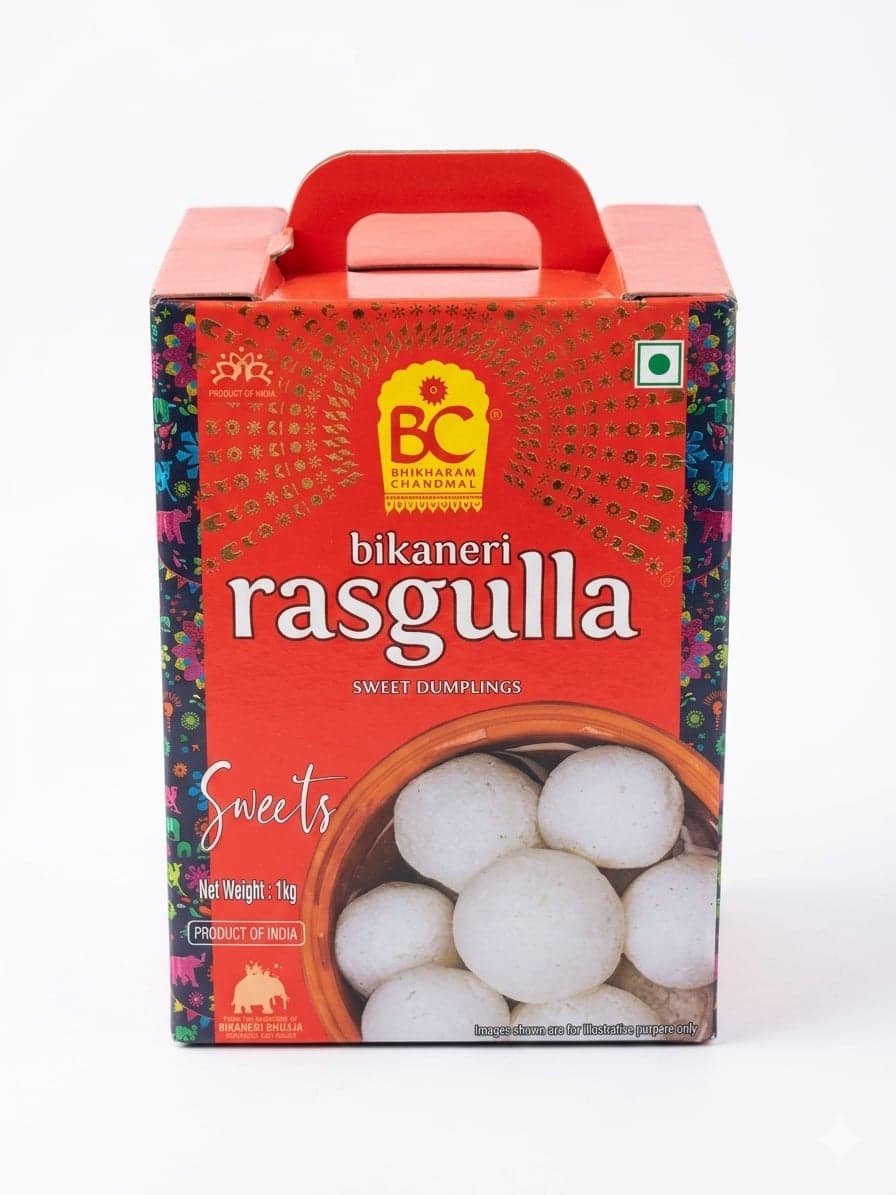
A proper dar spread leans sweet and rich: kheer made thick with milk and sugar, rasgulla and other syrupy sweets, puri, achar, meat curries, and whatever each family's tradition demands. If you want the full breakdown of kheer technique, our kheer rice guide walks through grain choice, milk ratio, and how not to scorch the pot while everyone is talking over you in the kitchen.
Dar is loud and communal on purpose. Everyone knows that after midnight, most of that table disappears until the fast breaks the next evening, so there is no shame in a second helping of anything sweet while it lasts.
Nirjala and Phalahar: How the Fast Actually Works
Not every woman fasts the same way. Nirjala vrat means no food and no water for the entire day, the strictest version. Others keep a phalahar (fruit-based) fast, allowing fruit, milk, or light snacks that do not count as a full meal in the traditional sense.
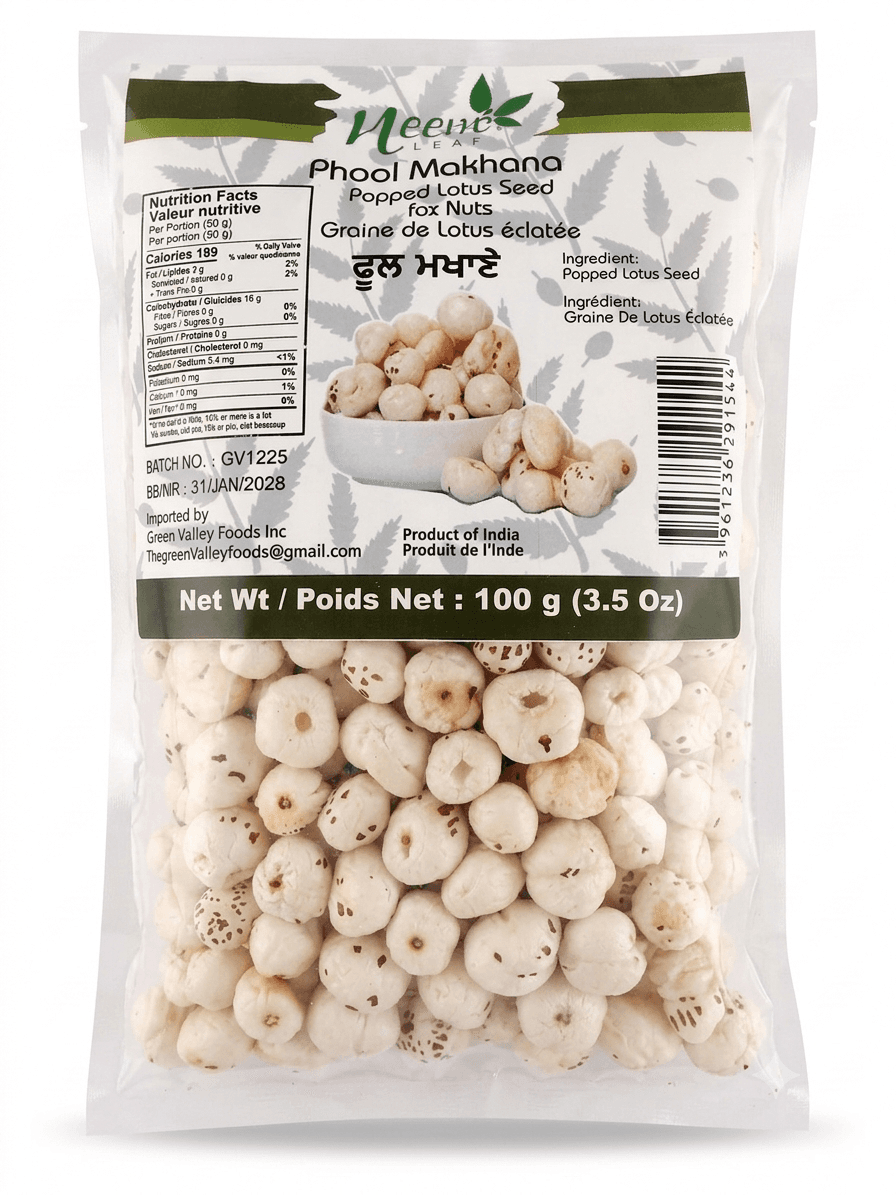
For phalahar fasters, phool makhana is a genuine lifesaver. Roasted fox nuts are light, considered fasting-appropriate in many households, and easy to snack on through a day when your stomach is otherwise empty. A spoonful of unpasteurised honey stirred into warm water is another common way to keep a little energy up without technically breaking a strict fast.
Some women also keep a small puja at home before or after the fasting day, lighting a diya and offering sindoor and bangles as part of the ritual.
Sweets, Fruit, and the Teej Snack Table
Whether or not the fast is strict, most homes keep a small tray of dry fruit and sweets on hand for the women who are fasting and the family members who are not. Golden raisins and pistachios show up in almost every version of this tray, both as a quick bite and as garnish for whatever kheer or sel roti gets made once the fast is over.
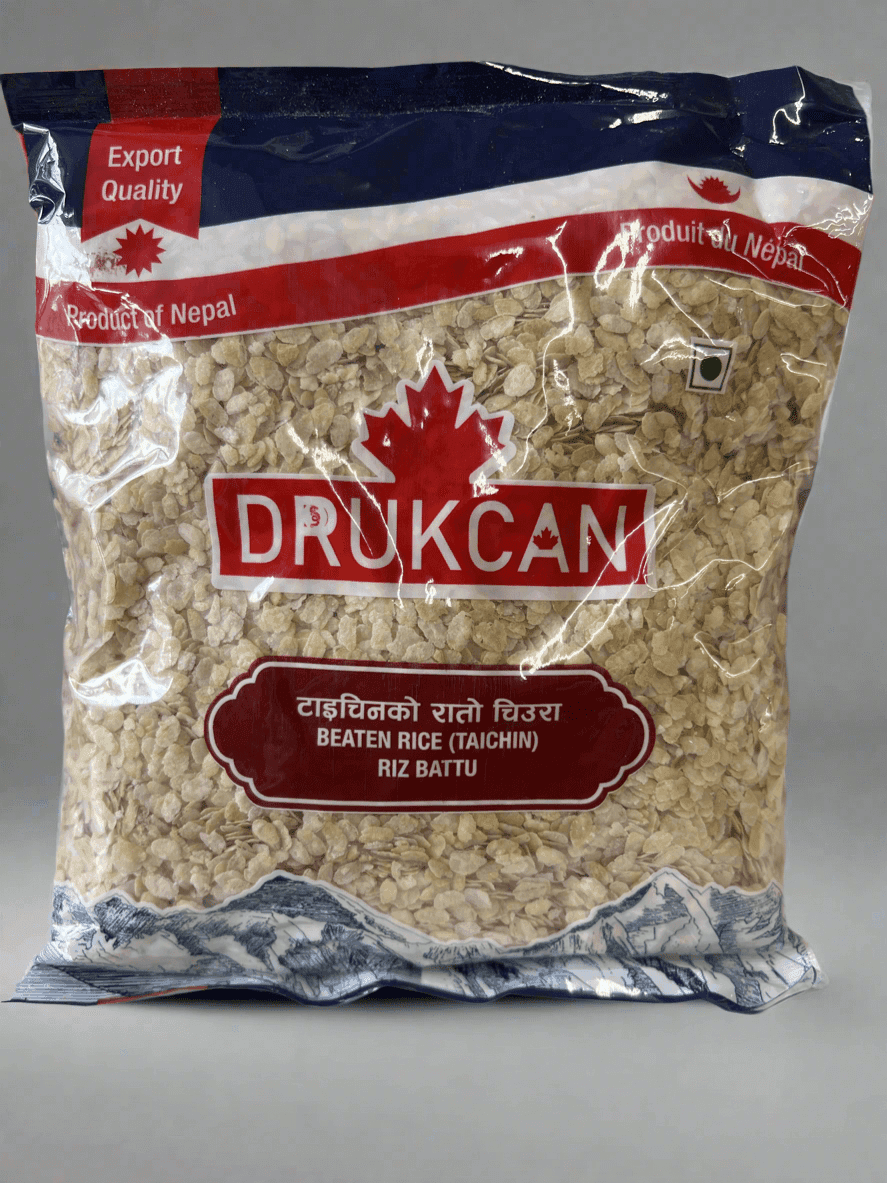
Rato chiura, the reddish beaten rice, is another common phalahar food: soaked in a little milk or yogurt with a spoon of sugar, it is filling without feeling like a real meal. If you are curious about the difference between the red and white versions, we broke it down in our chiura guide.
A pinch of brown sesame (khairo til) toasted and mixed with jaggery is a smaller tradition in some Teej households too, especially those that carry sweets over from Maghe Sankranti-style cooking.
Breaking the Fast and Rishi Panchami
The fast breaks the following evening, usually with family, and often with the same warm dishes that were on the dar table, reheated and shared quietly instead of eaten in celebration. It is a gentler meal: rice, dal, a simple curry, maybe another small serving of kheer.
The day after Teej is Rishi Panchami, when women bathe, purify themselves, and eat a specific vegetarian, ghee-heavy meal made without any ingredient that touched a plough, like moong dal, sweet potato, and gundruk. Many of the same pantry staples that carry a household through Dashain end up on the Rishi Panchami table too; our Dashain foods guide is useful reading if you are building out a Nepali festival pantry for the whole autumn stretch, not just Teej.
Shopping for Teej Food Anywhere in Canada
Vancouver has the advantage of a real Nepali grocery shelf a short drive away, but most Nepali households in Canada are nowhere near one. Danphe Stores ships dar and phalahar ingredients, rice, kheer rice, dry fruits, sweets, spices, everywhere from Halifax to Whitehorse.
If Teej is your first festival ordering groceries online instead of driving to a store, our guide to Nepali & Indian grocery delivery across Canada covers delivery zones, timing, and how to get everything landed before dar night, not after it.
Frequently asked questions
What do women eat during dar the night before Teej?
Dar is a big, rich meal eaten with other women before midnight: kheer, rasgulla and other sweets, puri, meat curries, and achar are all common. The idea is to eat well because many will not eat again for a full day.
Can you eat or drink anything during a Teej fast?
It depends on the woman and her tradition. Nirjala vrat means no food or water at all. A phalahar fast allows fruit, milk, and light foods like phool makhana or soaked rato chiura, which are not treated as a full meal. See the chiura guide for more on how that beaten rice is used.
What is Rishi Panchami and how is its food different from Teej?
Rishi Panchami is the day after Teej. Women bathe to purify themselves and eat a strictly vegetarian, ghee-based meal made without anything grown with a plough, such as moong dal, sweet potato, and gundruk, as an act of atonement and cleansing.
Is Teej only fasting, or is there real celebration too?
Both. Dar night is loud and festive, with dancing, singing, and a full feast. The fasting day itself is quieter and more spiritual, often spent visiting a Shiva temple, and the celebration picks back up once the fast breaks that evening.
Does Danphe Stores ship Teej groceries outside BC?
Yes. Danphe Stores ships nationwide across all Canadian provinces and territories, with standard delivery in 5-10 business days and free shipping over $35 within central Metro Vancouver.
What sweets should I stock up on before Teej?
Rasgulla, kheer rice, dry fruits like golden raisins and pistachios, and a jar of honey cover most Teej sweet needs and keep the dar table looking generous.
Shop the pantry
Authentic Himalayan staples, delivered anywhere in Canada.
Keep reading
Nepali & Indian Grocery Delivery Across Canada
One Vancouver shop, one nationwide delivery run: real Nepali and Indian groceries shipped coast to coast.
Read the guideDashain Foods: What Nepalis Cook for the Great Festival
Meat, sel roti, kheer and sukuti: the four dishes that make a Dashain table feel like home.
Read the guideTihar (Deepawali) Foods: Sel Roti, Sweets & Sagun
From the first oil-soaked ring of sel roti to the last lit diyo on Laxmi Puja night, here is everything Tihar asks of a Nepali kitchen, shipped anywhere in Canada.
Read the guideKheer Rice: Making Nepali & Indian Rice Pudding
The short, starchy rice that turns a pot of simmering milk into the creamiest kheer you have ever made.
Read the guide