
Food & Nutrition Guides
Dhoop & Incense: A Guide to Himalayan Aromas
Long before you ever light a stick of incense, someone in the hills above Kathmandu was rolling dhoop by hand from juniper, sandalwood, and mountain herbs. This guide walks through what dhoop actually is, how it differs from ordinary incense, and how to set up a small, safe puja corner at home in Canada.
By Bishnu Koirala · Founder & CEO
Published
On this page
What Dhoop Actually Is (and Why It Smells So Different)
Dhoop is not incense in the stick-and-bamboo-core sense most people picture. It is a rolled or pressed cone, coil, or rope made from crushed herbs, resins, and wood dust, usually held together with a natural binder and no bamboo core at all.
That difference in construction changes the smell completely. Where machine-made agarbatti often leans on a single perfume oil, dhoop is layered: juniper, sandalwood, cinnamon bark, clove, and sometimes crushed Himalayan flowers, all burning together.
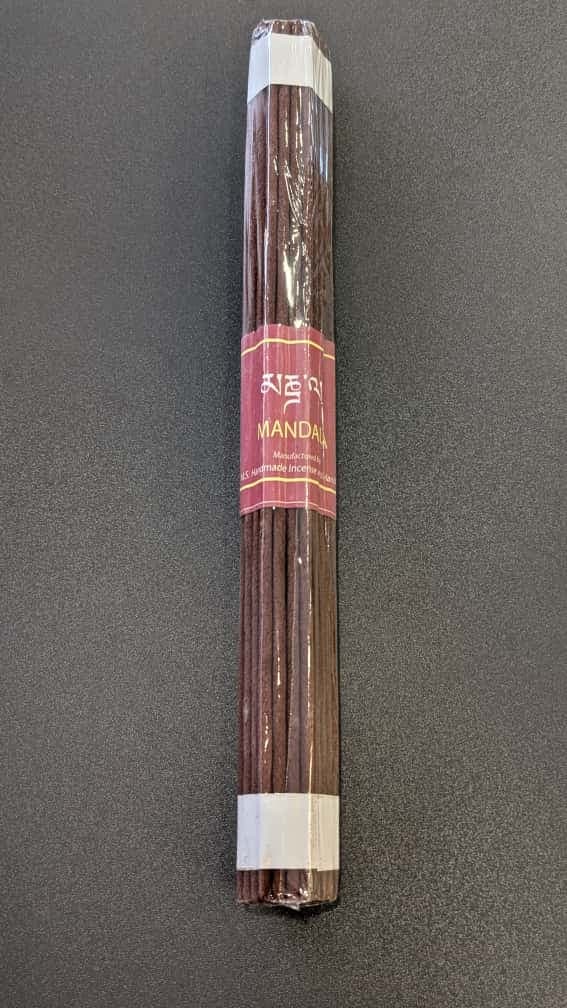
The Dolma/Mandala Buddhist Dhoop we carry is a good example. It is rope-style dhoop, twisted rather than pressed, made the way monasteries around Boudhanath and Swayambhu have made it for generations. Light one end, let it smoulder, and the smoke curls slow and heavy, nothing like a thin incense wisp.
The Himalayan Dhoop Tradition
In Tibetan Buddhist practice, dhoop is an offering in itself, one of the traditional items placed before a shrine alongside water, light, and flowers. The smoke is meant to carry a kind of purification through the room, which is part of why monasteries burn it constantly during rituals rather than just once a day.
Nepal sits at the crossroads of that Tibetan Buddhist tradition and Hindu puja practice, so most Nepali households burn both: dhoop in the morning as part of a Buddhist or general devotional habit, and incense sticks during specific Hindu rituals. If you grew up with a grandmother lighting dhoop before sunrise, the smell alone can be enough to bring back a whole childhood.
This overlap is a good example of what we mean when we talk about Nepali cuisine's Indian and Tibetan influences: the same blending happens in ritual objects, not just food.
Setting Up a Small Puja Corner in a Canadian Home
You do not need a dedicated room. Most apartments in Metro Vancouver, Surrey, or Toronto manage a puja corner with a shelf, a small table, or even a windowsill that gets good airflow.
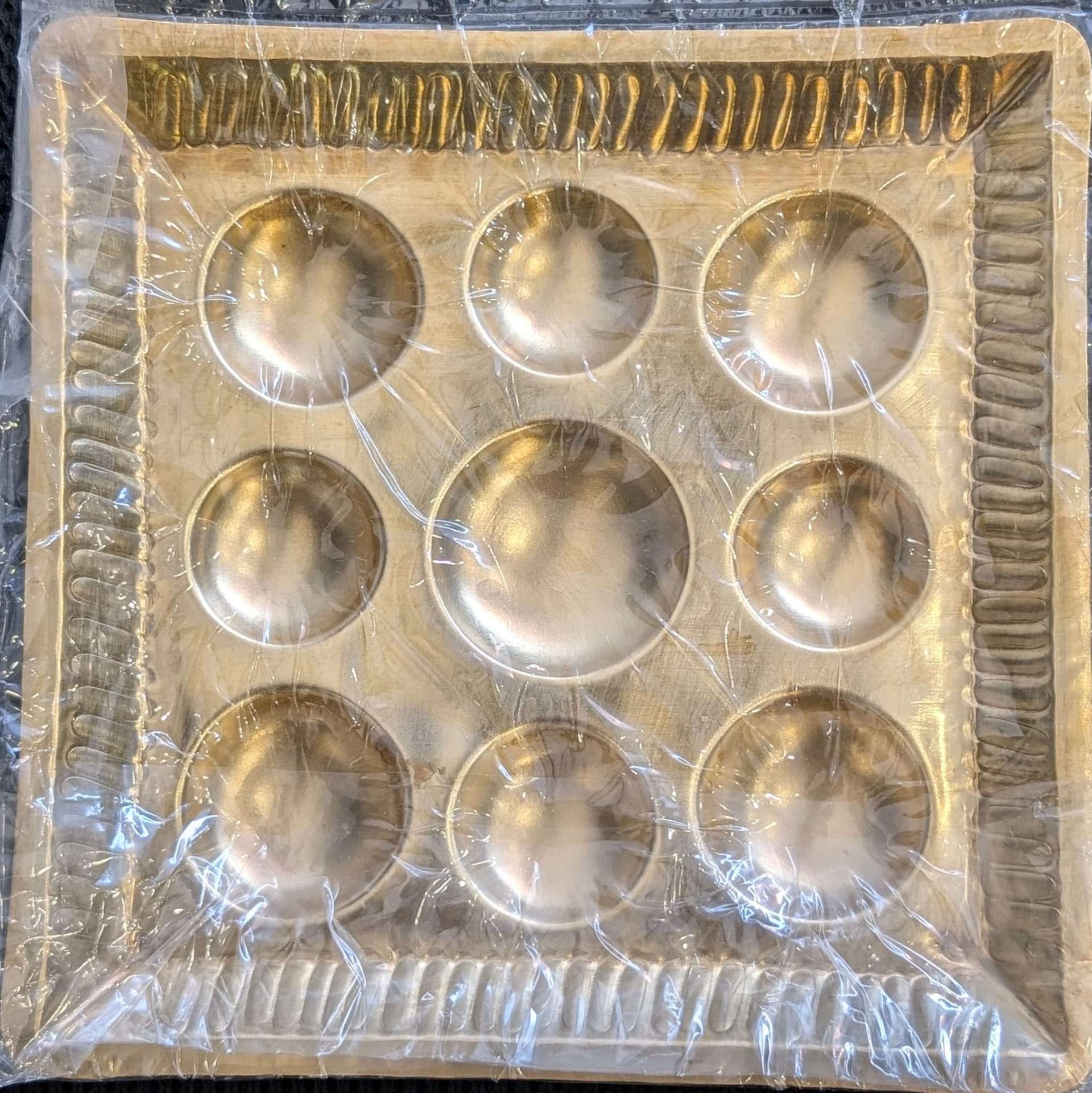
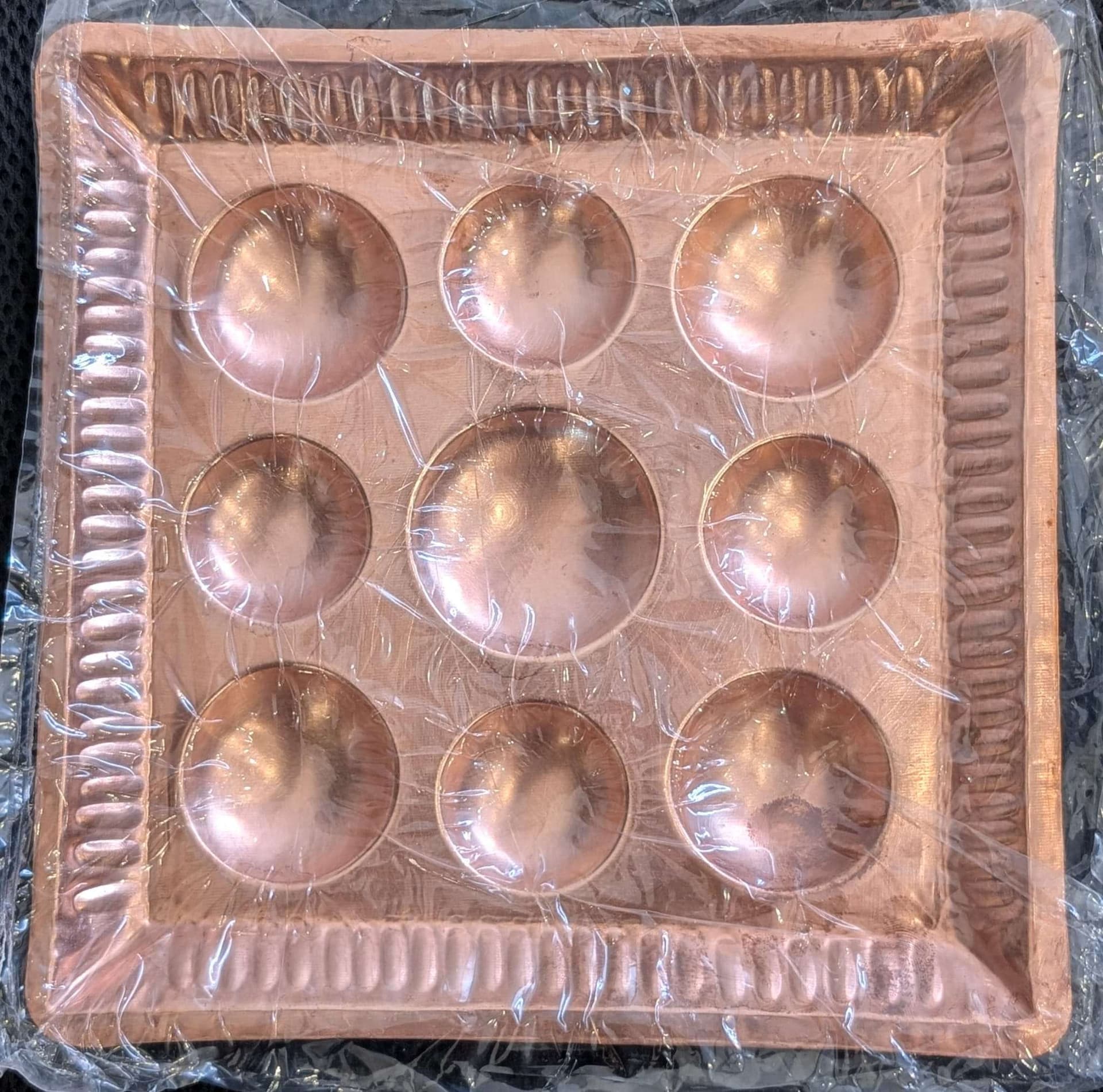
The core pieces are simple: a thali to hold everything, a diyo (oil lamp) for light, a mala for counting mantras or japa, and a small bell. A Puja Thali in brass or the copper version both work fine, brass is the more traditional choice and easier to keep polished, copper develops a warm patina over time that some people prefer.
Add a Makhamali Mala for prayer, a Nepali Ghanti to ring at the start and end of a puja, and a Lotus Diyo or the fuller Shubh Labh Diyo Set for light. Browse the full puja items category and the decorations section for diyo styles if you want to build the corner out slowly, one piece at a time.
For readers just getting oriented to a broader Nepali or Indian pantry alongside these ritual items, our Nepali & Indian grocery delivery across Canada hub is the best starting point, it lays out what ships where and how fast.
How to Burn Dhoop Safely at Home
Dhoop burns hotter and longer than a typical incense stick, so it needs a proper holder, ideally a metal or stone dish with sand or ash in the bottom to catch falling embers. Never balance a lit rope of dhoop across two objects the way you might rest an incense stick.
Crack a window. Dhoop smoke is thicker than stick incense, and while that is part of the appeal, a closed apartment in winter can get smoky fast. A few minutes of burn time near an open window or under a fan is usually enough to fill a room without setting off a smoke detector.
Keep dhoop, matches, and diyo oil well away from small children and pets, and always let a lit diyo or dhoop cone finish burning out on its own rather than trying to move it while lit. This is basic fire safety, but it is easy to forget when you are simply repeating a routine you have done since childhood.
Dhoop and Incense Through the Festival Calendar
Dhoop and incense use spikes hard around certain dates. During Dashain, many households burn dhoop daily through the full fifteen days leading up to Vijaya Dashami, alongside the tika and jamara rituals.
Tihar is even more incense-and-light heavy: rows of diyo along windowsills and doorframes, incense burning through Laxmi Puja, and the whole house smelling like sandalwood and marigold for days. If you celebrate Losar, the Himalayan New Year, dhoop plays a similarly central role in the Buddhist households that mark it.
Stocking up before these dates matters more than people expect. A single stick of dhoop from a monastery-style batch can run out fast once you are lighting it two or three times a day for two weeks straight.
Buying and Storing Dhoop in Canada
Good dhoop is sensitive to moisture. Once opened, keep it in a sealed tin or resealable bag away from bathroom humidity or a kitchen with a lot of steam, both of which will soften the rope and make it burn unevenly.
We ship the Dolma/Mandala Buddhist Dhoop and the rest of our puja items nationwide, standard delivery runs five to ten business days to any of the ten provinces and three territories, with free shipping once your order clears $35 within central Metro Vancouver. If you are local to East Hastings, same-day delivery by phone is also an option.
Order dhoop alongside the rest of your puja setup in one trip: a thali, a diyo, a mala, and a ghanti will get a new corner running from day one, no separate trips to different shops needed.
Frequently asked questions
Is dhoop the same as incense sticks (agarbatti)?
No. Agarbatti is a stick built around a thin bamboo core dipped in fragrance. Dhoop has no core, it is a solid rolled or pressed cone or rope of crushed herbs and resin, like our Dolma/Mandala Buddhist Dhoop. Dhoop burns hotter, smokier, and generally longer than a stick.
Can I burn dhoop in a regular Canadian apartment?
Yes, as long as you use a proper metal or stone holder with sand or ash to catch embers, and crack a window or run a fan while it burns. Dhoop produces more smoke than stick incense, so ventilation matters more here than back home.
What do I need to start a small puja corner?
A thali (we carry brass and copper versions), a diyo for light such as the Lotus Diyo, a mala like the Makhamali Mala for prayer, and a small bell such as the Nepali Ghanti. Add dhoop or incense from there.
How long does a piece of dhoop rope burn?
It depends on thickness and length, but most rope-style Himalayan dhoop like the Dolma/Mandala variety burns for a solid stretch, long enough for a full morning puja without needing to relight it partway through.
Do you ship dhoop and puja items outside British Columbia?
Yes, we ship to all ten provinces and three territories. Standard delivery is five to ten business days, with free shipping on orders over $35 within central Metro Vancouver, see our Nepali & Indian grocery delivery across Canada guide for the full breakdown by region.
Why does dhoop smell so much stronger than typical incense?
Because it is denser and has no bamboo filler diluting the burn, dhoop is closer to burning raw resin and herb than a perfumed stick. Juniper, sandalwood, and clove packed into a solid rope release more smoke and scent per minute than a thin incense stick does.
Shop the pantry
Authentic Himalayan staples, delivered anywhere in Canada.
Keep reading
Nepali & Indian Grocery Delivery Across Canada
One Vancouver shop, one nationwide delivery run: real Nepali and Indian groceries shipped coast to coast.
Read the guidePuja Items: The Home-Worship Essentials
Everything you need for a proper home puja, from the diyo you light first to the dhoop that closes the ritual, shipped anywhere in Canada.
Read the guideDiyo & Oil Lamps: Lighting for Puja & Tihar
Every Tihar and every evening puja starts the same way: a small clay lamp, a little oil, and a flame that says the home is alive.
Read the guideDashain Foods: What Nepalis Cook for the Great Festival
Meat, sel roti, kheer and sukuti: the four dishes that make a Dashain table feel like home.
Read the guide