
Food & Nutrition Guides
Diyo & Oil Lamps: Lighting for Puja & Tihar
A diyo is the smallest object in a Nepali or Indian home and somehow the one that matters most on Tihar night. Here is how to pick the right lamps, fill them properly with mustard oil, and keep them lit safely, wherever in Canada you are celebrating.
By Bishnu Koirala · Founder & CEO
Published
On this page
Why the Diyo Still Matters
Long before string lights and LED diyas showed up in stores, a Nepali or Indian home marked a festival with one thing: a small clay or metal lamp, filled with oil, lit at the doorstep or the puja corner.
The word diyo (also spelled diya) covers a whole family of little lamps, from plain clay ones you buy by the dozen to painted brass pieces you keep for years. During Tihar (Deepawali) foods and Dashain, diyos line window sills and doorways because light is the whole point: it welcomes Laxmi, keeps Yamaraj's messengers away, and tells the street that this house is celebrating.
For a lot of us raising kids in Canada, lighting a diyo is also the easiest way to hand down the festival without a lecture. You do not need to explain much. You just light it together.
Clay, Metal or Shubh Labh Sets: Choosing Your Diyo
Plain terracotta diyos are the classic choice and the most forgiving: cheap, disposable, and traditionally meant to be used once and let go (some families float them in water after Tihar). If you want a full row for the doorstep, a set is usually the easiest way to buy in bulk.
For a nicer look on the puja corner itself, decorative options like the Lotus Diyo, Pink Rose Diyo and Multicolor Diyo give you a shaped, painted lamp that doubles as a small piece of decor between festivals.
If you want everything in one purchase, the Shubh Labh Diyo Set (Heavy) and the lighter Shubh Labh Diyo Set (Light) are built exactly for this: multiple lamps in one box, sized for a full Tihar doorstep or a Laxmi Puja spread. Both sit comfortably in our decorations section alongside string lights and torans, so it is easy to grab everything for the evening in one order.
Mustard Oil vs Ghee: What Goes Inside
A diyo is only as good as what you fill it with. Mustard oil is the traditional choice in most Nepali and North Indian homes because it burns clean, holds a steady flame, and is what generations of grandmothers have used without a second thought.
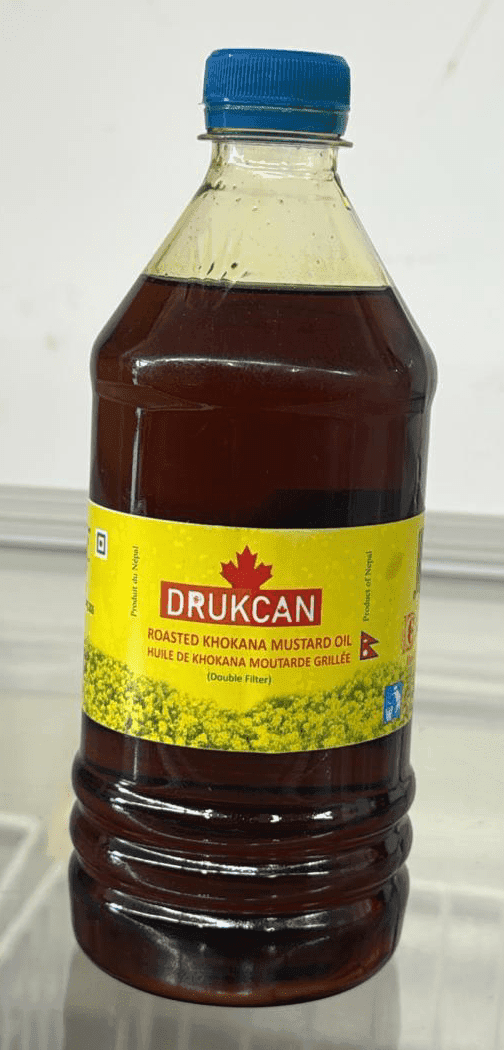
We carry the Khokana Roasted Mustard Oil that a lot of customers already keep in the kitchen for cooking, which makes it an easy double-duty bottle at festival time: dinner and diyo from the same tin. If you have not compared it against sunflower or canola before, our mustard vs sunflower vs canola oil guide breaks down why so many households stick with mustard specifically for lamps and pickling, not just cooking.
Ghee is the other common fill, especially for the main lamp on the thali during Laxmi Puja itself, since it is considered the purer offering. Either way, a few drops of oil or ghee is all one small diyo needs; overfilling just makes it smoke and burn faster than the wick can manage.
Wicks, Placement & Keeping the Flame Safe
A rolled cotton wick, sitting just proud of the oil line, is what actually carries the flame. Most families roll their own from cotton batti or plain cotton wool, since a wick that is too thick smokes and one that is too thin burns out before the oil is used up.
Placement matters as much as the lamp itself. During Tihar, diyos traditionally go along the outer doorway, window sills, and the path Laxmi is meant to walk into the house on. Inside, a small cluster on the puja corner or altar, next to the thali, is standard for daily or festival puja alike.
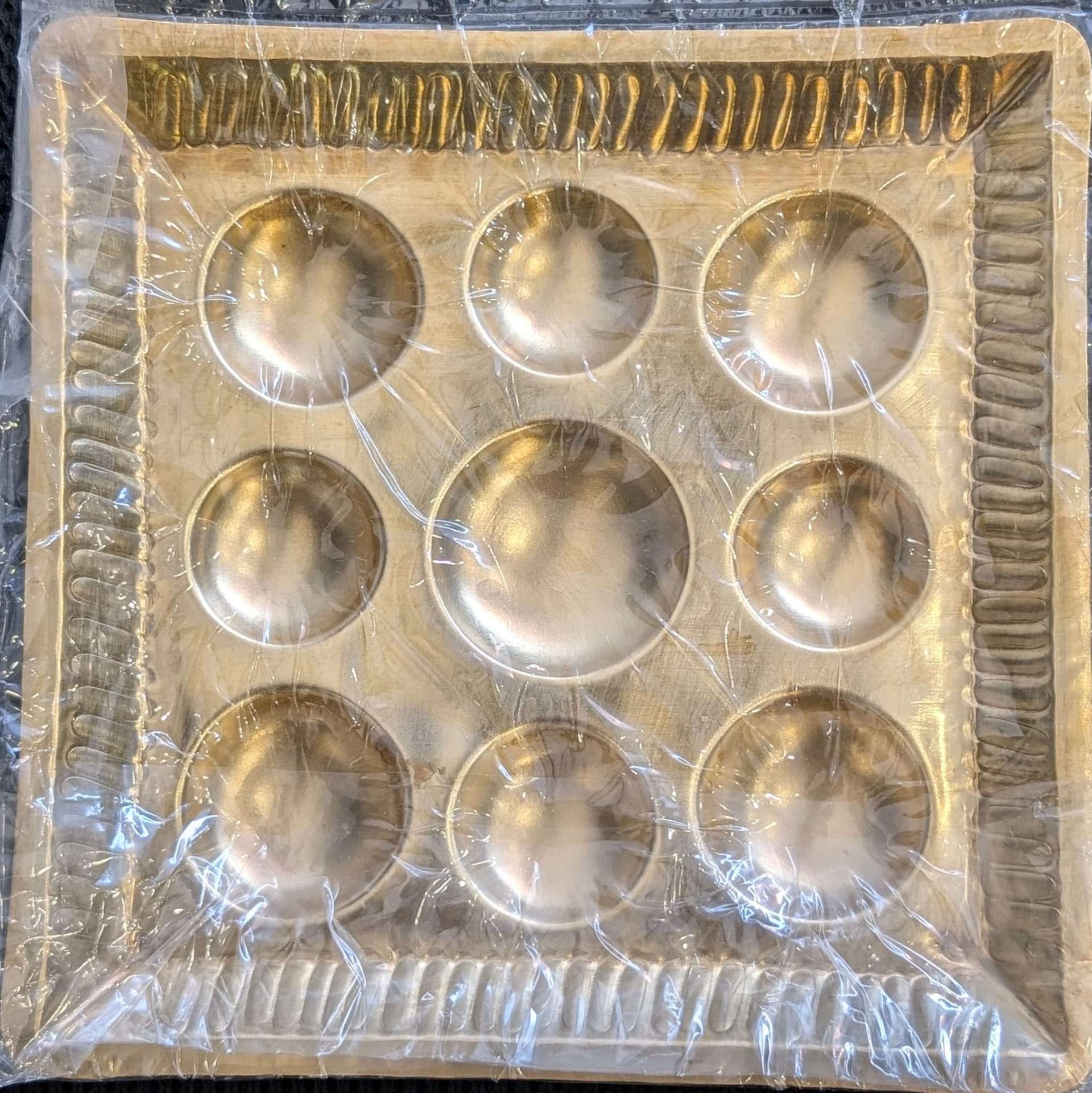
A practical note for Canadian apartments and townhouses: keep diyos away from curtains, on a heatproof plate or tray, and never leave a lit one unattended overnight, especially with kids or pets around. A small steel or brass tray under each lamp catches spilled oil and saves your windowsill.
Building the Full Puja Corner
Diyo rarely stands alone. Most home altars pair it with a puja thali to hold the lamp, flowers, tika and sweets together during aarti, and a proper samagri set so you are not scrambling for one missing ingredient mid-ritual.
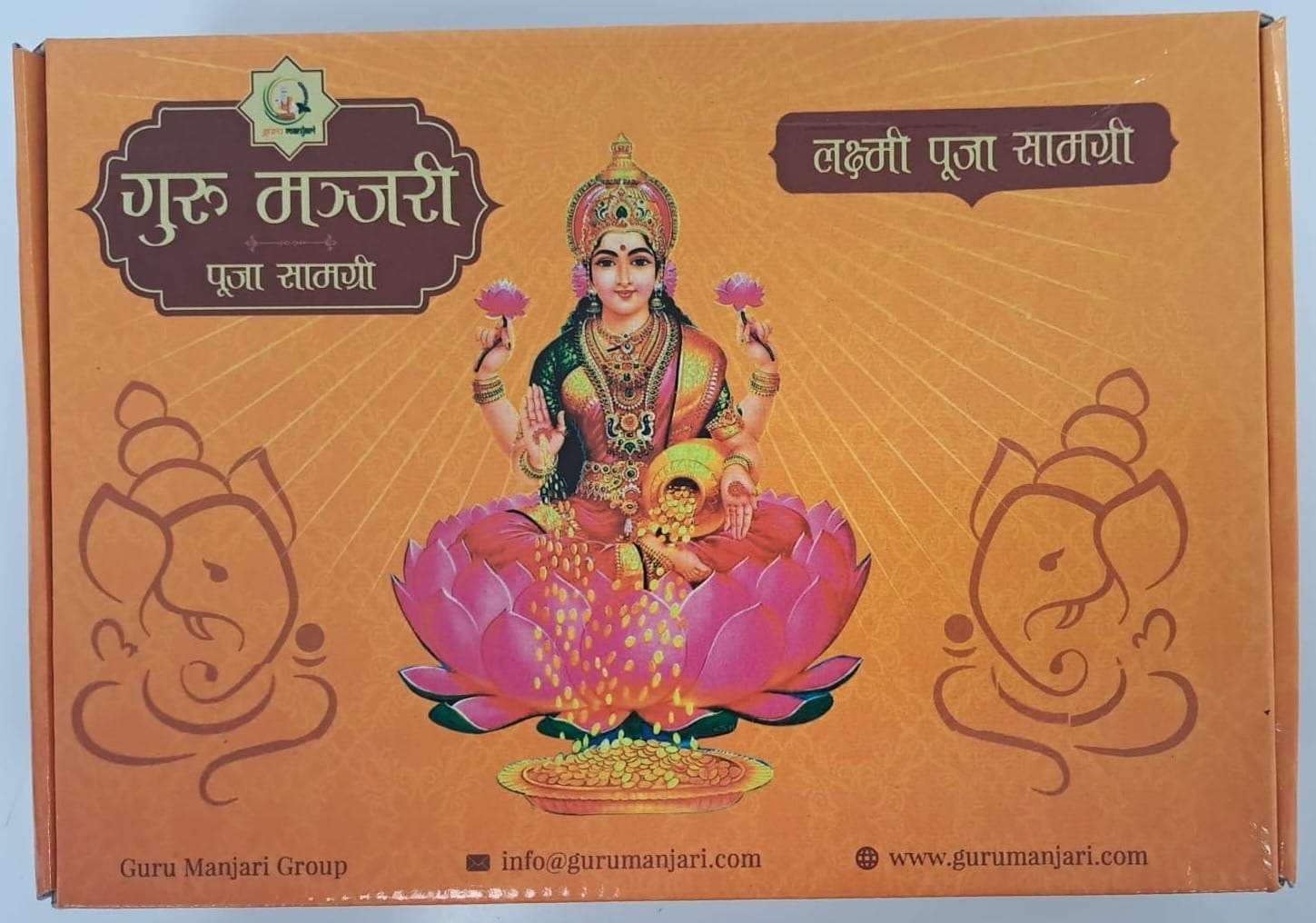
The Laxmi Puja Samagri Set covers 41 ingredients in one box, which is genuinely useful on Laxmi Puja night when the last thing you want is a last-minute run for a single missing item. Pair it with a diyo set and a thali and your whole altar is sorted from one order.
If you are setting up a puja corner for the first time, or just want to know what belongs on it, our puja items essentials guide walks through what most households keep on hand year-round, beyond just the festival extras.
Getting Diyo & Puja Items Across Canada in Time
We are a physical shop on East Hastings in Vancouver, but most of our diyo and puja orders now ship out to customers well beyond Metro Vancouver: Alberta, Ontario, the Prairies, Atlantic Canada, all the way up to the territories.
Standard shipping runs five to ten business days and is free once your order passes $35, which a diyo set plus oil and samagri clears easily. If you are in central Metro Vancouver and cutting it close to Tihar, call us and we can usually get same-day delivery sorted.
The timing question we get most in the weeks before Tihar is simple: order early. Diyo sets and samagri kits are the first things to sell out each year, and our full Nepali & Indian grocery delivery across Canada page has the shipping details for every province if you want to plan the rest of your festival order around it.
Frequently asked questions
What is the difference between a diyo and a regular candle?
A diyo is an open lamp filled with oil or ghee and a cotton wick, not a solid wax candle. The flame is fed continuously by oil rather than by melting wax, which is why diyos are refillable and traditionally reused across an evening of puja rather than burned down and thrown out like a candle.
Can I use any mustard oil for a diyo, or does it need to be a special kind?
Regular cooking-grade mustard oil, like our Khokana Roasted Mustard Oil, works fine in a diyo. There is no separate lamp-only mustard oil sold here; the same bottle you cook with is the one most households pour into the lamp.
How many diyos do I actually need for Tihar?
It depends on your doorway and window sills, but most households light anywhere from five to twenty small diyos across the main entrance, path and puja corner combined. This is exactly why sets like the Shubh Labh Diyo Set (Heavy) exist: buying a dozen loose lamps one at a time gets tedious fast.
Do you ship diyo sets and puja items across Canada in time for Tihar?
Yes. Standard shipping is five to ten business days to all provinces and territories, so ordering about two weeks ahead of Tihar gives a comfortable buffer. If you are in central Metro Vancouver and running short on time, phone us for same-day delivery instead.
What is a Shubh Labh diyo set, specifically?
Shubh Labh (literally auspiciousness and profit) diyo sets bundle multiple small lamps together, sized for a full Tihar doorstep or Laxmi Puja spread in one purchase. We carry both a heavier set and a lighter set depending on how many lamps you need.
Can diyo lamps be reused, or are they meant to be thrown away?
Plain terracotta diyos are traditionally used once and then let go, sometimes floated in a river or stream after Tihar, though plenty of families in Canada simply reuse them the following year if they are still intact. Decorative painted ones like the Lotus Diyo or Multicolor Diyo are meant to be kept and reused for years, refilled fresh each time.
Shop the pantry
Authentic Himalayan staples, delivered anywhere in Canada.
Keep reading
Nepali & Indian Grocery Delivery Across Canada
One Vancouver shop, one nationwide delivery run: real Nepali and Indian groceries shipped coast to coast.
Read the guidePuja Items: The Home-Worship Essentials
Everything you need for a proper home puja, from the diyo you light first to the dhoop that closes the ritual, shipped anywhere in Canada.
Read the guideTihar (Deepawali) Foods: Sel Roti, Sweets & Sagun
From the first oil-soaked ring of sel roti to the last lit diyo on Laxmi Puja night, here is everything Tihar asks of a Nepali kitchen, shipped anywhere in Canada.
Read the guideDashain Foods: What Nepalis Cook for the Great Festival
Meat, sel roti, kheer and sukuti: the four dishes that make a Dashain table feel like home.
Read the guide