
Recipes
Masala Chai Recipe: Nepali-Style Spiced Tea
Masala chai in a Nepali home is not a tea bag dunked in hot milk. It is CTC tea leaves and whole spices boiled together until the colour turns deep amber, then finished with milk and sugar to taste. Here is the version we actually make at home, with the exact ingredients you need and where to find them.
By Bishnu Koirala · Founder & CEO
Published
On this page
What Makes Chai "Masala" Chai
Ask ten Nepali or Indian households how they make chiya and you will get ten slightly different answers, but the bones are always the same: strong CTC tea, whole spices, milk, sugar, and water, all boiled together in one pot rather than steeped separately.
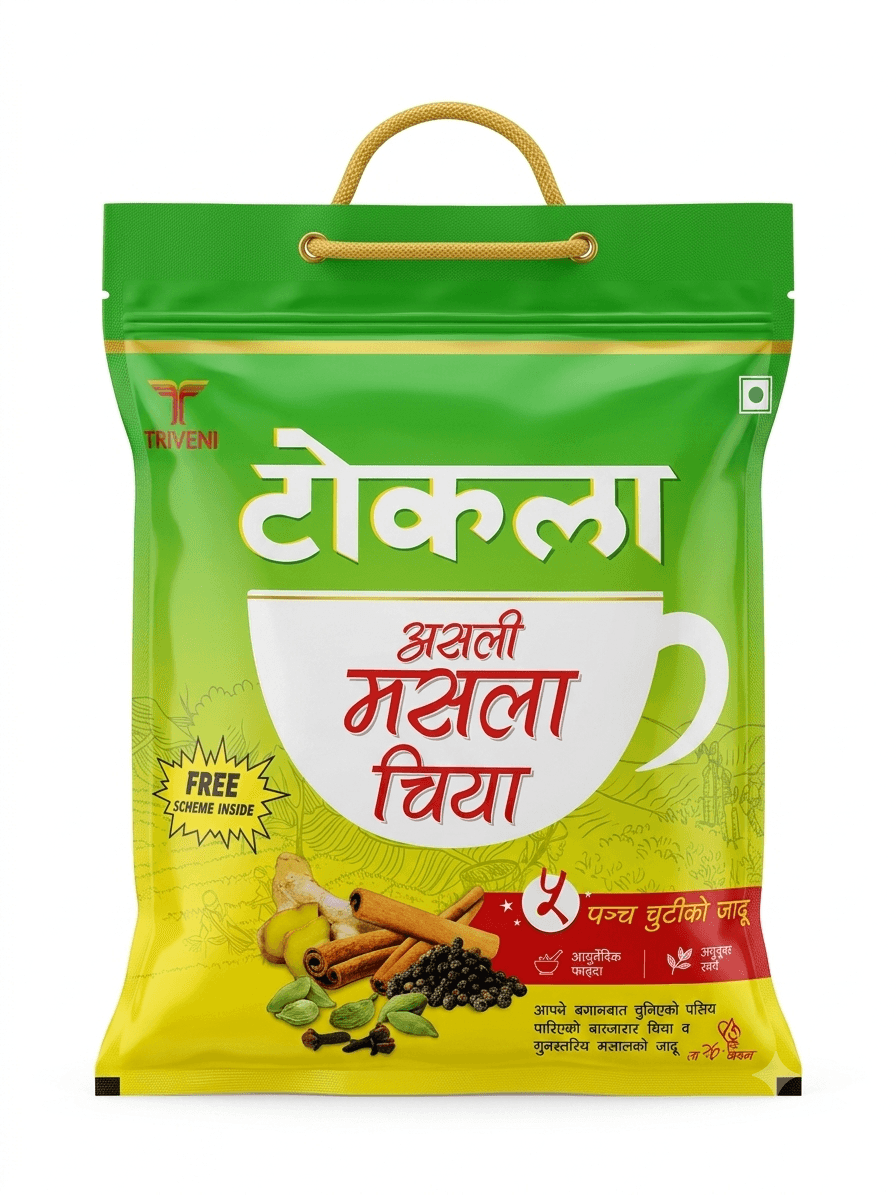
The word masala just means "spice blend." You can buy a ready-made one like Tokla Masala Tea, which already has the tea leaves and spices mixed for you, or build your own from whole ginger, cardamom, and cloves. Both are legitimate. If you want the deeper history and regional variations, we cover that in our CTC vs green vs masala tea guide.
This recipe makes 2 to 4 cups depending on how strong you like it, and scales up easily for a full pot when guests show up unannounced, which in a Nepali household is basically every Sunday.
Ingredients You'll Need
You need surprisingly little to make chai taste right. The two things people usually get wrong are the tea itself (bagged tea steeped in hot water is not the same drink) and skipping the simmer time.
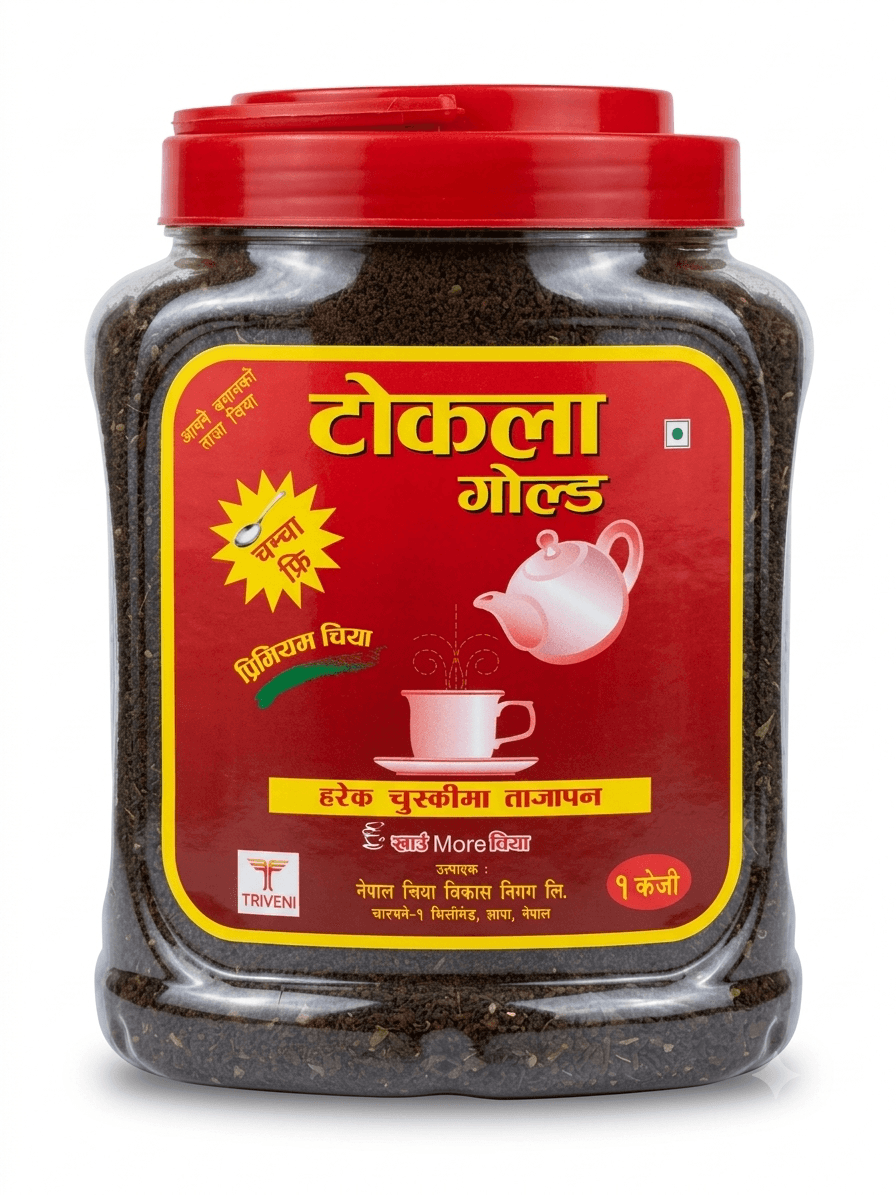
For the tea base: 2 cups water, 1 to 1.5 tablespoons of loose CTC tea such as Tokla Gold Tea, which is the same broken-leaf black tea most Nepali households keep in the kitchen.
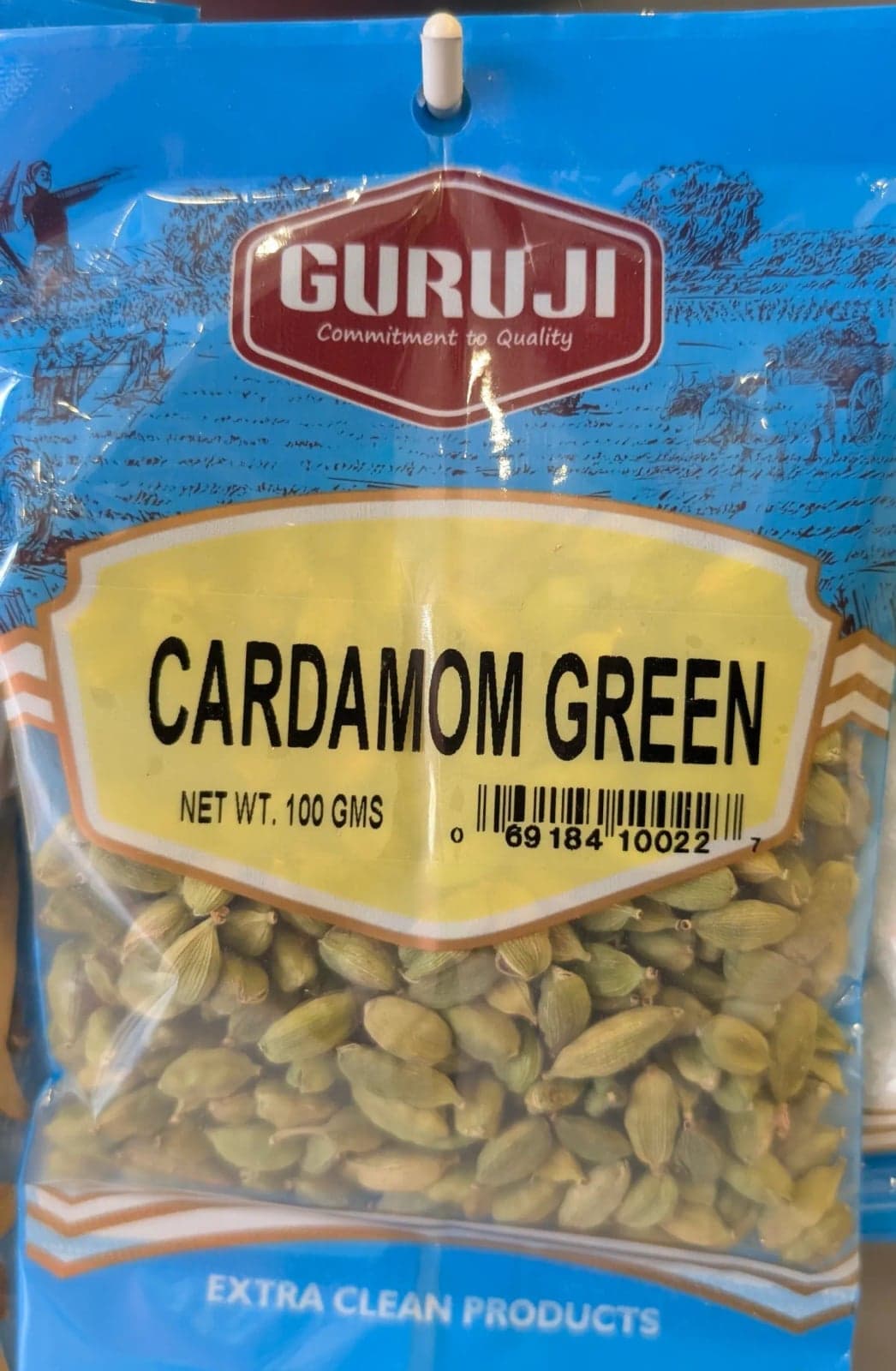
For the spice (masala): 2 to 3 pods of green cardamom lightly crushed, 2 to 3 whole cloves, and a thumb-sized piece of fresh ginger, or a spoonful of minced ginger if you keep the jarred kind on hand like we do.
For the finish: 1 to 1.5 cups milk (or 3 to 4 tablespoons of milk powder mixed with water if fresh milk is not around), and sugar to taste, usually 1.5 to 2 teaspoons per cup. Everything above ships as part of our tea & coffee and spices & masala selection if your local store does not carry Nepali brands.
How to Make Masala Chai, Step by Step
1. Crush the spices. Lightly bruise the green cardamom pods and cloves with the flat of a knife or a mortar and pestle, just enough to crack them open. Whole spices that are not cracked barely release flavour.
2. Boil the water and spices. In a small saucepan, bring the water to a boil with the crushed cardamom, cloves, and ginger. Let it bubble for 2 to 3 minutes so the spices infuse the water first.
3. Add the tea leaves. Stir in the CTC tea and let it boil for another 2 minutes until the water turns a deep reddish-brown. This is the step people rush, and it is the one that matters most.
4. Add milk and sugar. Pour in the milk (or the milk powder mixture) and sugar. Bring the whole pot back up to a rolling boil, then reduce the heat and let it simmer for 3 to 4 minutes. Some households like to let it rise and fall two or three times for extra strength.
5. Strain and serve. Pour through a fine strainer straight into cups. Serve hot, ideally with something to dunk, whether that is a plain biscuit or a plate of sel roti if it is a festival morning.
Getting the Spice Blend Right
Cardamom and cloves are the backbone, but every family adds their own touch. Some add a small piece of cinnamon stick, others a pinch of black pepper for warmth, and some Terai households throw in a bit of fennel seed for a lighter, sweeter note.
If you would rather not measure whole spices every morning, a pre-mixed blend does the job just as well. It is essentially the same idea as reaching for garam masala instead of grinding your own spice mix from scratch every time you cook dal.
One thing to avoid: do not use so much spice that it overpowers the tea. Masala chai should taste like tea first and spice second. If you can't taste the tea underneath, dial it back next time.
Milk, Sugar, and Getting the Strength Right
The water-to-milk ratio is really a matter of taste. Two parts water to one part milk gives a lighter chai closer to what you'd get at a Kathmandu tea stall. Equal parts water and milk gives a richer, creamier cup closer to what many Indian households prefer.
If fresh milk runs out, milk powder mixed with hot water works as a reliable substitute and is genuinely what a lot of us keep as backup in the pantry, not just for tea but for cooking too.
Sugar goes in during the boil, not after, so it dissolves fully into the tea rather than sitting at the bottom of the cup. If you are cutting back on sugar, start at one teaspoon per cup and adjust; the spices carry a lot of the flavour on their own.
Serving Chai the Nepali Way
Chiya in a Nepali home is less a beverage and more a ritual. It gets poured the moment guests arrive, before any conversation about why they came. It shows up again after meals, mid-afternoon, and any time someone needs a reason to sit down for ten minutes.
If you want to go deeper into the tea culture itself, including where Nepal's tea actually comes from, our guide to Tokla Himalayan tea from Nepal covers the growing regions and grades. And if chai has you curious about the rest of the pantry, our Nepali & Indian grocery delivery across Canada hub is the place to see everything we ship coast to coast, from tea and spices to lentils and pickles.
Frequently asked questions
What is the difference between masala chai and regular tea?
Regular tea is just tea leaves steeped in hot water. Masala chai is tea leaves and whole spices boiled together with milk and sugar in one pot, which is why it tastes richer and spicier than a plain cup of tea with milk added afterward.
Can I make masala chai with tea bags instead of loose tea?
You can, but the flavour will be weaker. CTC loose tea like Tokla Gold Tea is cut specifically to release colour and strength quickly during a boil, which is what gives chai its characteristic deep amber colour and body.
What spices go into masala chai?
The core two are green cardamom and cloves. Many households add fresh or minced ginger, and some add a small piece of cinnamon, black pepper, or fennel seed. There is no single correct blend; it varies by family and region.
How do I make masala chai without fresh milk?
Mix 3 to 4 tablespoons of milk powder with warm water to replace the milk in the recipe. It is a common substitute in Nepali kitchens and works well since the tea and spices carry most of the flavour anyway.
How strong should masala chai taste?
It should taste like tea first, with the spices adding warmth underneath rather than overpowering it. If the tea flavour disappears behind the spices, use fewer cardamom pods and cloves next time.
Do you ship masala chai tea and spices across Canada?
Yes. Tokla teas, whole spices, and milk powder all ship nationwide to all 10 provinces and 3 territories, usually within 5 to 10 business days, with free delivery on orders over $35 in central Metro Vancouver.
Shop the pantry
Authentic Himalayan staples, delivered anywhere in Canada.
Keep reading
Nepali & Indian Grocery Delivery Across Canada
One Vancouver shop, one nationwide delivery run: real Nepali and Indian groceries shipped coast to coast.
Read the guideCTC vs Green vs Masala Tea: A Chiya Guide
CTC is the strong milky chiya, green is the light afternoon cup, and masala is a spice recipe, not a leaf at all.
Read the guideTea from the Himalayas: The Tokla Range from Nepal
Nepal grows its tea high in the Himalayas, on the same misty slopes as neighbouring Darjeeling. Meet the Tokla range, from strong morning chiya to delicate jasmine green tea.
Read the guideIndian Tea in Canada: Wagh Bakri, Tetley & Masala Chai
From Wagh Bakri's strong CTC leaf to Tetley bags and Tokla from Nepal's own gardens, here's how to buy and brew proper chai anywhere in Canada.
Read the guide