
Food & Nutrition Guides
Bire Nun (Nepali Black Salt): Uses & Benefits
Bire nun is the pinkish-grey, faintly egg-scented salt that gives Nepali chatpate and Indian chaat their signature tang. It is not just a seasoning, it is an everyday digestive aid in most Himalayan kitchens. Here is what it actually is, why it smells the way it does, and how to use it well.
By Bishnu Koirala · Founder & CEO
Published
On this page
What Is Bire Nun, Exactly?
Bire nun (काला नुन in Nepali, kala namak in Hindi) is a volcanic rock salt mined mostly in the foothills near Nepal and northern India. It is kiln fired with harad seeds, amla, and other botanicals, which is what turns plain rock salt into something with a sharp, almost sulfuric aroma and a faint savoury depth that regular table salt simply does not have.
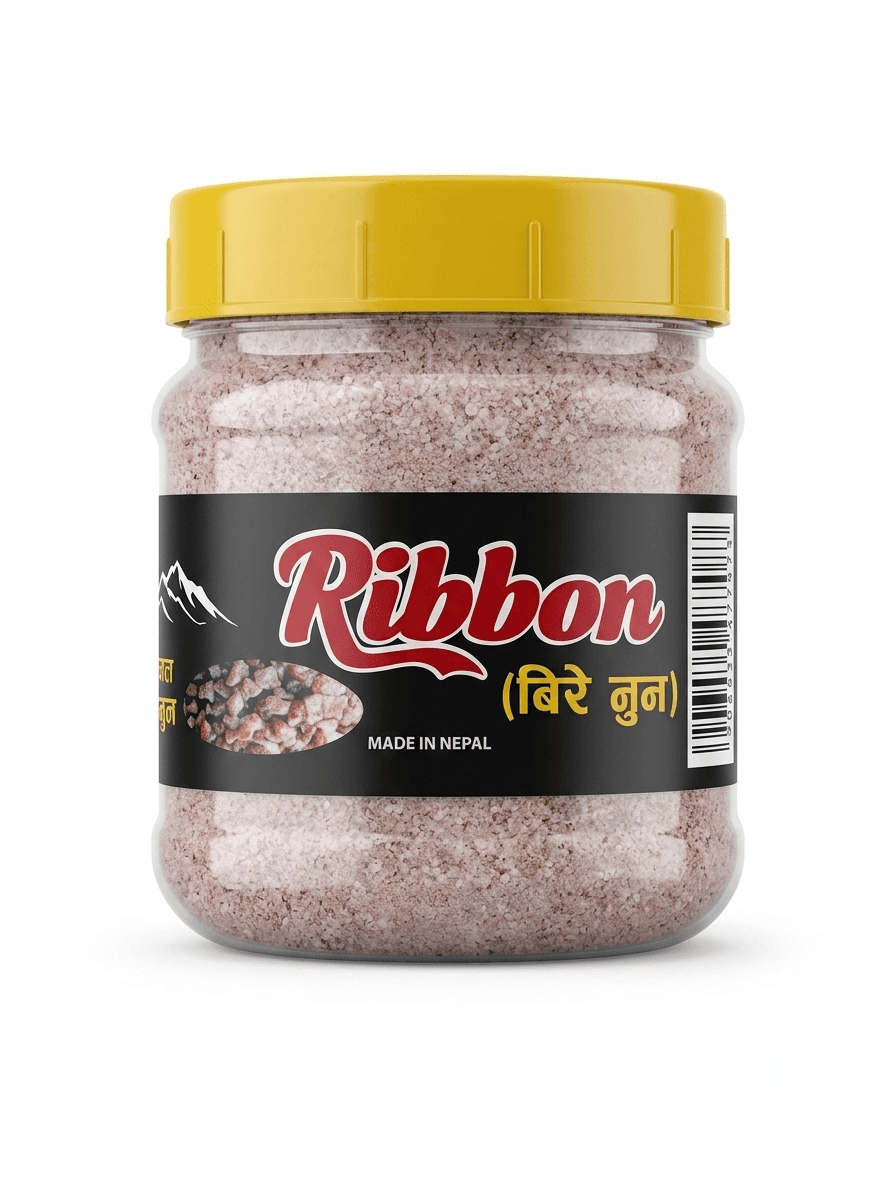
In its raw block form it looks pinkish grey to almost purple. Ground fine, it turns a dusty pink-brown, which is the form you will find in our Nepali Black Salt (Bire Nun) 200g jar. A small pinch goes a long way, it is punchier than sea salt, so cooks tend to use less of it by volume.
If you grew up eating chatpate on a Kathmandu street corner or chaat from a Delhi stall, that unmistakable tang on your tongue was bire nun doing its job.
Why It Smells Like Eggs (and Why That's a Good Thing)
The first thing most people notice about bire nun is the smell: sulfuric, a bit like a hard boiled egg. That comes from natural sulfur compounds released during the roasting process, the same family of compounds that give eggs their aroma.
It sounds off putting on paper, but on food the smell mellows into something closer to umami. It rounds out sour and spicy flavours instead of fighting them, which is exactly why it shows up in tangy snacks rather than sweet ones.
This is also the salt that gives vegan egg-flavoured dishes their convincing 'eggy' note in Western kitchens, though in Nepal and India it has always just been about chaat and achar, not substitution.
Bire Nun in Chatpate, Pani Puri, and Chaat
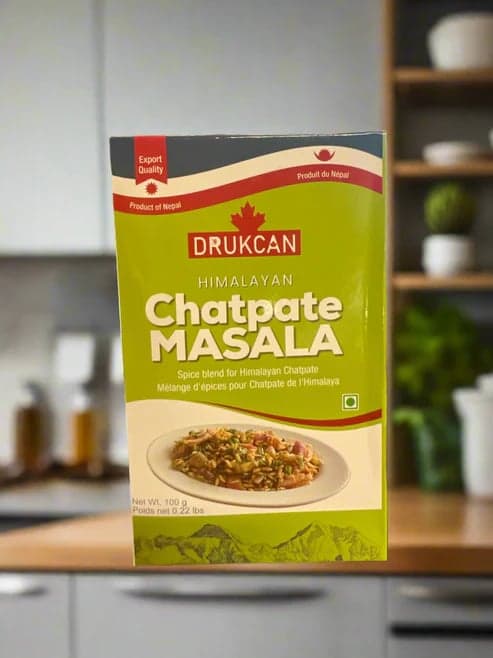
Chatpate is the dish bire nun was seemingly made for: puffed rice, chickpeas, potato, onion, tomato, and a hit of lemon, all tied together with black salt and chili. Our DRUKCAN Chatpate Masala already blends bire nun with other spices, but a lot of home cooks like to add a little extra straight bire nun on top just before eating, since the aroma fades fast once mixed in.
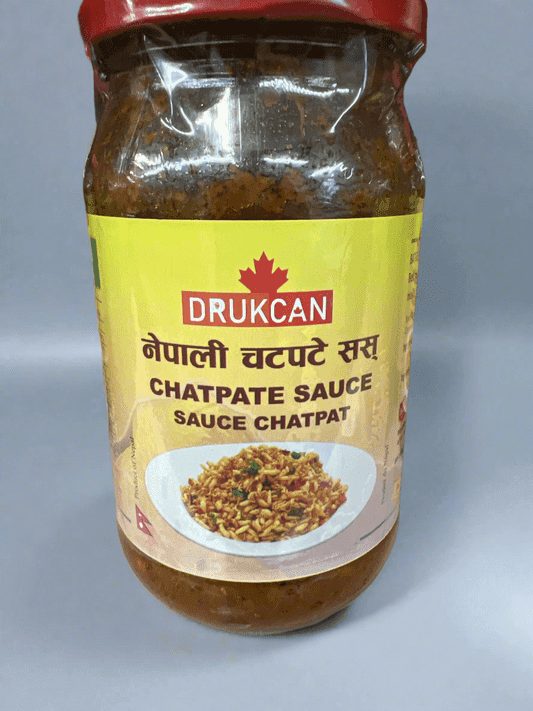
If you prefer the wetter, tamarind-forward style, the DRUKCAN Chatpate Sauce is a shortcut worth keeping in the fridge, again finished with a pinch of bire nun for that final tang.
The same logic applies to pani puri: the pani (spiced water) is built on mint, tamarind, and black salt in roughly equal importance to the chili. Our DRUKCAN Pani Puri Masala has it baked in, but if you like your pani sharper, stir in a touch more bire nun to taste. For the full setup with shells and stuffing, our pani puri at home guide walks through the whole assembly.
Digestion: The Reason Every Nepali Grandmother Keeps a Jar
Long before it was a chaat ingredient, bire nun was a digestive. In Ayurveda it is classed as a warming salt that stimulates digestive fire (agni), which is why you will see it stirred into buttermilk, added to jaljeera style drinks, or sprinkled over fruit after a heavy meal.
It pairs naturally with other everyday digestive aids on our shelves: isabgol (psyllium husk) for regularity, or a fizzy glass of ENO Fruit Salt for acidity and bloating after a rich thali. None of these replace medical advice for ongoing digestive issues, but as part of a traditional after-meal routine, bire nun has centuries of practice behind it.
A simple jeera pani (cumin water) with a pinch of black salt and roasted cumin seeds is one of the easiest home remedies for a heavy stomach, and it takes two minutes to make.
Cooking With Bire Nun Beyond Chaat
Bire nun is not only for street food. Try it in raita instead of plain salt, in a simple cucumber-tomato salad with lemon, or whisked into lassi for a savoury version. It also lifts fruit salads, especially watermelon, pineapple, and guava, in the same way a squeeze of lime does.
It is worth keeping separate from your everyday cooking salt rather than swapping it in one for one. Because its flavour is so distinctive, most cooks reserve it for finishing rather than base seasoning, the way you would use a flaky sea salt. If you are building out a proper Nepali spice shelf, our garam masala and everyday Indian spices guide and our Dabur and Ayurvedic essentials guide cover the other jars worth having next to it.
For dry snacking, bire nun also turns up dusted over dalmoth and namkeen mixes, where it plays the same tangy, savoury role it does in chatpate.
Buying Bire Nun in Canada
Real bire nun is genuinely hard to find outside a South Asian grocery in Canada, and even harder to find at the strength that actually smells and tastes right. We stock the Nepali Black Salt (Bire Nun) 200g alongside the rest of our spices & masala shelf at our Hastings Street shop in Vancouver, and we ship it across all 10 provinces and 3 territories.
Delivery runs $5 to $10 standard, free once your order hits $35 within central Metro Vancouver, and typically arrives in 5 to 10 business days nationwide (same day is available by phone if you are local). For the full rundown of what we carry and how shipping works province to province, see our Nepali & Indian grocery delivery across Canada guide.
Frequently asked questions
Is bire nun the same as regular black salt or Himalayan pink salt?
No, and this trips a lot of people up. Himalayan pink salt is a mild, unroasted rock salt used like regular table salt. Bire nun (kala namak) is roasted with harad and other botanicals, which gives it that strong sulfuric smell and tangy flavour. They are not interchangeable in a recipe.
Why does my black salt smell like sulfur or rotten eggs?
That is completely normal and expected. The smell comes from natural sulfur compounds released during the traditional kiln roasting process. It mellows considerably once mixed into food, especially anything with lemon, tamarind, or chili.
Can I use bire nun instead of regular salt in cooking?
You can, but it is not a straight swap. Bire nun is stronger and more distinctive than table salt, so most cooks use it as a finishing salt on chaat, fruit, raita, or drinks rather than as the main seasoning in curries and dal.
Does black salt actually help with digestion?
In Ayurvedic tradition, yes, it is considered warming and is used to stimulate digestion, commonly in buttermilk, jaljeera, or after a heavy meal. It has generations of home use behind it in Nepal and India, though it is not a substitute for medical treatment of ongoing digestive problems.
How much bire nun should I use in chatpate or pani puri?
Start small, a quarter teaspoon per serving of chatpate is usually plenty, then adjust to taste. It is far easier to add more than to fix an oversalted batch. If you are using a pre-mixed blend like our chatpate or pani puri masala, taste before adding extra.
Where can I buy authentic Nepali black salt in Canada?
We carry it in-store at our Hastings Street location in Vancouver and ship it nationwide across Canada, usually within 5 to 10 business days, with free delivery over $35 in central Metro Vancouver.
Shop the pantry
Authentic Himalayan staples, delivered anywhere in Canada.
Keep reading
Nepali & Indian Grocery Delivery Across Canada
One Vancouver shop, one nationwide delivery run: real Nepali and Indian groceries shipped coast to coast.
Read the guidePani Puri (Golgappa) at Home: The Complete Kit
One tangy, spicy shot of pani puri turns any evening into a street-food party, and the whole kit ships across Canada.
Read the guideDalmoth & Furandana: Nepali Namkeen Explained
Dalmoth and furandana are the two namkeen every Nepali household keeps in a tin, and here is exactly what makes them different.
Read the guideIsabgol (Psyllium Husk): Benefits & How to Use
The humble husk in every Nepali and Indian medicine cabinet, and why a spoonful before bed still works better than most fibre supplements.
Read the guide